
Designing Your Mushroom Cultivation Room
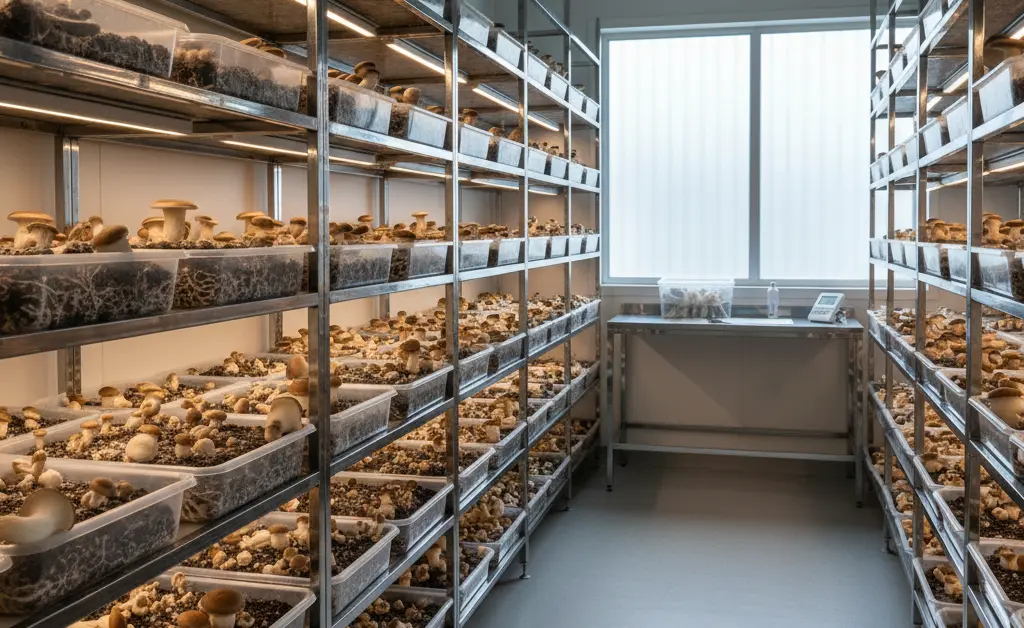
Embarking on mushroom cultivation without a dedicated, controlled environment often leads to frustration, characterized by fluctuating yields, persistent contamination issues, and general unpredictability. This ad hoc approach typically results in suboptimal growth conditions that hinder successful production. However, by meticulously planning and establishing a purpose-built mushroom cultivation room, growers can effectively transform these chaotic efforts into a highly controlled, productive, and consistent operation. A well-designed space ensures precise environmental regulation, from humidity and temperature to air exchange, creating the ideal conditions necessary for healthy mycelial development and abundant fruiting. This article provides a comprehensive guide to designing such an environment, enabling cultivators to achieve reliable and high-quality mushroom harvests through intelligent setup and management.
Mushroom Cultivation Room Setups
Creating an effective mushroom cultivation room involves careful planning and execution, tailored to the scale and type of mushrooms being grown. The right setup is paramount for achieving consistent results and minimizing potential issues. From selecting the initial space to the final touches, each decision contributes to the overall success of your cultivation efforts. A well-designed mushroom cultivation room considers both current needs and future expansion possibilities, ensuring a versatile and efficient workspace for various stages of mushroom development. Understanding the mushroom cultivation technology can help guide these decisions.
Choosing the Right Location and Setup
The first step in establishing a functional mushroom cultivation room is selecting an appropriate location. This space should ideally be isolated from other living areas to prevent cross-contamination and allow for stable environmental control. Factors such as access to utilities (water, electricity), drainage, and ease of cleaning are crucial. Whether converting a basement, garage, or a spare room, ensure the chosen site can be properly sealed and insulated to maintain specific climatic conditions necessary for mushroom growth. The overall setup should facilitate a logical workflow from substrate preparation to harvesting.
Materials and Equipment Needed
Outfitting a mushroom cultivation room requires a range of materials and equipment. Essential items include proper insulation, vapor barriers, and washable surfaces for walls and floors. For environmental control, you will need humidifiers, exhaust fans, HEPA filters, and heating or cooling units. Various containers, bags, and jars are necessary for substrate preparation and colonization. Sterilization equipment, such as a pressure cooker or autoclave, is also critical for maintaining a sterile environment. Investing in quality materials from the outset can save time and prevent issues in the long run.
Shelving and Growing Surfaces
Efficient use of space within a mushroom cultivation room is achieved through thoughtful shelving and growing surface design. Durable, easy-to-clean shelving units made from materials like stainless steel or coated wire are often preferred. These shelves should be able to withstand high humidity and frequent cleaning. Growing surfaces can vary depending on the cultivation method, from hanging bags to trays or specialized fruiting blocks. Ensure adequate spacing between shelves to allow for proper airflow and easy access for maintenance and harvesting.
Space Requirements
The necessary space for a mushroom cultivation room depends entirely on the scale of your operation. For hobbyists, a small closet or tent might suffice, while commercial growers will require dedicated rooms or even warehouses. Consider the different stages of mushroom growth: substrate preparation, inoculation, incubation, and fruiting. Each stage may benefit from its own dedicated area or distinct environmental conditions within the same space. Adequate room for movement, equipment storage, and future expansion should also be factored into the design.
Floor and Wall Finishes
The surfaces within a mushroom cultivation room must be durable, non-porous, and easy to sanitize. Epoxy-coated concrete floors or vinyl flooring are excellent choices, as they resist moisture and inhibit microbial growth. Walls can be covered with FRP (Fiber-Reinforced Plastic) panels, sealed drywall with mold-resistant paint, or other waterproof, washable materials. Seamless finishes are preferable to minimize crevices where contaminants can hide. Proper sealing around all penetrations (pipes, wires) is also vital to maintain environmental integrity.
Building Your Mushroom Grow Room
Constructing a mushroom grow room involves several key steps, including framing, insulation, and the installation of vapor barriers. Begin with a robust frame, then add insulation to help regulate temperature fluctuations. A critical step is installing a vapor barrier on the warm side of the insulation to prevent condensation and moisture buildup within the wall cavities. This significantly reduces the risk of mold and structural damage. Once the basic structure is sound, proceed with installing the chosen floor and wall finishes, ensuring all seams are properly sealed for optimal hygiene and environmental control.
Essential Components of a Mushroom Cultivation Room
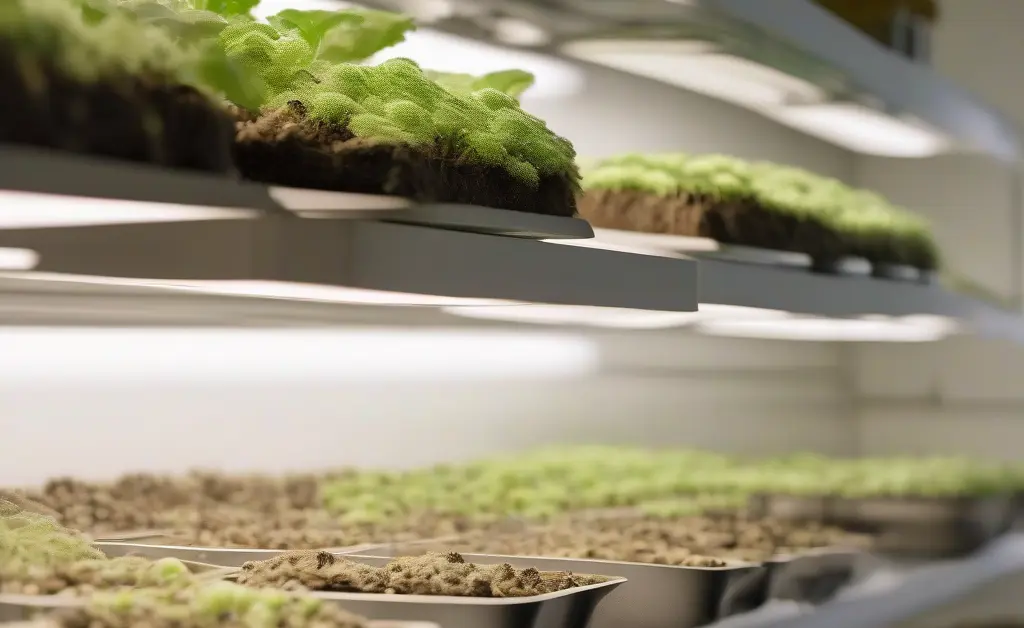
Beyond the structural elements, a functional mushroom cultivation room relies on a suite of integrated systems that precisely manage the environment. These components are critical for mimicking the natural conditions mushrooms need to thrive, from the initial mycelial colonization to the final fruiting stages. Each system plays a vital role in maintaining the delicate balance required for successful growth and preventing common cultivation challenges. Thoughtful selection and installation of these elements are key to a productive mushroom cultivation room.
Ventilation System
A robust ventilation system is crucial for regulating air quality and managing CO2 levels within the grow room. Mushrooms respire, releasing CO2, and excessive levels can inhibit fruiting. A proper system typically involves an intake fan with a HEPA filter to bring in clean air and an exhaust fan to remove stale air. The system should be designed to achieve several air exchanges per hour, ensuring a constant supply of fresh air. Ducting should be strategically placed to promote even air distribution and prevent stagnant pockets.
Humidity Control System
Maintaining high humidity is often critical for mushroom fruiting. A reliable humidity control system is therefore indispensable. This typically involves industrial-grade humidifiers, such as ultrasonic foggers or misting systems, often controlled by a humidistat. The system should be capable of maintaining specific humidity levels, often in the range of 85-95%, without creating standing water, which can promote bacterial growth. Consistent humidity helps prevent the drying out of substrates and ensures proper cap and stem development.
Lighting Requirements
While mushrooms do not photosynthesize in the same way plants do, they still require some light for proper development, especially during the fruiting stage. Light acts as an environmental trigger for primordia formation and influences the direction of growth. Low-intensity LED or fluorescent lights on a timer are often sufficient. The spectrum and intensity are less critical than for plants, but providing a consistent light cycle can help guide growth and improve overall morphology. Excessive light is generally not beneficial and may even be detrimental.
Substrate Preparation Tools
Substrate preparation is a foundational step in mushroom cultivation, requiring specific tools to ensure sterility and proper nutrient availability. Key items include large mixing tubs, scales for accurate ingredient measurement, and a heat source for pasteurization or sterilization (e.g., a large pressure cooker or steam generator). Grinders or choppers may be needed for breaking down bulk substrate materials. Maintaining cleanliness during this stage is paramount to prevent contamination later in the process.
Spawn Inoculation Equipment
The process of introducing mushroom spawn to the prepared substrate, known as inoculation, demands a sterile environment and specialized tools. A laminar flow hood or a still air box is highly recommended to create a clean workspace free from airborne contaminants. Other essential equipment includes sterile gloves, scalpels or inoculating loops, and alcohol wipes. Precise and aseptic techniques during inoculation are vital to give the mycelium the best chance to colonize the substrate without competition from molds or bacteria.
Fruiting Chamber Setup
The fruiting chamber, often a dedicated section of the mushroom cultivation room, is where conditions are optimized for primordia formation and subsequent mushroom development. This setup typically involves precise control over humidity, temperature, and fresh air exchange. Clear containers or tents are often used to maintain localized microclimates. The design should allow for easy access for harvesting and regular misting if manual humidity control is employed, while also preventing excessive moisture buildup.
Monitoring Devices (thermometer, hygrometer)
Accurate and continuous monitoring of environmental parameters is essential for successful mushroom cultivation. Thermometers track temperature, while hygrometers measure humidity levels. Digital devices with remote sensors or data logging capabilities can provide real-time information and historical data, allowing growers to fine-tune their environmental controls. Regular calibration of these devices helps ensure their accuracy, providing reliable data for informed decision-making in managing the mushroom cultivation room. Advanced cultivators may explore mushroom cultivation using IoT for enhanced monitoring.
Environmental Controls for Mushroom Growth
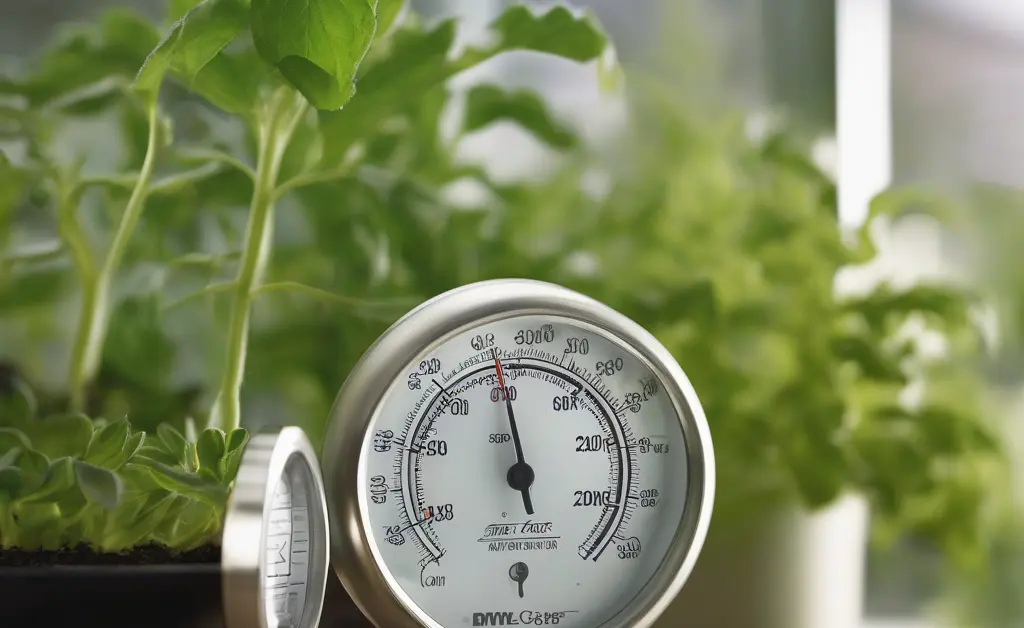
The success of any mushroom cultivation room hinges on the precise management of its internal climate. Mushrooms are highly sensitive to environmental fluctuations, requiring specific conditions for each stage of their life cycle. Establishing and maintaining these optimal parameters—temperature, humidity, air exchange, and light—is paramount for healthy mycelial growth, robust fruiting, and high yields. These controls are interconnected, and a holistic approach to their management is essential for a thriving mushroom cultivation room.
Temperature Regulation
Temperature plays a critical role in both mycelial colonization and fruiting. Different mushroom species have distinct temperature preferences. During the incubation phase, a warmer, stable temperature generally encourages rapid mycelial growth. For fruiting, a slight drop in temperature can often act as a trigger, signaling the mushroom to produce primordia. Heating and cooling systems, such as space heaters, air conditioners, or mini-split units, coupled with thermostats, are used to maintain these precise temperature ranges, preventing thermal stress to the developing fungi. Understanding the ideal mushroom cultivation temperature is key for each species.
Humidity Levels
High humidity is especially crucial during the fruiting stage to prevent the substrate from drying out and to ensure the proper development of mushroom caps and stems. Ideal humidity levels often range between 85% and 95% for many species. Maintaining this balance is key; too little humidity can lead to stunted growth or dry, cracked mushrooms, while excessive humidity without proper air exchange can foster bacterial growth. Automated humidifiers and misting systems, controlled by hygrostats, help achieve and sustain these critical levels.
Air Exchange and CO2 Management
Proper air exchange is vital for two main reasons: providing fresh oxygen and removing excess carbon dioxide. As mycelium colonizes and mushrooms fruit, they respire, producing CO2. High concentrations of CO2 can lead to elongated stems and small caps, a condition known as “legginess.” A well-designed ventilation system ensures a consistent fresh air supply, often achieving several air changes per hour. This constant refreshment of the air prevents CO2 buildup, supporting healthy and well-formed mushrooms.
Light Spectrum and Intensity
While often less critical than for green plants, light still plays a role in mushroom development. It acts primarily as a developmental trigger for primordia formation and influences the direction of growth (phototropism). Low-intensity, broad-spectrum light, such as that provided by fluorescent tubes or LED grow lights, is typically sufficient. A consistent light cycle (e.g., 12 hours on, 12 hours off) can help regulate the growth process. The intensity should generally be dim, mimicking natural light filtered through a canopy, to avoid stressing the mushrooms.
Maintenance and Hygiene Practices
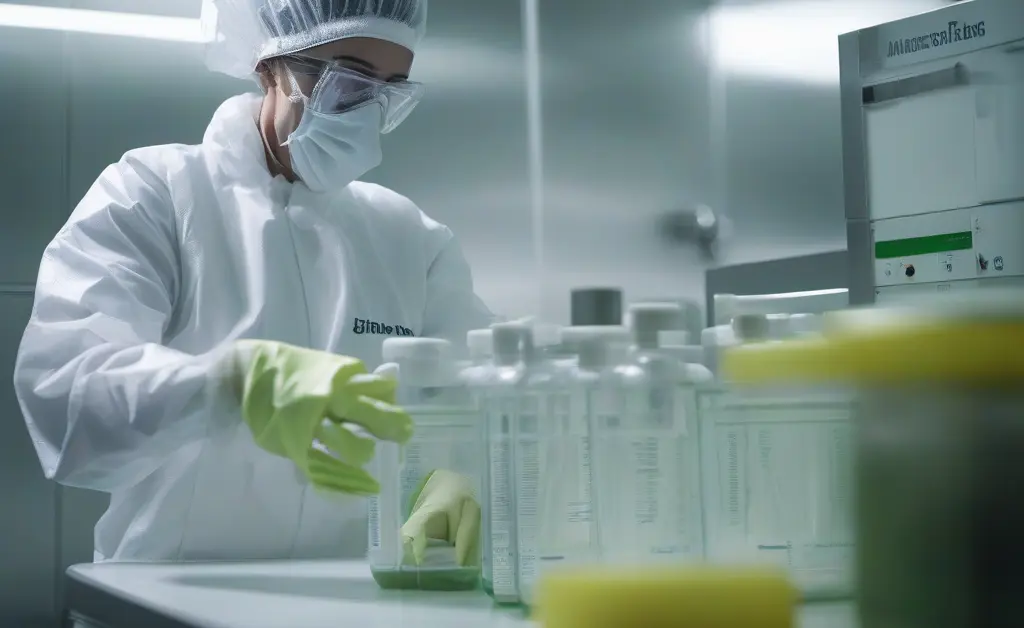
Maintaining a sterile and clean environment is perhaps the most critical aspect of running a successful mushroom cultivation room. Contamination by molds, bacteria, and pests can quickly decimate an entire crop, leading to significant losses. Regular and thorough maintenance, coupled with strict hygiene protocols, is not just recommended but absolutely essential. These practices safeguard the health of your mycelium and ensure consistent, high-quality yields from your mushroom cultivation room.
Cleaning and Sterilization Protocols
Regular and thorough cleaning and sterilization are paramount to prevent contamination. All surfaces, including floors, walls, and shelving, should be routinely cleaned with appropriate disinfectants. Equipment used for substrate preparation and inoculation must be sterilized before each use, typically using a pressure cooker, autoclave, or chemical sterilants. Establishing a strict cleaning schedule and adhering to it diligently significantly reduces the risk of unwanted microbial growth. Disposable items should be used where possible and discarded properly.
Pest and Contamination Prevention
Prevention is the best defense against pests and contamination. This includes ensuring the mushroom cultivation room is well-sealed to prevent insects and rodents from entering. Air intake should be filtered, ideally with HEPA filters, to remove airborne spores and particles. Strict personal hygiene, such as wearing clean clothes, gloves, and masks, should be practiced by anyone entering the cultivation area. Promptly identifying and isolating any contaminated bags or blocks is also crucial to prevent the spread to healthy cultures. Understanding the mushroom cultivation life cycle can help identify critical control points for prevention.
Waste Management
Effective waste management is integral to maintaining hygiene and preventing contamination. Spent substrates, discarded contaminated blocks, and other organic waste should be removed from the mushroom cultivation room promptly and disposed of responsibly. Composting spent substrate can be an environmentally friendly option, but ensure it is done away from the cultivation area to avoid attracting pests or spreading spores. Regular removal of waste prevents the buildup of potential breeding grounds for molds and insects, contributing to a cleaner, healthier growing environment. For general health guidelines, refer to the WHO.
Designing and meticulously managing a mushroom cultivation room is an investment that pays dividends in consistent yields and high-quality produce. By focusing on critical factors like environmental control, proper sanitation, and efficient workflow, growers can create an optimal habitat for their chosen mushroom species. This systematic approach not only minimizes the challenges often associated with cultivation but also maximizes the potential for a thriving and productive operation, yielding satisfying results time and again.
This article aims to inform, not to replace professional healthcare advice. The content provided is for general informational purposes only and is not intended to be a substitute for expert advice, diagnosis, or treatment in any field. Readers should always consult with qualified professionals for specific guidance related to their individual situations, whether in agriculture, health, or any other domain.
FAQ
What temperature and humidity do mushrooms need to grow?
Mushrooms, as fungi, require precise temperature ranges and consistently high humidity levels to initiate and sustain the development of their fruit bodies. These conditions mimic their natural habitat, where moisture is abundant and temperatures are stable enough for growth. Different mushroom species have distinct requirements, but maintaining specific atmospheric conditions is fundamental for successful cultivation.
How do I set up a mushroom fruiting chamber?
Setting up a mushroom fruiting chamber involves creating a controlled environment that encourages mycelium to produce mushrooms. This typically includes a container designed to maintain high humidity while allowing for controlled fresh air exchange and specific light exposure. The goal is to provide the precise atmospheric cues that signal the fungus to transition from vegetative growth to reproductive fruiting.
What kind of ventilation is needed for a mushroom growing room?
Effective ventilation is crucial in a mushroom growing room to prevent the accumulation of carbon dioxide, which is a metabolic byproduct of fungal growth and can inhibit mushroom development. Regular air exchange introduces fresh oxygen, vital for healthy mushroom formation, and helps to dissipate spores and reduce the risk of airborne contaminants. This constant airflow supports optimal growth conditions and overall fungal health.
Can I grow mushrooms in a small room?
Yes, mushrooms can be successfully grown in a small room, provided that you can consistently manage the environmental factors required for their development. The compactness of a small space can actually make it easier to control temperature, humidity, and fresh air exchange. Setting up a dedicated mushroom cultivation room, regardless of its size, allows for precise regulation of these critical growing conditions.