
Understanding the Mushroom Cultivation Syllabus
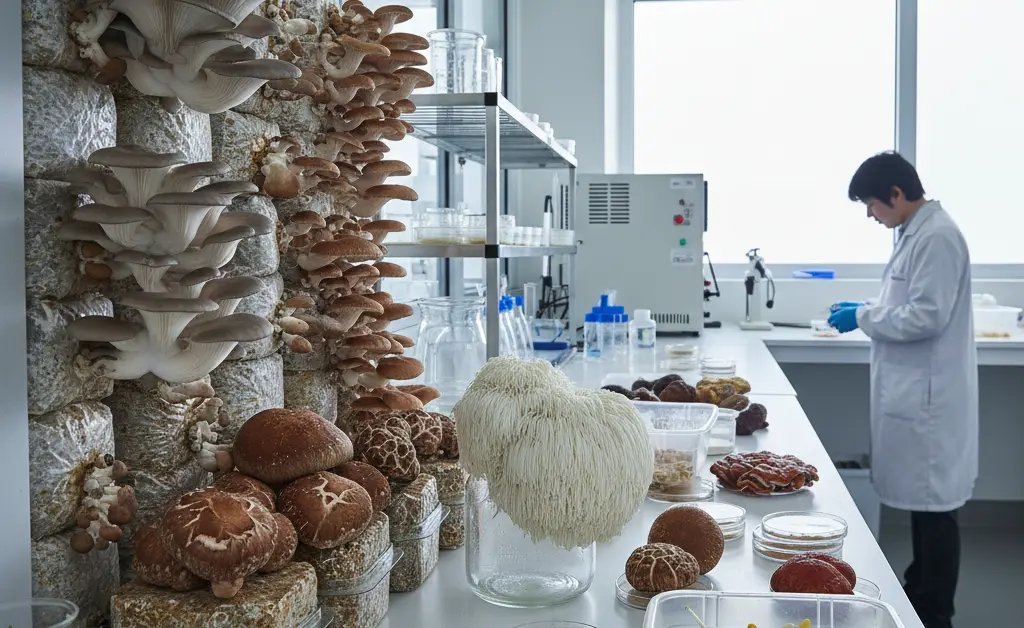
Many people are becoming increasingly interested in the art and science of growing mushrooms, whether for culinary purposes, health benefits, or sustainable agriculture initiatives. This burgeoning interest has led to a surge in educational programs designed to equip aspiring cultivators with the necessary knowledge and skills. Understanding the core components of such training is crucial for anyone looking to delve into this field effectively. This article will meticulously outline what typically constitutes a comprehensive mushroom cultivation syllabus, detailing the foundational principles, practical techniques, and business aspects involved. By exploring these topics, individuals can gain a clear roadmap for mastering the intricacies of mushroom farming.
Mushroom Cultivation Course Syllabus
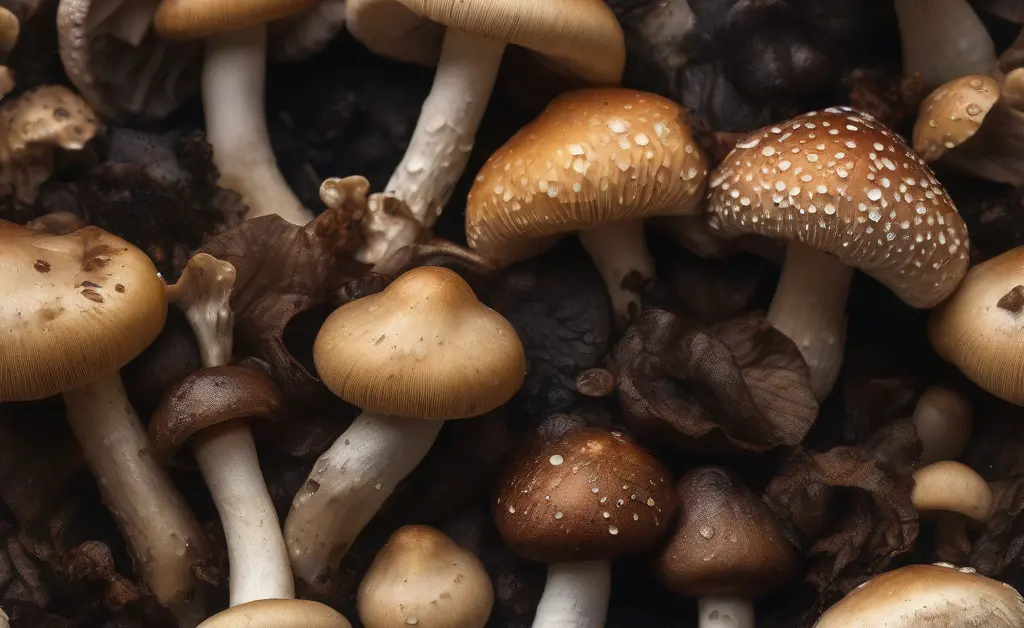
A comprehensive mushroom cultivation syllabus is designed to provide a thorough understanding of mycological principles and practical growing techniques. It covers everything from the biology of fungi to advanced commercial farming methods, ensuring students are well-prepared for various roles in the industry. Such a syllabus often progresses logically, starting with fundamental concepts and building towards more complex applications, making it suitable for both beginners and those seeking to enhance existing knowledge.
Definition and Importance of Mushroom Cultivation
Mushroom cultivation involves the process of growing fungi, typically for food, medicinal purposes, or ecological applications. It is an intricate blend of art and science, demanding precise environmental control and a deep understanding of fungal biology. The importance of mushroom cultivation spans several domains, including providing sustainable food sources, offering valuable nutraceutical compounds, contributing to waste decomposition, and creating economic opportunities through commercial farming. It addresses growing global demand for diverse food options and natural health products.
Mushroom Culture and Technology I
This foundational module introduces students to the basic principles of mycology, focusing on the biology and life cycles of fungi relevant to cultivation. Topics typically include fungal anatomy, spore germination, mycelial growth, and the conditions necessary for successful colonization. It delves into sterile culture techniques, preparing students for laboratory work and the production of clean spawn. Understanding these initial steps is critical for any successful mushroom cultivation project endeavor, laying the groundwork for all subsequent stages.
Cultivation of Edible Mushrooms
This section of a typical mushroom cultivation syllabus focuses on the practical aspects of growing popular edible species. It covers the specific requirements and methodologies for common gourmet and medicinal mushrooms. Emphasis is placed on developing hands-on skills for substrate preparation, spawning, incubation, fruiting, and harvesting. The goal is to equip cultivators with the knowledge to consistently produce high-quality edible mushrooms for various markets.
Types of Mushrooms Suitable for Cultivation
Numerous mushroom species are suitable for cultivation, each with unique growing requirements and characteristics. Popular choices often include Oyster mushrooms (Pleurotus spp.), Shiitake (Lentinula edodes), Reishi (Ganoderma lucidum), and Lion’s Mane (Hericium erinaceus). The selection depends on factors such as market demand, growing environment, required infrastructure, and cultivation difficulty. This part of the syllabus typically explores the biological profiles and ideal conditions for a diverse range of cultivable species.
Choosing the Right Growing Medium
The growing medium, or substrate, provides the necessary nutrients and structure for mycelial growth and subsequent mushroom formation. Selecting the appropriate substrate is paramount to successful cultivation. Common options include straw, wood chips, sawdust, agricultural waste products like coffee grounds, and various grains. The choice depends on the mushroom species being cultivated, availability of materials, and desired scale of operation. Considerations include nutritional content, pH, water holding capacity, and resistance to contamination.
Methods of Substrate Sterilization (Autoclaving, Pasteurization)
Substrate preparation involves treating the growing medium to eliminate competing microorganisms, creating a sterile or pasteurized environment for the mushroom mycelium. Autoclaving utilizes high-pressure steam to achieve complete sterilization, suitable for nutrient-rich substrates. Pasteurization, often achieved with hot water or steam at lower temperatures, reduces microbial loads rather than eradicating them completely, which is effective for less nutritious substrates. Each method has specific applications and protocols crucial for preventing contamination.
Nutrient Supplementation for Substrates
While many substrates provide baseline nutrition, supplementing them can significantly enhance yield and growth rates. Common supplements include bran (wheat, oat, rice), soy hulls, and various mineral additives. These supplements provide additional nitrogen, carbon, and trace elements that the mushroom mycelium requires for robust development. Careful consideration is given to the type and amount of supplementation, as excessive nutrients can sometimes increase the risk of contamination.
Types of Mushroom Spawn
Mushroom spawn is the material inoculated with mushroom mycelium, serving as the “seed” for cultivation. It is typically grain, sawdust, or plugs that have been colonized by the chosen mushroom fungus. Spawn provides a viable and vigorous inoculum to initiate growth in a larger substrate. Understanding the different forms and their applications is a key component of effective cultivation.
Grain Spawn vs. Sawdust Spawn
Grain spawn, often made from rye, millet, or wheat, is highly nutritious and allows for rapid mycelial expansion, making it ideal for inoculating bulk substrates. Its fine, granular nature also allows for easy distribution. Sawdust spawn, usually hardwood sawdust colonized by mycelium, is more durable and often used for inoculating logs or outdoor beds. It provides a slower, more sustained colonization. The choice between grain and sawdust spawn depends on the specific cultivation method and mushroom species.
Methods of Inoculation
Inoculation is the process of introducing mushroom spawn into the prepared growing substrate. Various methods exist, including mixing spawn directly into bulk substrates, layering spawn, or using specific tools like inoculation guns for precision. Sterile technique is paramount during inoculation to prevent contamination. The method chosen often depends on the type of spawn, the substrate, and the scale of the operation.
Incubation and Mycelial Run
After inoculation, the substrate enters the incubation phase, also known as the mycelial run. During this stage, students often conduct an mushroom cultivation experiment to observe mycelial growth. This period requires specific environmental conditions, primarily stable temperature and darkness, to encourage strong and even mycelial growth. Optimal incubation ensures a healthy, vigorous foundation for fruiting.
Temperature Requirements for Different Stages
Temperature is a critical environmental factor influencing every stage of mushroom development. Mycelial colonization often requires warmer temperatures, while fruiting (mushroom formation) typically benefits from cooler temperatures, which can act as a shock to initiate pinhead formation. Each mushroom species has a specific temperature range for optimal growth during incubation, pinning, and fruiting, which must be carefully maintained for successful yields.
Humidity and Ventilation Needs
Maintaining appropriate humidity levels is essential, especially during the fruiting phase, to prevent mushrooms from drying out and to encourage healthy cap and stem development. High humidity is often crucial for pinning and early growth. Ventilation ensures a steady supply of fresh air, removing spent carbon dioxide and supplying vital oxygen, which is particularly important for air exchange during the fruiting stage to prevent malformations and promote robust growth.
Light Requirements
While mycelial growth usually occurs in darkness, light plays an important role in the fruiting stage for many mushroom species. It acts as an environmental trigger, signaling the mycelium to form primordia (pinheads) and helping guide the orientation and development of the mushroom caps. Indirect light, rather than direct sunlight, is typically preferred, and the intensity and duration are species-dependent.
pH Level Management
The pH level of the growing substrate significantly impacts mycelial growth and nutrient absorption. Most cultivated mushrooms thrive in slightly acidic to neutral pH ranges. Monitoring and adjusting the substrate pH, often during the preparation stage, helps create an optimal environment that supports the mushroom mycelium while inhibiting the growth of many common contaminants. Proper pH management is a nuanced but important aspect of a comprehensive mushroom cultivation syllabus.
Determining Optimal Harvest Time
Knowing when to harvest mushrooms is crucial for maximizing yield, quality, and shelf life. Indicators include the size of the cap, the opening of the veil (for gilled mushrooms), and the general appearance of the fruiting body. Harvesting at the right time ensures the mushrooms have developed full flavor and texture but have not yet begun to degrade or release excessive spores, which can reduce quality and shelf life.
Harvesting Techniques
Proper harvesting techniques minimize damage to the developing mushroom cluster and the underlying mycelium, promoting subsequent flushes. Techniques often involve gently twisting and pulling, or cutting the mushrooms at the base of the stem, ensuring minimal disturbance to the substrate. Different species may require slightly varied approaches to ensure a clean harvest and healthy regrowth.
Cleaning and Packaging
After harvesting, mushrooms often require gentle cleaning to remove any substrate debris. Dry brushing or lightly wiping with a damp cloth is preferred over washing, which can accelerate spoilage. Packaging methods aim to preserve freshness and prevent bruising. This often involves breathable containers, paper bags, or specialized mushroom bags that allow for some air exchange while maintaining humidity, thereby extending the product’s shelf life.
Storage and Shelf Life
Effective storage is vital for maintaining mushroom quality and extending their shelf life. Generally, mushrooms are best stored in a cool, dark, and slightly humid environment, such as a refrigerator. Proper packaging plays a key role, allowing them to breathe while preventing excessive moisture loss. The typical shelf life varies by species and storage conditions, often ranging from several days to over a week when handled correctly.
Identification and Control of Pests
Pests can pose significant challenges in mushroom cultivation, leading to reduced yields or crop loss. Common pests include fungus gnats, mites, and slugs. Identifying these pests early is crucial for effective management. Control strategies range from environmental adjustments, such as improved sanitation and airflow, to biological controls or, in some cases, judicious use of appropriate pest management tools.
Recognition and Management of Fungal and Bacterial Diseases
Mushrooms are susceptible to various diseases caused by other fungi, bacteria, and viruses. Diseases can manifest as discoloration, abnormal growth, or complete crop failure. Common examples include green mold (Trichoderma), bacterial blotch, and various competitor fungi. Recognizing the symptoms of these diseases promptly is critical. Management often involves strict hygiene, environmental control, and sometimes the isolation or removal of affected crops to prevent spread. Further research into these diseases can be found through resources like the National Library of Medicine.
Integrated Pest Management (IPM) Strategies
Integrated Pest Management (IPM) is a holistic approach to pest and disease control that minimizes reliance on chemical interventions. It combines various strategies, including preventative measures (e.g., sanitation, sterile techniques), biological controls (e.g., beneficial insects), cultural practices (e.g., optimizing environmental conditions), and physical controls (e.g., traps, barriers). An IPM framework is often detailed within a comprehensive mushroom cultivation syllabus, promoting sustainable and environmentally responsible farming practices.
Small-Scale vs. Large-Scale Operations
Mushroom cultivation can be adapted to various scales, from small home-based setups to extensive commercial enterprises. Small-scale operations often utilize simpler techniques and less specialized equipment, focusing on local markets or personal consumption. Large-scale operations, conversely, require significant investment in infrastructure, automation, and labor, prioritizing efficiency and high yields for broader distribution. Understanding the differences is vital for planning and scaling a mushroom farm.
Tunnel Systems
Tunnel systems represent a modern approach to large-scale mushroom cultivation, particularly for species like Agaricus (button, cremini, portobello). These systems consist of long, insulated tunnels equipped with sophisticated environmental controls for temperature, humidity, and CO2. Substrates are loaded into the tunnels, and conditions are precisely managed throughout the entire growth cycle, from composting and pasteurization to spawning and fruiting. This method allows for highly controlled and efficient production.
Tray Systems
Tray systems are another common commercial cultivation method, particularly effective for species grown on composted substrates. Mushrooms are grown in large, shallow trays that can be stacked or moved within climate-controlled rooms. This system allows for efficient use of space and facilitates various stages of the growth cycle, including spawning, casing, and fruiting, in a managed environment. Tray systems are valued for their scalability and ease of handling.
Bag Cultivation Methods
Bag cultivation is a popular and versatile method, widely used for growing many types of gourmet and medicinal mushrooms on sterilized substrates. Substrate is packed into specialized plastic bags, sterilized, inoculated with spawn, and then incubated. Once colonized, holes are cut in the bags, and mushrooms fruit directly from these openings. This method is adaptable for both small-scale and commercial operations due to its relative simplicity and high yields.
Cost Analysis of Mushroom Farming
A thorough cost analysis is an essential component of any business plan for mushroom farming. It involves evaluating all expenses, including substrate materials, spawn, labor, utilities, equipment, and marketing. Understanding these costs is critical for determining profitability, setting pricing, and securing funding. This analysis helps cultivators make informed decisions about scaling operations and managing financial resources effectively, and is a key topic in a commercial mushroom cultivation syllabus.
Market Demand and Pricing
Understanding market demand and pricing strategies is crucial for the commercial success of a mushroom farm. Researching local, regional, and national markets helps identify popular species, competitive pricing, and potential customer bases. Factors influencing demand include culinary trends, health consciousness, and seasonal availability. Effective pricing considers production costs, market value, and perceived consumer value to ensure both profitability and competitiveness.
Marketing Channels and Strategies
Developing robust marketing channels and strategies is vital for reaching target customers and selling mushroom products. Channels can include direct-to-consumer sales at farmers’ markets, online stores, community-supported agriculture (CSA) programs, or wholesale distribution to restaurants, grocery stores, and food service providers. Strategies often involve branding, building relationships with buyers, utilizing social media, and educating consumers about the unique benefits of various mushroom species. A comprehensive mushroom cultivation syllabus often includes practical guidance on these business aspects, helping individuals prepare a detailed mushroom cultivation MCQ to test their knowledge.
The journey through a comprehensive mushroom cultivation syllabus prepares aspiring mycologists and entrepreneurs with a deep understanding of both the biological intricacies and the practical applications required to succeed. From mastering sterile techniques and environmental controls to navigating the complexities of commercial markets, the knowledge gained forms a robust foundation. Whether for hobbyist pursuits or large-scale ventures, such a structured learning path ensures cultivators can approach mushroom farming with confidence and expertise, contributing to sustainable food systems and innovative health solutions.
The information in this article is intended for knowledge purposes only. It is not a substitute for professional advice, diagnosis, or treatment. Always consult with qualified experts for specific guidance related to any health or agricultural practices discussed. Readers should use this information responsibly and verify details with relevant professionals before undertaking any cultivation projects or making health-related decisions.
FAQ
What are the key topics covered in a mushroom cultivation syllabus?
A comprehensive mushroom cultivation syllabus typically explores the fungal life cycle, various cultivation methods, and the specific needs of different mushroom species. It often covers crucial aspects like substrate preparation, sterile techniques, environmental control for fruiting, and post-harvest handling.
What is taught in a mushroom cultivation course?
Participants in a mushroom cultivation course learn about the biology of fungi, delve into practical techniques for preparing growth media, and gain insight into managing temperature, humidity, and air exchange for optimal yields. The curriculum also typically addresses common contamination issues and their prevention, equipping students with troubleshooting skills.
How do you prepare a syllabus for mushroom cultivation?
Developing a mushroom cultivation syllabus involves outlining core biological principles, progressing to hands-on techniques such as inoculation and environmental management, and then covering harvest and post-harvest considerations. A well-designed syllabus often structures content from foundational knowledge to practical application, ensuring a logical learning path for aspiring cultivators.
What are the learning outcomes of a mushroom cultivation syllabus?
Upon completing a mushroom cultivation program, learners are generally expected to comprehend fungal biology, execute various cultivation techniques proficiently, and identify and prevent common problems like contamination. They should also be capable of adapting methods to suit different mushroom species and environmental conditions, fostering self-sufficiency.