
A Grower’s Guide to Mushroom Cultivation Temperatures
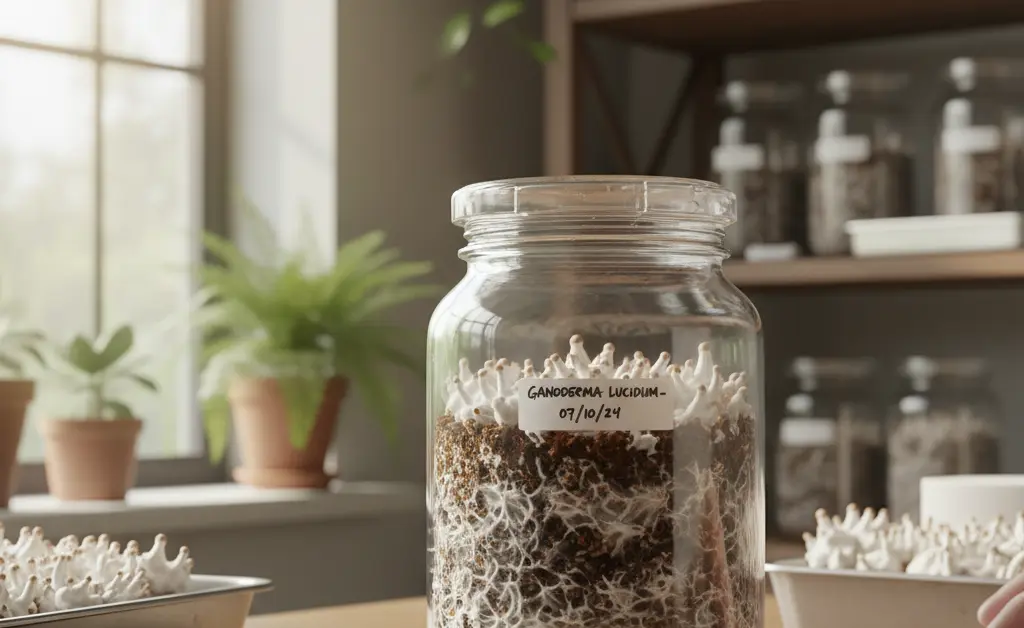
Just as a gardener carefully monitors sunlight and soil moisture for optimal plant growth, successful mushroom cultivation hinges on the precise management of environmental conditions, especially temperature. The ideal mushroom cultivation temperature varies significantly depending on the specific stage of development and the species being grown, playing a pivotal role in every aspect from mycelial colonization to the final fruiting body production. Overlooking these temperature requirements can lead to delayed growth, susceptibility to contaminants, or a diminished harvest. This comprehensive guide delves into the specific temperature ranges necessary for various stages of mushroom development, empowering growers with the knowledge to create an ideal environment. By understanding and implementing these crucial thermal controls, cultivators can significantly enhance their chances of achieving abundant and healthy yields.
Understanding the Impact of Temperature on Mushroom Growth
The overall success of mushroom cultivation temperature management is critical, as temperature profoundly influences every stage of a mushroom’s life cycle. From the initial microscopic spores to the fully developed fruiting body, the surrounding thermal environment dictates the speed and health of development. How temperature affects mycelium growth is a primary concern; mycelium, the vegetative body of the fungus, thrives within specific thermal windows. Deviation from these ideal conditions can slow growth dramatically, making the substrate vulnerable to competing organisms. The role of temperature in fruiting bodies is equally vital, often acting as a trigger for initiation and dictating the quality and quantity of the harvest. Consequences of incorrect temperatures can range from complete crop failure to stunted growth, malformed mushrooms, or an increased risk of contamination, underscoring the delicate balance required for successful cultivation. This requires careful consideration of the mushroom cultivation environment.
Ideal Temperatures for Colonization (Mycelium Run)
Mycelial colonization, often referred to as the mycelium run, is the foundational stage where the fungal network spreads throughout its substrate. During this period, the mycelium is actively consuming nutrients and building its structure. Maintaining an optimal temperature range during colonization is paramount for rapid and robust growth. Temperatures that are too low can significantly slow down the mycelial expansion, prolonging the colonization period and increasing the window for contamination. Conversely, excessively high temperatures can stress the mycelium, potentially killing it or encouraging the growth of heat-tolerant bacterial contaminants. A consistent and stable environment within the ideal range promotes vigorous mycelial growth, leading to a strong, healthy foundation for subsequent stages.
Ideal Temperatures for Fruiting Initiation
Fruiting initiation is a critical transition from vegetative growth to reproductive development, where the mycelium begins to form primordia, or “pins,” which will eventually develop into mushrooms. For many mushroom species, a slight drop in temperature, often in conjunction with increased humidity and fresh air exchange, acts as a primary trigger for this process. This thermal shock mimics natural seasonal changes, signaling to the mycelium that conditions are favorable for producing fruiting bodies. Maintaining the ideal temperature for fruiting initiation can encourage uniform pinning and a more bountiful first flush. If temperatures remain too high or too stable, the mycelium may continue to grow vegetatively, delaying or even preventing the formation of mushrooms.
Optimal Temperature Ranges for Mushroom Cultivation
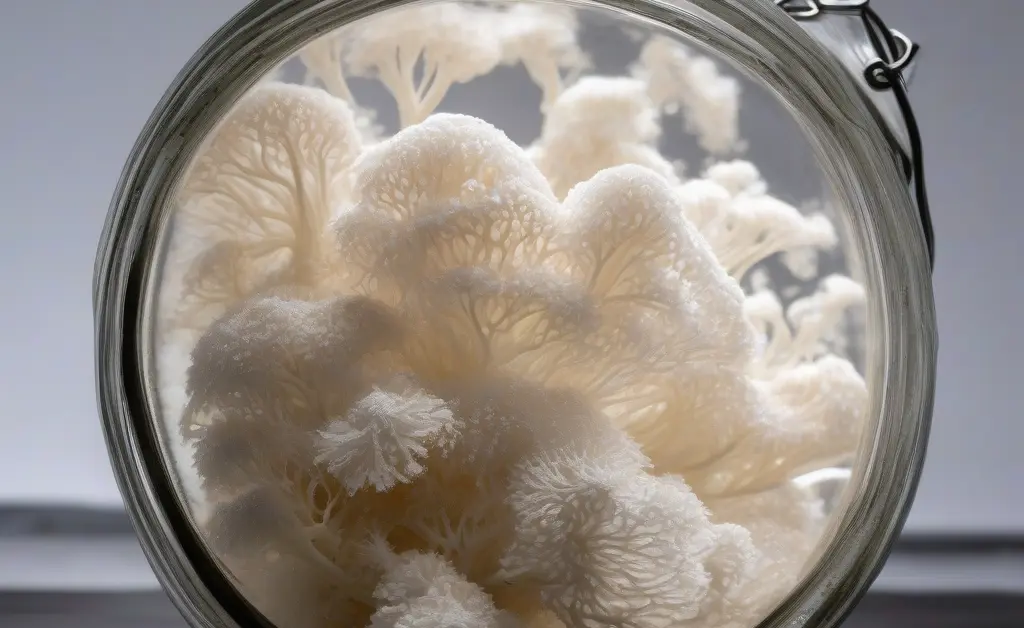
Achieving successful mushroom cultivation relies heavily on understanding and implementing optimal temperature ranges throughout the entire growth cycle. While the precise figures vary by species, there are general principles that guide effective temperature management. Growers often differentiate between colonization temperatures, which tend to be slightly warmer to encourage rapid mycelial spread, and fruiting temperatures, which are typically cooler to stimulate mushroom formation. Temperature fluctuations and their effects can be detrimental, as sudden or extreme shifts can stress the fungal organism, leading to stalled growth, susceptibility to disease, or malformed fruits. Therefore, maintaining a stable environment within the specified optimal ranges, often using tools like incubators and grow tents, is key to maximizing yields and ensuring healthy development. Consistent monitoring and adjustments are essential to prevent any adverse impacts on the crop. Advanced growers may look into mushroom cultivation technology to manage these factors.
Species-Specific Temperature Requirements
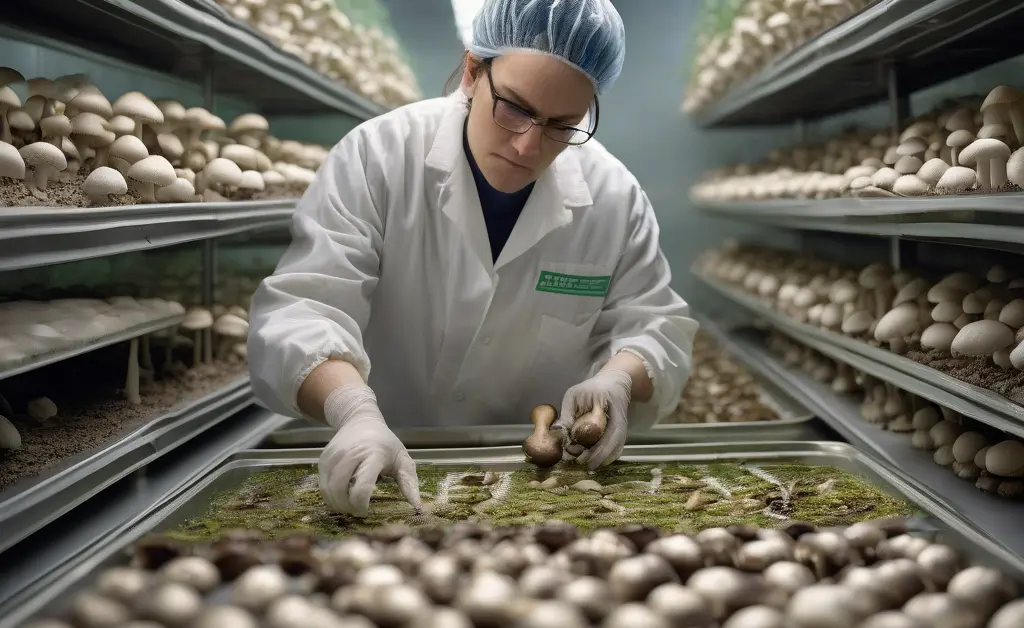
One of the most important aspects of mastering mushroom cultivation temperature control is recognizing that each mushroom species possesses its own unique thermal preferences. There is no one-size-fits-all temperature for growing all types of mushrooms; what works for one species might be entirely unsuitable for another. For example, common edible mushroom temperature needs often vary significantly, with some varieties preferring cooler conditions throughout their growth cycle, while others thrive in more moderate or even warmer environments. These distinctions apply across the entire fungal kingdom, encompassing diverse species each with their own biological requirements. Understanding these individual needs is crucial for creating the most conducive environment. Cultivators must research the specific requirements of their chosen species for both colonization and fruiting stages, adjusting their environment accordingly to promote optimal growth and a successful harvest. Ignoring these species-specific guidelines can lead to poor yields or complete crop failure. Many growers utilize specialized setups like a mushroom cultivation room to precisely control these parameters. Those looking to automate their operations might explore mushroom cultivation using IoT solutions.
The intricate dance of temperature control is arguably one of the most significant factors in successful mushroom cultivation. By meticulously managing the thermal environment from mycelial colonization through to fruiting, growers can significantly influence the health, yield, and quality of their harvest. Understanding the unique needs of each mushroom species and maintaining consistent, appropriate temperatures throughout their development journey is not just a recommendation—it is a cornerstone of effective mycoculture. Continuous monitoring and thoughtful adjustment of the mushroom cultivation temperature will undoubtedly lead to a more rewarding and productive growing experience. For regulatory information regarding food safety, growers should consult resources such as the FDA.
The content presented here is not a substitute for professional medical guidance. It is provided for informational purposes only and should not be used to diagnose, treat, cure, or prevent any disease or health condition. Always consult with a qualified healthcare professional before making any decisions about your health or well-being. Individual results may vary, and scientific understanding of biological processes is continually evolving.
FAQ
What is the ideal temperature for mushroom mycelium growth?
Mycelium, the vegetative body of a mushroom, typically thrives within a moderate temperature range, often slightly warmer than what’s ideal for fruiting. This specific thermal environment is crucial as it supports rapid colonization of the substrate, enabling the mycelium to establish a strong network before external conditions trigger mushroom formation. Different species have their own unique optimal ranges, but generally, consistent warmth promotes vigorous growth.
What is the best temperature for mushroom fruiting?
The optimal temperature for mushroom fruiting bodies to develop often differs from mycelial growth, commonly involving a cooler environment to signal the transition from vegetative expansion to reproductive growth. This environmental shift, alongside other factors like humidity and fresh air exchange, encourages the mycelium to form primordia and subsequently mature into full mushrooms. Specific temperature requirements are highly dependent on the mushroom species being cultivated.
What temperature is too cold for growing mushrooms?
Temperatures that are too cold generally do not kill mushroom mycelium but rather slow down or completely halt its metabolic activity and growth, essentially putting it into a dormant state. For many cultivated species, temperatures consistently below 50°F (10°C) can inhibit colonization and prevent fruiting, though certain cold-loving varieties naturally thrive in lower temperatures. Understanding the specific cold tolerance of a mushroom species is key to successful cultivation.
How can I control the temperature for mushroom cultivation?
Controlling the mushroom cultivation temperature effectively involves several environmental management strategies, depending on the scale and sophistication of the setup. Techniques range from utilizing climate-controlled rooms with heaters, air conditioners, or evaporative coolers, to simpler methods like adjusting ventilation or locating grows in naturally stable environments. Maintaining a consistent and appropriate temperature range is a foundational element for both mycelial development and successful fruiting.