
Transforming Agricultural Waste Into Edible Mushrooms
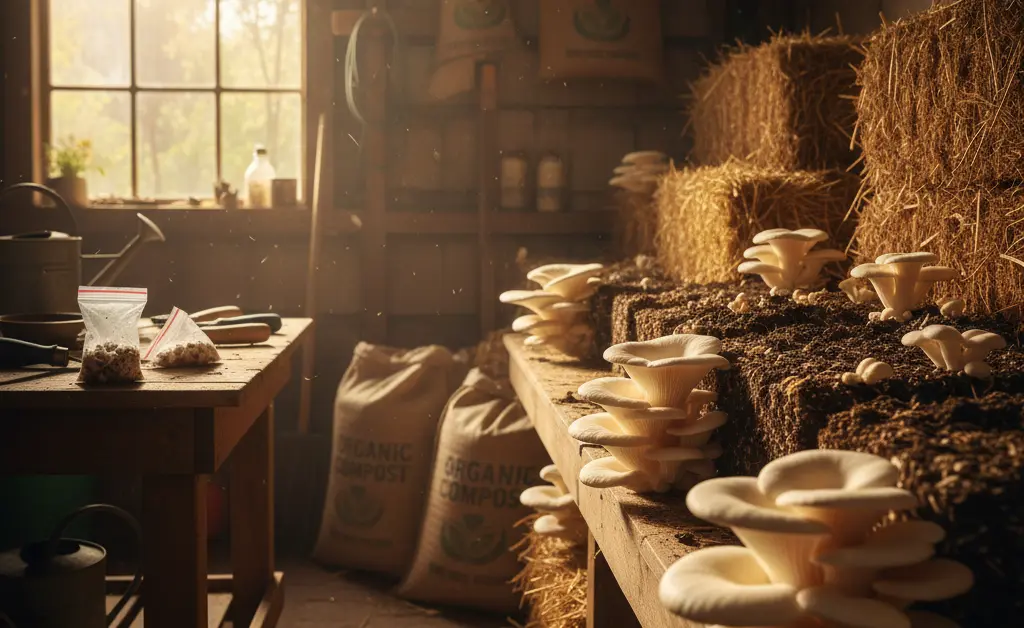
Imagine a farmer surveying their fields after harvest, confronting piles of straw, corn stalks, or coffee husks that accumulate, often destined for open burning or landfill. This familiar challenge in rural landscapes represents not just an environmental concern, but also a significant missed economic opportunity. These agricultural by-products, typically viewed as burdensome waste, possess immense untapped potential for creating valuable resources. Instead of costly and environmentally detrimental disposal methods, innovative and sustainable solutions are emerging. This article explores how mushroom cultivation using agricultural waste transforms these readily available, organic residues into nutritious food sources, offering a pathway toward enhanced sustainability and circular economy principles within agriculture.
Introduction to Mushroom Cultivation Using Agricultural Waste
Mushroom cultivation, also known as fungiculture, is the process of growing mushrooms. Traditionally, this has often involved specific substrates or composting methods. However, a significant shift in modern agricultural practices involves leveraging the vast amounts of organic material left over from crop harvests. This innovative approach to mushroom cultivation using agricultural waste represents a powerful strategy for waste valorization and enhanced sustainability. It transforms what would otherwise be a disposal problem into a resource-generating activity. The scope of this practice extends from small-scale home growers seeking to utilize local organic matter to large commercial operations aiming to minimize environmental impact and maximize resource efficiency. Many different mushroom cultivation methods can be adapted for this purpose.
Types of Agricultural Waste Suitable for Mushroom Cultivation
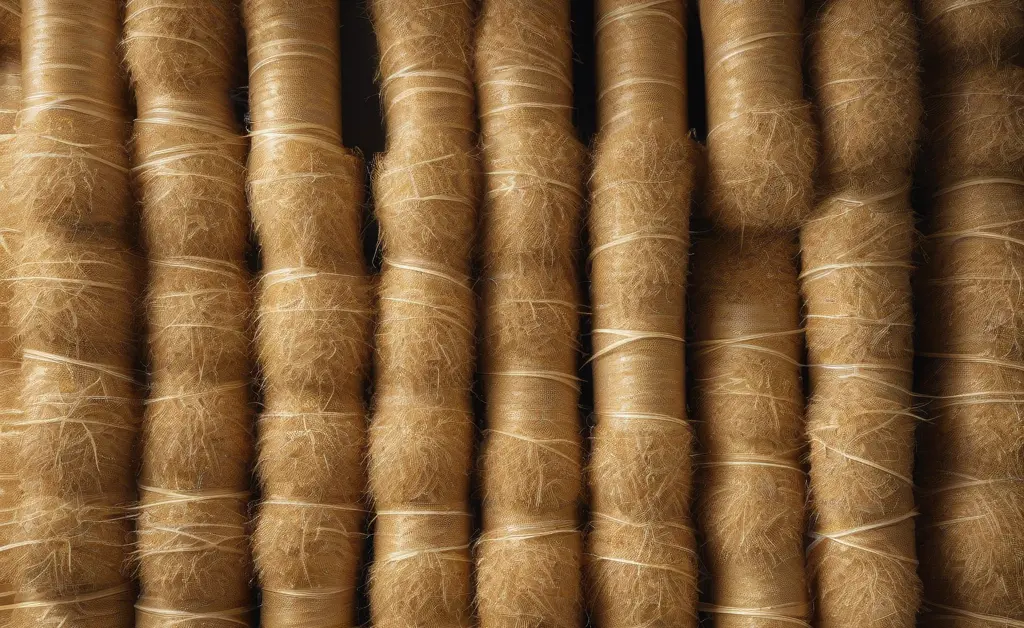
A wide variety of agricultural wastes can serve as excellent substrates for mushroom growth, providing the necessary nutrients and structure for mycelial development. The selection often depends on availability, cost, and the specific mushroom species being cultivated.
Straw-based Wastes (Wheat, Paddy)
Straw, particularly from wheat and paddy (rice), is one of the most common and effective substrates for mushroom cultivation. Its high cellulose and hemicellulose content provides ample nutrition for many mushroom species. These materials are abundant, relatively inexpensive, and easy to handle. Proper preparation, including chopping and pasteurization, is essential to make them suitable for mushroom growing. Learn more about mushroom cultivation with straw.
Sawdust and Wood Residues
Sawdust and other wood residues, such as wood chips and shavings, are excellent for cultivating wood-loving mushroom species, especially those that naturally grow on logs. These by-products, often sourced from timber mills and woodworking industries, provide a slow-releasing nutrient base that supports vigorous mycelial growth. Hardwood sawdust is generally preferred over softwood due to its higher density and nutrient profile. Discover the details of mushroom cultivation with sawdust.
Coffee Grounds and Tea Leaves
Spent coffee grounds and tea leaves are rich in nitrogen and other micronutrients, making them highly attractive as mushroom substrates. Their fine particle size and pre-sterilized nature (from the brewing process) can make them relatively easy to incorporate into cultivation mixes. While they can be used alone, they are often combined with other bulkier materials like straw or sawdust to improve aeration and structure.
Other Organic By-products (Banana Leaves, Corn Cobs)
Beyond the more common substrates, numerous other organic by-products can be repurposed for mushroom cultivation. Banana leaves, corn cobs, cotton waste, and even sugarcane bagasse are examples of materials rich in lignocellulosic compounds. Their utilization reduces reliance on dedicated cultivation materials, further enhancing the circular economy aspect of sustainable mushroom farming. Experimentation and proper substrate preparation are key to successfully integrating these diverse materials. Understanding the right mushroom growing medium is crucial for success.
Mushroom Species Best Suited for Agricultural Waste Substrates
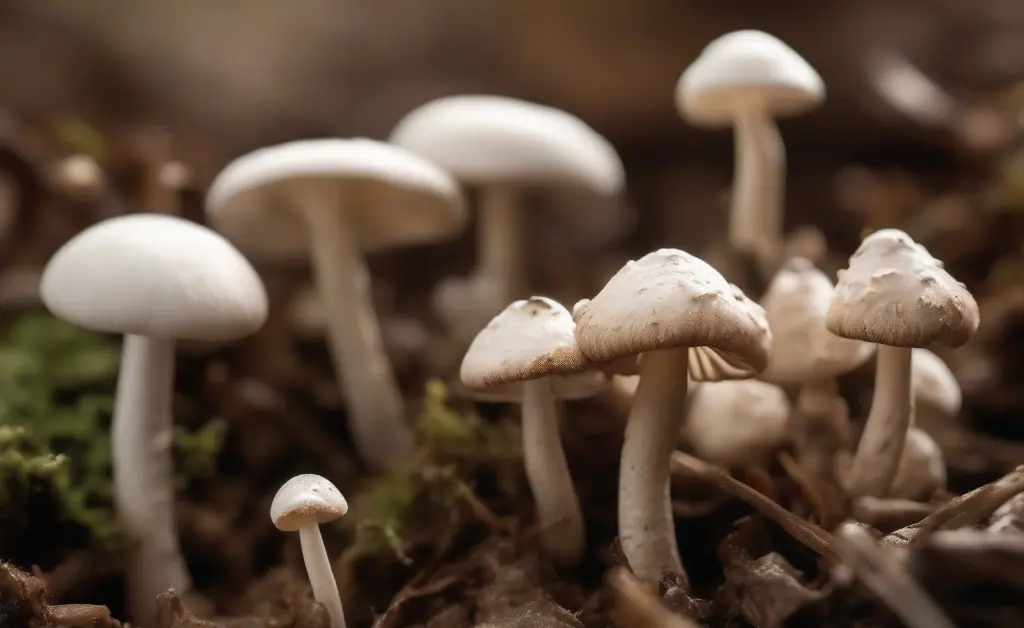
Not all mushroom species are equally adept at growing on diverse agricultural waste. Certain species have a natural affinity for lignocellulosic materials, making them ideal candidates for this sustainable cultivation method.
Oyster Mushrooms (Pleurotus spp.)
Oyster mushrooms are arguably the most popular and easiest species for mushroom cultivation using agricultural waste. They are highly versatile and can thrive on a wide range of substrates, including straw, coffee grounds, sawdust, and even cotton waste. Their aggressive mycelial growth colonizes substrates quickly, and they have a relatively short fruiting cycle, making them an economically attractive option for waste valorization.
Button Mushrooms (Agaricus bisporus)
Common button mushrooms, including cremini and portobello varieties, are also extensively cultivated using agricultural by-products, though they typically require a more complex, composted substrate. Their cultivation often involves a multi-stage composting process that utilizes materials like straw, horse manure, and gypsum. This process breaks down complex organic matter into a form suitable for their specific growth requirements. Research into mushroom cultivation practices can provide further insight into PubMed.
Shiitake Mushrooms (Lentinula edodes)
Shiitake mushrooms are traditionally grown on hardwood logs, but modern cultivation increasingly employs sawdust blocks supplemented with agricultural waste products like rice bran or wheat bran. While they require a longer colonization period than oyster mushrooms, their robust flavor and high market value make them a worthwhile crop for those dedicated to mushroom cultivation using agricultural waste as a primary resource.
Mushroom Cultivation Process Using Agricultural Waste
The process of mushroom cultivation using agricultural waste involves several critical steps to ensure successful fungal growth and prevent contamination. It begins with the preparation of the agricultural waste, often referred to as the substrate. This initial phase involves chopping the material to an appropriate size to increase surface area and facilitate subsequent treatments. Next, the substrate undergoes a sterilization or pasteurization process. Pasteurization, typically achieved through hot water baths or steam, reduces the microbial load without eliminating all beneficial microorganisms. Sterilization, using higher heat and pressure, aims to eliminate all competing organisms, creating a cleaner environment for the mushroom mycelium.
After treatment, the substrate is cooled and then inoculated with mushroom spawn—grains colonized by mushroom mycelium. This step, known as inoculation, must be performed in a clean environment to minimize contamination. The inoculated substrate is then placed in bags, bottles, or trays for the spawn run period, during which the mycelium colonizes the entire substrate. Following colonization, the substrate is moved to a fruiting environment where specific conditions of temperature, humidity, and light are maintained to encourage the development of mushroom fruiting bodies. Fruiting and harvesting occur over several flushes, with mature mushrooms being carefully picked. Post-harvest handling involves proper storage and packaging to maintain freshness and quality.
Benefits and Challenges of Using Agricultural Waste
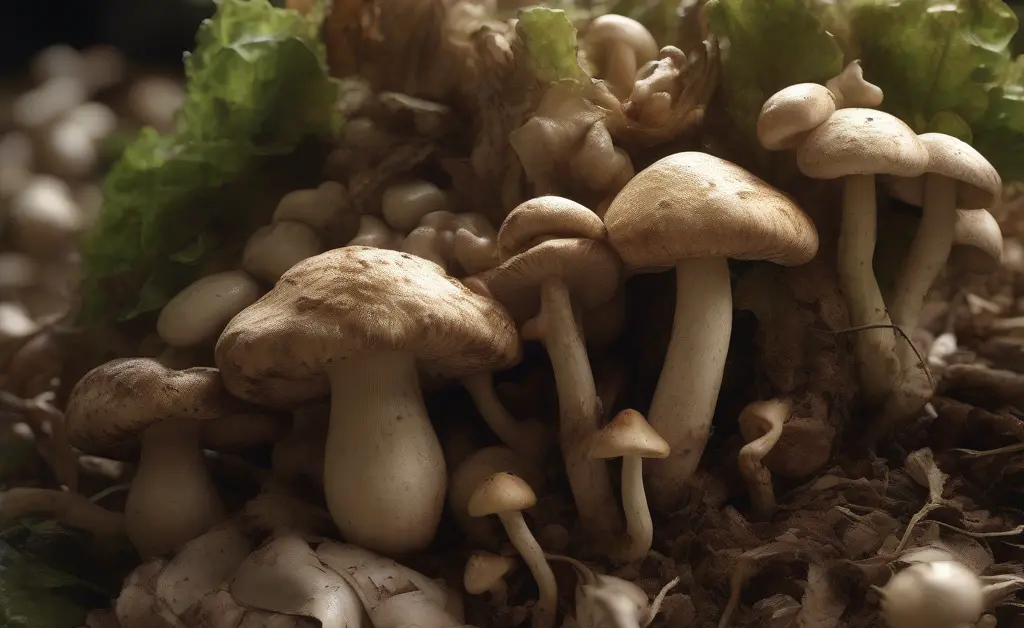
The practice of utilizing agricultural waste for mushroom cultivation offers a compelling array of benefits, alongside some notable challenges that require careful management. Environmentally, it significantly reduces the volume of agricultural by-products that would otherwise be discarded, often through burning or landfilling, thereby lessening air pollution and methane emissions. Economically, it transforms a low-value waste product into a valuable food crop, creating new income streams for farmers and rural communities. This approach embodies circular economy principles, demonstrating how resources can be continually reused within an agricultural system. Furthermore, the spent mushroom substrate, once cultivation is complete, can be repurposed as a rich organic fertilizer, further enhancing soil fertility and completing the nutrient cycle. This continuous cycle highlights the profound impact of mushroom cultivation using agricultural waste on sustainable resource management.
Sustainable agricultural waste management through oyster mushrooms
Oyster mushrooms are particularly effective in sustainable agricultural waste management due to their vigorous growth and ability to thrive on a diverse range of lignocellulosic materials. Their rapid colonization of substrates like straw, corn stalks, and coffee grounds makes them an excellent choice for efficient waste conversion. The cultivation of oyster mushrooms not only produces edible fungi but also breaks down complex organic matter, leaving behind a nutrient-rich spent substrate. This spent substrate can then be composted or directly applied to fields, improving soil structure and fertility. This integrated approach not only reduces environmental pollution from agricultural waste but also enhances farm profitability and promotes a truly circular agricultural system. However, challenges include ensuring consistent substrate quality, managing potential contamination during cultivation, and controlling environmental conditions to optimize yields. Addressing these requires careful planning and appropriate technology.
The transformation of agricultural waste into edible mushrooms represents a powerful paradigm shift in sustainable agriculture. By recognizing the intrinsic value in what is often discarded, farmers and entrepreneurs can tap into new economic opportunities while simultaneously addressing pressing environmental concerns. The ability to convert diverse organic residues into nutritious food not only enhances food security but also champions the principles of a circular economy, where waste is minimized, and resources are continually regenerated. This innovative approach to resource management offers a viable path towards a more sustainable and resilient future for global food systems.
This material is shared for educational insight, not for clinical decision-making. While exploring the benefits of sustainable practices in food production, it is important to remember that such information does not constitute medical advice. Readers interested in diet, nutrition, or health matters should consult with qualified healthcare professionals. This content focuses purely on agricultural and environmental practices, and not on personal health recommendations or treatments.
FAQ
What agricultural waste can be used to grow mushrooms?
A variety of agricultural wastes is commonly utilized, including straw from wheat, rice, and barley, as well as corn cobs, sawdust, coffee grounds, and cotton seed hulls. These diverse materials provide the necessary carbon and nutrients for mushroom growth, offering a sustainable way to repurpose byproducts.
How do you prepare agricultural waste for mushroom cultivation?
Preparing agricultural waste typically involves shredding it into smaller pieces and then pasteurizing or sterilizing it. This heat treatment is crucial because it eliminates competing microorganisms, creating a clean substrate that the mushroom mycelium can colonize without significant competition. Proper preparation ensures a higher success rate for healthy mushroom development.
Which mushrooms grow best on agricultural waste?
Oyster mushrooms (Pleurotus species) are particularly well-suited for growing on various agricultural wastes due to their robust nature and ability to efficiently break down tough cellulose and lignin. Other adaptable species include some types of Shiitake and Reishi, which also thrive on lignocellulosic materials, often with specific supplementation. These varieties are favored for their vigorous growth and ease of cultivation on repurposed substrates.
What is the process of growing mushrooms using straw?
The process for mushroom cultivation using agricultural waste like straw involves first preparing the straw by chopping and then pasteurizing it to reduce contamination. The prepared straw is then inoculated with mushroom spawn, allowing the mycelium to fully colonize the substrate over several weeks. Finally, appropriate environmental conditions, such as humidity and temperature, are introduced to trigger the development of mushroom fruiting bodies.