
A Practical Guide to IoT for Mushroom Cultivation
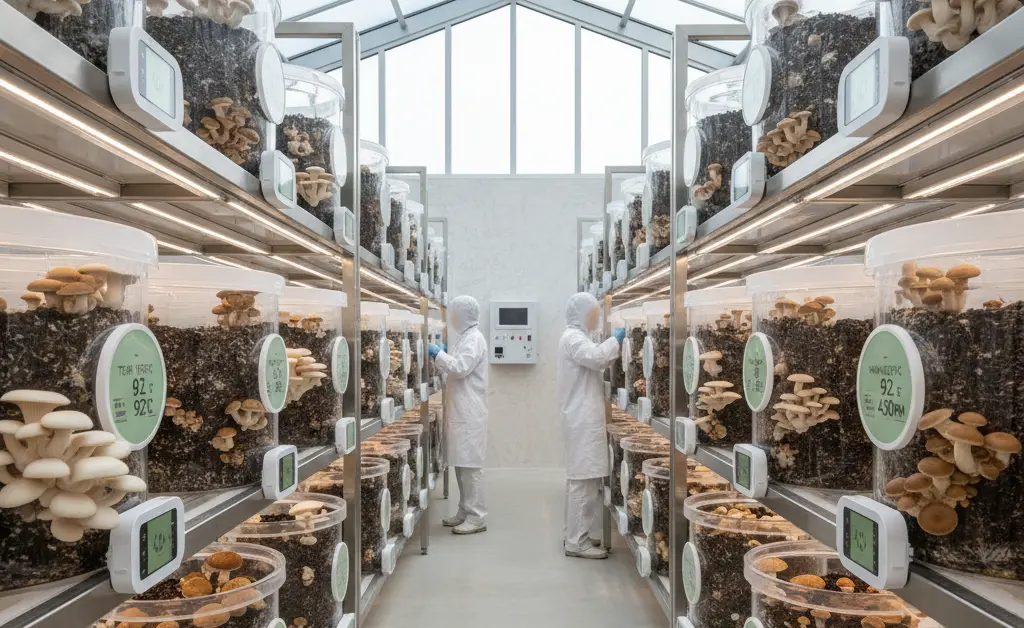
How can modern technology elevate the ancient practice of mushroom cultivation to new levels of efficiency and productivity? The delicate art of growing mushrooms traditionally relies on precise environmental control, a task that can be labor-intensive and prone to inconsistencies. This guide explores the transformative potential of mushroom cultivation using iot, offering a pathway to optimize growing conditions, minimize waste, and enhance crop yields. By integrating smart sensors, automated systems, and data analytics, cultivators can achieve unprecedented control over variables like temperature, humidity, and CO2, leading to more predictable and robust harvests. This article delves into the essential components, benefits, and implementation strategies for leveraging IoT in mushroom farming, providing practical insights for both aspiring and experienced growers seeking to innovate their operations.
Understanding IoT in Mushroom Cultivation
The Internet of Things (IoT) refers to a network of interconnected physical devices embedded with sensors, software, and other technologies that enable them to connect and exchange data with other devices and systems over the internet. In the context of agriculture, and specifically mushroom growing, IoT revolutionizes traditional practices by bringing digital intelligence to the farm floor. It moves beyond manual observation and control, offering a sophisticated framework for environmental management. This integration allows cultivators to gather crucial data from various points within their growing environments, enabling a more informed and responsive approach to managing crops. The adoption of mushroom cultivation using IoT represents a significant leap forward in agricultural technology, promoting efficiency and sustainability.
Specific Applications of IoT in Mushroom Growing
IoT technology offers a myriad of applications tailored for mushroom growing. This includes continuous monitoring of critical parameters such as air temperature, substrate temperature, relative humidity, and carbon dioxide (CO2) levels within cultivation rooms. Sensors can detect subtle changes that might otherwise go unnoticed, alerting growers to potential issues before they escalate. Beyond environmental factors, IoT can also monitor water usage for irrigation, track energy consumption for heating and cooling, and even assess the growth progress of mushroom clusters through imaging. These specific applications help ensure that every stage of the mushroom life cycle receives optimal conditions for development, from mycelial colonization to fruiting. The full mushroom cultivation life cycle can be better managed with these insights.
The Role of Automation in Mushroom Cultivation
Automation works hand-in-hand with IoT to create a truly smart mushroom farm. While IoT sensors gather data, automation systems act upon that data to make necessary adjustments without human intervention. For instance, if CO2 levels exceed a predefined threshold, an automated ventilation system can activate to introduce fresh air. Similarly, if humidity drops, a humidifier can automatically turn on. This seamless integration ensures that environmental conditions remain consistently within optimal ranges, reducing the need for constant manual oversight. Automation in mushroom cultivation not only saves time and labor but also eliminates the potential for human error, contributing to more stable and predictable yields.
Key IoT Components for Mushroom Farms
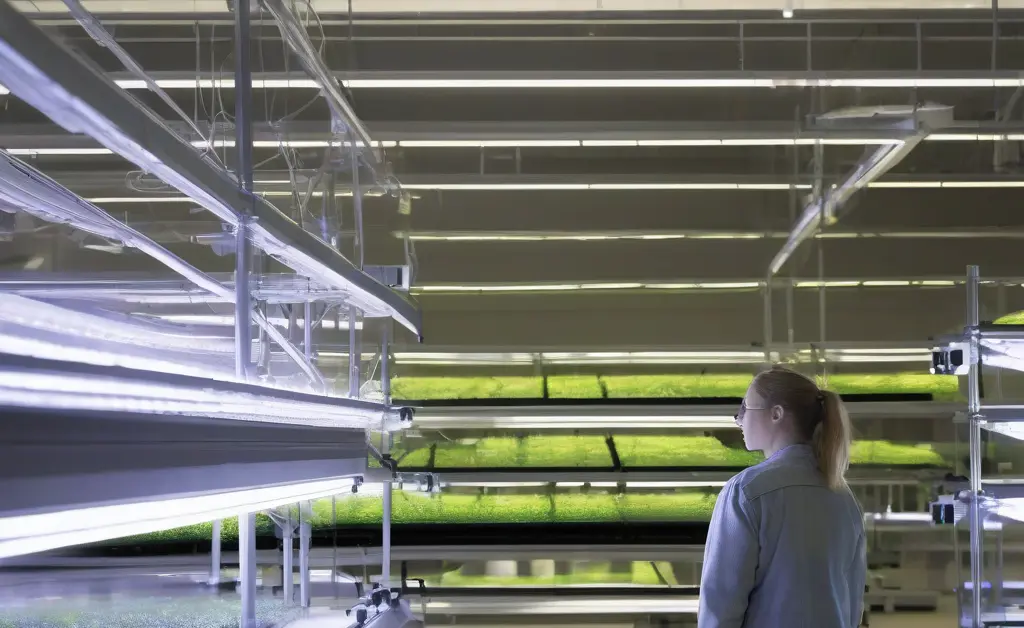
Implementing effective mushroom cultivation using IoT relies on a suite of interconnected components, each playing a vital role in data collection, control, and analysis. These components range from physical sensors and actuators to sophisticated software platforms that process and interpret the gathered information. A well-designed IoT system for a mushroom farm integrates these elements into a cohesive framework, allowing for comprehensive environmental management and operational insights. Understanding these key components is crucial for any grower looking to transition towards an IoT-enabled cultivation model. This relates to the broader field of mushroom cultivation technology.
Sensors for Environmental Monitoring (Temperature, Humidity, CO2, Light)
Sensors are the eyes and ears of an IoT mushroom farm. They are deployed throughout the growing area to measure various environmental parameters continuously. Temperature sensors monitor both air and substrate temperatures, critical for different stages of mushroom growth. Humidity sensors track the moisture content in the air, essential for fruiting body development. CO2 sensors are particularly important for mushroom cultivation, as CO2 levels significantly impact mycelial growth and pinning. Light sensors ensure that any required light cycles or intensities are accurately maintained. These sensors provide real-time data, enabling precise environmental adjustments. Precise mushroom cultivation temperature control is vital.
Actuators for Environmental Control (Ventilation, Humidification, Heating)
Actuators are the muscles of the IoT system, responsible for making physical changes based on sensor data and predefined rules. These devices include smart fans for ventilation to manage CO2 and fresh air exchange, humidifiers or foggers to maintain optimal relative humidity, and heaters or cooling units to regulate temperature. In advanced setups, smart irrigation systems or substrate moistening devices also act as actuators. By responding automatically to sensor inputs, actuators maintain a stable and ideal microclimate for mushroom growth, minimizing fluctuations that could stress the crop.
Connectivity and Data Transmission (Wi-Fi, LoRaWAN, Cellular)
For an IoT system to function, data collected by sensors must be transmitted to a central processing unit or cloud platform. Various connectivity options are available, each with its own advantages. Wi-Fi is common for local area networks within a farm, offering high bandwidth over shorter distances. LoRaWAN (Long Range Wide Area Network) is ideal for transmitting small packets of data over long distances with low power consumption, suitable for larger farm setups. Cellular networks provide connectivity in areas without Wi-Fi, ensuring data transmission even in remote locations. The choice of connectivity depends on the farm’s layout, scale, and existing infrastructure.
Data Analytics and Machine Learning Platforms
Raw sensor data, while valuable, needs to be processed to become actionable intelligence. Data analytics platforms collect, store, and visualize this data, presenting it in easily understandable formats like graphs and dashboards. Machine learning algorithms can then analyze historical and real-time data to identify patterns, predict future conditions, and even recommend optimal environmental settings for specific mushroom varieties. This advanced analysis helps growers make data-driven decisions, refine their cultivation strategies, and proactively address potential issues, moving beyond reactive problem-solving.
Cloud-Based Monitoring and Control Systems
Cloud-based systems provide the central hub for accessing, monitoring, and controlling the entire IoT setup remotely. Growers can log in from anywhere using a smartphone, tablet, or computer to view real-time sensor readings, check system status, and even adjust environmental parameters. These platforms often include alert systems that notify growers of critical events or deviations from desired conditions. Cloud services also offer secure data storage, enabling long-term analysis and continuous improvement of cultivation practices. This remote accessibility enhances convenience and allows for proactive management of the mushroom farm around the clock. Understanding the optimal mushroom cultivation environment is key for these systems.
Benefits of IoT-Enabled Mushroom Cultivation
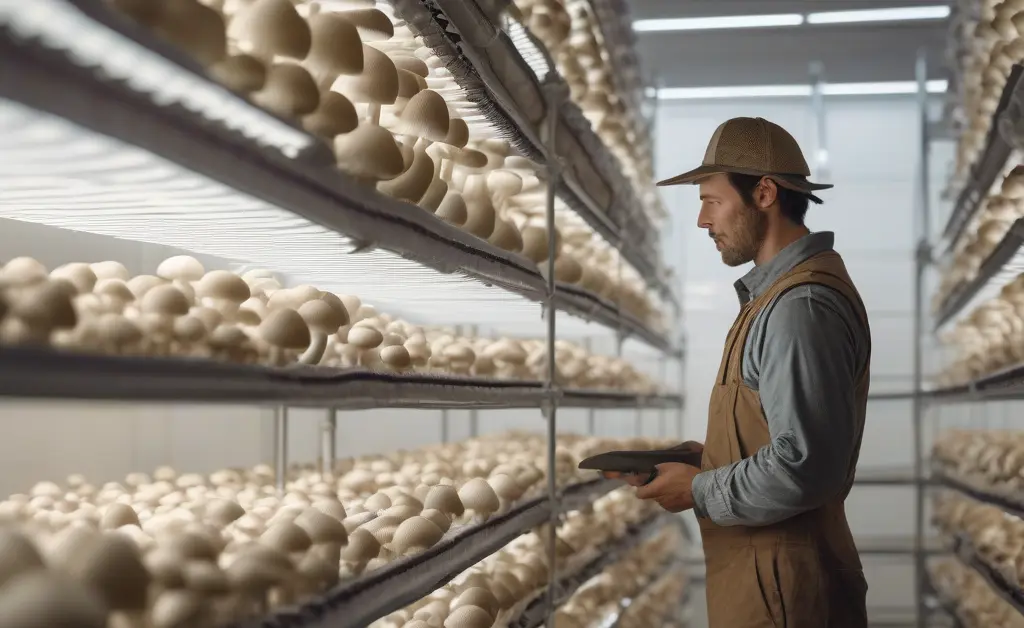
The integration of IoT into mushroom farming yields a multitude of advantages that can significantly enhance productivity, sustainability, and profitability. Moving from traditional, often manual methods to an IoT-enabled system introduces a level of precision and control previously unattainable. This technological shift optimizes various aspects of the cultivation process, demonstrating the profound impact of mushroom cultivation using IoT.
Improved Yield and Quality
By maintaining consistently optimal environmental conditions, IoT systems directly contribute to higher yields and superior mushroom quality. Precise control over temperature, humidity, and CO2 levels at every growth stage minimizes stress on the fungi, promoting healthier mycelial growth and robust fruiting. This leads to larger, more uniform mushrooms, with improved texture, appearance, and shelf life, ultimately increasing market value and consumer satisfaction.
Resource Optimization (Water, Energy)
IoT sensors and automated actuators allow for highly efficient resource management. Water is applied only when and where needed, based on real-time moisture data, reducing waste from over-irrigation. Similarly, heating, cooling, and ventilation systems operate more efficiently, turning on only when necessary to maintain set parameters, leading to substantial energy savings. This optimization not only lowers operational costs but also contributes to more sustainable farming practices.
Reduced Labor Costs and Human Error
Automated monitoring and control significantly reduce the need for constant manual checks and adjustments. Labor can be reallocated to other critical tasks, such as harvesting, packing, or substrate preparation. Furthermore, by relying on precise sensor data and automated responses, the potential for human error in environmental management is greatly minimized, leading to more stable and predictable growth cycles.
Real-time Monitoring and Predictive Maintenance
IoT systems provide continuous, real-time data on environmental conditions and equipment performance. This allows growers to monitor their farms remotely and receive immediate alerts if any parameters deviate from the ideal range. Beyond reactive alerts, data analytics can identify trends that indicate potential equipment failures or upcoming environmental challenges, enabling predictive maintenance and proactive adjustments before problems impact the crop.
Enhanced Disease and Pest Management
Precise environmental control, facilitated by IoT, is a key factor in preventing common mushroom diseases and pest infestations. Many pathogens thrive in unstable or suboptimal conditions. By maintaining stable and clean environments, IoT systems create a less hospitable habitat for unwanted organisms. Early detection of unusual environmental shifts or subtle signs of stress can also trigger alerts, allowing growers to intervene quickly and effectively, minimizing the spread of issues.
Implementation Steps for IoT Mushroom Farms
Transitioning to an IoT-enabled mushroom farm involves a series of structured steps, from initial planning to ongoing optimization. Each phase requires careful consideration to ensure the successful integration of technology into existing or new cultivation practices. A thoughtful approach to implementation can maximize the benefits derived from mushroom cultivation using IoT, setting the stage for a more efficient and productive operation.
Selecting Appropriate IoT Hardware and Software
The first critical step is to identify and select the right IoT hardware and software components that align with the specific needs and scale of the mushroom farm. This involves choosing reliable sensors for temperature, humidity, CO2, and light, as well as robust actuators for environmental control. Equally important is the selection of a suitable IoT platform that can collect, analyze, and visualize data, offering intuitive dashboards and alert systems. Compatibility, scalability, ease of use, and cost-effectiveness are key considerations during this selection process.
Installation and Configuration of Devices
Once hardware and software are chosen, the physical installation of sensors and actuators within the mushroom growing areas is next. This requires strategic placement to ensure accurate data collection and effective environmental control. Following installation, each device needs to be configured and calibrated according to manufacturer specifications and the specific requirements of the mushroom variety being cultivated. Network connectivity (Wi-Fi, LoRaWAN, or cellular) must also be established and tested to ensure seamless data transmission.
Data Collection, Analysis, and Interpretation
With the system operational, data collection begins immediately. Continuous streams of data from various sensors are fed into the IoT platform. The next crucial step involves setting up data analysis tools and dashboards to visualize this information. Growers need to learn how to interpret the data effectively, identifying trends, correlations, and deviations from optimal conditions. This interpretation forms the basis for making informed decisions about environmental adjustments and operational improvements. For more detailed information on relevant research, one can consult resources like NCBI.
System Integration and Automation Setup
The final implementation phase involves integrating all components into a cohesive system and setting up automation rules. This means linking sensor data to actuator responses, so that, for example, a drop in humidity automatically triggers the humidifier. Establishing thresholds and conditional logic for various parameters ensures that the environment is self-regulating within desired ranges. Regular testing and fine-tuning of these automation rules are essential to achieve optimal performance and maintain stable growing conditions.
Challenges and Future of IoT in Mushroom Farming

While the prospects of IoT in mushroom farming are promising, several challenges need to be addressed for widespread adoption. Initial investment costs for hardware and software can be significant, especially for smaller farms. Technical expertise is also required for installation, configuration, and ongoing maintenance, which may necessitate training for existing staff or hiring new personnel. Data security and privacy are paramount concerns, as sensitive operational data needs protection from unauthorized access. Ensuring interoperability between different devices and platforms can also be complex.
Despite these hurdles, the future of mushroom cultivation using IoT appears bright. Emerging trends include more affordable and energy-efficient sensors, advanced machine learning models for predictive insights, and greater integration with artificial intelligence for fully autonomous environmental control. The development of open-source IoT platforms and standardized protocols may reduce costs and simplify integration. As these technologies mature, IoT is set to become an indispensable tool for sustainable, high-yield mushroom production, pushing the boundaries of what is possible in controlled environment agriculture.
The application of IoT in mushroom cultivation marks a significant evolution in agricultural practices, moving towards a future of precision and efficiency. By harnessing the power of interconnected devices, data analytics, and automation, growers can achieve unprecedented control over their cultivation environments. This leads to improved yields, enhanced quality, optimized resource utilization, and reduced operational costs. While challenges related to initial investment and technical expertise exist, the ongoing advancements in IoT technology promise a more accessible and robust future for smart mushroom farms. Embracing these innovations can empower cultivators to meet growing demands with greater sustainability and profitability, transforming the ancient art of mushroom growing into a high-tech endeavor.
It is important to note that this content is not intended as medical advice. The information provided is for general knowledge and informational purposes only, and does not address individual circumstances. It is not a substitute for professional advice and should not be relied on to make decisions about your health. Always consult with a qualified professional before making any decisions related to health, medical conditions, or dietary changes.
FAQ
How can IoT sensors monitor mushroom farm conditions?
IoT sensors are specifically designed to gather real-time data on critical environmental factors within a mushroom farm, such as temperature, humidity, CO2 levels, and substrate moisture. These devices transmit information wirelessly, allowing cultivators to observe the microclimate conditions continuously without direct physical presence. This constant stream of data provides a precise understanding of the growing environment.
What are the benefits of automating mushroom cultivation with IoT?
The primary benefits of successful mushroom cultivation using iot include enhanced consistency in product quality and increased yield due to optimized growing conditions. Automation can reduce labor costs, minimize human error, and provide early detection of potential issues like pest infestations or suboptimal climate, leading to more sustainable and profitable operations.
What kind of data is collected in an IoT mushroom farm?
An IoT mushroom farm typically collects a wide range of environmental data points crucial for fungal growth, including air temperature, substrate temperature, relative humidity, and carbon dioxide concentrations. Additionally, light intensity, ventilation rates, and even the pH levels of the growing medium can be continuously monitored. This comprehensive data set provides a detailed picture of the farm’s microclimate.
Can IoT help optimize mushroom growth cycles?
Yes, IoT technology is instrumental in optimizing mushroom growth cycles by providing continuous, precise feedback on environmental parameters. By analyzing real-time data, cultivators can make informed adjustments to ventilation, watering, and climate control systems, ensuring ideal conditions are maintained throughout each growth phase. This fine-tuning capability helps to accelerate development and maximize the potential of each crop.
What are the main components of an IoT system for mushroom farming?
An IoT system for mushroom farming fundamentally consists of three main components: a network of various sensors, a central data hub or gateway, and an analytics platform with user interface software. Sensors gather environmental metrics; the gateway collects and transmits this data; and the software allows cultivators to monitor, analyze, and sometimes control farm operations remotely. This integrated setup forms the backbone of smart farming.
Can you automate a mushroom farm?
Absolutely, automating a mushroom farm is achievable through the strategic integration of IoT devices and control systems. Sensors provide the necessary data, which can then trigger automated adjustments to environmental controls such as humidifiers, fans, and heaters. This level of automation contributes to maintaining stable and optimal conditions crucial for consistent mushroom production.