
Cultivating Mushrooms with a Sawdust Substrate
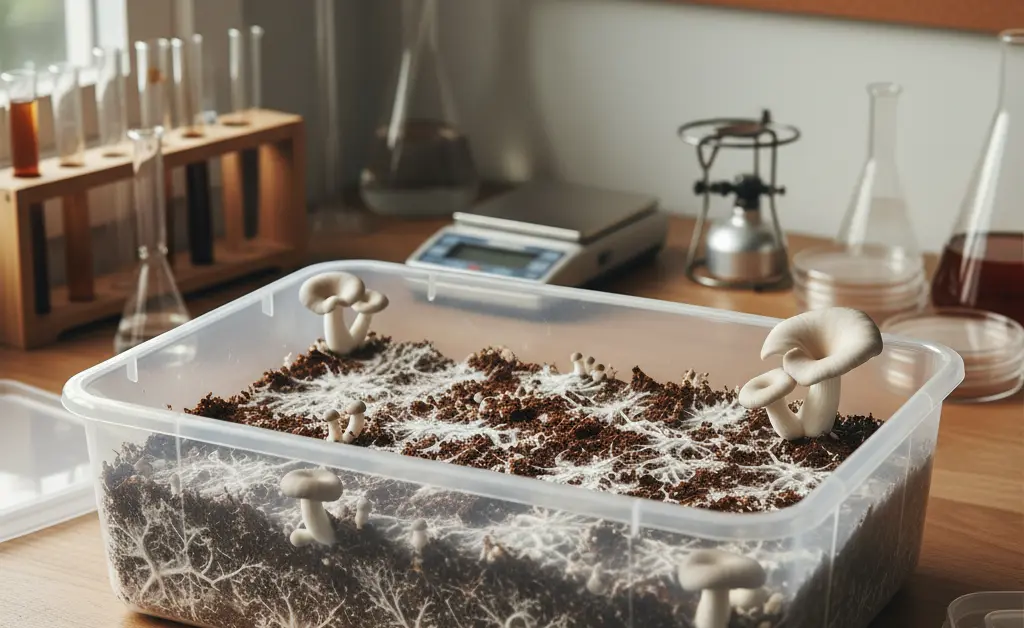
As more people embrace mindful eating and sustainable living, the appeal of growing one’s own food has surged, extending beyond traditional garden vegetables to encompass specialty fungi. This rising interest aligns with a broader culinary trend towards fresh, locally sourced ingredients and a lifestyle focus on wellness through natural foods. For those looking to delve into mycology, understanding effective and accessible methods is key. This guide explores the increasingly popular and practical approach of mushroom cultivation with sawdust, offering a sustainable and often cost-effective way to produce a variety of delicious and healthy mushrooms right at home. We will cover everything from substrate preparation to harvesting, ensuring a successful cultivation journey. Understanding different mushroom cultivation methods is essential for success.
Understanding Sawdust for Mushroom Cultivation
Why is Sawdust a Good Substrate for Mushrooms?
Sawdust has become a highly favored substrate for many mushroom growers due to its unique properties that mimic the natural environment of wood-loving fungi. Composed primarily of cellulose and lignin, the structural components of wood, sawdust provides a robust and complex carbon source essential for fungal growth. Its fibrous nature allows for good aeration while retaining sufficient moisture, creating an ideal microclimate for mycelial colonization. Beyond its physical characteristics, sawdust is often readily available, making mushroom cultivation with sawdust an economically attractive option for both hobbyists and commercial producers.
Hardwood vs. Softwood Sawdust
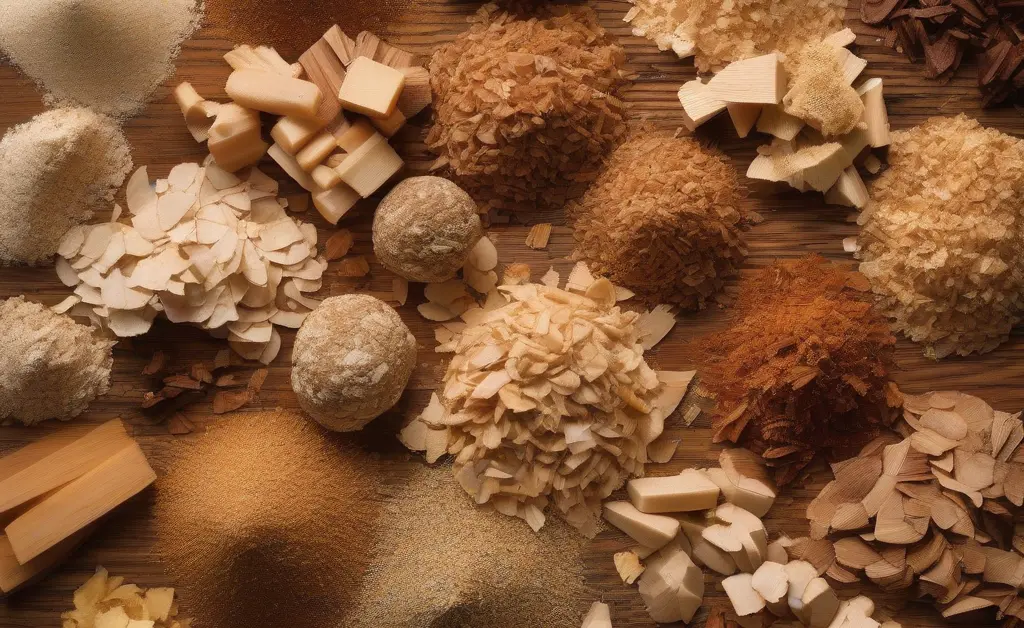
The choice between hardwood and softwood sawdust is crucial for successful mushroom cultivation. Hardwood sawdust, derived from deciduous trees like oak, maple, beech, and birch, is generally preferred. These hardwoods offer a richer nutrient profile and a more balanced lignin-to-cellulose ratio that many gourmet and medicinal mushroom species thrive on. Their cellular structure tends to be more digestible for fungal enzymes. In contrast, softwood sawdust, from coniferous trees such as pine, cedar, and spruce, typically contains resins and other inhibitory compounds that can be detrimental or even toxic to mycelial growth. These compounds can impede colonization, lead to contamination, and result in poor yields or even no mushroom production.
Treated vs. Untreated Sawdust
The distinction between treated and untreated sawdust is paramount when selecting materials for mushroom growing. Only untreated sawdust should be used. Treated wood, often used in construction or outdoor applications, contains chemicals such as preservatives, fire retardants, or glues that are highly toxic to fungal organisms. These substances can also pose health risks if ingested, making mushrooms grown on such substrates unsuitable for consumption. It is essential to source sawdust from clean, untreated wood that has not been exposed to paints, varnishes, or other chemical contaminants to ensure a safe and productive mushroom cultivation process.
Types of Sawdust and Their Suitability for Mushroom Growing
Hardwood vs. Softwood Sawdust
Expanding on the previous discussion, specific hardwood species offer varying degrees of suitability. Oak sawdust is a classic choice, favored for many species due to its density and nutrient content. Maple, beech, and birch are also excellent options. Poplar and alder sawdust can be used but may require more supplementation due to their softer nature. Generally, the denser the hardwood, the better the long-term nutrient release for the mycelium. For softwoods, while some experimental growers might attempt to use them after extensive leaching or processing, they are widely considered unsuitable for most desirable mushroom species due to their inherent antifungal properties and lower nutritional value. Growing mushrooms outdoors presents unique challenges and opportunities. Many species can thrive in specific outdoor mushroom cultivation environments.
Treated vs. Untreated Sawdust
The integrity of your growing medium directly impacts the health and safety of your mushrooms. Sources of treated sawdust include plywood, particle board, MDF, and pressure-treated lumber, all of which contain binders, adhesives, or chemical preservatives that are detrimental to fungal growth and potentially harmful to consumers. Even sawdust from wood that has been painted or stained should be avoided. The best practice is to obtain sawdust directly from sawmills, cabinet makers, or woodworking shops that process only raw, untreated wood. Always verify the source and inquire about the type of wood and any treatments it may have undergone to ensure a clean substrate for mushroom cultivation with sawdust.
Preparing Sawdust Substrates for Mushroom Cultivation
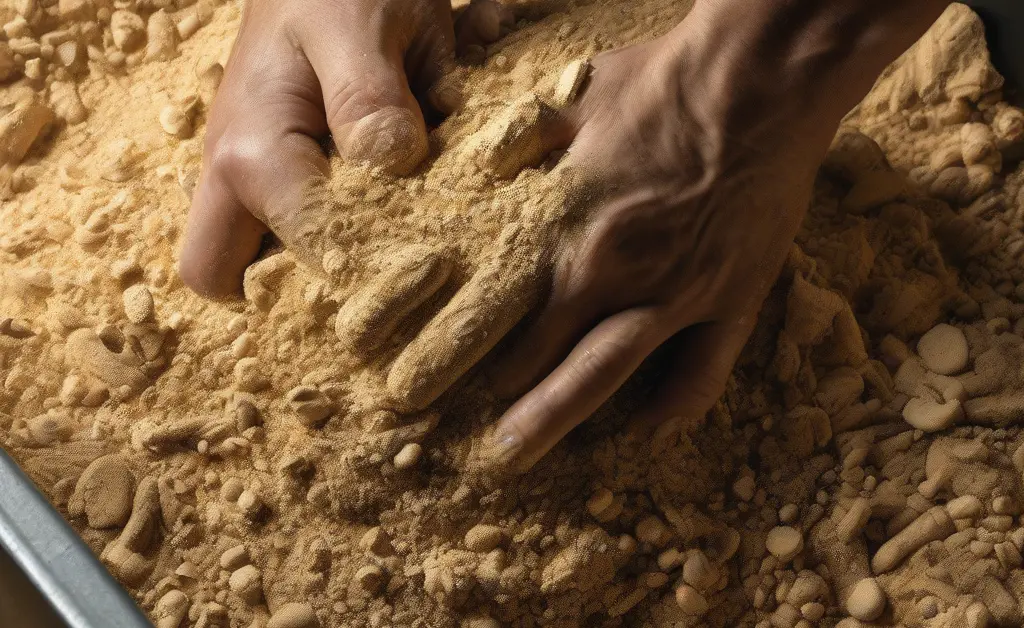
Effective preparation is a cornerstone of successful mushroom cultivation with sawdust. The goal is to create a clean, hydrated, and nutritious environment that favors fungal growth while minimizing competition from contaminants.
Sterilization vs. Pasteurization Methods for Sawdust
The choice between sterilization and pasteurization depends on the specific mushroom species and the composition of your sawdust substrate. Sterilization, typically achieved using an autoclave or a large pressure cooker, eliminates virtually all living organisms, including beneficial microbes and competing molds. This method is often preferred for highly supplemented sawdust blocks that are rich in nutrients, as these are more susceptible to contamination. Pasteurization, which involves heating the substrate to a lower temperature (e.g., around 140-180°F or 60-82°C) for a specific duration, reduces the microbial load significantly but leaves some beneficial microorganisms intact. This method is often used for less supplemented sawdust or when a simpler approach is desired. Both methods aim to give the mushroom mycelium a competitive advantage by reducing the presence of unwanted organisms.
Moisture Content Management in Sawdust Substrates
Maintaining the optimal moisture content is critical for mycelial colonization and fruiting. Sawdust substrates typically require a moisture level between 55% and 65%. Too little moisture will inhibit mycelial growth, causing the substrate to dry out and become susceptible to contamination. Too much moisture, on the other hand, can lead to anaerobic conditions, which suffocate the mycelium and promote bacterial growth. A common method to test for optimal moisture is the “squeeze test”: when you squeeze a handful of hydrated sawdust, a few drops of water should come out, but not a steady stream. If it’s too wet, you can spread it out to air dry slightly; if too dry, add more water gradually.
Supplementation Strategies (e.g., Bran, Gypsum) for Sawdust
While sawdust provides a good carbon base, it often lacks sufficient nitrogen and other micronutrients that many gourmet mushrooms require for robust growth and high yields. Supplementation addresses this nutritional gap. Common supplements include wheat bran, rice bran, and soy hulls, which are rich in nitrogen and other essential nutrients. These are typically added in small percentages (e.g., 5-20% by dry weight, depending on the mushroom species and sawdust type). Gypsum (calcium sulfate) is often included at about 1-2% as a pH buffer and to provide calcium and sulfur, which can help prevent the substrate from becoming too acidic during colonization and improve substrate structure. Careful supplementation can significantly boost the productivity of mushroom cultivation with sawdust. Many growers also explore using mushroom cultivation using agricultural waste.
Best Mushrooms to Grow on Sawdust
Sawdust offers an excellent growing medium for a diverse range of popular and sought-after mushroom species. Selecting the right species for mushroom cultivation with sawdust can significantly impact success and yield.
Oyster Mushrooms
Oyster mushrooms (Pleurotus species) are renowned for their ease of cultivation and vigorous growth on sawdust. They are considered one of the best choices for beginners due to their adaptability, fast colonization rates, and ability to thrive on a variety of hardwood sawdust types, often with minimal supplementation. Varieties like Blue Oyster, Pearl Oyster, Pink Oyster, and Golden Oyster all do exceptionally well on sawdust. They produce abundant flushes and are tolerant of a relatively wide range of environmental conditions, making them a reliable option.
Shiitake Mushrooms
Shiitake mushrooms (Lentinula edodes) are another excellent choice for sawdust cultivation, particularly on hardwood sawdust blocks. While they require a slightly longer colonization period compared to oyster mushrooms, their rich flavor and high culinary demand make them a very rewarding crop. Shiitake mycelium efficiently breaks down lignin in hardwood, yielding firm, flavorful mushrooms. Supplementation with bran or soy hulls is common for maximizing shiitake yields on sawdust.
Lion’s Mane Mushrooms
Lion’s Mane mushrooms (Hericium erinaceus), with their distinctive shaggy appearance and delicate, seafood-like flavor, are increasingly popular and grow very well on supplemented hardwood sawdust. They prefer substrates rich in cellulose and lignin, making hardwood sawdust an ideal base. Lion’s Mane cultivation often benefits from a slightly higher percentage of supplements to support their unique growth structure and achieve larger fruiting bodies. Their success on sawdust has made them a staple for many specialty mushroom growers.
Other Sawdust-Loving Mushroom Species
Beyond these popular choices, several other gourmet and medicinal mushroom species can be successfully grown on sawdust substrates. Reishi mushrooms (Ganoderma lucidum), known for their medicinal properties, thrive on hardwood sawdust. Nameko mushrooms (Pholiota microspora), with their distinctive slimy caps, also do well on supplemented hardwood. Chestnut mushrooms (Pholiota adiposa) are another option that performs reliably on sawdust. Researching the specific substrate requirements for each desired species will help ensure success in your sawdust cultivation endeavors.
Step-by-Step Guide to Sawdust Mushroom Cultivation
Substrate Preparation Steps for Sawdust
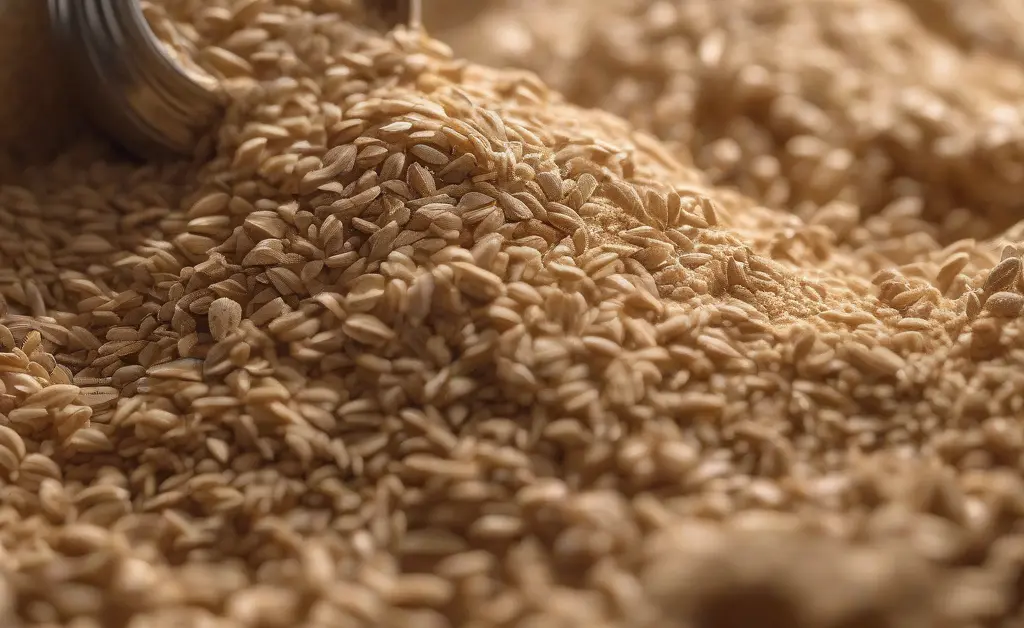
The journey of mushroom cultivation with sawdust begins with meticulous substrate preparation. First, gather clean, untreated hardwood sawdust. Hydrate the sawdust thoroughly, aiming for that ideal 55-65% moisture content. Many growers soak the sawdust in water for several hours or overnight, then drain off excess liquid. Next, incorporate any necessary supplements like wheat bran or gypsum, mixing them evenly throughout the sawdust. Finally, the prepared substrate must undergo a heat treatment, either pasteurization or sterilization, to eliminate competing microorganisms. Once treated, allow the substrate to cool completely before proceeding to the next step, as heat can kill your mushroom spawn.
Inoculation Process with Sawdust Spawn
Inoculation is the step where you introduce your mushroom spawn to the prepared sawdust substrate. This process requires a clean environment to minimize the risk of contamination. Ideally, work in a still air box or near a HEPA filter. Break up your grain or sawdust spawn into individual kernels or small pieces. Mix the spawn thoroughly with the cooled, prepared sawdust substrate. The ratio of spawn to substrate typically ranges from 2-10%, depending on the species and desired colonization speed. Ensure even distribution of the spawn within the substrate, then pack the inoculated sawdust into grow bags or containers, sealing them to maintain moisture and prevent airborne contaminants.
Incubation Phase in Sawdust Cultivation
After inoculation, the substrate enters the incubation phase, a period of active mycelial colonization. During this time, the bags or containers are kept in a dark or dimly lit area with a stable temperature suitable for the specific mushroom species (typically between 70-78°F or 21-26°C for many species). High humidity is also beneficial during this stage. Over several weeks, the white mycelium will spread throughout the sawdust, consuming the nutrients and binding the substrate together into a solid block. Monitor for any signs of contamination, such as green, black, or red molds, or unusual odors. Healthy mycelial growth should be vigorous, bright white, and eventually form a dense mat.
Fruiting Conditions for Sawdust-Grown Mushrooms
Once the sawdust substrate is fully colonized, it’s time to initiate the fruiting phase. This involves introducing environmental triggers that signal to the mycelium that it’s time to produce mushrooms. The primary triggers are increased fresh air exchange (FAE), higher humidity, and a drop in temperature (species-dependent). Many growers use a “fruiting chamber” or modify their growing area to provide these conditions. For instance, you might cut an opening in the grow bag, introduce a consistent supply of fresh air, and maintain humidity through misting or a humidifier. Light, though not a nutrient source, often helps guide the mushrooms’ growth direction and can influence cap development.
Harvesting Mushrooms from Sawdust
Harvesting is the rewarding culmination of your efforts. Mushrooms should be picked when they reach their optimal size but before they release a significant amount of spores, which can make a mess and sometimes signal the end of a flush. For oyster mushrooms, this is often when the caps begin to flatten but are still firm. Shiitake are typically harvested when their caps are open but still slightly curled inward. To harvest, gently twist and pull the entire cluster or individual mushroom from the substrate, or use a sharp, clean knife to cut them at the base. Avoid leaving stubs, as these can rot and attract contaminants. After harvesting the first flush, you can often re-hydrate the block and return it to fruiting conditions for subsequent flushes, typically yielding several rounds of mushrooms before the substrate is exhausted. Other growers utilize mushroom cultivation with straw as a substrate.
Troubleshooting Common Issues in Sawdust Cultivation
Even with careful planning, challenges can arise during mushroom cultivation with sawdust. Recognizing and addressing these issues promptly is key to maintaining a healthy grow and maximizing yields.
Common Contamination Problems in Sawdust
Contamination is arguably the most common and frustrating problem in mushroom cultivation. Sawdust, being a natural product, can harbor various spores and bacteria. The most frequently encountered contaminants are molds (e.g., Trichoderma, Aspergillus, Penicillium), which often appear as green, blue-green, black, or fuzzy patches. Bacterial contamination might manifest as slimy, malodorous areas or inhibit mycelial growth. The primary defense against contamination lies in proper substrate sterilization or pasteurization, rigorous hygiene during inoculation, and maintaining sterile spawn. If contamination is detected, it’s usually best to isolate and discard the affected block to prevent spores from spreading to other healthy grows.
Addressing Poor Yields in Sawdust Cultivation
Low or inconsistent yields can stem from several factors. One common cause is improper environmental conditions during fruiting, such as insufficient fresh air exchange, inadequate humidity, or incorrect temperatures. Poor genetics of the mushroom strain can also result in weak flushes. Substrate issues, like incorrect moisture content, insufficient or excessive supplementation, or even early contamination that isn’t immediately obvious, can also lead to poor productivity. Carefully reviewing each stage of your mushroom cultivation with sawdust process, from substrate preparation to fruiting, can help pinpoint the root cause and inform adjustments for future grows.
Preventing Substrate Drying Out in Sawdust
A drying substrate is a significant impediment to mycelial growth and mushroom development. Sawdust blocks can lose moisture quickly, especially in environments with low ambient humidity or high air movement. To prevent this, ensure your grow bags or containers are properly sealed during incubation to retain moisture. During fruiting, employ strategies like misting the blocks and the air in the fruiting chamber regularly, using a humidifier, or placing the blocks inside humidity tents or Martha tents. Monitoring the substrate’s appearance—a healthy block should look hydrated, not shrunken or cracked—is also a good indicator. Re-hydrating exhausted blocks between flushes by soaking them in water for several hours is crucial for encouraging subsequent mushroom production.
Advantages and Disadvantages of Using Sawdust for Mushroom Growing
Cost-Effectiveness of Using Sawdust
One of the most significant advantages of using sawdust for mushroom cultivation is its cost-effectiveness. Sawdust is often available for free or at a very low cost from local sawmills, woodworking shops, or lumberyards, especially if you establish a good relationship with a supplier. This makes it an incredibly economical choice compared to commercial mushroom growing kits or other specialized substrates, allowing growers to scale up production without incurring high material costs. The low cost of the primary substrate significantly reduces the barrier to entry for new growers and helps maintain profitability for larger operations.
Availability of Sawdust as a Substrate
Sawdust is a widely available byproduct of the timber and woodworking industries in many regions. This broad availability means that growers, particularly those in areas with active logging or furniture manufacturing, can often source large quantities of suitable substrate without difficulty. Its accessibility reduces logistical challenges and ensures a steady supply for ongoing mushroom growing projects. However, it is crucial to confirm the source provides clean, untreated hardwood sawdust to ensure the safety and success of your crop.
Risks of Contamination with Sawdust
Despite its advantages, sawdust does carry certain risks, most notably regarding contamination. As a raw, natural material, sawdust can harbor various spores, bacteria, and other microorganisms. Without proper sterilization or pasteurization, these competing organisms can quickly outgrow and colonize the sawdust substrate before the desired mushroom mycelium has a chance to establish itself. This risk necessitates careful attention to hygiene and heat treatment protocols, adding a step that some simpler cultivation methods might forgo. Improper handling post-treatment can also reintroduce contaminants, leading to failed grows.
Nutritional Limitations of Sawdust Substrates
While sawdust provides an excellent structural base and abundant carbon, its nutritional profile is often incomplete for optimal mushroom growth. It is typically low in nitrogen and other essential micronutrients that are vital for robust mycelial colonization and bountiful fruiting. This nutritional limitation means that sawdust usually requires supplementation with nitrogen-rich additives like wheat bran, rice bran, or soy hulls. Without proper supplementation, yields may be significantly reduced, or the mycelium may struggle to colonize the substrate effectively. This necessity for additional ingredients adds to the complexity and cost compared to more nutritionally complete substrates, although the base cost of sawdust often offsets this.
In conclusion, embarking on mushroom cultivation with sawdust offers a fulfilling and sustainable path for growers of all experience levels. By understanding the nuances of sawdust types, mastering preparation techniques, and providing optimal environmental conditions, you can successfully cultivate a wide array of gourmet and medicinal mushrooms. While challenges such as contamination and nutritional limitations exist, they are readily overcome with diligent practice and attention to detail. This method not only yields delicious fungi for your table but also provides a deeper connection to the natural world and the fascinating lifecycle of mushrooms.
This information is provided for educational purposes only. It is not intended to be a substitute for professional advice regarding cultivation methods or mushroom consumption. Individuals should always exercise caution and conduct thorough research to ensure safe practices when engaging in mushroom cultivation and handling, especially concerning identification and edibility. For health-related concerns, consult with healthcare professionals, such as those found on the NHS website.
FAQ
Can I use any type of sawdust for growing mushrooms?
Most mushroom species prefer hardwood sawdust from trees like oak, maple, or beech due to its rich lignin and cellulose content, which are key food sources. Softwood sawdust, particularly from conifers, often contains resins and antimicrobial compounds that can inhibit mushroom growth and should generally be avoided. The type of wood significantly influences both the growth success and the nutritional profile available to the mycelium.
How do you prepare sawdust for mushroom cultivation?
Preparing sawdust typically involves hydrating it to the proper moisture content, often around 50-60%, to allow for optimal mycelial colonization. It is frequently supplemented with nutrient-rich additions like bran or gypsum to provide a balanced food source for the growing mushrooms. This mixture is then sterilized or pasteurized to eliminate competing microbes before inoculation.
What is the best mushroom to grow on sawdust?
Oyster mushrooms (Pleurotus species) are widely considered excellent for sawdust cultivation due to their aggressive growth and ability to efficiently break down lignin and cellulose. Shiitake and Lion’s Mane also thrive on hardwood sawdust substrates, producing robust yields when provided with proper environmental conditions. These species are particularly adapted to utilize the complex carbohydrates found in wood.
How do you sterilize sawdust for mushrooms?
Sterilization is a critical step in mushroom cultivation with sawdust, aimed at eliminating all potential contaminants, including bacteria, molds, and other fungi. This process typically involves heating the hydrated and supplemented sawdust substrate to high temperatures, commonly using a pressure cooker or autoclave, to ensure thorough pathogen destruction. Maintaining specific temperatures, usually above 250°F (121°C), for a defined duration is essential for creating a sterile environment suitable for mushroom mycelium.