
Selecting the Perfect Mushroom Cultivation Workshop
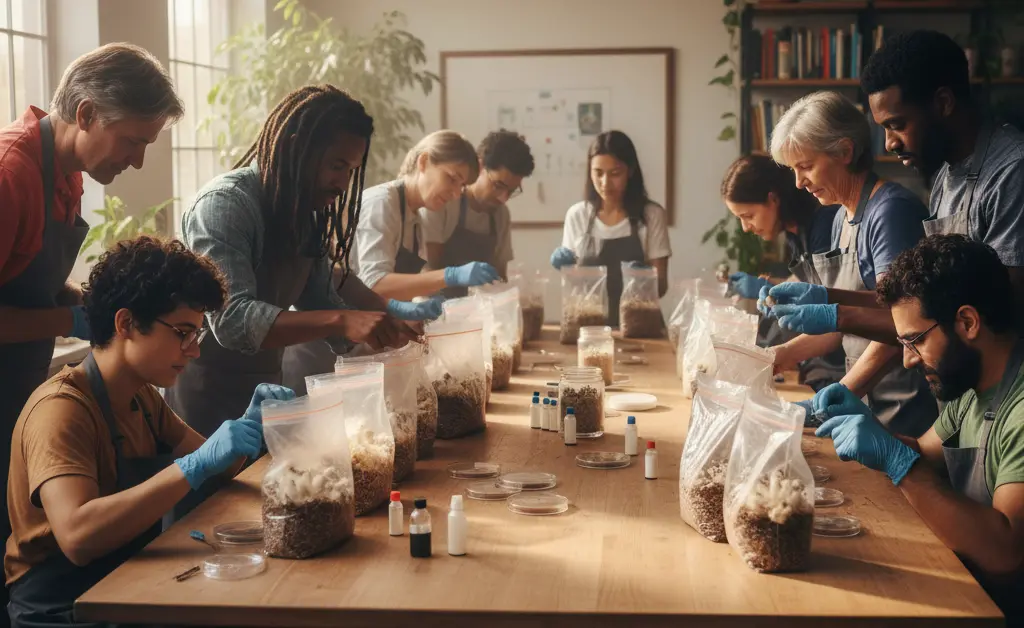
Are you frustrated by the limited variety and high cost of organic mushrooms at your local grocery store, or perhaps intimidated by the perceived complexity of growing your own at home? Many aspiring home growers encounter challenges, from understanding substrate preparation to managing environmental conditions, leading to disappointing yields or even complete failure. This common struggle can make the idea of sustainable home-grown food feel out of reach. However, mastering the art of mycology doesn’t have to be an uphill battle. A well-structured mushroom cultivation workshop offers the perfect solution, transforming complex processes into manageable steps and providing the essential knowledge and hands-on experience needed to cultivate a bountiful harvest. This guide will help you navigate the options and select the ideal program to kickstart your journey into home mushroom farming.
What is a Mushroom Cultivation Workshop?
A mushroom cultivation workshop is an educational program designed to teach individuals the fundamental and advanced techniques for growing various types of mushrooms. These workshops serve as an invaluable resource for both novices and those with some experience, aiming to demystify the art and science behind mycology. They typically combine theoretical knowledge with practical, hands-on activities, making the learning experience both engaging and effective. The ultimate goal is to equip participants with the confidence and skills necessary to successfully cultivate mushrooms in their own homes or small-scale operations.
Workshop Format and Duration
The format of a mushroom cultivation workshop can vary significantly, ranging from intensive one-day sessions to multi-day courses or even ongoing online modules. In-person workshops often provide the most direct hands-on experience, allowing participants to interact directly with materials and equipment. Online formats offer flexibility, making them accessible to a wider audience, often through live virtual sessions or pre-recorded video lessons. Hybrid models combine both for a comprehensive approach. Duration can range from a few hours for introductory sessions to a full weekend or several weeks for more in-depth programs, catering to different learning paces and depth of content.
Materials Provided
Participants in a typical mushroom cultivation workshop can expect to receive a range of materials essential for the learning process and future cultivation efforts. This often includes detailed handouts, instruction manuals, and notebooks for taking notes. Practical supplies may encompass sterilized substrates, mushroom spawn or cultures, and basic tools necessary for inoculation and harvesting. Many workshops also provide personal protective equipment where appropriate and, crucially, a take-home mushroom grow kit, enabling immediate application of newly acquired skills.
Workshop Curriculum
The curriculum of a mushroom cultivation workshop is carefully structured to cover the entire mushroom life cycle and the various stages of cultivation. Common topics include understanding mushroom biology and different species, substrate preparation (such as sterilizing and pasteurizing), inoculation techniques (introducing spawn to substrate), creating optimal fruiting conditions (humidity, temperature, light), harvesting methods, and post-harvest care. More advanced workshops may delve into spore printing, making liquid cultures, pest and disease management, and scaling up production. The comprehensive nature of such a curriculum ensures a thorough understanding. For those specifically seeking structured learning, exploring a mushroom cultivation training can provide in-depth knowledge.
Benefits of Attending a Mushroom Cultivation Workshop

Attending a specialized mushroom cultivation workshop offers numerous advantages beyond simply learning how to grow mushrooms. It provides a structured environment where complex information is broken down into digestible steps, guided by experienced instructors. This focused learning opportunity can significantly accelerate a grower’s progress, helping them avoid common pitfalls and achieve greater success much faster than through self-study alone. The practical skills and foundational knowledge gained are invaluable for anyone serious about home-scale mushroom farming.
Hands-on Learning Experience
One of the primary benefits of a mushroom cultivation workshop is the invaluable hands-on learning experience it provides. Rather than just reading about techniques, participants actively engage in preparing substrates, inoculating cultures, and setting up fruiting chambers under direct supervision. This practical involvement helps solidify understanding, allowing learners to develop muscle memory and confidence in their abilities. Directly performing these tasks reduces the intimidation factor associated with mycology and fosters a deeper appreciation for the cultivation process.
Expert Guidance and Q&A
Learning from seasoned experts is another significant advantage. Instructors in a mushroom cultivation workshop typically possess extensive knowledge and practical experience, allowing them to offer insights that might not be found in books or online forums. Participants have the unique opportunity to ask specific questions, troubleshoot potential issues in real-time, and gain personalized advice tailored to their learning context. This direct interaction with experts can clarify complex concepts and provide invaluable guidance for future cultivation endeavors. In certain regions, specialized mushroom cultivation training in Hyderabad is available, offering local expertise.
Networking with Fellow Growers
A mushroom cultivation workshop often brings together individuals with shared interests, fostering a vibrant community for networking. Connecting with fellow growers can lead to exchanging tips, sharing resources, and even collaborating on future projects. This peer support network can be a continuous source of motivation, problem-solving, and inspiration, extending the learning experience beyond the workshop itself. Building these connections can be particularly beneficial for long-term engagement in mycology.
Take-Home Grow Kits
Many mushroom cultivation workshops culminate in providing participants with a take-home grow kit. This immediate, practical application tool allows individuals to put their newly acquired skills to the test in their own environment. These kits are often pre-prepared to be user-friendly, offering a high chance of initial success and boosting confidence. They serve as a bridge between theoretical learning and independent practice, ensuring that the knowledge gained during the workshop translates directly into a tangible outcome.
Choosing the Right Mushroom Cultivation Workshop
Selecting the appropriate mushroom cultivation workshop is crucial for a successful and enriching learning experience. With various options available, it’s important to consider several factors that align with your learning style, budget, and specific interests. A well-chosen workshop can lay a strong foundation for your journey into home mycology, while a less suitable one might leave you with more questions than answers.
Instructor Expertise
The quality of instruction is paramount. When evaluating a mushroom cultivation workshop, research the background and experience of the instructors. Look for individuals with demonstrable expertise in mycology, ideally with experience in both theoretical knowledge and practical cultivation. An instructor who is passionate, knowledgeable, and an effective communicator can make a significant difference in how well you grasp the concepts and techniques. Check for any publications, professional affiliations, or extensive cultivation history they may possess. Consider a comprehensive mushroom cultivation course to gain a deep understanding.
Reviews and Testimonials
Before committing to a mushroom cultivation workshop, it is highly recommended to seek out reviews and testimonials from past attendees. These insights can provide an honest perspective on the workshop’s content, the instructor’s teaching style, the value received, and the overall experience. Websites, social media, and dedicated mycological forums are excellent places to find genuine feedback. Positive and consistent reviews often indicate a reputable and effective program that delivers on its promises. Some research on therapeutic uses of mushrooms highlights the importance of understanding biological processes. For instance, studies at the Cochrane Library explore various health interventions.
Cost and Value
The cost of a mushroom cultivation workshop can vary widely depending on its duration, depth, and materials provided. It’s important to evaluate the overall value proposition rather than just the price tag. Consider what is included in the fee: hands-on materials, take-home kits, follow-up support, and the caliber of instruction. A slightly higher-priced workshop that offers comprehensive content and ongoing resources may ultimately provide better long-term value than a cheaper, less thorough option.
What to Expect in a Mushroom Cultivation Workshop
Upon attending a mushroom cultivation workshop, participants can anticipate a structured educational experience designed to impart practical skills and foundational knowledge. The environment is usually supportive and interactive, encouraging questions and direct engagement with the material. Preparation typically involves a blend of theoretical discussion and practical application, ensuring a comprehensive understanding of mushroom growing.
Step-by-Step Cultivation Process
A core component of any mushroom cultivation workshop is a detailed walkthrough of the entire cultivation process, presented in an easy-to-follow, step-by-step manner. This typically begins with understanding mycelial growth, selecting appropriate substrates (like sawdust or straw), and learning proper sterilization or pasteurization techniques to prevent contamination. Participants then learn inoculation methods, followed by creating the right environmental conditions for fruiting, including humidity, temperature, and fresh air exchange. The process culminates in understanding when and how to harvest, and how to potentially get multiple flushes from a single grow. This structured approach helps demystify the journey from spore to plate.
Common Mushroom Species Covered
Most mushroom cultivation workshops introduce attendees to several common and relatively easy-to-grow mushroom species. These often include oyster mushrooms (like Pearl, Blue, or Pink Oyster), which are known for their fast growth and adaptability to various substrates. Shiitake mushrooms are also popular, valued for their culinary appeal and unique cultivation requirements. Other species like Lion’s Mane or certain medicinal varieties may also be introduced, depending on the workshop’s focus. Learning about these diverse species provides participants with a broad understanding of different growth habits and culinary uses. For those in specific locations, specialized mushroom cultivation training in Assam can offer tailored advice.
Getting Started with Mushroom Cultivation After Your Workshop

The true test of a successful mushroom cultivation workshop lies in its ability to empower participants to confidently embark on their own growing journey. Post-workshop, the focus shifts to applying the acquired knowledge and skills independently. This transition is often supported by the resources and community connections fostered during the workshop, helping to ensure continued success and learning.
Setting up Your Grow Kit
One of the first steps after attending a mushroom cultivation workshop is typically setting up the take-home grow kit received during the program. This practical exercise allows you to immediately apply the instructions and techniques learned. Properly setting up your kit, ensuring the correct environmental conditions like humidity and temperature, is crucial for stimulating mycelial growth and subsequent fruiting. Following the step-by-step guidance provided by your instructors will help maximize your chances of a bountiful first harvest.
Troubleshooting Common Issues
Even with expert guidance, new growers may encounter common issues such as contamination, slow growth, or insufficient fruiting. A good mushroom cultivation workshop often prepares participants for these challenges by discussing common problems and offering practical troubleshooting advice. This might include identifying different types of contamination, adjusting environmental factors, or understanding when to re-evaluate your growing methods. Knowing how to diagnose and address these issues is a valuable skill for long-term success.
Post-Workshop Support
Reputable mushroom cultivation workshops often provide some form of post-workshop support. This can range from access to online forums or social media groups where attendees can ask questions and share experiences, to dedicated email support from instructors, or even follow-up resources like detailed guides or video tutorials. This ongoing support system is incredibly beneficial for new growers, offering continued guidance as they gain more experience and encounter new questions in their home cultivation endeavors.
Mushroom Cultivation Workshop Near Me
Finding a local mushroom cultivation workshop can be a convenient and highly effective way to learn. Local workshops often provide the benefit of in-person instruction, allowing for direct interaction with instructors and materials. Search for “mushroom growing classes near me” or similar phrases to discover opportunities in your area. These local programs can also connect you with regional mycological communities and resources, which might be particularly helpful for understanding species suited to your local climate.
Location and Schedule
When searching for a mushroom cultivation workshop, consider both its physical location and the proposed schedule. For in-person events, proximity can significantly reduce travel time and costs. Evaluate whether the workshop dates and times fit into your personal schedule, especially if it’s a multi-day course or a series of sessions. Many organizations offer different scheduling options, including weekend intensives or evening classes, to accommodate various commitments. Confirming these details in advance ensures you can fully participate without undue stress.
Beginner’s Mushroom Cultivation Workshop
A beginner’s mushroom cultivation workshop is specifically tailored for those with little to no prior experience in mycology or gardening. These programs focus on foundational concepts, using accessible language and simple, foolproof methods to ensure an easy entry into the world of mushroom growing. They often concentrate on robust, fast-growing species that are forgiving for new cultivators, emphasizing success in the initial attempts to build confidence. Such a workshop typically covers the very basics, from understanding spores to harvesting your first flush, all while keeping complex scientific jargon to a minimum.
Backyard Mushroom Cultivation Workshop
For those interested in integrating mushroom growing with outdoor gardening, a backyard mushroom cultivation workshop offers specialized insights. These workshops focus on methods suitable for outdoor environments, such as growing on logs, wood chips, or in garden beds. Topics often include selecting appropriate outdoor species, preparing outdoor substrates, understanding seasonal growth cycles, and integrating mushrooms into existing permaculture designs. This type of workshop is ideal for individuals looking to diversify their home garden and utilize shaded or woody areas for productive cultivation.
Mushroom Cultivation Workshop 2026
Planning ahead for a mushroom cultivation workshop in 2026 allows prospective growers to keep an eye on upcoming trends, new techniques, and potential advancements in home mycology. As the field evolves, future workshops may incorporate new technologies, research findings, or focus on increasingly sustainable practices. Monitoring event listings and mycological association calendars well in advance can help secure a spot in a highly sought-after program or one that aligns with specific long-term cultivation goals. This forward-thinking approach ensures access to the most current information and innovative methods in mushroom cultivation.
Embarking on the journey of mushroom cultivation can be a deeply rewarding experience, offering not only fresh, organic produce but also a deeper connection to nature. A thoughtfully chosen mushroom cultivation workshop provides the critical knowledge, practical skills, and supportive community needed to transform a curious interest into a flourishing home-based endeavor. By carefully considering the instructor’s expertise, curriculum, hands-on opportunities, and post-workshop support, you can select the perfect program to cultivate your mycological ambitions and enjoy the unique satisfaction of growing your own gourmet and specialty mushrooms.
The content presented here is not a substitute for professional medical guidance. While mushroom cultivation can be a rewarding activity, specific varieties, consumption methods, and potential interactions may require careful consideration. Always ensure proper identification of mushroom species before consumption to avoid adverse effects. Individuals with health concerns should consult with a qualified healthcare professional regarding dietary choices or wellness practices.
FAQ
What do you learn in a mushroom cultivation workshop?
A mushroom cultivation workshop typically teaches participants the fundamental principles of mycology, covering topics from fungal biology to practical growing techniques. You gain hands-on experience with substrate preparation, inoculation, and creating optimal fruiting conditions for various mushroom species. This knowledge empowers individuals to understand the entire lifecycle and successful propagation of fungi at home.
How much does a mushroom growing workshop cost?
The cost of a mushroom growing workshop can vary significantly based on several factors, including the duration of the session, the expertise of the instructor, and the materials provided. Workshops offering extensive hands-on experience or specialized techniques often reflect that in their pricing. Regional differences and the scale of the event also play a role in the overall expense.
Are mushroom cultivation workshops worth it?
Attending a workshop can be incredibly valuable for those looking to successfully grow mushrooms, as it provides structured learning and direct guidance from experienced cultivators. Participants often avoid common beginner mistakes by learning proper techniques from the start. The hands-on experience and opportunity to ask questions can accelerate learning far beyond what self-study alone might offer.
What should I bring to a mushroom cultivation workshop?
It is generally advisable to bring a notebook and pen to jot down important details and observations, as workshops often cover a lot of information. Wearing comfortable clothing that you don’t mind getting a little dirty is also practical, especially for hands-on activities. Most importantly, bring an open mind and any questions you might have, ready to engage with the material and the instructors.