
A Practical Guide to Maximizing Your Mushroom Harvest
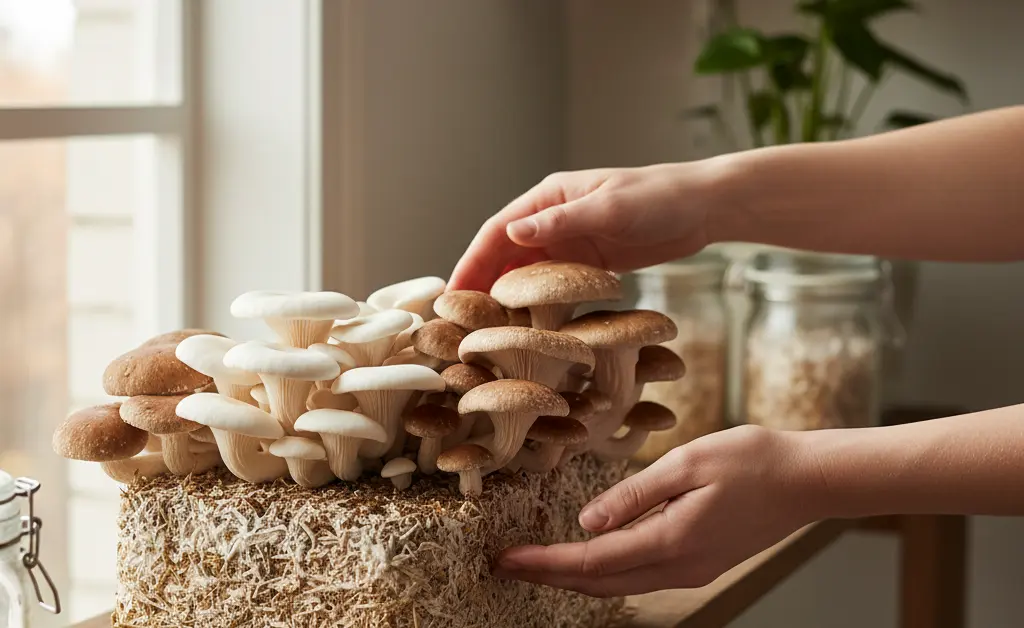
Many aspiring growers often face inconsistent or lower-than-expected mushroom harvests, with initial efforts yielding modest returns. This common scenario can be significantly improved by understanding and applying specific cultivation techniques. Instead of merely harvesting what grows, cultivators can strategically influence their mushroom cultivation yield, shifting from variable outputs to more predictable and robust harvests. This guide delves into practical methods, environmental controls, and substrate management, providing insights to not only address common limitations but also to substantially optimize production. By focusing on proven practices, growers can unlock the full potential of their fungi, ensuring a more fruitful and sustainable operation.
Mushroom cultivation yield
The concept of mushroom cultivation yield refers to the total weight or quantity of mushrooms harvested from a given cultivation effort. This metric is fundamental for assessing the efficiency and success of a mushroom growing operation, whether it’s a home-based setup or a large-scale commercial mushroom cultivation venture. Understanding and optimizing yield is critical for profitability and sustainability, allowing growers to make informed decisions about their methods and resources. Factors such as substrate type, environmental conditions, and strain genetics all play a significant role in determining the final harvest.
Yield per Square Foot
For many indoor growing systems, particularly those utilizing shelves or trays, yield per square foot is a common measurement. This metric helps evaluate the productivity of a specific grow space. It’s especially useful for comparing different cultivation methods or mushroom varieties within a limited area. Maximizing this specific mushroom cultivation yield often involves optimizing vertical space, selecting fast-growing strains, and ensuring consistent environmental control across the entire growing surface.
Yield per Pound of Substrate
This measurement is crucial for understanding the biological efficiency of a mushroom strain on a particular substrate. It calculates the weight of fresh mushrooms produced relative to the dry weight of the substrate used. A higher yield per pound of substrate indicates more efficient conversion of substrate nutrients into mushroom biomass. This metric is a key indicator for growers looking to improve their substrate recipes and overall resource management, directly impacting the economic viability of their mushroom production and harvesting.
Yield per Log (for wood-loving species)
For wood-loving species like Shiitake or Oyster mushrooms grown outdoors on logs, yield is often measured on a per-log basis. This considers the total harvest over the productive lifespan of a single log, which can span several years. Factors influencing this type of mushroom cultivation yield include log species, diameter, inoculation method, and environmental conditions during the fruiting seasons. Proper placement and care of logs can significantly extend their productivity and overall output.
Factors Affecting Mushroom Cultivation Yield
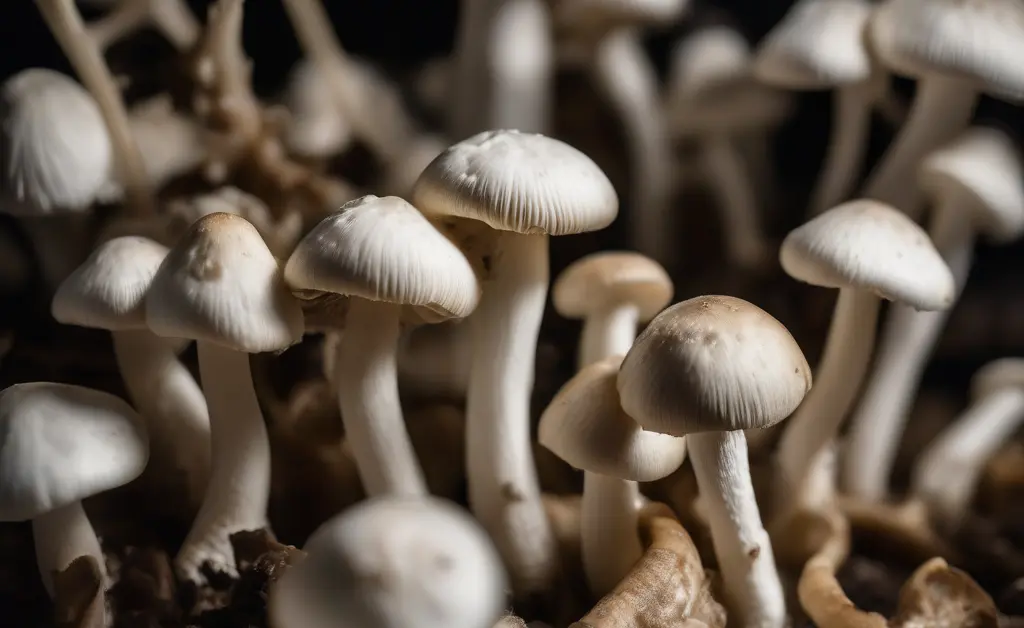
Numerous elements can influence the ultimate mushroom harvest. From the initial steps of the mushroom growing process step by step to the final environmental controls, each stage presents opportunities or challenges that can significantly impact the quantity and quality of mushrooms produced. Understanding these factors is the first step towards consistent and high-performing cultivation.
Identifying Common Yield Limiting Factors
Several issues can commonly restrict the mushroom cultivation yield. Poor spawn quality, for example, can lead to slow or incomplete colonization, reducing the potential for a robust harvest. Inadequate substrate type and preparation, such as incorrect moisture content or insufficient pasteurization, can also hinder growth or invite contamination. Environmental conditions like improper temperature, humidity, or CO2 levels are critical; deviations can cause poor pinning and fruiting, resulting in deformed mushrooms or no harvest at all. Furthermore, ineffective pest and disease management can decimate an entire crop. Addressing these common challenges proactively is essential for successful mushroom farming.
Adherence to safety standards, often guided by organizations like the FDA, is also a critical factor in ensuring consumable quality and overall yield.
Optimizing Yield for Different Mushroom Types
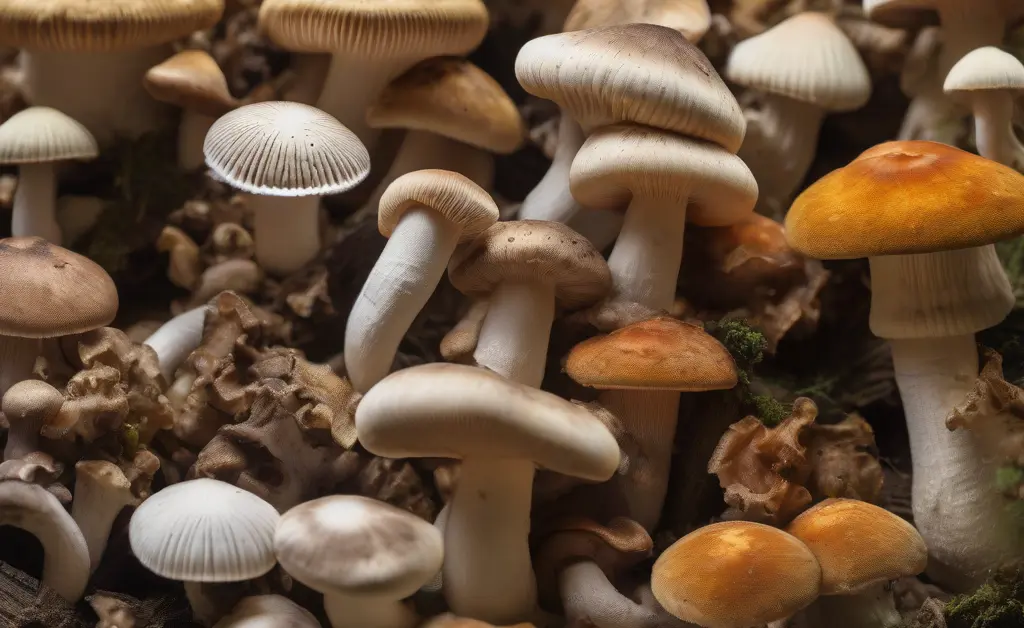
Each mushroom species has unique requirements, and understanding these specific needs is paramount for achieving an optimal mushroom cultivation yield. Tailoring cultivation strategies to the particular characteristics of each type allows growers to unlock its full productive potential.
Oyster Mushroom Yield
Oyster mushrooms are known for their relatively fast growth and prolific fruiting. To optimize Oyster mushroom cultivation yield, focus on highly nutritious substrates like straw, sawdust, or coffee grounds, ensuring proper hydration and pasteurization. They thrive in consistent humidity and good air exchange. Prompt harvesting techniques are also vital, as mature clusters can rapidly decline in quality if left too long, and early harvesting can encourage further flushes from the block.
Shiitake Mushroom Yield
Shiitake mushrooms are traditionally grown on hardwood logs, which offer a sustainable yet slower cultivation cycle. When growing Shiitake, selecting the right log species and ensuring thorough colonization (spawn run duration) are critical for long-term yield. For indoor cultivation on supplemented sawdust blocks, precise control over temperature and humidity during fruiting initiation strategies is key to robust flushes. Proper aeration and light exposure also play a role in cap development and overall mushroom formation.
Button Mushroom Yield
Button mushrooms, including white button and cremini varieties, are often grown on a composted substrate in highly controlled environments. Optimizing Button mushroom cultivation yield requires meticulous attention to compost preparation, casing layer application, and precise environmental regulation. Consistent temperature and humidity, along with controlled CO2 levels, are crucial for successful pinning and development. Efficient harvesting of individual mushrooms as they reach maturity can also encourage successive flushes.
Lion’s Mane Mushroom Yield
Lion’s Mane mushrooms prefer hardwood sawdust-based substrates. To maximize Lion’s Mane mushroom cultivation yield, focus on a well-balanced substrate with appropriate supplementation. These mushrooms benefit from slightly cooler temperatures and higher humidity during fruiting. Proper aeration is important to prevent malformations and encourage the characteristic “icicle” growth. Timely harvesting, before the spines begin to brown, ensures optimal quality and can promote additional fruiting cycles.
For medicinal varieties, understanding turkey tail mushroom when to harvest directly impacts their potency and efficacy.
Maximizing Mushroom Yield Through Cultivation Techniques
Achieving a bountiful mushroom cultivation yield goes beyond simply planting spores and waiting. It involves a systematic approach to each stage of the mushroom growing process step by step, from substrate preparation to post-harvest care. Strategic intervention and careful management are key to coaxing the best possible performance from your fungal crops.
One of the most critical aspects is the quality of the spawn. Using vigorous, healthy spawn from a reliable source ensures a strong start to colonization. Substrate type and preparation are equally vital; different mushrooms thrive on different materials, and proper sterilization or pasteurization is essential to eliminate competitors. During the spawn run duration, maintaining optimal temperatures allows the mycelium to colonize the substrate efficiently. Once fully colonized, implementing appropriate fruiting initiation strategies, such as thermal shock or increased fresh air exchange, can trigger abundant pinning. Consistent environmental conditions, including proper aeration and light exposure, are paramount throughout the fruiting phase. Lastly, employing specific harvesting techniques to encourage further flushes can significantly increase the total mushroom cultivation yield over the life of a substrate block or log.
Ensuring correct methods for harvesting turkey tail mushroom is crucial for preserving its medicinal properties and encouraging future growth.
Calculating and Estimating Mushroom Yield
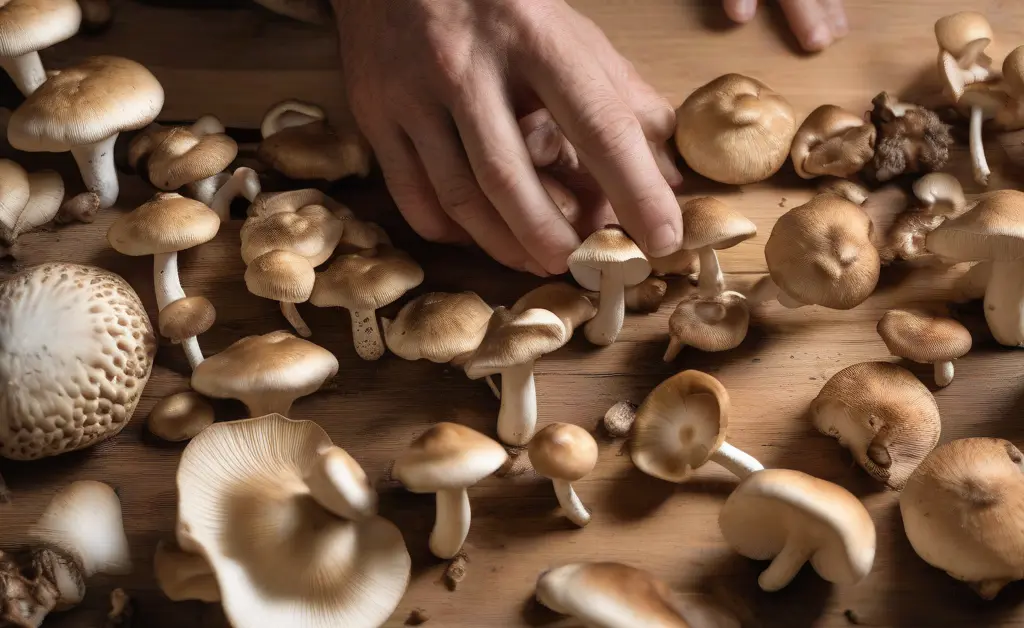
Understanding how to calculate and estimate your mushroom cultivation yield is an indispensable skill for any grower. It allows for performance tracking, resource planning, and identifying areas for improvement. This analytical approach helps transform a hobby into a more predictable and potentially profitable endeavor.
Predicting Harvest Quantities
Predicting harvest quantities involves considering several variables, including the biological efficiency of the specific mushroom strain, the total weight of the prepared substrate, and historical yield data from previous grows. While not an exact science, growers can use past averages for yield per pound of substrate or yield per square foot to project upcoming harvests. Monitoring the health of the mycelium and observing the initial pinning can also offer clues about the potential size of a flush. Keeping detailed records of each grow cycle—including substrate composition, environmental parameters, and actual harvest quantities—is invaluable for refining these predictions over time and improving overall mushroom cultivation yield forecasting.
Troubleshooting Low Mushroom Yield
Encountering a lower-than-expected mushroom cultivation yield can be disheartening, but it’s often a learning opportunity. Identifying the root cause of poor performance is crucial for implementing effective solutions and improving future harvests.
Common issues leading to low yield include contamination, which can be identified by unusual colors or smells in the substrate. Inadequate colonization, often due to poor spawn quality or insufficient incubation temperatures, will result in weak fruiting. Environmental factors like insufficient humidity leading to dried-out pins, or excessive CO2 inhibiting growth, are frequent culprits. Poor pinning and fruiting can also stem from a lack of proper fruiting initiation signals or nutrient deficiencies in the substrate. Sometimes, the problem might be an overly spent substrate that has provided its maximum output, indicating it’s time to re-inoculate or start over with fresh materials. Careful observation and systematic adjustments to cultivation parameters can often resolve these issues and restore healthy mushroom production.
Maximizing mushroom cultivation yield is a continuous journey of learning and adaptation. By diligently applying proven techniques, understanding the specific needs of different mushroom species, and meticulously controlling environmental factors, growers can significantly enhance their harvest consistency and volume. This comprehensive approach not only leads to more abundant and higher-quality mushrooms but also fosters a more sustainable and rewarding cultivation experience.
This information should be viewed as educational rather than medical advice. It is provided for general knowledge and informational purposes only, and does not constitute medical advice. Always consult with a qualified healthcare professional before making any decisions about your health or well-being, or before starting any new health-related practices.
FAQ
What is a typical mushroom yield per square foot?
Mushroom yield per square foot can vary significantly depending on the species and cultivation method. Some species are known for producing substantial harvests in controlled environments, while others are more modest.
How much yield can I expect from a mushroom grow kit?
Mushroom grow kits are designed for home use and generally provide a modest harvest. The amount of mushrooms produced is often limited by the size of the kit and the substrate it contains.
How long does it take to get a good mushroom yield?
The time to harvest depends on the mushroom species and the specific stage of growth. From inoculation to first harvest, the process can take several weeks, with subsequent harvests occurring in flushes.
What factors influence mushroom yield?
Several factors significantly influence mushroom cultivation yield, including the quality of the spawn, the type and moisture content of the substrate, and environmental conditions such as temperature, humidity, and fresh air exchange. Proper sterile technique is also crucial to prevent contamination that can reduce harvests.
How can I increase my mushroom yield?
Optimizing environmental conditions and substrate preparation are key strategies for potentially increasing mushroom harvests. Maintaining consistent humidity, appropriate temperatures, and ensuring adequate gas exchange can support healthier mycelial growth and more abundant fruiting.