
The Science Behind Mushroom Drinks and Gut Health

The human gut plays a pivotal role in overall health, influencing everything from immunity to mood. As awareness grows about the importance of a balanced microbiome, people are seeking natural ways to support their digestive system. Among the emerging trends, mushroom drinks for gut health are gaining significant attention for their potential benefits. These beverages harness the power of various medicinal mushrooms, known for their unique bioactive compounds that can interact beneficially with the gut environment. This article delves into the scientific basis behind these popular concoctions, exploring how they work to improve digestion, reduce inflammation, and foster a healthy gut flora, offering a comprehensive guide to understanding their impact and selecting the best options.
What are Mushroom Drinks for Gut Health?
Mushroom drinks for gut health are beverages crafted by infusing various types of medicinal mushrooms, often in powdered or extracted forms, into a liquid base such as coffee, tea, or even water. Defining mushroom drinks involves understanding that they are more than just a culinary trend; they represent a convergence of ancient wisdom and modern scientific interest in fungal properties. These concoctions are specifically formulated or chosen for their potential to interact positively with the digestive system. They aim to deliver the bioactive compounds found in mushrooms, such as polysaccharides, triterpenes, and antioxidants, directly to the gut environment. The goal is to leverage these compounds to support a balanced microbiome, promote digestive comfort, and contribute to overall gastrointestinal well-being.
How They Support Gut Health
The support offered by mushroom drinks to gut health stems from the complex interplay of their unique compounds with the gastrointestinal system. Many medicinal mushrooms contain polysaccharides, particularly beta-glucans, which act as prebiotics. These indigestible fibers nourish beneficial gut bacteria, helping to foster a diverse and thriving microbiome. A healthy microbiome is crucial for various bodily functions, including nutrient metabolism and immune system regulation. Furthermore, mushrooms are rich in antioxidants, which may help protect gut cells from oxidative stress and support the integrity of the gut lining. Certain compounds may also possess adaptogenic properties, potentially helping the body manage stress, which can indirectly impact gut function.
Benefits of Mushroom Drinks for Gut Health

Integrating mushroom-based beverages into a daily routine may offer a spectrum of advantages for digestive well-being. These benefits are often attributed to the rich profile of bioactive compounds present in various medicinal mushrooms.
Improved Digestion
Mushrooms can contribute to improved digestion through several pathways. Many varieties contain enzymes and dietary fiber that may assist in the breakdown of food and promote regular bowel movements. The prebiotics in certain mushrooms can also feed beneficial gut bacteria, which in turn produce short-chain fatty acids. These compounds are vital for maintaining the health of intestinal cells and supporting efficient digestive processes, potentially alleviating occasional digestive discomfort.
Reduced Inflammation
Chronic inflammation in the gut can lead to various digestive issues. Many medicinal mushrooms are studied for their anti-inflammatory properties, attributed to compounds like triterpenes and specific polysaccharides. By potentially helping to modulate inflammatory responses, mushroom drinks may contribute to a calmer and healthier gut environment, supporting the overall function of the digestive tract. Research on these properties is extensively documented on PubMed.
Enhanced Nutrient Absorption
A well-functioning gut with a balanced microbiome is more efficient at absorbing essential nutrients from food. By supporting gut health and reducing inflammation, mushroom drinks may indirectly contribute to a more optimal environment for nutrient absorption. When the gut lining is healthy and the microbiome is thriving, the body is better equipped to utilize vitamins, minerals, and other vital compounds from the diet.
Support for Gut Microbiome Diversity
One of the most significant benefits of mushroom drinks for gut health is their potential to foster a diverse gut microbiome. The prebiotic fibers found in many mushrooms act as nourishment for a wide array of beneficial bacteria. A diverse microbiome is often associated with improved immune function, better metabolic health, and enhanced resilience against opportunistic pathogens. Encouraging this diversity is a key strategy for long-term gut health.
Types of Mushrooms Beneficial for Gut Health
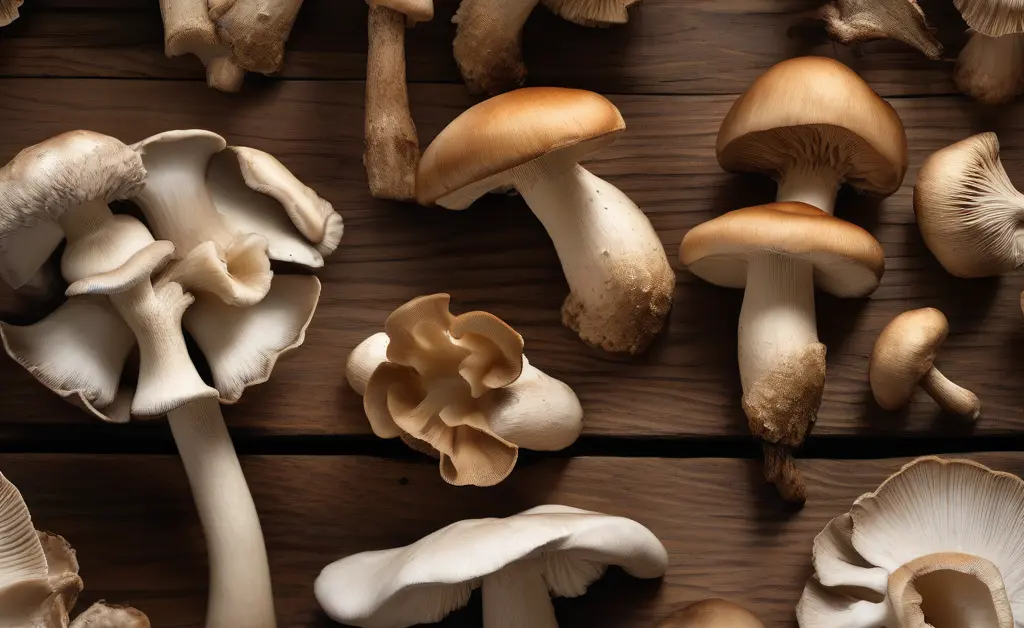
Several types of medicinal mushrooms are frequently highlighted for their specific contributions to gut health. When considering mushroom drinks for gut health, understanding the unique properties of each can be helpful. Beyond the common types, exploring the specific oyster mushroom benefits can reveal additional advantages for digestive support.
- Chaga Mushrooms: Often referred to as the “King of Medicinal Mushrooms,” Chaga is rich in antioxidants, which may help protect the gut lining. Its complex polysaccharides are studied for their potential to support a balanced immune response and may act as prebiotics.
- Turkey Tail Mushrooms: Widely researched for their immune-modulating properties, Turkey Tail contains potent polysaccharides, particularly polysaccharopeptide (PSP) and polysaccharide-K (PSK). These compounds are believed to promote beneficial gut bacteria and support overall gastrointestinal health.
- Reishi Mushrooms: Known as the “Mushroom of Immortality,” Reishi is an adaptogen that may help the body cope with stress. Chronic stress can negatively impact gut health, so Reishi’s calming properties could indirectly benefit digestion. It also contains triterpenes and polysaccharides studied for their potential anti-inflammatory effects.
- Lion’s Mane Mushrooms: While primarily recognized for its neuroprotective potential, Lion’s Mane also contains compounds that may support gut health. It has been studied for its ability to promote the growth of beneficial gut bacteria and potentially support the integrity of the intestinal lining.
- Cordyceps Mushrooms: Often associated with energy and endurance, Cordyceps may also have a role in gut health. Its compounds are studied for their potential to support a healthy inflammatory response and may contribute to a balanced gut environment.
How Mushroom Coffee Can Be Ideal For Your Gut Health
Mushroom coffee has emerged as a popular way to incorporate medicinal mushrooms into a daily routine, offering a unique blend that may be ideal for supporting gut health. This beverage typically combines ground coffee beans with powdered extracts of various functional mushrooms. The appeal lies in the ability to enjoy the familiar ritual of coffee while potentially gaining the digestive benefits of mushrooms. For some, mushroom coffee may offer a gentler caffeine experience compared to traditional coffee, potentially reducing common digestive upsets associated with high caffeine intake, especially when the caffeine content is moderated by the addition of mushrooms. The prebiotics and other beneficial compounds from mushrooms like Chaga or Lion’s Mane can work synergistically with the coffee to create a beverage that nourishes the gut microbiome. This combination seeks to leverage the stimulating effects of coffee alongside the gut-supporting properties of mushroom extracts, making mushroom drinks for gut health an accessible and enjoyable option for many.
Choosing the Right Mushroom Drink for Gut Health

Selecting the optimal mushroom drinks for gut health requires careful consideration of several factors to ensure efficacy and safety. Understanding ingredients is paramount; look for products that clearly list the mushroom species used and the form of the extract (e.g., fruiting body extract vs. mycelium biomass) as this can impact the concentration of beneficial compounds. Pay attention to the overall ingredient list, avoiding excessive sugars, artificial flavors, or unnecessary additives. When considering mushroom coffee, be mindful of the caffeine content if you are sensitive. Organic vs. non-organic options are also a consideration for those who prioritize products free from pesticides and other chemicals. For those following specific diets, it’s also worth investigating if cremini mushrooms are keto-friendly when selecting mushroom-based products.
While specific dosage and servings should be guided by product labels and personal tolerance, it’s wise to start with smaller amounts to assess your body’s response. Be aware of potential side effects and precautions, especially if you experience digestive upset or have known allergies to mushrooms. It is always recommended to consult a healthcare professional before incorporating new supplements, including mushroom drinks, into your routine, particularly if you have underlying health conditions or are taking medications, as interactions with medications are possible.
How to Incorporate Mushroom Drinks into Your Diet
Integrating mushroom drinks into your daily diet can be both simple and enjoyable, offering versatile ways to support gut health. One of the most common methods is to replace or supplement your regular morning coffee or tea with a mushroom-infused version. Many brands offer convenient mushroom coffee or tea blends that can be prepared just like your usual brew. Beyond drinks, some individuals opt for mushroom gummies with ashwagandha as a convenient alternative.
Beyond hot beverages, mushroom powders or liquid extracts can be seamlessly added to smoothies. This allows for a boost of beneficial compounds without significantly altering the taste of your favorite smoothie recipes. For a subtle addition, you can mix mushroom extracts into plain water or juice, creating a refreshing and health-promoting drink. Additionally, some mushroom powders can be incorporated into broths and soups, adding a savory depth of flavor along with their gut-supporting properties. Experimentation with different incorporation methods can help you find what works best for your taste and lifestyle, making it easy to consistently benefit from mushroom drinks for gut health.
What is the healthiest mushroom drink?
Determining the “healthiest” mushroom drink is subjective, as it largely depends on individual health goals, dietary preferences, and the specific needs of one’s gut. A truly healthy mushroom drink is typically characterized by a few key attributes. Firstly, it should contain high-quality, sustainably sourced medicinal mushroom extracts, ideally from the fruiting body, ensuring a potent concentration of bioactive compounds. Products that minimize added sugars, artificial sweeteners, and unnecessary fillers are generally preferred. The specific mushroom blend also plays a role; for gut health, drinks featuring mushrooms like Chaga, Turkey Tail, or Lion’s Mane are often highlighted due to their prebiotic and anti-inflammatory properties. While the focus here is on drinks, other forms like mushroom capsules for weight loss are also available, catering to different wellness objectives.
Ultimately, the healthiest mushroom drink for an individual is one that is well-tolerated, aligns with their personal health objectives, and can be consistently incorporated into their diet. It’s also crucial to consider the overall diet and lifestyle, as mushroom drinks are intended to complement a balanced approach to wellness rather than being a sole solution.
The exploration of mushroom drinks for gut health reveals a promising avenue for supporting digestive wellness. These beverages, rich in prebiotics, antioxidants, and other beneficial compounds, offer a natural way to foster a balanced microbiome, reduce inflammation, and enhance overall gut function. From understanding the unique properties of various mushrooms like Chaga and Lion’s Mane to carefully choosing the right products and incorporating them into daily routines, the journey towards improved gut health through mushroom drinks is multifaceted. As research continues to unfold, the potential of these ancient fungi in modern health practices becomes increasingly evident, encouraging a holistic approach to nurturing our inner ecosystem.
It is important to note that this content is not intended as medical advice. The information provided is for general knowledge and informational purposes only, and does not constitute medical advice, diagnosis, or treatment. Always seek the advice of a qualified healthcare professional for any questions you may have regarding a medical condition or before making any decisions about your health or treatment plan.
FAQ
Which mushrooms are best for gut health?
Certain mushrooms, like Reishi and Lion’s Mane, are known for their beneficial compounds, including polysaccharides like beta-glucans. These compounds can interact with the gut microbiome, influencing the balance of beneficial bacteria. Research also indicates that shiitake mushrooms contain prebiotics that support a healthy gut environment.
Can mushroom coffee improve gut health?
Mushroom coffee often incorporates functional mushrooms that contain prebiotic fibers. These fibers can serve as food for beneficial gut bacteria, potentially supporting a more diverse and balanced microbiome. Additionally, some mushrooms possess compounds that may have anti-inflammatory properties relevant to gut well-being.
Are mushroom drinks safe for your gut?
Mushroom drinks, when prepared with edible mushrooms, are generally considered safe for consumption and may offer benefits to the gut. The complex carbohydrates and fibers found in mushrooms can contribute positively to the gut environment. Individuals with specific sensitivities or digestive issues should always consult with a healthcare professional.
How often should I drink mushroom tea for gut health?
Consistency is often key when exploring the potential benefits of functional ingredients. Integrating mushroom tea into a regular routine allows the body to continually engage with the compounds present in the mushrooms. Personal responses can vary, so attentive observation of your body’s feedback is recommended.