
Assessing the Safety of Mushroom Drinks During Pregnancy
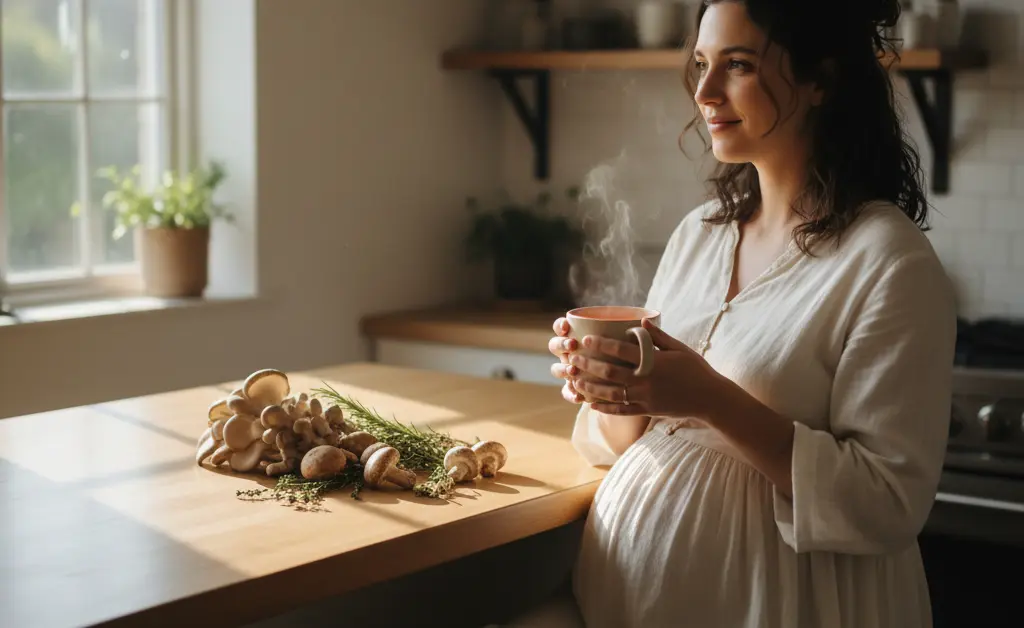
Navigating dietary choices during pregnancy can be a complex task, with countless recommendations and warnings to consider. Many expectant mothers seek natural remedies and health-boosting options, often encountering popular trends like mushroom-based beverages. However, a common and critical concern arises: are these products truly safe for both mother and developing baby? The desire for wellness must always be balanced with caution, particularly when introducing new elements into a pregnancy diet. This article aims to provide clear, evidence-based guidance on the safety and considerations surrounding mushroom drinks pregnancy, helping you make informed decisions during this vital period.
Understanding Mushroom Drinks for Pregnancy
Mushroom drinks encompass a wide range of beverages, from instant mushroom coffee blends to various mushroom teas, and even simple powders mixed into water or smoothies. These products often feature extracts from different types of fungi, such as reishi, chaga, lion’s mane, cordyceps, and even common white mushrooms. Consumers are typically drawn to these beverages for their perceived wellness benefits, which may include support for energy, focus, and immune function. However, the unique physiological state of pregnancy demands a careful evaluation of any new dietary inclusion. The question of safety for mushroom drinks pregnancy becomes paramount, particularly because many of these products are marketed as health supplements rather than food items, leading to less stringent regulatory oversight and a lack of specific research concerning their effects on expectant mothers.
White mushroom during pregnancy
When discussing mushrooms during pregnancy, it’s crucial to distinguish between culinary mushrooms and concentrated extracts found in beverages. Common edible mushrooms, such as the white mushroom (Agaricus bisporus) often found in grocery stores, are generally considered safe for consumption as part of a balanced diet when properly cooked. For those wondering, can you eat raw button mushroom during pregnancy, it is important to remember that cooking often enhances digestibility and reduces potential contaminants. They are valued for their nutritional content, providing vitamins, minerals, and fiber. However, the context changes significantly when these mushrooms, or other varieties, are processed into concentrated forms for drinks or supplements. While the occasional inclusion of cooked white mushroom in a meal is usually not a concern, the safety of consuming high doses of white mushroom extract in beverage form during pregnancy is not well-established, and therefore, a cautious approach is often recommended by healthcare professionals.
Is Mushroom Coffee Safe During Pregnancy?

Mushroom coffee has gained popularity as an alternative to traditional coffee, typically blending instant coffee with various mushroom extracts. The safety of mushroom coffee during pregnancy involves a dual consideration: the caffeine content and the mushroom components. Caffeine intake during pregnancy is generally advised to be limited, and while mushroom coffee often contains less caffeine than regular coffee, it is rarely caffeine-free. Expectant mothers should monitor their total caffeine consumption from all sources. Beyond caffeine, the specific mushroom extracts used in these coffees—such as chaga, lion’s mane, or cordyceps—have not been extensively studied for their effects during pregnancy. Many of these mushrooms are known for their adaptogenic or immune-modulating properties, but the impact of these properties on a developing fetus or the maternal system during pregnancy remains largely unexplored. Therefore, without clear evidence of safety, and considering the lack of specific guidance for mushroom drinks pregnancy, exercising caution regarding mushroom coffee is a prudent approach.
Potential Benefits of Mushroom Drinks During Pregnancy

Many individuals turn to mushroom drinks outside of pregnancy for a variety of perceived health benefits. These often include claims of enhanced immune support, improved energy and focus, or assistance with stress and sleep management. Certain mushroom varieties, like reishi, are traditionally studied for their calming properties, while lion’s mane is often associated with cognitive support. Cordyceps is sometimes linked to increased stamina and vitality. When considering these potential benefits during pregnancy, it’s important to understand that most of these associations are based on general population studies or traditional uses, not specific research on pregnant individuals. While the allure of natural remedies for common pregnancy discomforts like fatigue or anxiety is understandable, the unique physiological demands and vulnerabilities of pregnancy mean that any potential benefit must be carefully weighed against the unknown risks. The absence of comprehensive safety data for mushroom drinks pregnancy makes it challenging to confidently recommend them for these potential advantages during this critical period.
Risks and Precautions of Mushroom Drinks for Pregnant Women
The primary concern regarding mushroom drinks for pregnant women stems from a significant lack of scientific research specific to their consumption during gestation. Most mushroom extracts used in beverages are considered dietary supplements, which do not undergo the same rigorous testing and approval process as pharmaceutical drugs. This means there is limited data on their safety, efficacy, potential side effects, or interactions with pregnancy-related physiological changes. Some mushroom types may possess potent bioactive compounds that could potentially affect hormonal balance, blood clotting, or immune function, all of which are critical systems during pregnancy. For instance, understanding potential tremella mushroom side effects is crucial before consumption. Furthermore, the concentration of active compounds can vary widely between products, making it difficult to assess a standardized risk. For these reasons, many healthcare providers advise against consuming mushroom drinks pregnancy due to the precautionary principle—when there’s insufficient evidence of safety, it’s best to avoid. Information about mushroom extract and pregnancy safety is largely unavailable.
Specific Mushroom Types to Avoid
While many common culinary mushrooms are generally safe, certain types of mushrooms or their concentrated extracts are often advised to be avoided during pregnancy due to their potent pharmacological actions or lack of safety data. For instance, some “medicinal” mushrooms are known for their strong immune-modulating effects, which could theoretically interact with the delicate balance of the maternal immune system or impact fetal development. Additionally, any mushroom known to have psychedelic properties, even in trace amounts, must be strictly avoided. It is also important to be wary of any mushroom product not clearly labeled or from an unreliable source, as misidentification or contamination can pose significant risks. Generally, unless a specific mushroom extract has been thoroughly researched and deemed safe by medical authorities for pregnant women, it is prudent to err on the side of caution and avoid it.
Potential Allergic Reactions
As with any food or supplement, there is always a potential for allergic reactions to mushroom drinks. An allergic reaction can range from mild symptoms like skin rashes, itching, or digestive upset to severe responses such as anaphylaxis, which requires immediate medical attention. During pregnancy, any adverse reaction can be particularly concerning, as it not only affects the mother but could also indirectly impact the developing baby. If a pregnant woman has a known mushroom extract allergy or allergy to fungi, consuming mushroom-based beverages should be strictly avoided. Even without a prior allergy, introducing a new ingredient like concentrated mushroom extract carries a risk, especially given the altered immune response that can occur during pregnancy. It is always wise to be vigilant for any unusual symptoms after consuming new foods or drinks.
When to Stop or Avoid
Given the general lack of safety data for mushroom drinks during pregnancy, the default recommendation from many healthcare professionals is to avoid them entirely. However, if a pregnant individual has already consumed these beverages, or if they are considering their use, specific scenarios warrant immediate cessation or avoidance. Any signs of adverse reactions, such as digestive upset, skin rashes, headaches, or unusual fatigue, should prompt immediate discontinuation. It is also crucial to stop consumption if any complications arise during pregnancy that could potentially be exacerbated by active compounds in mushroom extracts. Ultimately, the decision to stop or avoid should always be made in consultation with a healthcare provider who can offer personalized advice based on the individual’s health status and pregnancy specifics.
Mushroom Drinks Pregnancy Trimester Guide
The question of consuming mushroom drinks throughout pregnancy carries similar cautionary advice across all three trimesters, primarily due to the consistent lack of specific safety research. While each trimester has its unique developmental milestones and maternal physiological changes, the overarching recommendation remains consistent: exercise extreme caution or avoid these products altogether. The absence of comprehensive studies on how various mushroom extracts affect fetal development and maternal health at different stages means that potential risks are largely unknown.
Mushroom during pregnancy first trimester
The first trimester is a critical period for organogenesis, the formation of the baby’s major organs. During this time, the developing embryo is particularly vulnerable to external influences. Introducing substances, including concentrated mushroom extracts found in drinks, without clear safety data could pose unknown risks to this delicate developmental process. Many healthcare providers advise against consuming new supplements or non-essential remedies during the first trimester to minimize any potential interference with early fetal development. Therefore, the general advice for mushroom drinks pregnancy in the first trimester leans heavily towards avoidance.
Mushroom during pregnancy second trimester
As pregnancy progresses into the second trimester, the baby continues to grow and mature rapidly. While the critical period of organ formation has passed, the developing systems are still susceptible to external factors. The placenta, which facilitates nutrient and waste exchange, is fully functional, but its role in processing unknown compounds from mushroom extracts has not been studied. Even if a substance doesn’t directly cause birth defects, it could potentially affect growth patterns or the maturation of organ systems. Thus, the cautious approach to mushroom drinks pregnancy continues to be recommended throughout the second trimester.
Mushroom during pregnancy third trimester
In the third trimester, the focus shifts to the final stages of fetal growth and preparation for birth. While the baby is largely developed, its systems are still refining. Concerns in the third trimester might include potential effects on maternal blood pressure, blood clotting, or even interactions that could influence the onset or progression of labor. The body is also preparing for postpartum recovery and lactation. Given the unknown impact of mushroom extracts on these processes, continuing to avoid mushroom drinks pregnancy during the third trimester is a prudent recommendation to safeguard both maternal and infant health during this final stage and beyond.
Recommendations and Alternatives for Mushroom Drinks During Pregnancy
Given the limited research and the general precautionary principle in pregnancy, the most consistent recommendation regarding mushroom drinks is to exercise extreme caution or, ideally, to avoid them. Consulting with a healthcare provider, such as an obstetrician or a registered dietitian specializing in prenatal nutrition, is crucial before introducing any new supplement or non-traditional beverage into your diet during pregnancy. Reliable health information can also be found on trusted sources like the NHS. They can provide personalized advice based on your individual health profile and pregnancy status. For those seeking alternatives to mushroom drinks for perceived benefits like immune support, energy, or relaxation, there are many well-researched and pregnancy-safe options available. These might include nutrient-rich foods, appropriate exercise, prenatal vitamins, and established herbal teas known to be safe in pregnancy, always under medical guidance. When considering mushroom drinks pregnancy, prioritize well-being and rely on scientifically supported practices.
Safe Practices for Consumption
While the overall recommendation leans towards avoiding mushroom drinks during pregnancy due to a lack of safety data, if an expectant mother chooses to consider consumption, several practices can help minimize potential risks. Always prioritize transparency and quality by selecting products from reputable brands that provide third-party testing results for purity and contaminants. Carefully review ingredient lists to ensure no other potentially harmful components are present. Opting for products containing common culinary mushrooms rather than exotic or highly potent “medicinal” varieties might be a slightly less uncertain choice, though even these lack specific pregnancy safety studies in concentrated forms. It is also advisable to start with minimal amounts and be highly attentive to any adverse reactions. However, it must be reiterated that even with these precautions, the fundamental uncertainty surrounding mushroom drinks pregnancy persists, and open communication with your healthcare provider about any dietary choices is paramount for maternal and fetal health.
Navigating the vast array of health products during pregnancy requires a careful balance of personal wellness goals and evidence-based safety. While mushroom drinks are gaining popularity for their potential benefits, the critical lack of specific research on their effects during pregnancy necessitates a cautious approach. Both expectant mothers and healthcare providers must prioritize the well-being of mother and baby above all else. When considering mushroom drinks or any similar supplement, thorough consultation with a medical professional is not just recommended, but essential for making informed and safe dietary choices throughout pregnancy.
The content provided in this article is intended for informational learning, not clinical application. This information should not be used as a substitute for professional medical advice, diagnosis, or treatment. Always seek the advice of your physician or other qualified health provider with any questions you may have regarding a medical condition or before making any decisions about your health or care. Reliance on any information appearing in this article is solely at your own risk.
FAQ
Can I drink mushroom coffee while pregnant?
Consuming mushroom coffee during pregnancy requires careful consideration. It is recommended to consult with a healthcare provider before incorporating any new supplements or beverages, including those containing functional mushrooms, into your diet while pregnant. This ensures that any potential effects are understood in the context of your individual health and pregnancy.
What are the risks of drinking mushroom coffee during pregnancy?
The risks associated with drinking mushroom coffee during pregnancy are not extensively documented. As with any dietary changes during pregnancy, it is prudent to err on the side of caution and discuss with your doctor to understand any potential concerns related to the specific mushrooms used and their preparation.
Are there any benefits of drinking mushroom coffee during pregnancy?
While some functional mushrooms are studied for their potential wellness properties, scientific research specifically on the benefits of mushroom coffee during pregnancy is limited. Discussions with a healthcare professional can help determine if any purported benefits align with your specific pregnancy needs and are supported by evidence.
Which mushrooms are safe to consume during pregnancy?
The safety of consuming specific mushrooms during pregnancy has not been broadly established through rigorous scientific study. While culinary mushrooms like white button or cremini are generally considered safe when cooked, the use of functional mushrooms, especially in concentrated forms, warrants professional medical guidance. It is important to clarify with your healthcare provider which types of mushrooms, if any, may be suitable.
How much mushroom coffee is safe during pregnancy?
Determining a safe amount of mushroom coffee during pregnancy is not clearly defined by current scientific literature. Given the lack of specific research on this topic, it is best to seek personalized advice from your obstetrician or midwife regarding the consumption of such beverages.