
The Double Extraction Method for Mushroom Tinctures
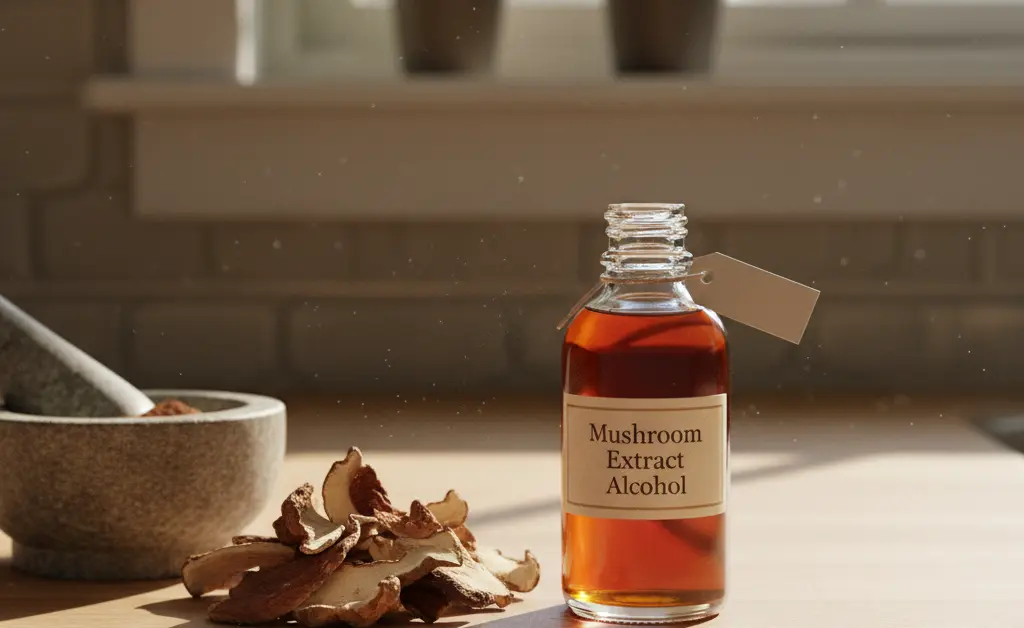
Picture yourself in your kitchen, perhaps organizing your daily supplements, and you come across a bottle of mushroom tincture. You might ponder the concentrated power within and how it’s achieved. Many health-conscious individuals are increasingly turning to natural remedies, and the efficacy of these often depends on the extraction methods used. This is particularly true for medicinal mushrooms, where unlocking their full spectrum of beneficial compounds requires specific techniques. Understanding the science behind these preparations is key to appreciating their potential. This article will delve into the double extraction method, a sophisticated approach designed to maximize the bio-availability of mushroom constituents, specifically exploring the critical role of mushroom extract alcohol in this process to ensure a comprehensive and potent end product.
What is Mushroom Extract Alcohol?
Mushroom extract alcohol refers to a liquid preparation where the beneficial compounds from medicinal mushrooms have been dissolved and concentrated using an alcohol-based solvent. This method is fundamental to creating potent tinctures, as alcohol acts as a powerful agent for drawing out certain types of compounds that water alone cannot effectively capture. The resulting solution is a concentrated form of the mushroom’s active constituents, making them more bioavailable for the body to utilize. A high-quality mushroom extract alcohol product represents a targeted approach to harnessing the full spectrum of a mushroom’s therapeutic properties.
Role of Alcohol in Extraction
Alcohol plays a pivotal role in the extraction process due to its solvent properties. It is particularly effective at dissolving triterpenes, sterols, and other non-water-soluble compounds found within mushrooms. These lipophilic (fat-loving) substances are often trapped within the fungal cell walls and require a solvent with similar properties to be released. By breaking down these cellular structures and dissolving these compounds, alcohol ensures that a broader range of medicinal properties becomes available in the final extract. This is a key reason why alcohol-based extractions are favored for many medicinal mushrooms.
Understanding Alcohol Content
The alcohol content in mushroom extracts is a critical factor influencing both the extraction efficiency and the stability of the final product. Different compounds require varying alcohol concentrations for optimal extraction. For instance, some triterpenes might be best extracted with higher proof alcohol, while other beneficial compounds may require a slightly lower concentration. The alcohol content also serves as a natural preservative, inhibiting microbial growth and extending the shelf life of the tincture. Understanding the specific alcohol percentage used in a mushroom extract alcohol preparation can provide insight into its intended potency and the range of compounds it aims to deliver.
Why Use Alcohol for Mushroom Extracts?
The strategic use of alcohol in mushroom extraction is rooted in its ability to access and dissolve a wider array of bioactive compounds compared to water alone. Medicinal mushrooms contain a complex profile of constituents, some of which are hydrophilic (water-soluble) and others that are lipophilic (alcohol-soluble). To create a truly comprehensive and therapeutically potent extract, both types of compounds need to be efficiently liberated from the mushroom material. This is where the unique properties of alcohol become indispensable in producing a full-spectrum mushroom extract alcohol.
Benefits of Alcohol Extraction
Alcohol extraction offers several significant benefits. Firstly, it effectively extracts triterpenes, sterols, and other lipid-soluble compounds that are crucial for many of the recognized health benefits of medicinal mushrooms. These compounds are often not soluble in water, meaning a water-only extract would miss out on these important elements. Secondly, alcohol acts as a potent preservative, naturally extending the shelf life of the tincture without the need for artificial additives. Thirdly, alcohol can increase the bioavailability of certain compounds, making them easier for the body to absorb and utilize. This comprehensive extraction capability makes alcohol an invaluable tool for creating powerful mushroom preparations.
Alcohol vs. Water Extraction: Why Dual Extraction Captures …
While water is excellent at extracting polysaccharides like beta-glucans, which are known for their immune-modulating properties, it falls short when it comes to triterpenes and other non-polar compounds. Conversely, alcohol excels at extracting these non-polar substances but is less efficient for polysaccharides. This inherent limitation of single-solvent extraction highlights the necessity of a dual or double extraction method. By combining both alcohol and water extraction phases, the double extraction process ensures that a broad spectrum of both water-soluble and alcohol-soluble compounds are captured, resulting in a more complete and therapeutically robust mushroom extract. This synergistic approach maximizes the potential benefits derived from the mushroom.
How to Make Mushroom Extract Alcohol (Double Extraction)
The process of creating a mushroom extract alcohol using the double extraction method involves two distinct phases: an initial alcohol extraction followed by a hot water decoction. This dual approach ensures that both alcohol-soluble and water-soluble compounds from the mushrooms are effectively captured. While precise measurements and times are typically part of detailed recipes, the general methodology focuses on thoroughness and patience to yield a potent final product.
How to make mushroom extract with alcohol
The first step in producing a potent mushroom extract alcohol involves macerating dried mushroom material in a high-proof alcohol for an extended period, often several weeks. During this phase, the alcohol works to dissolve triterpenes, sterols, and other non-water-soluble compounds. The mushroom material is typically chopped or ground to increase its surface area, facilitating more efficient extraction. After the initial maceration, the alcohol is strained off, separating the mushroom solids from the alcohol-soluble compounds, forming the initial alcohol extract. The remaining mushroom material still contains valuable water-soluble compounds, which are then processed in the next phase of the double extraction.
Mushroom tincture alcohol percentage
The specific alcohol percentage used in a mushroom tincture is crucial for optimizing the extraction of various beneficial compounds. Different mushrooms and their desired constituents may necessitate different alcohol strengths. Generally, an alcohol percentage that is too low might not effectively dissolve certain triterpenes, while an excessively high percentage could potentially denature some delicate compounds or prove less efficient for overall extraction. The chosen percentage aims to strike a balance, ensuring maximum efficacy for the mushroom extract alcohol while maintaining the integrity of its active ingredients.
What type of alcohol is best for making mushroom tincture?
For crafting mushroom tinctures, high-proof, food-grade alcohol is typically recommended. Options commonly include organic cane alcohol, grain alcohol, or vodka, usually ranging in proof from around 80 (40% ABV) to 190 (95% ABV). The specific proof chosen often depends on the mushroom species and the types of compounds one aims to extract. For robust extraction of both water-soluble and alcohol-soluble compounds in a double extraction, a higher proof alcohol (e.g., 100-150 proof) is often preferred for the initial alcohol phase. It is essential to use alcohol that is safe for consumption and free from undesirable additives.
Types of Mushrooms Suitable for Alcohol Extraction
Many medicinal mushrooms benefit significantly from alcohol extraction, particularly those rich in triterpenes and other non-polar compounds. Popular examples include Reishi, Chaga, Lion’s Mane, Turkey Tail, and Cordyceps. While all these mushrooms also contain valuable water-soluble polysaccharides, their full therapeutic potential is often unlocked when an alcohol extraction is performed, either as a standalone process for specific compounds or as part of a comprehensive double extraction. The choice to use alcohol extraction is driven by the unique chemical profile of each mushroom.
Specific Mushroom Properties and Alcohol Solubility
Different mushroom species possess distinct chemical compositions, influencing their solubility in alcohol. For instance, Reishi mushrooms are renowned for their triterpenes, which are largely alcohol-soluble and contribute to their adaptogenic properties. Chaga mushrooms contain betulinic acid and other triterpenes concentrated in their sclerotium, making alcohol extraction essential for accessing these compounds. Lion’s Mane contains hericenones and erinacines, some of which are better extracted with alcohol. Understanding these specific properties helps in selecting the appropriate alcohol percentage and overall extraction strategy to maximize the yield of desired bioactive compounds in the final mushroom extract. Further scientific literature on mushroom compounds can be explored through NCBI.
Medicinal Mushroom Tincture: Recipe for Double Extraction
Creating a medicinal mushroom tincture through double extraction involves a detailed two-phase process designed to capture the full spectrum of beneficial compounds. While specific quantities vary by recipe and desired concentration, the general steps ensure both alcohol-soluble and water-soluble components are retrieved. The process typically begins with an alcohol maceration, followed by a water decoction of the same mushroom material. The resulting liquid extracts are then often combined to form a potent, comprehensive tincture. This method is widely employed for mushrooms like Reishi, Chaga, and Lion’s Mane to maximize their therapeutic potential.
Safety and Dosage Considerations
When incorporating mushroom tinctures or any concentrated mushroom extract into a wellness routine, understanding general safety guidelines and dosage considerations is important. While medicinal mushrooms are widely regarded as safe for most individuals, individual responses can vary. It is always prudent to begin with a smaller amount to assess tolerance. It’s also important to source mushroom extracts from reputable suppliers to ensure quality and purity. While specific advice on intake is beyond the scope of this article, being informed about product quality and personal sensitivity is a cornerstone of responsible use.
Where to Buy Mushroom Extract Alcohol
For those seeking high-quality mushroom extract alcohol, there are several avenues to explore. Reputable health food stores often carry a selection of tinctures from well-known brands specializing in medicinal mushrooms. Online retailers and dedicated herbal supplement websites also provide a vast array of options, often with detailed product descriptions and third-party testing information. When purchasing mushroom extract alcohol, it is important to look for products that specify their extraction method (e.g., double extraction), alcohol percentage, and provide transparency regarding their mushroom sourcing and processing to ensure purity and potency. Reading customer reviews and seeking brands with certifications can also help guide your choice.
The journey through the double extraction method for mushroom tinctures reveals a sophisticated approach to harnessing the full therapeutic potential of medicinal fungi. From understanding the vital role of alcohol in dissolving key compounds to appreciating the synergistic benefits of dual extraction, each step contributes to a more potent and comprehensive final product. As interest in natural wellness continues to grow, the science behind effective extraction techniques like those producing mushroom extract alcohol remains paramount, offering concentrated forms of nature’s remedies for broader accessibility and efficacy.
Readers should understand that this article does not offer medical diagnosis or treatment. The information provided is for educational purposes only and should not be considered a substitute for professional medical advice. Always consult with a qualified healthcare provider before making any decisions about your health or starting any new wellness regimen, especially if you have existing health conditions or are taking medications. Individual results from using mushroom products may vary.
FAQ
What is the best alcohol for mushroom tinctures?
Ethanol, commonly found in drinking alcohol, is often selected for its ability to extract a broad spectrum of compounds from mushrooms. This type of alcohol is effective because it can efficiently pull out both water-soluble and alcohol-soluble beneficial compounds, ensuring a comprehensive extraction. Different proofs of alcohol are used to optimize the extraction of specific compounds, with higher proofs generally favored for capturing a wider range of beneficial constituents.
Can you make mushroom extract without alcohol?
Yes, it is possible to create mushroom extracts using methods that do not involve alcohol. Glycerin, for example, is a popular alternative that can be used to extract water-soluble compounds from mushrooms. Water itself can also be used as an extraction solvent, particularly for polysaccharides, though it may not capture the same range of compounds as alcohol-based methods.