
Supporting Liver Health with Mushroom Extracts
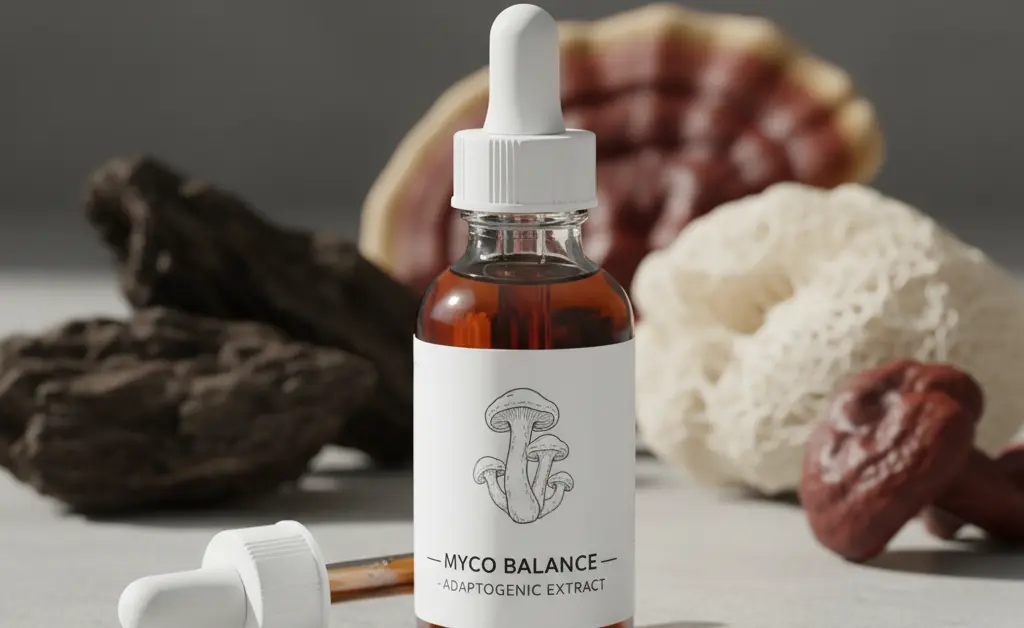
It’s deeply comforting to know that natural pathways exist to support our body’s most vital functions, especially when it comes to an organ as hardworking as the liver. This extraordinary organ silently performs hundreds of essential tasks, from detoxification to metabolism, making its health paramount for overall well-being. Many are naturally curious about gentle yet effective ways to bolster its resilience. For centuries, various cultures have revered medicinal mushrooms for their profound health-promoting properties. Modern science is now beginning to unveil the complex biochemical reasons behind these traditional uses, highlighting their rich array of bioactive compounds. This article explores how a well-chosen mushroom extract for liver support can be a valuable addition to a holistic health regimen, offering a natural approach to maintaining this crucial organ’s vitality and function with confidence.
Medicinal Mushrooms for Liver Health
The quest for natural allies in maintaining liver health has led many to explore the rich tradition of medicinal mushrooms. These fascinating fungi have been revered across various cultures for their diverse health-supporting properties, including their potential role in promoting the well-being of the liver. Incorporating a quality mushroom extract for liver support can be a complementary approach for those seeking to bolster this vital organ’s functions. In addition to those detailed here, researchers are also looking into the specific oyster mushroom benefits for overall health.
Reishi mushroom for fatty liver
Reishi mushroom, scientifically known as Ganoderma lucidum, has a long history of use in traditional Eastern medicine, often associated with promoting longevity and overall vitality. Emerging research suggests that compounds found in Reishi, such as triterpenes and polysaccharides, may offer properties beneficial for liver health, particularly concerning conditions like fatty liver. These components are studied for their potential to help modulate metabolic processes and support cellular integrity within the liver, contributing to its healthy function.
Is mushroom good for fatty liver?
Many varieties of medicinal mushrooms are being investigated for their potential benefits related to fatty liver. While research is ongoing, the general consensus points towards the antioxidant and anti-inflammatory properties inherent in many mushrooms as key factors. By helping to combat oxidative stress and reduce inflammation, mushrooms may contribute to a healthier liver environment, potentially assisting in the management of excess fat accumulation and supporting the liver’s natural processes.
Turkey Tail For Liver: How The Mushroom Safeguards
Turkey Tail mushroom (Trametes versicolor) is widely recognized for its robust immune-modulating compounds, particularly polysaccharopeptide (PSP) and polysaccharide-K (PSK). Beyond its immune support, Turkey Tail is also being explored for its potential protective effects on the liver. Its strong antioxidant capacity may help shield liver cells from damage caused by free radicals, while its reported ability to support the body’s natural defenses contributes to overall systemic well-being, indirectly benefiting liver function.
Reishi (Ganoderma lucidum)
As mentioned, Reishi’s reputation as a “mushroom of immortality” extends to its perceived benefits for the liver. It is often studied for its hepatoprotective qualities, meaning it may help protect liver cells. The complex array of bioactive compounds in Reishi may contribute to its ability to support normal liver function, help maintain healthy enzyme levels, and assist in the body’s natural detoxification pathways.
Lion’s Mane (Hericium erinaceus)
Lion’s Mane, a distinctive mushroom known for its potential neurotrophic properties, also contributes to general health in ways that may indirectly benefit the liver. While not as directly associated with liver health as some other mushrooms, its antioxidant and anti-inflammatory characteristics contribute to overall cellular health and systemic balance. A healthy gut, often influenced by compounds in Lion’s Mane, can also play a role in supporting liver function.
Cordyceps (Cordyceps sinensis)
Cordyceps has a long history of use in traditional practices for supporting energy, stamina, and various organ systems, including the liver. This mushroom is recognized for its adaptogenic properties, which may help the body maintain balance under stress. Compounds in Cordyceps are studied for their potential to support liver detoxification processes and help maintain healthy liver enzyme levels, contributing to the liver’s ability to perform its many metabolic tasks effectively.
Turkey Tail (Trametes versicolor)
Beyond its well-known immune support, Turkey Tail’s rich composition of antioxidants and beneficial polysaccharides makes it a subject of interest for liver health. Its ability to combat oxidative stress and potentially support the body’s anti-inflammatory responses can be beneficial for the liver. By fostering a healthy internal environment, Turkey Tail may help the liver manage its daily functions more efficiently.
Chaga (Inonotus obliquus)
Chaga is a powerful antioxidant powerhouse, traditionally used for its immune-supporting and vitality-enhancing properties. The extremely high concentration of antioxidants in Chaga, such as superoxide dismutase (SOD), helps protect cells from damage, including those in the liver. By reducing oxidative stress, Chaga may contribute to maintaining the integrity and function of liver cells, which are constantly engaged in detoxification and metabolic processes.
Understanding Liver Support with Mushrooms
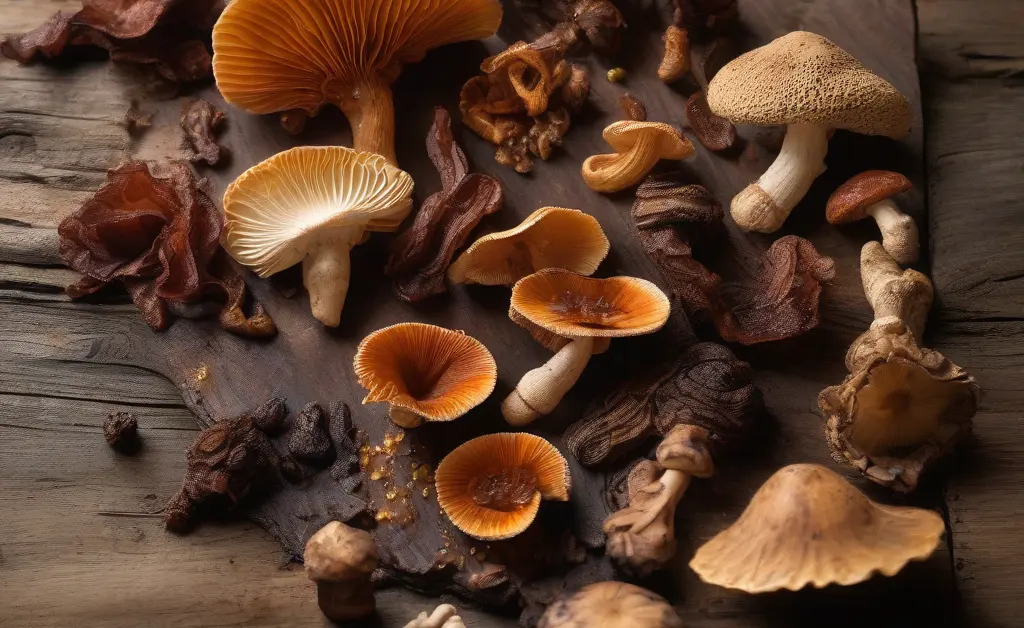
The liver is a complex and crucial organ, performing over 500 vital functions, from detoxification to nutrient metabolism. Supporting its health naturally is a priority for many, and a mushroom extract for liver care has garnered attention due to the multifaceted ways these fungi may contribute to hepatic well-being. The beneficial actions of medicinal mushrooms for the liver are often attributed to their rich profile of bioactive compounds.
Antioxidant Properties
Oxidative stress is a significant factor in liver damage. Medicinal mushrooms are abundant in antioxidants, such as polysaccharides, triterpenes, and phenolic compounds, which help neutralize harmful free radicals. By reducing oxidative stress, these compounds may help protect liver cells from damage, preserve their structural integrity, and support the liver’s capacity to function optimally. Additionally, some research investigates the use of oyster mushroom for specific conditions, broadening the scope of fungal therapeutic applications.
Anti-inflammatory Effects
Chronic inflammation can lead to various liver issues. Many medicinal mushrooms contain compounds that have been studied for their potential anti-inflammatory properties. By helping to modulate inflammatory pathways, mushrooms may contribute to reducing inflammation within the liver, thereby supporting its overall health and potentially preventing progression of inflammatory states that can impair function.
Detoxification Support
The liver is the body’s primary detoxification organ. While mushrooms do not perform detoxification directly, their compounds may support the liver’s natural detoxification enzymes and pathways. By enhancing the efficiency of these processes, a mushroom extract for liver health may assist the liver in processing and eliminating toxins and metabolic waste products more effectively, reducing the burden on the organ.
Enzyme Level Regulation (ALT, AST, LDH)
Elevated liver enzyme levels, such as Alanine Aminotransferase (ALT), Aspartate Aminotransferase (AST), and Lactate Dehydrogenase (LDH), can indicate liver stress or damage. Research has explored how certain compounds in medicinal mushrooms may influence these enzyme levels, potentially helping to maintain them within a healthy range. This regulatory effect is often linked to the mushrooms’ antioxidant and anti-inflammatory actions, which support the liver’s cellular health and function.
Mushroom Extract for Liver Benefits
Leveraging a high-quality mushroom extract for liver support can offer a comprehensive approach to nurturing this vital organ. The cumulative effects of various medicinal mushroom species may contribute to a robust set of benefits, reinforcing the liver’s natural resilience. These extracts often concentrate the beneficial compounds, making them a potent addition to a health regimen.
The benefits observed typically stem from the synergy of polysaccharides, triterpenes, and other unique compounds found within these fungi. Collectively, these components are studied for their potential to help protect liver cells from oxidative damage, modulate inflammatory responses, and support the body’s intrinsic detoxification mechanisms. Furthermore, some mushroom extracts are explored for their influence on maintaining balanced liver enzyme levels, which are critical indicators of hepatic health. By promoting an environment conducive to optimal liver function, a well-chosen mushroom extract for liver health may assist the organ in performing its myriad tasks efficiently, from processing nutrients to neutralizing harmful substances.
Beyond liver support, the versatility of mushroom extracts extends to other areas, such as the potential for mushroom extract for hair growth.
Choosing and Using Mushroom Extracts

When considering a mushroom extract for liver support, making informed choices about the product and its usage is essential for maximizing potential benefits and ensuring safety. The market offers a variety of formulations, each with its own characteristics, and understanding these can guide consumers toward suitable options.
Types of Extracts (Tinctures, Powders, Capsules)
Mushroom extracts come in several common forms. Tinctures are liquid extracts, often alcohol-based, that may offer quicker absorption. Powders are versatile and can be added to beverages or food. Capsules provide a convenient, pre-measured dose. For those exploring different formats, some individuals also seek mushroom gummies for weight loss, offering a convenient alternative. The choice often depends on personal preference, lifestyle, and specific health goals.
Potency and Standardization
The potency of a mushroom extract refers to the concentration of its active compounds. Standardization ensures that a product contains a consistent level of these beneficial constituents, such as polysaccharides (beta-glucans) or triterpenes, across different batches. Opting for standardized extracts can provide assurance regarding the product’s quality and expected effects.
Dosage Recommendations
Understanding appropriate usage is key. It is generally advisable to follow the manufacturer’s recommended serving suggestions provided on the product label. These guidelines are typically developed based on the extract’s concentration and intended use. Consistency in consumption is often suggested for optimal outcomes.
Best Practices for Consumption
For most mushroom extracts, integrating them into a daily routine is straightforward. Powders can be mixed into smoothies, coffee, or tea, while capsules can be taken with water. Some may prefer to take them with food, though this can vary by product. Listening to your body and observing its response is always a good practice.
Quality and Sourcing
The quality of a mushroom extract for liver health is paramount. Look for products that are transparent about their sourcing, preferably from reputable cultivators using organic practices. Third-party testing can verify purity and potency, ensuring the product is free from contaminants and contains the stated active ingredients. Dual extraction methods are often preferred for capturing a broad spectrum of beneficial compounds.
Potential Side Effects
While generally considered well-tolerated, some individuals may experience mild side effects, such as digestive upset or allergic reactions, when consuming mushroom extracts. It is advisable to start with a smaller serving to assess individual tolerance and discontinue use if any adverse reactions occur.
Interactions with Medications
Medicinal mushrooms can have bioactive properties that may interact with certain medications. For instance, some mushrooms might influence blood sugar levels or blood coagulation. Individuals taking prescription medications, especially for conditions related to the liver, blood, or immune system, should exercise caution.
Consulting a Healthcare Professional
Before incorporating any new supplement, particularly a mushroom extract for liver support, into your regimen, it is highly recommended to consult with a qualified healthcare professional. For general health guidance, resources such as the NHS website can also provide valuable information. This is especially important for individuals with existing health conditions, those taking medications, or pregnant and nursing individuals. A professional can provide personalized advice and help determine if a particular extract is appropriate for your specific health needs.
In conclusion, the exploration of mushroom extracts for liver health presents a compelling area of natural wellness. From traditional reverence to modern scientific inquiry, the bioactive compounds within medicinal mushrooms like Reishi, Turkey Tail, and Chaga are being increasingly recognized for their potential to support the liver’s crucial functions. Their antioxidant, anti-inflammatory, and potentially detoxifying properties offer a multifaceted approach to maintaining hepatic well-being. While selecting a high-quality product and adhering to best practices for consumption are essential, integrating a mushroom extract for liver support into a holistic health strategy may contribute to the vitality and resilience of this indispensable organ.
The information presented in this article is educational and not meant as professional medical counsel. This content is provided for informational purposes only and is not intended to diagnose, treat, cure, or prevent any disease. Always consult with a qualified healthcare professional before making any decisions about your health or starting any new health regimen or dietary supplement. Individual results may vary, and the efficacy of mushroom extracts for specific health conditions has not been universally established.
FAQ
Can mushroom supplements improve liver function?
Certain mushrooms contain compounds that have been studied for their supportive effects on the liver. These compounds can interact with biological pathways relevant to liver health. Research suggests these supplements may play a role in maintaining healthy liver processes.
How do medicinal mushrooms help with liver enzymes?
Medicinal mushrooms possess bioactive compounds, such as polysaccharides and triterpenoids. These compounds are known to interact with cellular mechanisms that influence liver enzyme levels. Their activity is linked to the body’s natural detoxification and metabolic processes within the liver.
What is the dosage for mushroom extract for liver health?
Dosage recommendations for mushroom extract for liver support vary widely depending on the specific mushroom species and the product formulation. Individual factors also influence what might be appropriate. It is best to consult product labels or a qualified healthcare professional for guidance.
Does mushroom good for fatty liver?
Some research indicates that certain mushroom compounds may be beneficial in managing factors associated with fatty liver. These mushrooms are studied for their potential to influence lipid metabolism and support the liver’s overall health. Further investigation is ongoing in this area.