
Beyond the Label: Choosing a Mushroom Extract Partner

Incorporating functional mushrooms into daily wellness routines often involves consuming them in highly concentrated extract forms. These potent extracts are valued for their diverse bioactive compounds, which support various aspects of health, from immune function to cognitive performance and overall vitality. However, the efficacy and safety of these products depend heavily on how they are produced, from the initial sourcing of raw materials to the meticulous extraction and stringent quality control processes. Navigating the market to find reliable partners is therefore crucial for any brand or individual seeking to offer high-quality mushroom-based supplements. This guide explores the essential criteria for evaluating mushroom extract manufacturers, helping you make informed decisions to ensure the integrity and effectiveness of the final products you choose.
Mushroom Extract Manufacturers
The role of mushroom extract manufacturers is to transform raw fungal materials into concentrated, bioavailable forms suitable for various applications, primarily supplements. These manufacturers specialize in isolating beneficial compounds, such as triterpenes, polysaccharides, and beta-glucans, through precise scientific methods. Their expertise is fundamental in creating products that consistently deliver on their purported benefits.
Medicinal Mushroom Extracts (e.g., Reishi, Lion’s Mane, Cordyceps)
Medicinal mushrooms like Reishi, Lion’s Mane, and Cordyceps have been traditionally valued for their health-supporting properties. Reishi, often associated with promoting tranquility and immune balance, is processed to concentrate its triterpenes and polysaccharides. Lion’s Mane is studied for its potential neurotrophic factors, which are often preserved through careful extraction. Cordyceps, known for its traditional use in supporting energy and stamina, yields cordycepin and other beneficial compounds. The expertise of mushroom extract manufacturers ensures that the distinct active components of each species are effectively captured and concentrated.
Functional Mushroom Extracts for Supplements
Functional mushroom extracts are specifically designed for incorporation into dietary supplements. These products aim to provide targeted health support, such as immune modulation, cognitive enhancement, or adaptation to stress. For general health information and advice, reliable sources like the NHS are often consulted. Unlike whole mushroom powders, extracts offer a higher concentration of beneficial compounds, allowing for more potent and consistent dosing. Manufacturers employ specific extraction techniques to maximize the bioavailability and efficacy of these compounds, ensuring the final supplement product meets desired health outcomes.
Extraction Methods (e.g., Hot Water, Alcohol, Dual Extraction)
The choice of extraction method is paramount to the quality and chemical profile of a mushroom extract. Hot water extraction is commonly used to draw out water-soluble compounds like polysaccharides and beta-glucans. Alcohol extraction is effective for obtaining alcohol-soluble compounds, such as triterpenes and sterols, which may not be water-soluble. Dual extraction, combining both hot water and alcohol methods, is often employed for mushrooms that contain a broad spectrum of beneficial compounds, ensuring a more comprehensive extract. Each method requires precision to optimize the yield and preserve the integrity of the active ingredients.
Drying and Powdering Processes
After extraction, the liquid extract undergoes careful drying and powdering to create the final concentrated product. Common drying methods include spray drying, freeze-drying, or vacuum drying, each chosen based on the sensitivity of the compounds and desired final characteristics. The goal is to remove moisture efficiently while preserving the active components. Once dried, the material is typically milled into a fine powder, which increases its surface area for better absorption and allows for easy incorporation into capsules, tinctures, or other supplement formulations. Proper drying and powdering are critical steps in maintaining the potency and stability of the mushroom extract.
Key Considerations When Choosing a Mushroom Extract Manufacturer

Selecting the right mushroom extract manufacturers is a critical decision that impacts the quality, safety, and effectiveness of your final product. Brands and consumers alike should carefully evaluate several factors beyond just the price point. A thorough assessment ensures that the extracts are not only potent but also produced responsibly and sustainably.
Quality and Purity Standards
Upholding rigorous quality and purity standards is non-negotiable for reliable mushroom extract manufacturers. This involves ensuring that the raw materials are of superior quality, free from contaminants, and correctly identified as the desired mushroom species. High-quality manufacturers implement strict in-process controls and final product testing to verify the concentration of active compounds and the absence of undesirable substances. Purity also refers to the absence of fillers, artificial ingredients, or unintended additives that could dilute the extract’s effectiveness or introduce potential risks.
Certifications and Compliance
Reputable mushroom extract manufacturers often hold various certifications that attest to their commitment to quality and ethical practices. These may include certifications for organic farming, Good Manufacturing Practices (GMP), ISO standards, or non-GMO verification. Compliance with national and international regulatory guidelines is also essential. Such certifications and adherence to regulations provide an independent assurance that the manufacturing processes meet specific, recognized standards, offering a layer of trust for both businesses and end-users.
Production Capacity and Scalability
For businesses looking to partner with mushroom extract manufacturers, assessing production capacity and scalability is crucial. A manufacturer should be able to consistently meet current demand while also having the flexibility to scale production up or down as needed. This involves evaluating their equipment, staffing levels, and supply chain management. Investing in advanced mushroom extraction equipment can significantly enhance a manufacturer’s capacity and product quality. An inability to meet demand or adapt to market fluctuations can lead to supply chain disruptions, impacting product availability and market positioning.
Research and Development Capabilities
Leading mushroom extract manufacturers often invest in research and development (R&D). This commitment allows them to innovate with new extraction techniques, optimize existing processes, and explore novel mushroom species or combinations. R&D capabilities can lead to more potent, stable, and bioavailable extracts, providing a competitive edge. A manufacturer with strong R&D also demonstrates a deep understanding of mushroom science and a proactive approach to product improvement.
Customer Service and Support
Effective customer service and support are vital for a successful partnership. This includes clear communication channels, responsiveness to inquiries, transparency in operations, and a willingness to collaborate. A manufacturer that provides excellent support can help navigate challenges, offer technical assistance, and build a strong, long-term business relationship. Good customer service extends to providing comprehensive documentation, such as Certificates of Analysis (CoAs) and regulatory paperwork.
Pricing and Payment Terms
While not the sole determinant, pricing and payment terms are practical considerations. Businesses should seek competitive pricing that reflects the quality and integrity of the extracts. It’s important to understand the pricing structure, minimum order quantities, and payment schedules. A transparent and fair pricing model, combined with flexible payment terms, can facilitate a smoother and more sustainable business arrangement with mushroom extract manufacturers.
Sourcing and Quality Control in Mushroom Extract Production
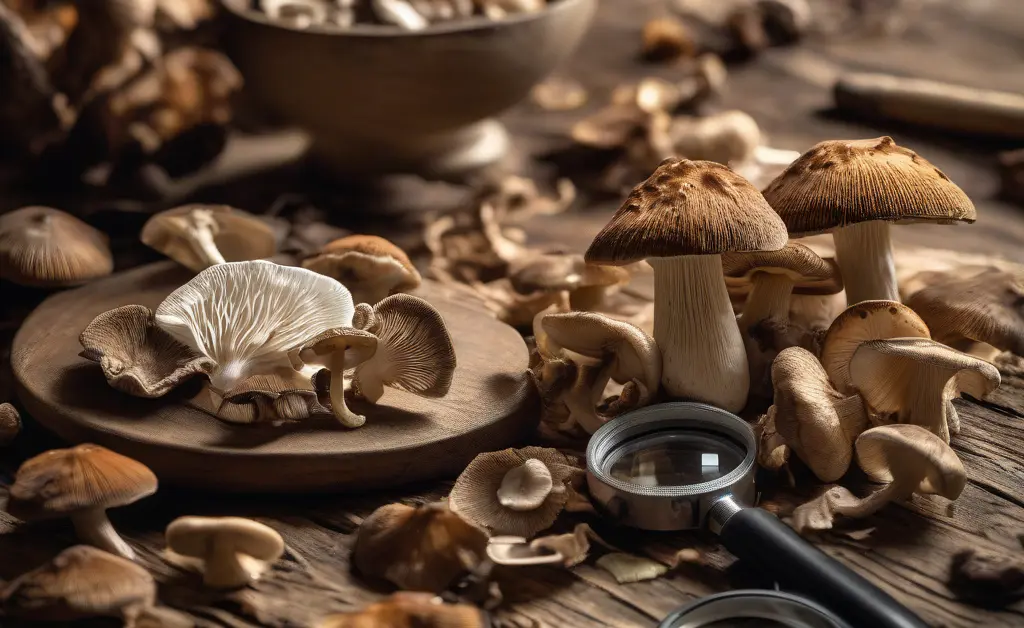
The foundation of a high-quality mushroom extract lies in its initial sourcing and the rigorous quality control measures implemented throughout production. Esteemed mushroom extract manufacturers understand that even the most advanced extraction techniques cannot compensate for poor raw materials or inadequate testing. Therefore, meticulous attention to these stages is paramount.
Raw Material Sourcing
The origin and quality of raw mushroom materials directly influence the efficacy and safety of the final extract. Reputable manufacturers prioritize sourcing from clean, unpolluted environments, ensuring the mushrooms are free from industrial toxins, heavy metals, and pesticides. They often establish direct relationships with growers or harvesters to ensure transparency and traceability from the source. The specific species, growing conditions, and harvest timing all play a role in the phytochemical profile of the raw material.
Cultivation vs. Wild Harvesting
Mushroom extract manufacturers typically source their raw materials from either cultivated or wild-harvested fungi. Cultivation allows for controlled growing conditions, ensuring consistency in genetics, purity, and active compound levels. It also provides a sustainable supply. Wild harvesting, on the other hand, can sometimes yield mushrooms with unique compound profiles due to natural environmental variations, but it carries risks of environmental contamination, overharvesting, and inconsistent potency. Both methods have their merits, and the choice often depends on the specific mushroom species and desired extract characteristics.
Quality Testing and Analysis
Internal quality testing and analysis are fundamental steps for any responsible manufacturer. This includes identity testing to confirm the mushroom species, potency testing to quantify active compounds (e.g., beta-glucans, triterpenes), and screenings for contaminants. Advanced analytical techniques, such as High-Performance Liquid Chromatography (HPLC) and Mass Spectrometry (MS), are often employed to ensure accuracy and precision in these assessments. This internal oversight is critical before any product moves to the next stage or is released.
Third-Party Testing and Verification
To further assure quality and build consumer trust, many leading mushroom extract manufacturers engage in third-party testing. This involves sending samples of their raw materials and finished products to independent laboratories for unbiased analysis. Third-party verification confirms the manufacturer’s internal test results, validating claims about purity, potency, and the absence of contaminants. This external validation adds a layer of credibility and transparency to the product.
Contaminant Testing (Heavy Metals, Pesticides)
Contaminant testing is a crucial aspect of quality control. Mushrooms, being fungi, can absorb substances from their environment. Therefore, rigorous testing for heavy metals (such as lead, cadmium, arsenic, and mercury) is essential, especially for wild-harvested varieties. Similarly, testing for pesticides, herbicides, and other agricultural chemicals is vital, particularly for cultivated mushrooms that might be exposed to these substances. Reputable manufacturers set strict limits for these contaminants, often exceeding regulatory requirements, to ensure consumer safety.
Importance of Transparency in Manufacturing
Transparency is a hallmark of ethical and trustworthy mushroom extract manufacturers. This involves openly communicating about sourcing practices, extraction methods, quality control procedures, and providing access to Certificates of Analysis (CoAs). Manufacturers who are transparent about their processes allow partners and consumers to make informed decisions and foster a greater sense of trust. This openness helps to demystify the production process and assures stakeholders of the product’s integrity.
Finding Reputable Mushroom Extract Suppliers
Identifying the right mushroom extract suppliers is a critical step for businesses aiming to provide high-quality functional mushroom products. The market can be diverse, and distinguishing truly reputable partners from less reliable ones requires diligent vetting. Focusing on suppliers with a proven track record of quality, transparency, and scientific integrity is essential.
How to Vet Manufacturers
Vetting potential mushroom extract manufacturers involves a comprehensive evaluation of their operations. Begin by researching their reputation, longevity in the industry, and any publicly available information regarding their practices. Look for testimonials or case studies from other clients. Request detailed documentation, including their manufacturing facility’s certifications, quality control protocols, and raw material sourcing policies. Site visits or virtual tours, if possible, can offer valuable insights into their operational standards and cleanliness. Ultimately, a thorough vetting process ensures alignment with your brand’s quality expectations.
Questions to Ask Potential Suppliers
Engaging in a detailed conversation with potential mushroom extract suppliers is key to assessing their suitability. Important questions to ask include: What are your primary sourcing methods (cultivated, wild-harvested)? Can you provide third-party Certificates of Analysis for all your products? What specific extraction methods do you utilize for each mushroom species? What quality control measures are in place at each stage of production? What certifications do your facilities hold (e.g., GMP, Organic)? How do you handle contaminant testing for heavy metals and pesticides? What is your policy on traceability of raw materials? Asking these direct questions helps uncover the depth of their commitment to quality and transparency.
Wholesale Mushroom Powder Supplier
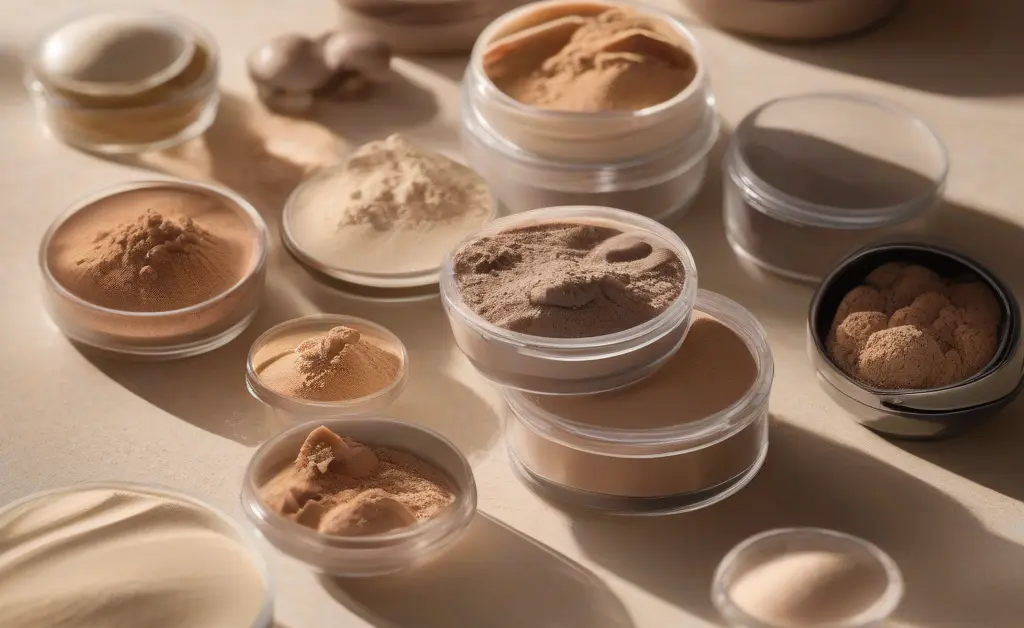
A wholesale mushroom powder supplier plays a pivotal role in the supply chain for brands developing mushroom-based products. These suppliers typically offer bulk quantities of various mushroom powders, which may or may not be extracts. When considering a wholesale mushroom powder supplier, it is crucial to understand if their offerings are simply dried and powdered whole mushrooms, or if they are concentrated extracts. The difference significantly impacts the potency and application of the final product. Reliable suppliers should provide comprehensive specifications for their powders, including origin, processing methods, and any testing for purity and active compounds.
Mushroom Extract Wholesale
For businesses looking to incorporate highly concentrated and bioavailable mushroom compounds into their products, mushroom extract wholesale is the appropriate avenue. This segment of the market caters to brands seeking bulk mushroom extracts, which have undergone specific processing to concentrate beneficial constituents. When engaging in mushroom extract wholesale, it’s important to verify the “extraction ratio,” if provided, as this can indicate the concentration level relative to the raw material. Additionally, confirming the presence and quantity of key active compounds (e.g., beta-glucans, triterpenes) through lab analysis is essential for ensuring product efficacy and consistency. For international trade, understanding the correct mushroom extract HS code is essential for proper classification and customs clearance. Partnering with reputable mushroom extract manufacturers who specialize in wholesale allows for consistent supply of high-quality, potent ingredients.
Choosing the right mushroom extract partner involves a careful balance of scientific rigor, quality assurance, ethical sourcing, and strong business relationships. By thoroughly evaluating potential manufacturers based on the considerations outlined, brands can ensure they are offering products that are not only effective but also safe, transparently produced, and aligned with consumer expectations for wellness. Investing time in this selection process will yield dividends in product integrity and long-term market success.
This material is shared for educational insight, not for clinical decision-making. The information provided is intended for general knowledge and understanding, and does not replace professional medical advice, diagnosis, or treatment. Always consult with a qualified healthcare professional for any health concerns or before making any decisions related to your health or care.
FAQ
How are mushroom extracts made?
Mushroom extracts are typically produced through a process of extraction, where beneficial compounds are drawn out from the mushroom’s fruiting body or mycelium. This often involves using water or alcohol solvents, or a combination of both, to isolate specific compounds like beta-glucans and triterpenes. The resulting liquid is then concentrated and often dried into a powder.
What is the difference between mushroom powder and mushroom extract?
Mushroom powder is essentially dried and ground whole mushrooms, preserving most of their original components. Mushroom extract, on the other hand, concentrates specific beneficial compounds, making them more bioavailable and potent by removing indigestible fibers. The extraction process is designed to target and increase the concentration of key active ingredients.
How do I find a reliable mushroom extract supplier?
When searching for a reliable mushroom extract supplier, look for companies that provide transparent information about their sourcing, extraction methods, and quality control testing. Third-party testing for heavy metals and contaminants, along with clear labeling of active compounds like beta-glucans, are important indicators of quality. Exploring reviews and understanding their manufacturing practices can also help in making an informed choice among mushroom extract manufacturers.