
Finding the Right Mushroom Extraction Equipment
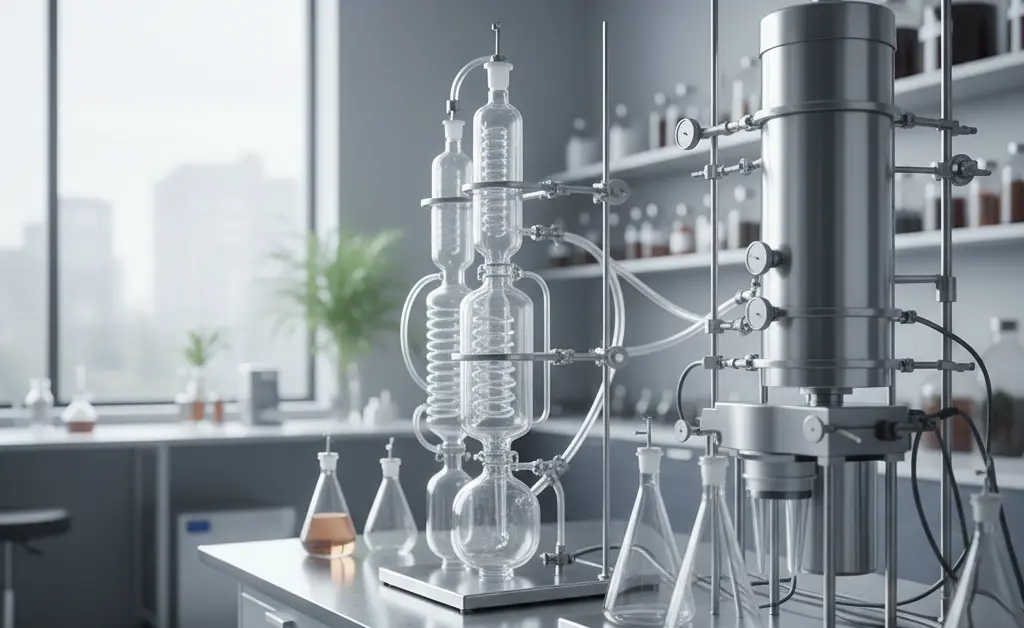
Are you looking to unlock the full potential of mushrooms, whether for culinary, medicinal, or industrial uses? Many enthusiasts and professionals face the challenge of extracting valuable compounds efficiently and without compromising their integrity. Traditional methods can be time-consuming, yield inconsistent results, or simply not be suitable for large-scale operations. Achieving optimal purity and concentration often feels like a complex puzzle. Navigating the myriad of options for mushroom extraction equipment can be daunting, but choosing the right tools is crucial for successful processing. This guide will explore the diverse methods and machinery, from simple solvent techniques to advanced supercritical systems, to help you understand what best suits your specific needs and goals.
Choosing the Right Mushroom Extraction Equipment

Selecting the appropriate mushroom extraction equipment is paramount for achieving desired outcomes, whether for small-batch artisanal products or large-scale industrial applications. Many mushroom extract manufacturers prioritize efficiency and scalability in their operations. The decision hinges on several critical factors, including the specific bioactive compounds targeted, the required purity, the desired scale of operation, and budgetary constraints. Understanding the purpose of mushroom extraction—which often includes increased yield and purity, and the preservation of bioactive compounds—will guide your choices. It’s essential to consider the factors associated with your project, such as initial investment, operational costs, ease of use, and maintenance requirements, as well as safety features and compliance with relevant regulations. Proper classification, such as identifying the correct mushroom extract HS code, is a key aspect of these regulations for international trade. A thorough evaluation of these elements ensures that the chosen mushroom extraction equipment aligns with your operational goals and contributes to environmental friendliness.
Ultrasonic Extractor
Ultrasonic extractors utilize high-frequency sound waves to create cavitation bubbles in a solvent, which then collapse, generating localized high pressure and temperature. This mechanical force helps to break down cell walls and release intracellular compounds more efficiently. This method is often favored for its ability to enhance extraction speed and yield, particularly for heat-sensitive compounds. It can significantly reduce extraction times compared to traditional methods and is considered a relatively energy-efficient option. Ultrasonic extractors are part of the broader category of advanced mushroom extraction equipment that aims for precision and efficiency in recovering valuable compounds.
Soxhlet Extractor
The Soxhlet extractor is a classic laboratory device known for its continuous and exhaustive extraction capability. It operates by repeatedly washing the solid sample with fresh, distilled solvent. This process ensures that virtually all soluble compounds are extracted from the mushroom material. While highly effective for maximizing yield and achieving high purity, Soxhlet extraction can be time-consuming and requires significant amounts of solvent. It is often chosen for its reliability and precision in research and development settings, where thorough extraction is prioritized over speed or solvent economy. Soxhlet extractors are robust pieces of mushroom extraction equipment, valued for their consistent results.
Supercritical Fluid Extraction (SFE) Systems
Supercritical Fluid Extraction (SFE) Systems employ a solvent, typically carbon dioxide, above its critical temperature and pressure, where it exhibits properties of both a gas and a liquid. This supercritical CO2 can penetrate the mushroom matrix like a gas and dissolve compounds like a liquid, offering excellent solvency. SFE is highly valued for its ability to extract specific compounds without the use of harsh chemical solvents, leaving behind no solvent residues. It allows for precise control over extraction parameters, enabling selective extraction of desired compounds. While the initial investment for SFE systems can be substantial, their ability to produce high-purity extracts and maintain the integrity of delicate bioactive compounds makes them a top choice for premium products, including some mushroom tinctures. These systems are also increasingly utilized for producing bulk mushroom extracts due to their efficiency and scalability.
Solvent Extraction Methods
Solvent extraction methods are among the most common and versatile approaches for isolating compounds from mushrooms. These techniques involve using a liquid solvent to dissolve specific compounds from the solid mushroom material. Common solvents include ethanol, methanol, water, and various organic compounds, each offering different selectivity for various bioactive compounds. The choice of solvent largely determines the type and range of compounds extracted. These methods can range from simple maceration to more complex agitated systems. While effective, careful consideration of solvent purity, recovery, and potential residues is necessary. Different solvent extraction methods are fundamental options within the broader category of mushroom extraction equipment, offering flexibility for diverse applications.
Hydrothermal Extraction
Hydrothermal extraction, primarily involving hot water extraction, is a traditional and widely used method for obtaining water-soluble compounds from mushrooms. This method often involves simmering or decocting mushroom material in hot water for extended periods. It is particularly effective for extracting polysaccharides, beta-glucans, and certain triterpenes that are soluble in water. Hydrothermal extraction is often seen as a simpler, more cost-effective method compared to more advanced techniques, making it accessible for home use and smaller-scale operations. It leverages the solvent properties of water at elevated temperatures to draw out beneficial compounds, supporting the preservation of bioactive compounds commonly sought from mushrooms. Information regarding the health benefits of various compounds can often be found through organizations like the WHO.
Types of Mushroom Extraction Equipment

The landscape of mushroom extraction equipment is diverse, reflecting the varied goals and scales of operation within the mushroom industry. Understanding the distinct types helps in making informed decisions about technology adoption. Generally, these systems can be categorized by the primary mechanism they employ to separate desired compounds from the fungal matrix. From basic methods leveraging solubility to sophisticated systems that manipulate physical states of matter, each type of equipment offers unique advantages in terms of efficiency, purity, and scalability for production.
The “What is Mushroom Extraction?” question is essentially answered by exploring these various types of equipment, as each represents a distinct approach to isolating the valuable components, such as triterpenes, polysaccharides, and other secondary metabolites. Recognizing the inherent properties of specific bioactive compounds in mushrooms is crucial for selecting equipment that optimizes their recovery. For instance, some equipment focuses on maximizing the yield of general extracts, while others are designed for highly targeted isolation of specific, sensitive compounds. The effectiveness of any mushroom extraction equipment is ultimately measured by its ability to deliver increased yield and purity, ensuring the extracted compounds retain their desired characteristics.
Ultimately, selecting the optimal mushroom extraction equipment involves balancing the desired output quality with practical considerations such as scale, budget, and operational complexity. By understanding the principles and applications of each type of equipment, producers can confidently choose the tools that best align with their specific extraction objectives and contribute to the overall success of their mushroom-derived products.
The content provided in this article is intended for informational learning, not clinical application. This information should not be used as a substitute for professional medical advice, diagnosis, or treatment. Always consult with a qualified healthcare provider before making any decisions about your health or treatment plan. The information provided is for educational purposes only and does not endorse any particular product or therapeutic approach.
FAQ
What equipment is used for mushroom tinctures?
Creating mushroom tinctures typically involves equipment for grinding dried mushrooms, maceration vessels for soaking, and filtration tools to separate the liquid extract from the solid plant material. Specific methods might also utilize specialized devices for enhanced extraction efficiency. Careful attention to sanitation is crucial throughout the process to ensure a pure final product.
What are ultrasonic extractors for mushrooms?
Ultrasonic extractors employ high-frequency sound waves to agitate and break down mushroom cell walls, facilitating the release of beneficial compounds into a solvent. This method is known for its speed and efficiency in extracting active constituents. The cavitation produced by the ultrasound waves enhances mass transfer, potentially leading to more potent extracts.