
Choosing the Right Mushroom Extract for Sleep

The quest for consistent, restorative sleep remains a significant challenge for countless individuals, prompting a continuous search for effective, natural interventions. While conventional approaches are widely discussed, a growing body of interest is directed towards a more ancient yet newly researched category: the medicinal fungi. These unique organisms, revered for centuries in traditional practices, are increasingly recognized for their complex bioactive compounds and their potential to influence various physiological systems, including those related to rest. This article aims to explore the science behind utilizing specific mushroom extracts for sleep, offering insights into their mechanisms and guiding readers toward making informed choices for enhancing their nightly well-being.
How Mushroom Extracts Aid Sleep
Mushroom extracts, derived from various fungi, encapsulate concentrated forms of their beneficial compounds. Understanding how mushroom extracts for sleep might work often involves looking at their adaptogenic properties. Adaptogens are substances that may help the body adapt to stress, promote balance, and support overall resilience. Many medicinal mushrooms are considered adaptogens, which means they do not directly induce sleep but may instead help regulate physiological processes that, when imbalanced, can interfere with restful sleep.
One primary mechanism through which these extracts may support sleep is by influencing the body’s stress response. Chronic stress and anxiety are significant contributors to sleep disturbances. Certain mushroom extracts are studied for their potential to help modulate the body’s response to stress, thereby fostering a more calm state conducive to sleep. This stress and anxiety reduction can indirectly improve sleep quality and duration. Furthermore, some extracts may offer nervous system support, helping to soothe an overactive mind that often plagues individuals struggling with insomnia.
Top Mushroom Extracts for Sleep
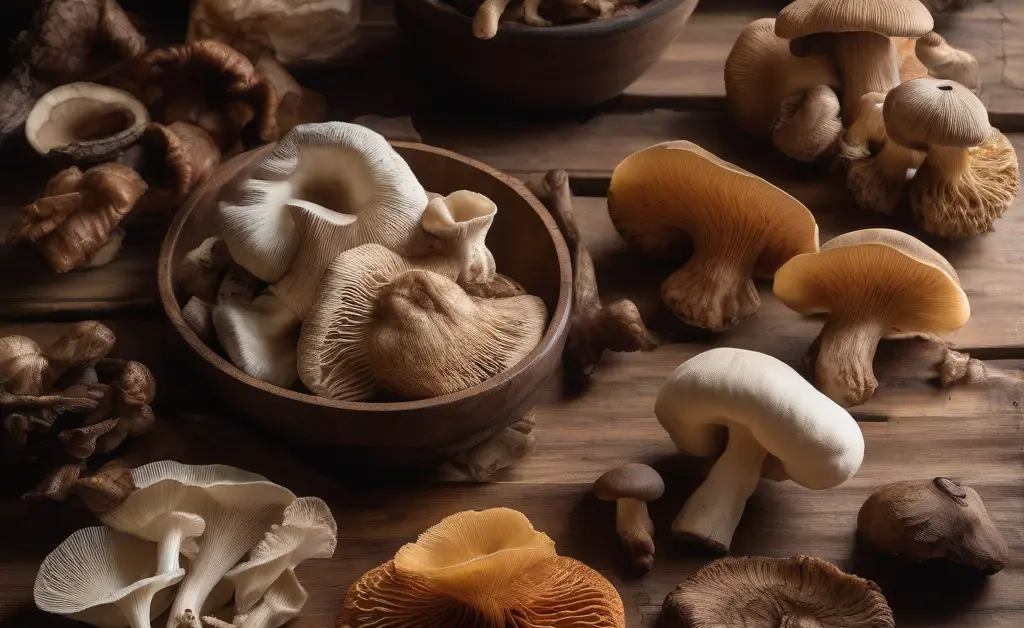
When considering mushroom extracts for sleep, several varieties stand out due to their unique properties and traditional uses. Each offers a distinct profile of compounds that may contribute to better rest. Other varieties, such as those providing oyster mushroom benefits, are also gaining attention for their health properties.
Reishi Mushroom
Often referred to as the “Mushroom of Immortality” in traditional practices, Reishi (Ganoderma lucidum) is perhaps the most well-known mushroom associated with relaxation and sleep support. Its calming properties are attributed to compounds like triterpenes and polysaccharides. Reishi may help reduce stress and promote a sense of tranquility, which can be beneficial for individuals seeking to wind down before bed. It is not typically seen as a sedative, but rather as an herb that may support the body’s natural sleep cycles by addressing underlying factors that disrupt sleep, such as stress.
Lion’s Mane Mushroom
Lion’s Mane (Hericium erinaceus) is highly regarded for its potential cognitive and neurological benefits. While not directly associated with inducing sleep in the same way Reishi might be, its capacity for nervous system support could indirectly benefit sleep quality. By potentially promoting nerve growth factor (NGF) and supporting overall brain health, Lion’s Mane may help alleviate factors like cognitive overactivity or stress that can interfere with sleep. Some individuals find that by supporting a clearer, calmer mind during the day, Lion’s Mane contributes to more restful nights, even if its effects are not immediately noticeable as a sleep aid.
Choosing the Right Mushroom Extract
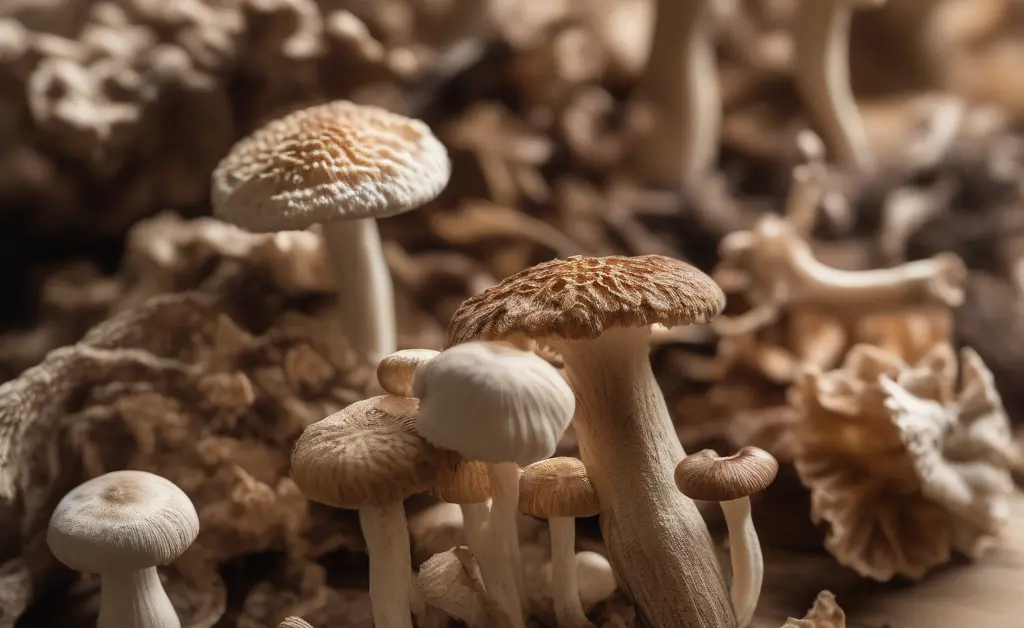
Selecting the most appropriate mushroom extracts for sleep involves considering several factors, including the specific types of mushroom extracts, their extraction methods, and overall quality. Different types of mushroom extracts, such as those derived from the fruiting body versus mycelium, can contain varying concentrations of bioactive compounds. The fruiting body is generally considered to contain a broader spectrum and higher concentration of beneficial compounds. Further research into mushroom powder benefits for women continues to uncover gender-specific advantages.
Extraction methods are also crucial. Hot water extraction is common for polysaccharides, while dual extraction (hot water and alcohol) is often used to capture a wider range of compounds, including triterpenes, which are less water-soluble. Understanding these methods can help in identifying a potent product. Furthermore, paying attention to the quality and sourcing of the mushrooms is paramount. Look for products from reputable suppliers that provide third-party testing for purity and potency, ensuring the extract is free from contaminants and contains the stated levels of active ingredients. Regulatory bodies such as the FDA offer guidance on product safety and labeling. While specific potency and dosage information should always come from a qualified health professional, being aware of these general considerations is a good starting point.
How to Use Mushroom Extracts for Sleep

To effectively incorporate mushroom extracts for sleep into a routine, understanding the various forms available and optimal timing is important. Mushroom supplements come in several forms, including powders, capsules, and tinctures, each offering different advantages. Powders can be easily added to beverages or food, capsules provide a convenient pre-measured dose, and tinctures offer quick absorption. The choice of form often comes down to personal preference and lifestyle. Understanding that specific mushroom extract for women may offer tailored benefits is also crucial for personalized health.
The optimal timing for consuming mushroom extracts for sleep can vary depending on the specific mushroom and individual response. For extracts like Reishi, which are associated with relaxation, consumption in the evening, perhaps an hour or two before bedtime, may be most beneficial. For mushrooms like Lion’s Mane, which may indirectly support sleep through cognitive benefits, daily use might be more appropriate. It’s advisable to start with a smaller serving to assess individual tolerance and response. When considering combining with other sleep aids, it’s always recommended to consult with a healthcare professional to ensure compatibility and safety, as individual needs and sensitivities can vary significantly.
In the pursuit of better sleep, medicinal mushroom extracts offer an intriguing avenue for natural support. By understanding their unique properties and how they may interact with the body’s systems, individuals can make informed choices to potentially enhance their sleep quality and overall well-being. Always prioritize quality and seek professional guidance to integrate these ancient remedies safely and effectively into your health regimen.
The content presented here is not a substitute for professional medical guidance. It is intended for informational purposes only and does not offer medical advice, diagnosis, or treatment. Always consult with a qualified healthcare provider before making any decisions related to your health or starting any new supplement regimen. Individual results may vary, and the efficacy of natural remedies can differ from person to person.
FAQ
Which mushroom is best for sleep?
Reishi mushrooms are frequently studied for their potential to promote relaxation and support restful sleep cycles. Their compounds are thought to interact with neurotransmitter systems that influence calmness and sleep quality.
Are mushroom extracts safe for sleep?
Generally, mushroom extracts used for sleep are considered safe for most individuals when used as intended. However, individual responses can vary, and it is always wise to consult with a healthcare professional before starting any new supplement regimen.
How long does it take for mushroom extracts to work for sleep?
The time it takes for mushroom extracts to influence sleep can vary greatly from person to person. Some individuals may notice effects within a few days, while others might require a few weeks of consistent use to observe changes in their sleep patterns.
Can mushroom supplements cause side effects when used for sleep?
While uncommon, some people may experience mild digestive discomfort or slight changes in their energy levels when first introducing mushroom supplements for sleep. These effects are usually temporary and tend to subside as the body adjusts.