
Selecting the Best Mushroom Growing Medium
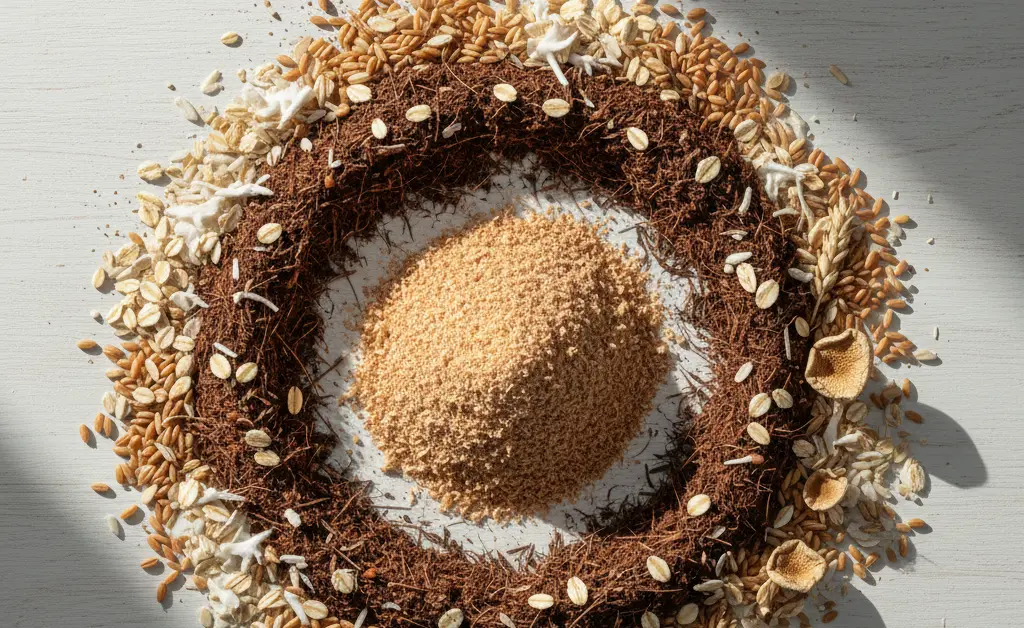
Many aspiring mushroom cultivators often face the disheartening experience of inconsistent yields or complete crop failures, despite their best efforts in inoculation and environmental control. This common frustration frequently stems from a fundamental oversight: the critical role of the substrate. Achieving robust and healthy mushroom growth isn’t just about spores; it profoundly depends on providing the ideal nutritional and structural support. This guide aims to demystify the process, helping you understand how to choose and prepare the perfect mushroom growing medium, ensuring your cultivation efforts yield abundant and high-quality harvests. We will explore various types, components, and preparation techniques to empower your mycological journey.
What is Mushroom Growing Medium?
A mushroom growing medium, often referred to as a substrate, is the material on which mushrooms are cultivated. It serves as the nutritional and structural foundation for the mycelium – the vegetative part of a fungus – to colonize and eventually produce fruiting bodies (the mushrooms). Its primary purpose is to provide essential nutrients, water, and air for optimal growth. The quality and composition of this medium are paramount to the success of any mushroom cultivation endeavor, directly influencing yield, mushroom size, and overall health. Understanding the Definition and Purpose of the substrate is the first step towards successful mycology.
Types of Mushroom Growing Mediums
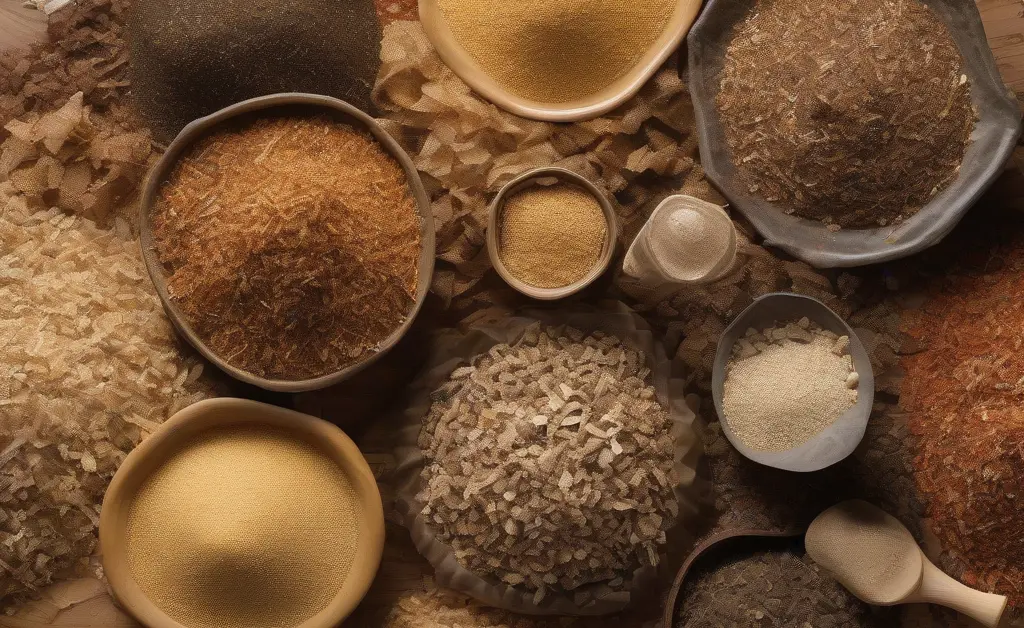
The world of mushroom cultivation offers a diverse array of mushroom growing mediums, each suited to different species and cultivation methods. Selecting the appropriate substrate is crucial, as it mimics the natural environment where specific fungi thrive.
Grain Spawn
Grain spawn typically consists of sterilized grains like rye, millet, or wheat, colonized by mycelium. It’s not a primary fruiting substrate but rather an inoculant. Once fully colonized, this grain spawn is used to transfer mycelium to larger, bulk substrates. Its nutrient-rich nature provides a vigorous start for the mycelial network before it expands into less nutrient-dense materials.
Sawdust Substrates
Sawdust, particularly from hardwoods such as oak, maple, or beech, is a popular substrate for many Wood-Loving Species of mushrooms. It is often mixed with nutritional supplements like wheat bran to enrich its composition. Sawdust blocks or bags provide a dense, stable environment that can support large flushes of mushrooms. This type of substrate requires sterilization or pasteurization due to its relatively low nutrient density and risk of contamination.
Straw-Based Substrates
Straw, usually from wheat or oats, is another common and effective mushroom growing medium. It is often chopped and then pasteurized to reduce competing microorganisms while retaining beneficial ones. Straw is particularly favored for species that thrive on cellulose-rich materials. Its loose structure allows for good aeration, and it’s a relatively inexpensive and readily available option for large-scale cultivation or outdoor beds. For more on this, consider mushroom cultivation using agricultural waste.
Compost-Based Substrates
Compost, rich in organic matter and various nutrients, forms the basis for cultivating certain gourmet and medicinal mushrooms, most notably the common button mushroom (Agaricus bisporus). These substrates are carefully prepared through a composting process that involves specific temperature and aeration cycles to create a selective environment where the desired mushroom species can flourish while competitors are inhibited. The precise blend of ingredients and the composting method are key to its efficacy.
All-in-One Grow Bags
All-in-One Grow Bags are a convenient solution, especially for beginners. These bags typically contain a mix of sterilized substrate, often a combination of grains, sawdust, or coco coir, sometimes with added supplements. They are designed to be inoculated directly, allowing the mycelium to colonize the entire bag before fruiting. Their sealed nature helps minimize Contamination Issues, providing a relatively foolproof method for small-scale cultivation.
Key Components of Mushroom Substrates
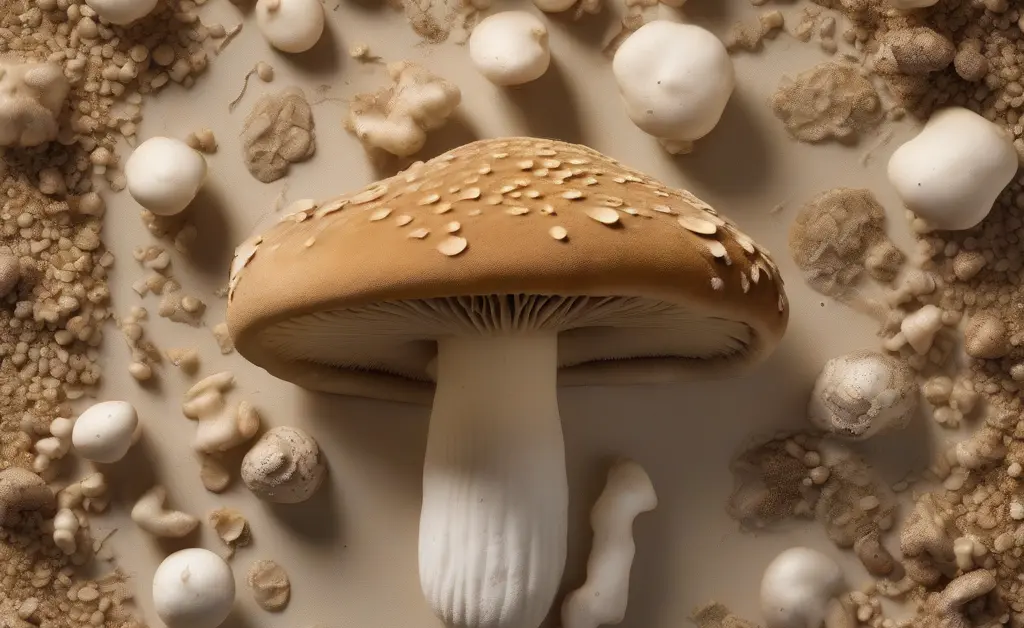
Regardless of the primary material, most effective mushroom substrates are a blend of different components, each playing a vital role in supporting mycelial growth and mushroom development. Understanding these elements is essential for crafting a potent mushroom growing medium.
Nutrient Sources (e.g., grains, wood, straw)
The foundation of any substrate is its nutrient source, which provides the carbohydrates, proteins, and minerals necessary for fungal growth. Grains, as mentioned, are highly nutritious and often serve as the initial spawn material. Wood (sawdust, wood chips) provides complex carbohydrates and lignin, ideal for lignicolous (wood-decomposing) fungi. Straw and hay offer cellulose-rich diets for species like oyster mushrooms. The choice of nutrient source directly influences which Substrate-Loving Species will thrive. You can learn more about mushroom cultivation on paddy straw for specific applications.
Moisture Retention Agents (e.g., coco coir, vermiculite)
Maintaining optimal hydration levels is critical for mushroom cultivation. Moisture retention agents help substrates hold water without becoming waterlogged. Coco coir, a fibrous byproduct of coconut processing, is excellent for its water-holding capacity and resistance to decomposition. Vermiculite, a hydrated mineral, also absorbs and releases water slowly, providing a consistent moisture level. These agents ensure that the mycelium has access to water for nutrient transport and cellular processes.
Supplements (e.g., gypsum, bran)
Supplements are added to substrates to fine-tune their nutritional profile and improve overall performance. Gypsum (calcium sulfate) acts as a pH buffer, helps prevent substrate compaction, and provides calcium and sulfur. Bran (wheat bran, oat bran) is a common nitrogen supplement, boosting the substrate’s nutritional value and leading to more vigorous mycelial growth and larger yields. These additions are carefully balanced to avoid over-enrichment, which could attract contaminants.
How to Prepare Mushroom Growing Medium
Proper preparation of your mushroom growing medium is a critical step that directly impacts the success of your cultivation. It involves carefully balancing ingredients and ensuring the right hydration.
Mixing Ratios
Achieving the correct Mixing Ratios for your substrate components is paramount. Different mushroom species have varying nutritional requirements, and substrate recipes are often tailored to these needs. For example, a common sawdust substrate might combine 80% hardwood sawdust with 20% wheat bran. Precise measurement ensures a consistent and balanced nutrient profile, preventing both nutrient deficiency and over-enrichment which can lead to Contamination Issues.
Hydration Levels
The Hydration Levels of your substrate must be precisely controlled. Too little water will inhibit mycelial growth, while too much water can lead to anaerobic conditions and bacterial contamination. A common guideline is to aim for a moisture content where the substrate feels damp but not soggy, and only a few drops of water can be squeezed out when compressed firmly. Incorrect Moisture Content is a frequent cause of cultivation problems, highlighting the importance of careful hydration.
Sterilizing Your Mushroom Substrate
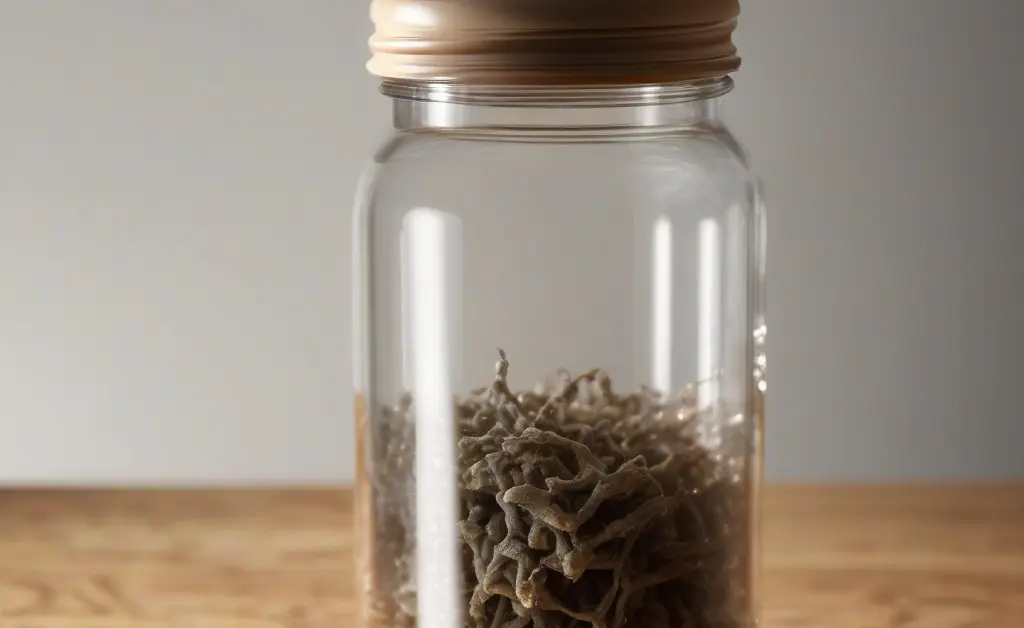
Sterilizing your mushroom growing medium is one of the most crucial steps in cultivation, as it eliminates competing microorganisms that could outcompete your desired mushroom mycelium. Improper Sterilization is a leading cause of crop failure.
The Importance of Sterilization cannot be overstated. When preparing nutrient-rich substrates, it’s essential to create a sterile environment to give your mushroom culture the best chance to thrive. Common methods for achieving this include Pressure Cooking Methods, often done in a standard pressure cooker for smaller batches, or Autoclaving Techniques for larger-scale operations. Both methods use high temperature and pressure to kill bacteria, molds, and other fungal spores present in the substrate. This process ensures that when you inoculate your substrate with mushroom spawn, the mycelium has a clean slate to colonize without significant competition. For those interested in various approaches, exploring mushroom cultivation methods can provide further insights.
Choosing the Right Medium for Your Mushroom Species
The diverse world of fungi means that a “one-size-fits-all” approach to substrates rarely yields the best results. The natural habitat of a mushroom species provides the strongest clues as to its preferred mushroom growing medium. For instance, Wood-Loving Species such as oyster mushrooms, shiitake, and reishi naturally grow on decaying wood, making hardwood sawdust or logs ideal substrates for their cultivation. On the other hand, certain gourmet varieties, including some types of button mushrooms, are Substrate-Loving Species that thrive on nutrient-dense compost. Understanding these preferences is not just about mimicking nature but also about optimizing nutrient availability, pH, and moisture retention to encourage robust growth and abundant harvests. Researching the specific needs of your chosen mushroom species before selecting or preparing a medium will significantly increase your chances of success. Methods like outdoor mushroom cultivation might also be relevant depending on your goals.
Successfully cultivating mushrooms hinges on a thorough understanding and careful implementation of substrate selection and preparation. By recognizing the critical role of a mushroom growing medium, understanding its diverse types and components, and meticulously executing preparation and sterilization, cultivators can mitigate common frustrations and pave the way for consistent, high-quality yields. This foundational knowledge empowers both novice and experienced mycologists to create optimal environments for their chosen species, transforming inconsistent efforts into abundant harvests and fostering a deeper appreciation for the fascinating world of fungi.
The content provided in this article is intended for informational learning, not clinical application. This information is for general knowledge purposes only and does not constitute professional advice. While mushroom cultivation can be a rewarding endeavor, it requires careful attention to detail and adherence to safe practices. Always consult with relevant experts or conduct thorough research for specific applications or if you have any concerns.
FAQ
What is the best substrate for growing mushrooms?
The ideal substrate for growing mushrooms is highly dependent on the specific species you intend to cultivate, as different fungi have unique nutritional needs. For instance, oyster mushrooms thrive on straw or wood, while reishi mushrooms prefer hardwood sawdust. Understanding the natural environment of a particular mushroom helps in selecting the most suitable growing material.
Can you grow mushrooms on just grain spawn?
While grain spawn is crucial for initiating mushroom growth and rapidly expanding mycelium, it typically does not provide enough sustained nutrition or moisture to support a full harvest. Grain spawn serves as the “starter culture” that is then transferred to a larger, less nutrient-dense substrate. This bulk substrate provides the necessary resources for the mycelium to colonize fully and eventually produce fruiting bodies.
What is the difference between spawn and substrate?
Spawn is a carrier material, usually sterilized grains, that has been inoculated with mushroom mycelium and is used to introduce the fungal culture to a larger growing environment. Substrate, conversely, is the bulk nutritional material, such as wood chips, straw, or compost, that the mycelium colonizes and from which the mushrooms ultimately draw their nutrients to fruit. Think of spawn as the “seed” and substrate as the “soil” for mushroom growth.
What is a mushroom growing medium called?
The material on which mushrooms are cultivated to grow is generally referred to as a substrate. This mushroom growing medium provides the necessary nutrients, moisture, and support for the mycelium to colonize and eventually produce fruiting bodies. It serves as the primary food source and structural foundation for the entire growth cycle.
What is the best substrate for mushroom cultivation?
There isn’t a single “best” substrate for mushroom cultivation, as optimal choices are dictated by the specific mushroom species’ natural growth requirements. Some varieties flourish on lignocellulosic materials like hardwood sawdust or straw, whereas others prefer nutrient-rich compost or even enriched grains. Selecting the appropriate substrate is essential for ensuring the mushroom receives the particular nutrients it needs for healthy development and successful fruiting.