
Mushroom Powder Dosage: A Practical Guide
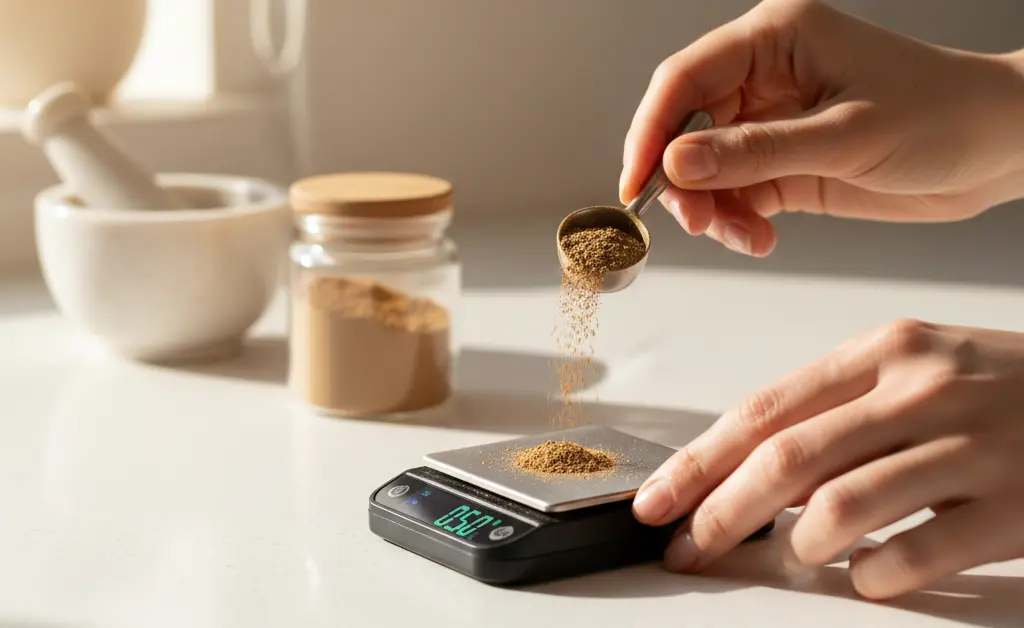
How much mushroom powder should you actually take? As medicinal mushrooms gain popularity for their diverse health benefits, understanding the correct administration is crucial for maximizing their potential. From reishi to lion’s mane, these natural supplements are incorporated into daily routines for general wellness, immune support, cognitive enhancement, and even athletic performance. However, navigating the precise mushroom powder dosage can be complex, as it varies significantly based on the type of mushroom, the intended health goal, individual body chemistry, and the concentration of the product. This guide aims to demystify the process, offering practical insights to help you determine an effective and safe mushroom powder dosage for your specific needs, ensuring you harness the full power of these remarkable fungi.
Understanding Mushroom Powder Dosage
Mushroom powder is a concentrated form of various medicinal fungi, typically made by drying and grinding the fruiting bodies or mycelium. This processing makes the beneficial compounds more accessible and allows for convenient consumption. Understanding the appropriate mushroom powder dosage is essential for several reasons. Firstly, it directly impacts the efficacy of the supplement; too little may not yield desired results, while too much could potentially lead to discomfort. Secondly, correct dosing helps to ensure safety and minimizes the risk of unwanted effects. The specific mushroom powder dosage can differ widely across various types of mushrooms, each possessing a unique profile of active compounds and traditional uses.
Dosage for General Wellness
For individuals seeking to incorporate medicinal mushrooms into their daily routine for general wellness, the approach to dosage often focuses on consistent, long-term intake. The goal here is usually to support overall bodily functions, adaptogenic balance, and foundational health. Many people integrate these powders into foods or beverages as part of a daily health regimen. Consistency is often valued over high doses for this purpose, aiming for a gentle, ongoing supportive effect rather than acute intervention.
Dosage for Immune Support
Mushrooms are traditionally recognized for their potential to support immune function. When targeting immune support, the dosage considerations may emphasize certain types of mushrooms rich in beta-glucans and other immunomodulating compounds, such as reishi, shiitake, or turkey tail. The goal is to help maintain a balanced immune response, which is crucial for overall health and resilience. Regular consumption may contribute to the body’s natural defense mechanisms.
Dosage for Cognitive Benefits
For cognitive benefits, specific mushrooms like Lion’s Mane are often highlighted due to their potential to support brain health. The aim of the dosage in this context is to enhance mental clarity, focus, and memory. Individuals seeking these effects might consider formulations designed to deliver concentrated neuroactive compounds. The consistency of intake may be important to allow for sustained support of cognitive pathways.
Dosage for Athletic Performance
Athletes and active individuals may turn to medicinal mushrooms for potential benefits related to stamina, energy, and recovery. Cordyceps, for instance, is frequently associated with supporting endurance and oxygen utilization. The dosage strategy for athletic performance often involves integrating the powder into pre- or post-workout routines, with the intention of supporting physical output and facilitating recovery processes. The timing and frequency of intake might be tailored around training schedules.
Reishi Mushroom Powder Dosage
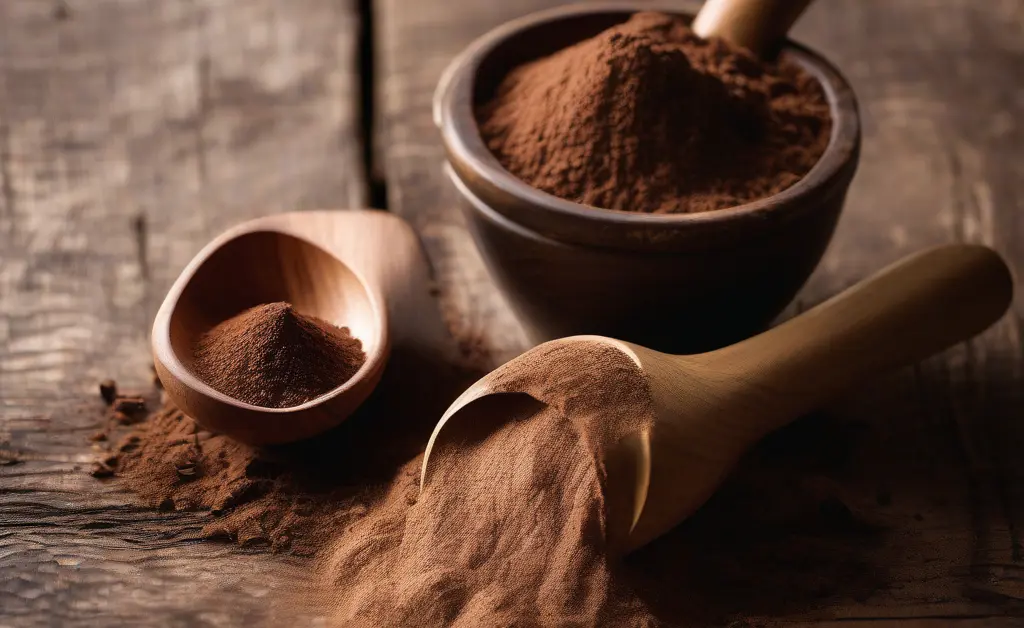
Reishi mushroom, often referred to as the “mushroom of immortality,” has a long history in traditional practices for promoting well-being and longevity. Determining the appropriate reishi mushroom powder dosage involves considering its specific use. For example, individuals looking for support with sleep or relaxation might follow a different regimen compared to those using reishi for general immune system support or to manage feelings of anxiety. The `Reishi powder dosage per day` can also be influenced by the concentration of the extract. Traditionally, reishi has been consumed regularly, allowing its adaptogenic properties to potentially assist the body in adapting to various stressors. Due to the varying strengths of different reishi products, understanding the product’s concentration is key to establishing an effective mushroom powder dosage for this specific fungus.
Factors Influencing Mushroom Powder Dosage

Several critical factors can significantly influence the appropriate mushroom powder dosage for an individual. The `Type of Mushroom` is paramount, as different species like Reishi, Lion’s Mane, or Cordyceps have distinct active compounds and potencies. For example, the compounds that make Reishi unique will differ from those found in Chaga, leading to different recommended consumption levels. The `Concentration and Potency` of the product also plays a huge role; a highly concentrated extract will typically require a smaller serving size than a less potent, whole mushroom powder. The `Form of Mushroom Powder`—whether it’s a bulk powder, encapsulated, or a liquid extract—can also affect how it’s measured and absorbed. Beyond the product itself, `Individual Body Weight and Metabolism` are important considerations, as these can influence how quickly the body processes the mushroom’s compounds. Personal health goals and any existing health conditions also guide the approach to determining an optimal mushroom powder dosage.
How to Determine Your Optimal Mushroom Powder Dose
Finding the right mushroom powder dosage is often a personalized journey, as individual responses can vary. It involves a careful, methodical approach rather than a one-size-fits-all solution. Your optimal dose may depend on the specific type of mushroom, the concentration of the product, your body’s unique biochemistry, and the health goals you are trying to achieve. Approaching this process thoughtfully can help ensure you experience the potential benefits safely and effectively.
Starting with a Low Dose
When introducing any new supplement, particularly medicinal mushrooms, it is generally prudent to begin with a low dose. This approach allows your body to gradually adjust and provides an opportunity to observe how you respond to the new substance. Starting low can help identify any individual sensitivities or unexpected reactions, minimizing potential discomfort. Many product labels offer a starting point, but individual tolerance should always be prioritized.
Gradual Increase and Monitoring
After starting with a low dose, if you tolerate it well and do not experience any adverse effects, you may consider gradually increasing the amount. This incremental approach allows you to assess the effects at each stage, helping you identify the point where you start to feel the desired benefits without overdoing it. Monitoring your body’s responses, both positive and negative, is crucial throughout this process. Keeping a journal can be helpful to track changes in your well-being, energy levels, and any other relevant indicators.
Consulting a Healthcare Professional
While mushroom powders are often considered natural supplements, consulting a healthcare professional is always recommended, especially if you have existing health conditions, are taking other medications, or are pregnant or nursing. A healthcare provider can offer personalized advice based on your medical history and help ensure that the mushroom powder dosage aligns with your overall health plan. They can also provide guidance on potential interactions with medications or specific health considerations.
Safety and Side Effects of Mushroom Powder Dosage
While medicinal mushrooms are generally well-tolerated, understanding the potential for `Safety and Side Effects of Mushroom Powder Dosage` is important. `Potential Side Effects` can sometimes occur, especially if taken in amounts exceeding suggested use or if an individual has specific sensitivities. These might include digestive upset, skin reactions, or other mild discomforts. It’s also crucial to be aware of possible `Interactions with Medications`, as some mushroom compounds may influence the effects of prescription drugs. For example, certain mushrooms might have blood-thinning properties or affect blood sugar levels, which could interact with relevant medications. If you experience persistent or concerning symptoms, or if you suspect an interaction, it’s advised to discontinue use. Knowing `When to Stop Taking Mushroom Powder` is vital, and this decision should always be guided by your body’s response and, ideally, professional advice. Always refer to official sources like the FDA for guidance on dietary supplement regulations and safety.
Navigating the world of mushroom powders requires a thoughtful and informed approach to dosage. By understanding the various factors that influence optimal intake, starting cautiously, and monitoring your body’s response, you can harness the potential benefits of these powerful fungi. Always prioritize listening to your body and seeking professional guidance to ensure safety and efficacy on your wellness journey.
While this article discusses health-related topics, it does not provide medical guidance. The information presented here is intended for informational and educational purposes only and should not be considered a substitute for professional medical advice, diagnosis, or treatment. Always consult with a qualified healthcare provider before making any decisions about your health or starting any new supplement regimen, especially if you have pre-existing health conditions or are taking other medications. Individual responses to supplements may vary.
FAQ
What is the best dosage for mushroom powder?
Determining the optimal amount of mushroom powder involves considering individual factors and the specific mushroom used. Different species have unique compositions and potencies, influencing the desired intake. The specific extraction method also plays a role in the concentration of beneficial compounds.
How much mushroom powder should I take daily?
Daily intake recommendations for mushroom powder can vary significantly based on the type of mushroom and its intended purpose. What works for one person may not be suitable for another due to unique physiological responses. It is helpful to start with a small amount and observe how your body responds over time.
Can you take too much mushroom powder?
While generally well-tolerated, it is possible to consume excessive amounts of any supplement, including mushroom powder. Exceeding recommended amounts may lead to unwanted effects for some individuals. Paying attention to your body’s signals is key to understanding your personal tolerance.
What is a standard dose of mushroom extract?
A standard dose of mushroom extract is not definitively established, as it depends on the concentration and specific mushroom species. The standardization of extracts often focuses on specific active compounds like beta-glucans, which can influence potency. Understanding the product’s concentration is important for guiding your intake.