
Choosing the Best Mushroom Powder for Cooking
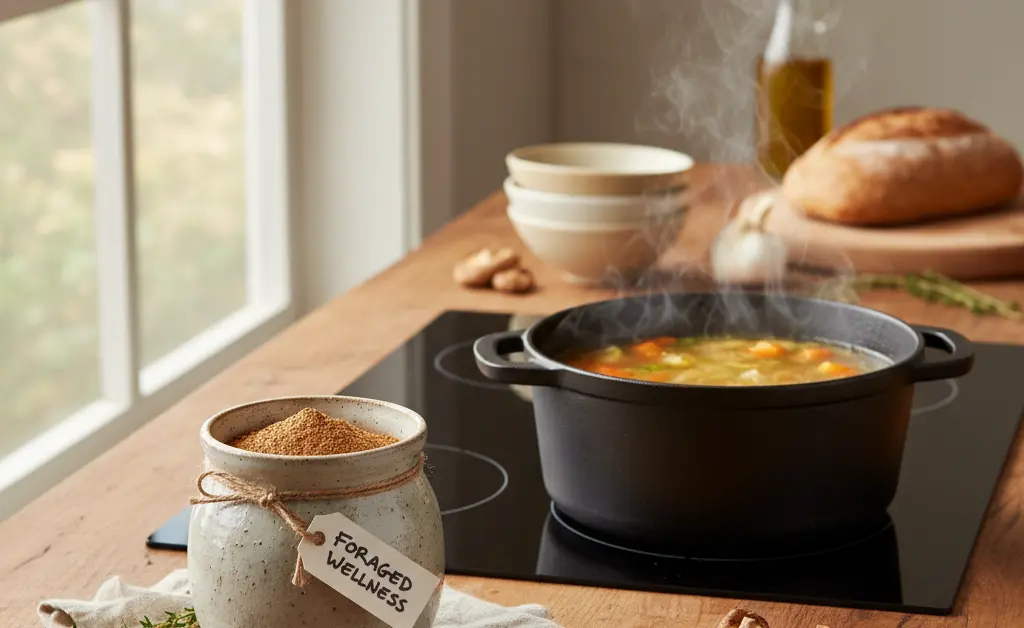
It was a busy weeknight, and I was trying to infuse a simple vegetable broth with a deep, earthy essence without spending hours simmering. I reached for a jar of finely milled powder, skeptical but hopeful. A spoonful dissolved effortlessly, and as the aroma wafted up, I knew I was onto something. This simple addition transformed the broth, lending a complexity that fresh mushrooms often struggle to deliver in a short timeframe. This experience highlights the transformative potential of mushroom powder for cooking, a versatile ingredient that has quietly revolutionized how home cooks and professional chefs approach flavor and nutrition. Beyond just convenience, these concentrated powders offer a potent dose of umami, essential nutrients, and a pragmatic solution for elevating everyday meals. This article explores the various types, applications, and benefits of integrating this powerhouse ingredient into your kitchen.
Benefits of Mushroom Powder in Cooking
Integrating mushroom powder into your culinary repertoire offers a range of advantages, from deepening flavors to providing nutritional support. This concentrated form of mushrooms can significantly enhance dishes while simplifying meal preparation, making mushroom powder for cooking a highly versatile ingredient in any kitchen.
Flavor Enhancement (Umami)
Mushrooms are celebrated for their rich umami flavor, often described as savory and meaty. When dried and ground into a powder, this umami intensity becomes even more concentrated. Adding mushroom powder to dishes can amplify their savory notes, creating a more profound and satisfying taste experience. It’s an excellent way to add depth to vegetarian and vegan meals, providing a complexity that might otherwise be missing.
Nutritional Value
Beyond flavor, mushroom powders carry many of the nutritional attributes found in whole mushrooms. They are traditionally recognized for potentially containing various vitamins, minerals, and antioxidants. While the exact nutritional profile can vary depending on the mushroom type, incorporating these powders may contribute to a balanced and health-conscious diet. For reliable scientific opinions on food safety and nutrition, consult resources like the EFSA. They can be a way to add extra goodness to everyday meals without altering their texture significantly.
Convenience and Shelf-Life
One of the most practical benefits of mushroom powder is its convenience. Unlike fresh mushrooms, which have a limited shelf-life and require cleaning and chopping, mushroom powder is ready to use instantly. It stores well in a cool, dark place for an extended period, making it a reliable pantry staple. This convenience makes it easy to add mushroom flavor and nutrition to dishes without the fuss associated with fresh produce.
Types of Mushroom Powder for Cooking
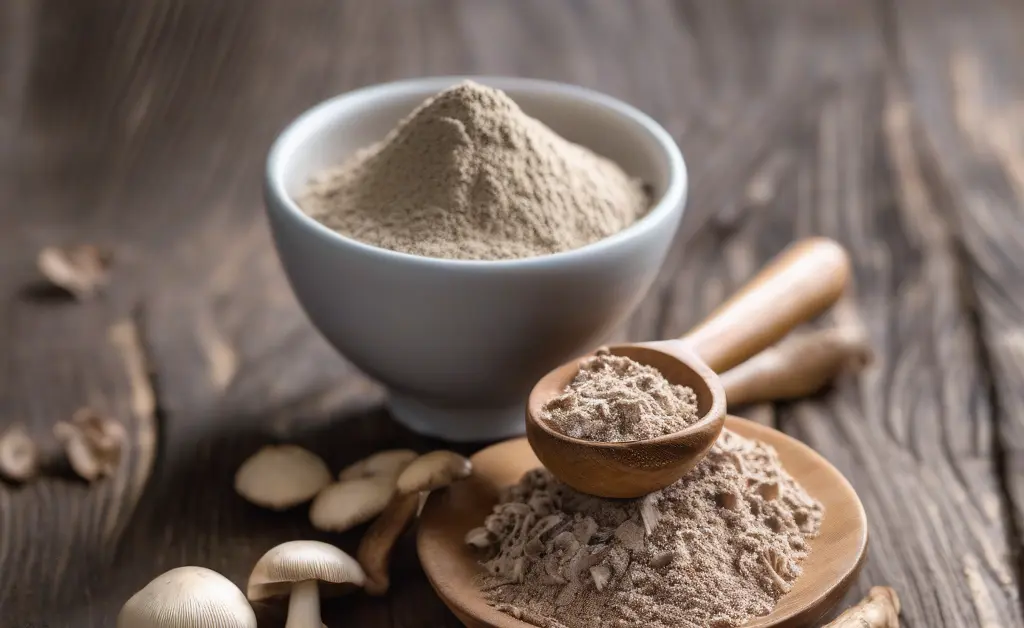
The world of mushroom powders is diverse, with each variety offering unique flavor profiles and potential applications. Understanding the characteristics of different types can help you choose the best mushroom powder for cooking specific dishes and culinary goals.
Shiitake Mushroom Powder
Shiitake mushrooms are renowned for their robust, earthy, and smoky flavor. Their powder form retains these distinctive notes, making it an excellent choice for adding depth to Asian-inspired dishes, broths, gravies, and stir-fries. Shiitake powder is particularly effective in imparting a savory, umami-rich foundation to many recipes.
Porcini Mushroom Powder
Porcini mushrooms boast a deep, nutty, and intensely earthy flavor that is highly prized in Italian cuisine. Porcini powder delivers a powerful flavor punch, making it ideal for risottos, pasta sauces, meat rubs, and rich stews. A small amount can dramatically elevate the gourmet quality of a dish.
Chanterelle Mushroom Powder
Chanterelles offer a delicate, fruity, and peppery aroma, often with apricot undertones. Chanterelle powder can lend a sophisticated and subtle earthy sweetness to lighter sauces, cream-based dishes, and poultry. It’s a choice for those seeking a more nuanced mushroom flavor.
Lion’s Mane Mushroom Powder
Lion’s Mane mushrooms have a unique, subtly sweet, and savory flavor, sometimes compared to crab or lobster. Its powder is often valued for its distinct taste and is studied for its potential benefits. It can be a unique addition to broths, plant-based seafood alternatives, or even some baked goods for an intriguing flavor twist.
Blended Mushroom Powders
For those seeking a broader spectrum of flavors and potential benefits, blended mushroom powders combine several different mushroom varieties. These blends are designed to offer a more complex umami profile and a wider range of nutritional components. They are a convenient option for all-purpose mushroom seasoning and can be an excellent way to experiment with the cumulative effects of various mushrooms.
How to Use Mushroom Powder for Cooking
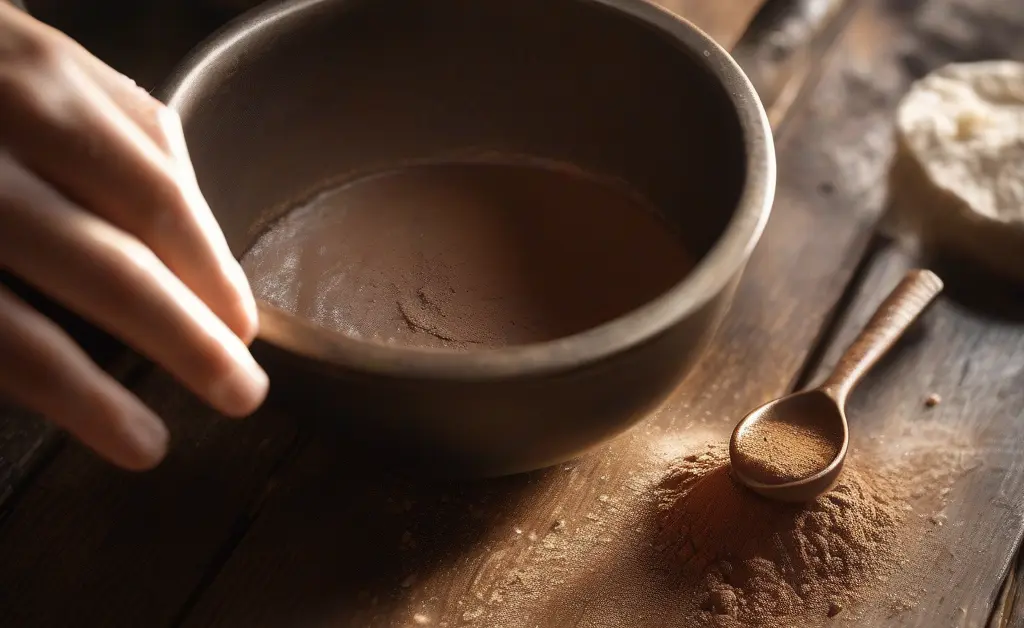
The versatility of mushroom powder for cooking knows few bounds. Its finely ground texture and concentrated flavor make it an invaluable ingredient for enhancing a wide array of culinary creations. Here are some popular methods for incorporating this powerhouse into your meals. For a comprehensive guide, explore various mushroom powder uses.
Soups and Broths
One of the most straightforward applications is in soups and broths. A teaspoon or two of mushroom powder can significantly deepen the savory base of any stock, adding richness and complexity without altering the texture. It’s perfect for vegetable broths, consommés, or even heartier stews.
Sauces and Gravies
Mushroom powder is an excellent secret ingredient for elevating sauces and gravies. It can intensify the umami in a demi-glace, add an earthy note to a cream sauce, or provide a savory backbone to a mushroom-based gravy. It blends seamlessly, making it an ideal thickener and flavor enhancer.
Spice Blends and Rubs
Create your own unique spice blends by incorporating mushroom powder. Its savory notes pair wonderfully with garlic powder, onion powder, paprika, and herbs. Use these blends as dry rubs for meats, poultry, or roasted vegetables to impart a delicious, earthy crust.
Marinades
Add a savory dimension to your marinades by including mushroom powder. It helps to tenderize and infuse flavor into proteins like chicken, beef, or tofu, creating a more complex and satisfying taste profile after grilling, roasting, or pan-frying.
Stir-fries
For quick and flavorful stir-fries, a dash of mushroom powder can enhance the overall savoriness of the dish. Sprinkle it in with your sauces or directly onto vegetables and proteins as they cook to add a layer of umami that complements other ingredients.
Baking
While less common, mushroom powder can be a surprising addition to savory baked goods. Consider adding it to bread dough, savory muffins, biscuits, or even crackers to introduce an earthy, umami depth that pairs well with cheeses and herbs.
Mushroom powder seasoning
Beyond specific dishes, mushroom powder seasoning can be used as a general seasoning. Sprinkle it over scrambled eggs, popcorn, roasted vegetables, or even avocado toast for an instant boost of savory flavor. It’s an easy way to add a gourmet touch to everyday snacks and meals.
Homemade Mushroom Powder for Cooking
Making your own mushroom powder for cooking can be a rewarding process, offering control over the mushroom varieties used and ensuring freshness. The basic process involves dehydrating fresh mushrooms and then grinding them into a fine powder. This method allows you to capture the intense flavor and potential nutritional benefits of mushrooms in a highly concentrated and storable form.
Mushroom Powder vs. Dried Mushrooms
While both mushroom powder and dried mushrooms are convenient forms of mushrooms, they serve different purposes. Dried mushrooms, often sold whole or sliced, need to be rehydrated before use. They retain more of their original texture, making them suitable for dishes where you want recognizable mushroom pieces, such as stews or sautés. Mushroom powder, on the other hand, is a finely milled product that dissolves or blends seamlessly into dishes, imparting flavor and nutrients without adding texture. It’s ideal for thickening sauces, enriching broths, or as a seasoning where you want pure mushroom essence without chunks. Both have their place in the kitchen, but the powder offers unparalleled versatility for discreet flavor enhancement.
Where to Buy Mushroom Powder
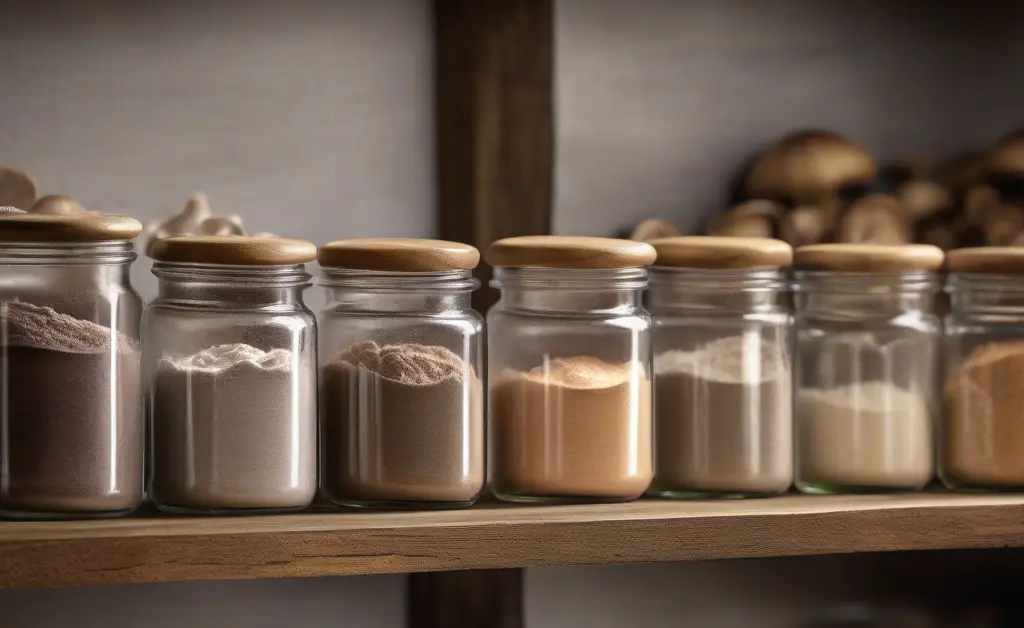
Mushroom powder has become increasingly accessible due to its growing popularity. You can find high-quality mushroom powder at various retail locations. Online retailers offer a vast selection, often including specialty or exotic mushroom varieties, making it easy to compare brands and read reviews. Specialty food stores, particularly those focusing on gourmet or organic products, frequently stock a range of mushroom powders. Health food stores are another reliable source, especially for varieties marketed for their potential wellness benefits. Local farmers’ markets or co-ops may also carry artisan mushroom powders, particularly during mushroom foraging seasons. When purchasing, look for products that clearly list the type of mushroom, are free from artificial additives, and are packaged to maintain freshness.
Best mushroom powder for cooking
Determining the “best” mushroom powder for cooking often comes down to individual taste preferences and the specific culinary application. For a robust, savory umami, shiitake or porcini powders are frequently lauded by chefs and home cooks alike. Their intense flavor profiles make them excellent for foundational broths, hearty sauces, and meat dishes. If you’re seeking a more delicate, subtly sweet, or fruity note, chanterelle powder might be your preferred choice. For those interested in a unique flavor with potential wellness associations, lion’s mane powder could be an intriguing option. Blended mushroom powders offer a balanced, all-purpose solution for general seasoning. Ultimately, the best mushroom powder is one that complements your dish, satisfies your palate, and aligns with your desired flavor intensity and culinary goals, inviting you to experiment and discover your personal favorites.
Mushroom powder stands out as a remarkably versatile and beneficial ingredient in modern cooking. Its ability to impart rich umami flavors, contribute to nutritional intake, and offer unparalleled convenience makes it a valuable addition to any pantry. Whether you’re enhancing a simple broth, crafting a complex sauce, or experimenting with new savory bakes, the concentrated power of mushroom powder can elevate your dishes with ease and depth. Exploring the various types available allows for endless culinary creativity, transforming everyday meals into gourmet experiences and cementing its place as a staple for flavor and function.
While this article discusses health-related topics, it does not provide medical guidance. The information presented is for informational purposes only and should not be considered a substitute for professional medical advice. Individuals should consult with a qualified healthcare professional before making any decisions related to their health or treatment.
FAQ
What does mushroom powder taste like?
Mushroom powder typically offers a concentrated, savory, and earthy flavor profile reminiscent of cooked mushrooms. It adds a rich umami depth to dishes, enhancing their overall taste without necessarily imparting a strong mushroom aroma.
Can you substitute mushroom powder for fresh mushrooms?
Yes, mushroom powder can be used as a convenient substitute for fresh mushrooms in many recipes, especially when a concentrated mushroom flavor is desired. It works well in sauces, rubs, and spice blends, providing an umami boost without altering the texture of the dish.
Is mushroom powder healthy?
Many functional mushrooms, when processed into a mushroom powder for cooking, retain beneficial compounds like polysaccharides. These compounds are known for their potential roles in supporting various aspects of wellness.
How long does mushroom powder last?
When stored properly in an airtight container away from light and moisture, mushroom powder generally has a long shelf life, often lasting for one to two years. This extended durability makes it a pantry staple for adding flavor and potential benefits to meals.