
What to Know About Using Mushroom Powder for Dogs

Just as many individuals are increasingly turning to natural remedies and superfoods to enhance their own well-being, a similar shift is evident in how pet owners approach their companions’ health. This growing consciousness about holistic living has extended to canine care, with a particular focus on dietary enhancements. Among the natural supplements gaining traction, mushroom powder for dogs is emerging as a popular choice for supporting various aspects of canine health. This article explores the properties, benefits, administration methods, and precautions associated with incorporating this natural supplement into your dog’s daily routine, helping pet owners make informed decisions about their furry friends’ dietary needs.
What is Mushroom Powder for Dogs?
Definition and Composition
Mushroom powder for dogs refers to a finely ground supplement derived from various types of medicinal mushrooms. These mushrooms are known for their rich nutritional profiles, containing a spectrum of beneficial compounds. Common varieties include Reishi, Lion’s Mane, Turkey Tail, Chaga, Cordyceps, Shiitake, and Maitake, each offering unique properties. The key active components often found in these powders are polysaccharides, particularly beta-glucans, which are complex carbohydrates known for their biological activity. Other compounds include triterpenes, antioxidants, vitamins (like B vitamins and vitamin D), minerals, and amino acids. The specific composition can vary depending on the mushroom species, growing conditions, and processing methods.
How it’s Made
The production of mushroom powder typically begins with the careful cultivation or wild harvesting of medicinal mushrooms. Once harvested, the mushrooms undergo a thorough cleaning process to remove any impurities. They are then typically dried, often at low temperatures to preserve their delicate active compounds. After drying, the mushrooms are ground into a fine powder. Some manufacturers may use an extraction process to concentrate specific beneficial compounds, resulting in an extract powder that is often more potent. Quality control at each stage ensures that the final product is pure, potent, and safe for canine consumption, free from heavy metals, pesticides, or other contaminants.
Mushroom powder for dogs benefits
Specific Health Needs
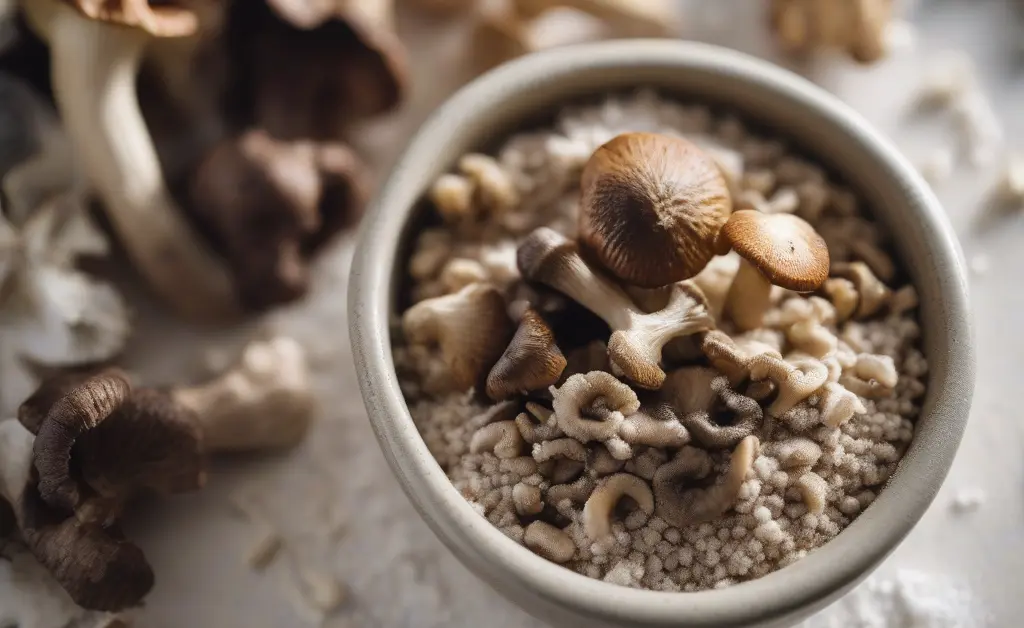
Incorporating mushroom powder for dogs into their diet may offer a range of potential health benefits, addressing various specific needs. Many medicinal mushrooms are widely recognized for their capacity to provide Immune System Support, helping the body’s natural defenses function optimally. For instance, Turkey Tail mushrooms are frequently studied for their immune-modulating properties. Lion’s Mane mushroom is often associated with Cognitive Function and Brain Health, potentially supporting nerve growth and memory. Cordyceps may contribute to enhanced Energy and Vitality, potentially aiding stamina. Certain mushroom varieties are also traditionally used for Digestive Health, helping to maintain a balanced gut microbiome. For older dogs or those prone to mobility issues, some mushrooms may offer Joint Support, assisting in maintaining comfort and flexibility. Furthermore, many mushrooms are rich in Antioxidant Properties, which can help combat oxidative stress and cellular damage, contributing to overall well-being in dogs.
How to Choose the Right Mushroom Powder for Your Dog
Ingredient Quality and Sourcing
Selecting a high-quality mushroom powder for dogs is paramount to ensure efficacy and safety. The origin and purity of the ingredients are critical factors. Look for products that clearly state their sourcing, ideally from organic farms or sustainably wild-harvested environments. This helps to minimize exposure to pesticides, heavy metals, and other contaminants. Ensure the product is made from the mushroom fruiting body, as some products may use mycelium grown on grain, which can contain a significant amount of starch filler and fewer active compounds. Transparency regarding the type of mushroom used (e.g., Reishi, Turkey Tail) and its standardized extracts (e.g., guaranteed beta-glucan content) indicates a more reputable product.
Third-Party Testing and Certifications
To further guarantee the quality and safety of mushroom powder for dogs, always prioritize brands that conduct independent third-party testing. This testing verifies the product’s purity, potency, and absence of harmful substances such as heavy metals, mycotoxins, and microbial contaminants. Certifications like USDA Organic or other recognized quality assurance seals can provide additional confidence in the product’s integrity. Such rigorous testing and certifications demonstrate a commitment to providing a safe and effective supplement for your dog.
How to Administer Mushroom Powder to Your Dog
Dosage and Concentration
Administering mushroom powder for dogs effectively requires attention to dosage and concentration, which can vary significantly depending on the specific product, the dog’s size, age, and individual health needs. Mushroom supplements are not all created equal; some are concentrated extracts, while others are whole mushroom powders. Generally, concentrated extracts will require a smaller serving size compared to whole powders. It is always recommended to consult with a veterinarian to determine an appropriate starting point and adjust as needed, as they can provide guidance tailored to your dog’s unique situation. It’s often suggested to begin with a smaller amount and gradually increase to the recommended serving size.
Mixing with Food
One of the easiest and most common methods for administering mushroom powder is by mixing it directly into your dog’s food. The fine powdery texture blends seamlessly with both wet and dry kibble. For dry food, adding a little water, broth, or a small amount of wet food can help the powder adhere better and prevent it from settling at the bottom of the bowl. Many dogs do not object to the taste, especially when masked by their regular meal. This method ensures consistent intake and integrates the supplement into their daily routine without much fuss.
As a Treat
For dogs that might be pickier eaters or for those who enjoy novel ways of receiving supplements, incorporating mushroom powder into a homemade treat can be an effective strategy. You could mix the powder into a small amount of peanut butter (ensure it’s xylitol-free), plain yogurt, or even a piece of cheese. Some pet owners bake the powder into dog-friendly cookies or blend it into frozen treats. This method can make the experience more enjoyable for your dog and simplify administration, particularly for smaller amounts of powder.
Recommended Dosage Guidelines
While specific recommendations are best obtained from a veterinary professional, general guidelines for mushroom powder for dogs often suggest starting with a small amount and observing your dog for any changes. The packaging of reputable products will typically provide a suggested range based on the dog’s weight. It is crucial to adhere to these guidelines and avoid exceeding them unless advised by a vet. Regular monitoring of your dog’s response and well-being is important. If you notice any adverse reactions or have concerns, discontinue use and seek veterinary advice promptly.
Potential Side Effects and Precautions
Allergies and Sensitivities
Although mushroom powder for dogs is generally well-tolerated, like any new dietary addition, there is a possibility of allergies or sensitivities. Dogs, just like humans, can react differently to various ingredients. Signs of an allergic reaction might include skin irritation, itching, digestive upset such as vomiting or diarrhea, or respiratory issues. If you notice any of these symptoms after introducing mushroom powder, it is advisable to stop administration immediately and consult your veterinarian. Always start with a small amount to observe your dog’s initial reaction before proceeding with the full recommended serving.
Interactions with Medications
It is important to exercise caution regarding potential interactions between mushroom powder and any medications your dog may be taking. Some medicinal mushrooms may have properties that could affect blood clotting, blood sugar levels, or immune function. For example, certain mushrooms might enhance the effects of immunosuppressants or interfere with anticoagulant medications. If your dog is currently on any prescribed medication or has an existing health condition, it is critical to discuss the use of mushroom powder for dogs with your veterinarian before introducing it into their diet. Your vet can assess any risks and advise on safe co-administration.
When to Consult a Veterinarian
A consultation with a veterinarian is recommended at several key stages when considering or using mushroom powder for dogs. Before introducing any new supplement, especially if your dog has pre-existing health conditions, is pregnant, lactating, or on medication, veterinary advice is crucial. Your vet can provide personalized guidance on the suitability of the supplement, appropriate type, and specific dosage for your individual pet. Furthermore, if your dog experiences any unexpected side effects, changes in behavior, or worsening of existing conditions after starting the powder, immediate veterinary attention is warranted. Regular check-ups can also help monitor the overall impact of the supplement on your dog’s health.
Frequently Asked Questions about Mushroom Powder for Dogs
Many pet owners have questions when considering mushroom powder for their canine companions. A common query is whether all mushroom types are safe for dogs. While many medicinal mushrooms are beneficial, it’s crucial to understand that not all mushrooms are safe for canine consumption, and only specific varieties identified as medicinal should be used. Another frequent question revolves around the duration of use—how long should a dog take mushroom powder? This largely depends on the dog’s individual needs and the desired health outcomes, often being a long-term dietary inclusion. Pet owners also often wonder about the palatability of mushroom powder; most varieties have a mild, earthy taste that dogs generally tolerate well, especially when mixed into their favorite foods. Lastly, concerns about efficacy are common. While research into the full scope of benefits for dogs is ongoing, anecdotal evidence and some studies suggest various positive effects, particularly for immune system support and overall vitality. Always remember that individual responses can vary.
Exploring natural supplements like mushroom powder for dogs reflects a growing commitment among pet owners to support their companions’ health holistically. While the potential benefits are numerous, ranging from immune system support to cognitive enhancement, careful consideration and informed choices are essential. Always prioritize high-quality products, adhere to recommended guidelines, and most importantly, consult with a trusted veterinarian to ensure that any new supplement aligns with your dog’s specific health profile and needs. By taking a thoughtful approach, you can help provide your dog with the best possible care, integrating beneficial ingredients into their daily routine responsibly and effectively.
This material is shared for educational insight, not for clinical decision-making. It is not intended to provide medical advice, diagnosis, or treatment for any health condition. Always consult with a qualified veterinary professional before making any changes to your pet’s health regimen or if you have questions about a medical condition. Individual results may vary, and the information presented should not be used as a substitute for professional veterinary care.
FAQ
What are the benefits of mushroom powder for dogs?
Mushroom powders are studied for their potential to support a dog’s immune system and offer antioxidant properties. Certain compounds within mushrooms are linked to promoting cellular health and may contribute to a dog’s overall well-being. This can be relevant to maintaining vitality and supporting natural bodily functions.
Can mushroom powder help dogs with arthritis?
Some mushrooms contain compounds that have been researched for their anti-inflammatory properties. These compounds may play a role in supporting joint health and comfort for dogs experiencing issues related to arthritis. Their action is thought to be related to influencing certain biological pathways within the body.
What is the best mushroom supplement for dogs?
The effectiveness of mushroom supplements for dogs can vary based on the specific mushroom species and the dog’s individual needs. Different mushrooms offer a unique profile of beneficial compounds that are studied for their respective health contributions. Consulting with a veterinarian can help determine the most appropriate options for your dog.
How much mushroom powder should I give my dog?
Determining the appropriate amount of mushroom powder for a dog depends on factors such as the dog’s size, weight, and the specific product being used. It is important to follow the manufacturer’s guidelines or seek advice from a veterinarian. They can provide tailored recommendations based on your dog’s circumstances.
Is mushroom powder okay for dogs?
When sourced specifically for canine consumption and prepared appropriately, mushroom powder is generally considered safe for dogs. These supplements are formulated to be digestible and beneficial for canine physiology. It’s always wise to introduce any new supplement gradually and monitor your dog’s reaction.
What kind of mushroom is good for dogs?
Several types of mushrooms are recognized for their potential benefits in canine supplements, including Lion’s Mane, Reishi, and Turkey Tail. Each of these mushrooms is known for unique constituents that are researched for supporting cognitive function, immune response, and gut health. The specific benefits are linked to their distinct natural compounds.
What are the potential side effects of giving my dog a mushroom supplement?
While generally well-tolerated, some dogs might experience mild digestive upset when first starting a mushroom supplement. This can include changes in appetite or stool consistency. Observing your dog closely after introducing the supplement is recommended, and discontinuing use if adverse reactions occur is prudent.