
A Parent’s Guide to Mushroom Powder for Kids
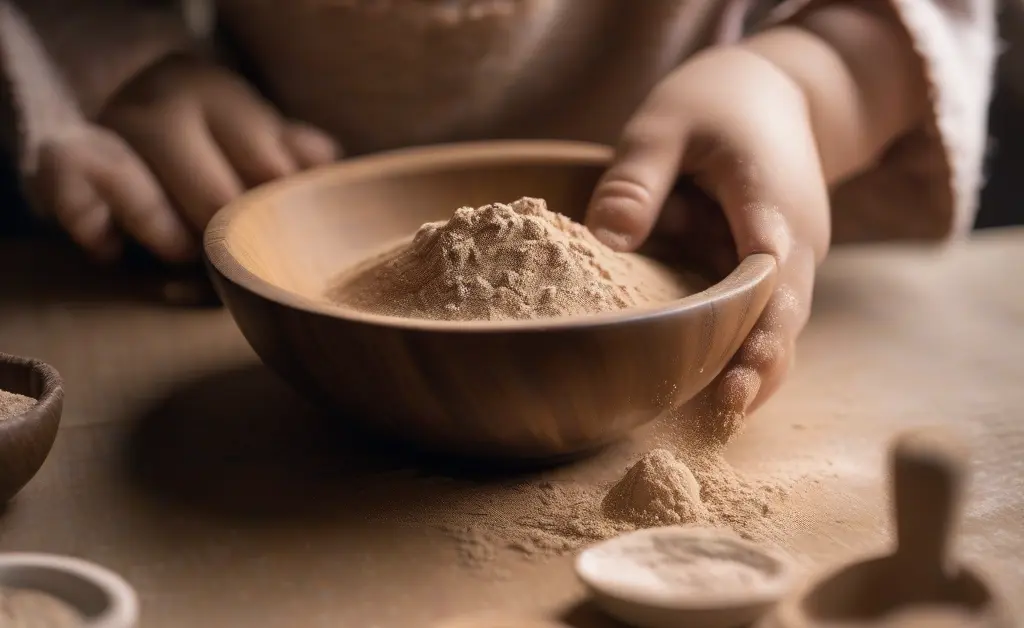
Many parents often grapple with the challenge of ensuring their children receive adequate nutrition, especially when it comes to supporting their developing immune systems, cognitive functions, and overall vitality in a natural way. The quest for effective and easily integrated health solutions can be a frustrating journey, as traditional supplements might not always be appealing or fully comprehensive. This common pain point leads families to seek out innovative dietary additions that can seamlessly blend into daily routines without a fuss. It’s within this context that the potential of mushroom powder for kids has garnered significant attention, offering a discreet yet powerful way to introduce beneficial compounds. This guide aims to demystify the topic, exploring the benefits, safe application, and proper selection of mushroom powders to empower parents in enhancing their children’s wellness journey.
Benefits of Mushroom Powder for Children
Exploring the potential advantages of incorporating mushroom powder for kids can open doors to a range of supportive elements for their growing bodies and minds. Various mushroom species have been traditionally revered and studied for their unique properties that may contribute to overall wellness. Parents often seek natural ways to bolster their children’s health, and certain mushroom varieties offer compounds that could play a role in several key areas of development and well-being.
Immune System Support
Many types of mushrooms are rich in polysaccharides, particularly beta-glucans, which are compounds recognized for their potential role in modulating the immune system. These constituents may help support the body’s natural defenses, contributing to a robust immune response. For children, a well-supported immune system is crucial for navigating daily exposures in school and other environments, helping them maintain their vitality.
Cognitive Development and Focus
Specific mushrooms, such as Lion’s Mane, have garnered interest for their potential to support cognitive functions. Research has explored its association with nerve growth factor, which is vital for the health and growth of neurons. While more studies are ongoing, the idea that certain mushroom compounds could aid in supporting focus and cognitive clarity in developing minds is a promising area for parents interested in holistic support.
Energy Levels and Vitality
Maintaining consistent energy levels is important for active children. Some mushrooms, like Cordyceps, have been traditionally used to support stamina and vitality. These adaptogenic qualities may help the body manage physical exertion and maintain a sense of well-being, which can be beneficial for children participating in sports or simply dealing with the demands of a busy school day.
Gut Health and Digestion
A healthy gut microbiome is fundamental to overall health, including immune function and nutrient absorption. Certain mushrooms contain prebiotics, which are non-digestible fiber compounds that may nourish beneficial gut bacteria. By potentially supporting a balanced gut environment, mushroom powder could contribute to healthy digestion and a strong internal ecosystem for children.
Adaptogenic Properties and Stress Response
Adaptogens are natural substances that may help the body adapt to various forms of stress. Mushrooms like Reishi are known for their adaptogenic properties, which are believed to help promote a sense of calm and balance. For children facing new social situations, academic pressures, or simply the general hustle of growing up, incorporating ingredients that may support a healthy stress response could be a valuable addition to their routine.
Types of Mushroom Powders Suitable for Kids
When considering mushroom powder for kids, understanding the unique profiles of different mushroom varieties is key. Each type offers distinct benefits that may cater to various aspects of a child’s health, making informed selection important for parents. Here are some commonly discussed options:
- Lion’s Mane Mushroom Powder: Often associated with cognitive support, Lion’s Mane is studied for its potential to support brain health and focus, which could be beneficial for developing minds.
- Cordyceps Mushroom Powder: Traditionally used to support energy and stamina, Cordyceps may help maintain vitality and endurance, especially for active children.
- Chaga Mushroom Powder: Known for its rich antioxidant content, Chaga is often utilized for its potential to support overall wellness and immune system function.
- Reishi Mushroom Powder: Revered as an adaptogen, Reishi is studied for its potential calming properties and ability to support a healthy stress response, contributing to overall balance.
- Turkey Tail Mushroom Powder: This mushroom is widely recognized for its robust immune-supporting properties, particularly due to its unique polysaccharide compounds.
How to Incorporate Mushroom Powder into Your Child’s Diet

Integrating mushroom powder for kids into their daily meals can be a surprisingly simple and often undetectable process, especially with careful selection and preparation. The key is to blend the powder seamlessly into foods and drinks that children already enjoy, making it a natural part of their routine without fuss. Many mushroom powders have a mild or earthy taste, which can be easily masked by stronger flavors.
- Smoothies and Shakes: This is one of the most popular methods. Mushroom powder can be easily blended into fruit smoothies, milkshakes, or even protein shakes, where the flavors of fruits and other ingredients can naturally cover any earthy notes.
- Baked Goods and Muffins: For a hidden boost, mushroom powder can be incorporated into recipes for muffins, cookies, pancakes, or even homemade energy bars. The baking process can help dissipate any distinct flavors, and the texture blends in well.
- Sauces and Soups: Stirring a small amount into pasta sauces, creamy soups, gravies, or stews is another effective way to add mushroom powder. The savory flavors of these dishes tend to complement and mask the powder’s taste.
- Oatmeal and Yogurt: A sprinkle of mushroom powder can be mixed into a bowl of oatmeal, overnight oats, or yogurt parfaits. Adding fruits, honey, or other sweet components can further enhance palatability.
- Juice and Drinks: While some powders might be more noticeable, a small amount can be stirred into fruit juices, flavored milk, or other favorite beverages, particularly those with a stronger taste profile.
Dosage and Safety Considerations for Mushroom Powder in Kids
When considering mushroom powder for kids, safety and appropriate use are paramount. While mushrooms have been traditionally used for wellness, the specific needs and sensitivities of children require a cautious approach. It is crucial to remember that children are not miniature adults, and their bodies process substances differently.
Parents should always prioritize consulting with a pediatrician or a qualified healthcare professional before introducing any new supplement, including mushroom powder, into a child’s diet. This medical guidance is essential to ensure that the chosen product is appropriate for the child’s age, health status, and any existing conditions or medications. Discussions should include the potential impact on recommended daily allowances and any specific health considerations.
Parents should also be aware of potential allergens and sensitivities. Although generally well-tolerated, some individuals may experience adverse reactions. Starting with a very small amount and carefully observing for any unusual symptoms is a prudent step. It’s also important to research product ingredients thoroughly to identify any potential allergens or additives. Adherence to product guidelines provided by reputable manufacturers, always with pediatric oversight, is recommended. For authoritative information on product safety and regulations, parents can refer to the FDA.
Choosing the Right Mushroom Powder for Your Child

Selecting an appropriate mushroom powder for your child requires careful consideration to ensure both efficacy and safety. The market offers a wide array of products, and discerning quality can be a key factor in providing beneficial support.
Understanding product quality and purity is fundamental. Look for brands that are transparent about their sourcing and manufacturing processes. The origin of the mushrooms matters, as environmental contaminants can be absorbed by fungi. Prioritize products that emphasize organic and purity certifications, as these indicate adherence to specific standards regarding pesticides, heavy metals, and other potential impurities.
Third-party testing is another critical indicator of a product’s integrity. Independent laboratories verify the identity, purity, and potency of the mushroom powder, providing an unbiased assessment. This step ensures that the product contains what it claims and is free from harmful contaminants. Always inquire about or look for evidence of such testing.
Considering flavor profiles and palatability is also important, especially when introducing new foods to children. Some mushroom powders have a stronger earthy taste than others. Opting for varieties with milder flavors or those specifically formulated to be neutral can help with easier integration into your child’s favorite foods and drinks. Customer reviews often provide insights into the taste and mixability of various products.
Finally, consider age appropriateness and specific needs. Different mushroom varieties may offer unique benefits, so selecting a powder that aligns with your child’s particular health goals, whether it’s for immune support, cognitive focus, or general well-being, is important. Always remember that what is suitable for an adult may not be for a child, reinforcing the importance of pediatric consultation for personalized advice.
Integrating mushroom powders into a child’s diet can be a valuable way for parents to explore natural avenues for supporting their children’s health. From bolstering immune defenses and aiding cognitive function to supporting vitality and gut health, various mushroom species offer a spectrum of potential benefits. By making informed choices, prioritizing product quality, and consulting with healthcare professionals, parents can confidently introduce these beneficial compounds. The journey of enhancing children’s wellness is ongoing, and mushroom powders represent an intriguing option to consider within a holistic approach to health and nutrition.
This information is provided for educational purposes only. It is not intended to be a substitute for professional medical advice, diagnosis, or treatment. Always seek the advice of your physician or other qualified health provider with any questions you may have regarding a medical condition or before starting any new health regimen.
FAQ
Are mushroom powders safe for children?
The safety of mushroom powders for children depends on the specific type of mushroom and the purity of the product. Reputable brands offer products derived from specific, well-researched mushroom species that are generally recognized as safe when consumed in appropriate amounts. Always look for products specifically formulated for children or consult with a pediatrician if you have concerns.
Can mushroom powder help with my child’s focus?
Certain mushrooms, like Lion’s Mane, are known for compounds that are studied for their potential to support cognitive functions such as focus and memory. These compounds may play a role in promoting nerve growth factors, which are important for brain health. However, individual responses can vary, and these supplements are not a substitute for a balanced diet and healthy lifestyle.
What is the best way to give kids mushroom powder?
Incorporating mushroom powder for kids into their diet can be done by mixing it into familiar foods and beverages they enjoy. This might include smoothies, yogurt, oatmeal, or baked goods, helping to mask any distinct flavors. Ensuring consistent and easy consumption is key to integrating it into their daily routine.