
The Nutritional Power of Mushroom Powder Explained

In recent years, a noticeable shift towards integrating natural, functional ingredients into daily routines has led to the widespread adoption of various health-conscious food products. Among these, mushroom powder has gained significant traction, seamlessly finding its way into everything from morning beverages and culinary creations to nutritional supplements. This growing popularity stems from its convenience and the perception of enhanced well-being. As individuals increasingly seek ways to optimize their diets, a comprehensive understanding of mushroom powder nutrition facts becomes paramount. This article aims to demystify the nutritional profile of mushroom powder, exploring the essential vitamins, minerals, macronutrients, and unique bioactive compounds that contribute to its recognized health benefits. It will provide a clear overview for anyone looking to incorporate this versatile ingredient into their lifestyle.
Mushroom Powder Nutrition Facts
Delving into the specific mushroom powder nutrition facts reveals a compelling profile that underscores its potential as a valuable dietary addition. For those seeking to understand what is mushroom powder, this section provides foundational insights. The nutritional composition can vary depending on the mushroom species used and the processing methods, but generally, mushroom powder is recognized for its beneficial content. It offers a concentrated form of nutrients that might be less accessible through other food sources, making it an efficient way to enhance dietary intake.
Vitamins in Mushroom Powder
Mushroom powder is a notable source of various vitamins, which are crucial for numerous bodily functions. It may contain B vitamins, such as riboflavin (B2), niacin (B3), and pantothenic acid (B5), which play roles in energy metabolism and cellular health. Some mushroom varieties, when exposed to UV light, can also be a source of vitamin D, which is essential for bone health and immune function. The presence of these vitamins contributes to the overall nutritional value that mushroom powder may offer.
Minerals in Mushroom Powder
Beyond vitamins, mushroom powder also provides a range of essential minerals. These can include selenium, an important antioxidant mineral; potassium, vital for fluid balance and nerve signals; copper, involved in energy production and iron metabolism; and phosphorus, crucial for bone health and energy storage. Trace amounts of other minerals like zinc and manganese may also be present, further enriching the overall mineral composition of various mushroom powders. Understanding these aspects is key to appreciating mushroom powder nutrition facts.
Macronutrients (Protein, Fiber, Carbs)
When considering mushroom powder nutrition facts, it’s important to look at its macronutrient profile. Mushroom powder typically contains a modest amount of protein, which can contribute to daily protein intake, particularly for those on plant-based diets. It is also an excellent source of dietary fiber, especially chitin and beta-glucans. Fiber is known for its role in supporting digestive health and promoting satiety. The carbohydrate content primarily consists of complex carbohydrates and dietary fiber, generally low in simple sugars, making it a suitable ingredient for various dietary preferences. These macronutrients, combined with its micronutrient density, enhance the holistic appeal of mushroom powder.
Understanding Mushroom Powder Nutrition
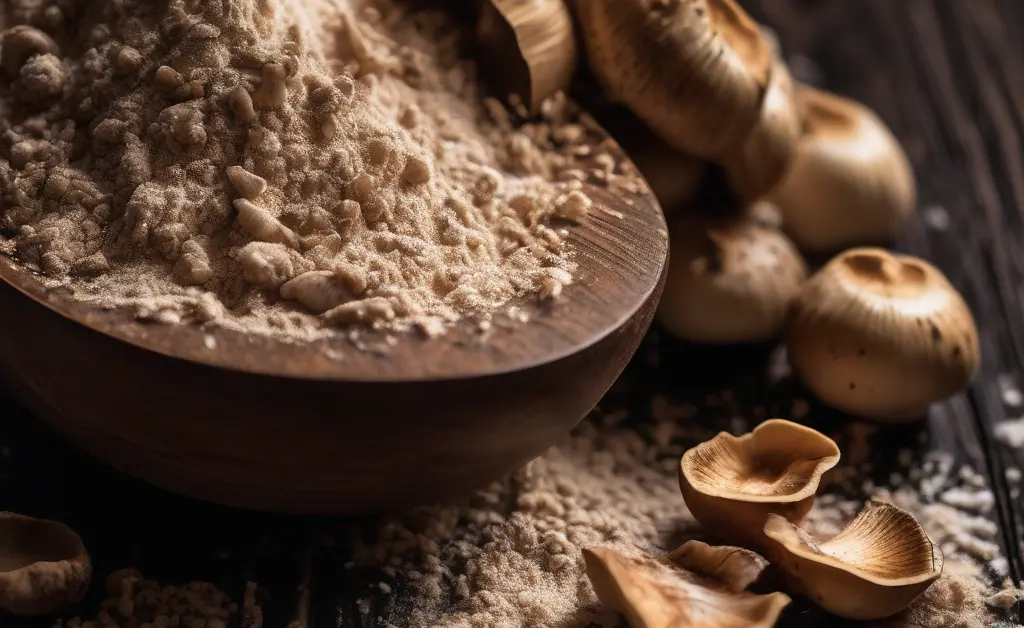
To fully grasp the potential health contributions, it’s important to look beyond just the basic vitamins and minerals and delve into the unique compounds that characterize mushroom powder nutrition. The synergy of these components is what often gives mushroom powder its recognized functional properties. The concentrated form of these constituents in powder makes it a convenient way to integrate them into daily routines, offering a comprehensive approach to dietary enhancement.
Antioxidants and Other Bioactive Compounds
One of the most compelling aspects of mushroom powder nutrition lies in its rich concentration of antioxidants and other bioactive compounds. Mushrooms are known to contain powerful antioxidants like ergothioneine and glutathione, which help protect cells from oxidative stress. Additionally, various mushroom species contain unique polysaccharides, such as beta-glucans, which have been studied for their potential to support immune system function. Further scientific validation for these compounds can often be found through organizations like the EFSA. Triterpenes, phenols, and other phytochemicals are also present, each contributing to the distinctive properties associated with different mushroom varieties. These compounds are a significant part of the comprehensive mushroom powder nutrition facts, distinguishing it from many other food supplements.
Key Nutritional Components of Mushroom Powder
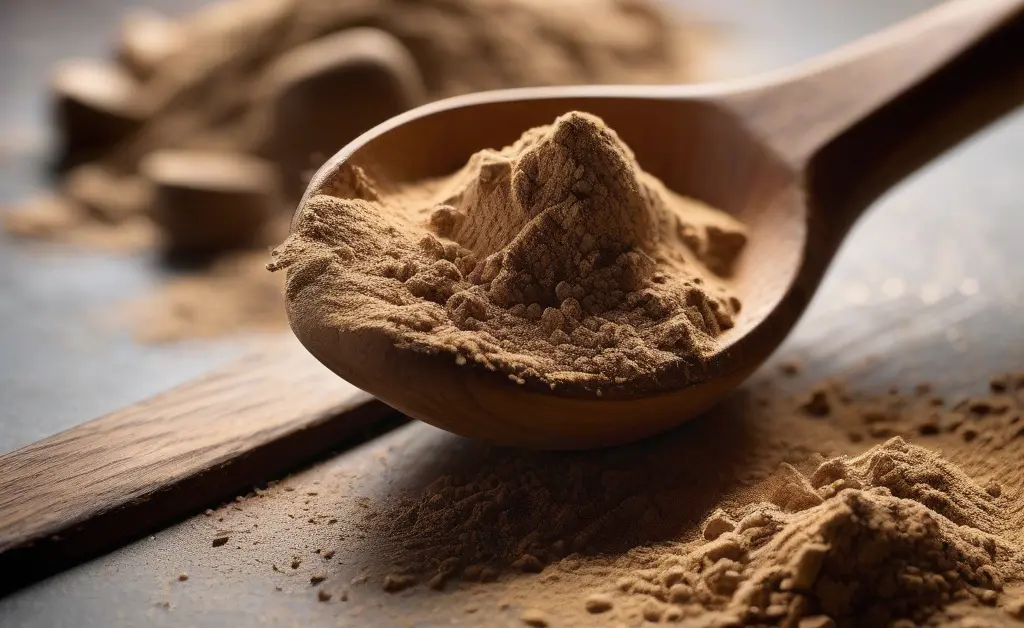
The collection of nutrients and beneficial compounds found in mushroom powder makes it a subject of increasing interest in the wellness community. From essential vitamins and minerals to dietary fiber and specialized bioactive molecules, each component contributes to a holistic nutritional profile. Recognizing these aspects helps individuals make informed choices about incorporating mushroom powder into their diets. The combined effect of these components underpins the various health benefits traditionally associated with mushrooms. A detailed review of mushroom powder nutrition facts highlights its potential as a multifaceted dietary supplement for those seeking to enhance their nutritional intake and support overall well-being.
Mushroom powder offers a convenient and concentrated way to tap into the nutritional benefits of various mushroom species. Its rich profile of vitamins, minerals, dietary fiber, and unique bioactive compounds positions it as a valuable addition to a balanced diet. Whether blended into smoothies, mixed into soups, or incorporated into other culinary creations, mushroom powder provides a versatile option for those looking to enhance their nutritional intake and explore the potential wellness advantages it may offer.
The information in this article is intended for knowledge purposes only. It is not intended to be a substitute for professional medical advice, diagnosis, or treatment. Always seek the advice of your physician or other qualified health provider with any questions you may have regarding a medical condition. Never disregard professional medical advice or delay in seeking it because of something you have read in this article.
FAQ
What vitamins are in mushroom powder?
Mushroom powders can provide certain B vitamins, such as riboflavin, niacin, and pantothenic acid, which are important for energy metabolism. They also often contain vitamin D, particularly if the mushrooms have been exposed to UV light during their growth or processing.
What nutrients are found in mushroom powder?
Beyond vitamins, mushroom powders are a source of minerals like potassium and selenium, which play roles in various bodily functions. These powders also contain beneficial compounds like beta-glucans, which are a type of soluble fiber studied for their immune-modulating properties. The specific mushroom powder nutrition facts will vary depending on the type of mushroom used.