
Understanding the Different Mushroom Powder Types
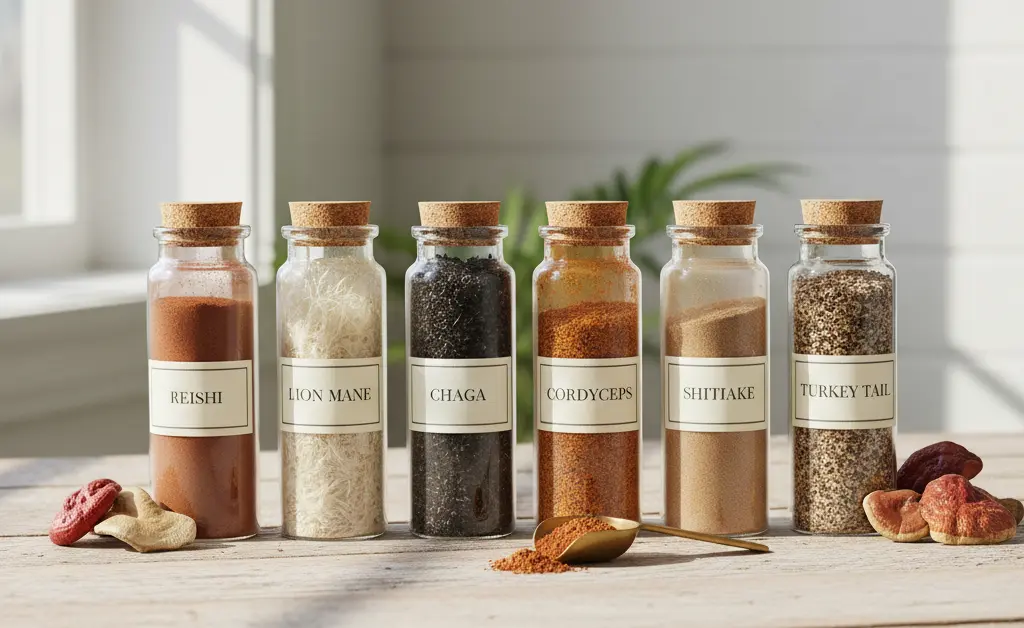
Are you struggling to consistently integrate the vast health benefits of functional mushrooms into your daily diet, perhaps feeling overwhelmed by the sheer number of options or unsure which form is most effective? Many individuals find themselves in a similar predicament, navigating the world of wellness with a desire for natural support but encountering a knowledge gap when it comes to specific applications. While fresh mushrooms offer culinary delight, their powdered counterparts provide a convenient and concentrated way to access their unique compounds. This guide aims to demystify the choices, providing a clear overview of the various mushroom powder types available and their distinct characteristics, empowering you to make informed decisions for your health and well-being.
Types of Mushroom Powder

The world of functional mushrooms has grown significantly, leading to a diverse array of available products. Understanding the different mushroom powder types is essential for consumers looking to harness their potential benefits effectively. These powders are typically created by drying and then grinding whole mushrooms or by extracting specific compounds, resulting in concentrated forms that can be easily added to various foods and beverages. From individual species to custom blends, each type offers unique properties derived from its distinct mycological profile.
Mushroom Powders
Mushroom powders, in their most fundamental form, are dried mushrooms that have been finely ground. This process transforms the fungi into a versatile ingredient that can be easily incorporated into daily routines. These powders retain the complete spectrum of compounds found in the whole mushroom, including fiber, proteins, and a wide array of beneficial constituents. They represent a convenient way to access the traditional wisdom associated with functional mushrooms, making them a popular choice for those seeking overall wellness support. Some consumers may also be interested in Ayurvedic mushroom powder, which combines traditional practices with functional fungi.
Dried Organic Mushrooms
Dried organic mushrooms refer to powders made from mushrooms cultivated without synthetic pesticides, fertilizers, or genetically modified organisms. This commitment to organic practices ensures a product free from unwanted contaminants, aligning with a desire for pure and natural ingredients. When dried and powdered, these mushrooms offer the full nutritional profile of the whole fungus, preserving the intricate balance of its natural compounds. Consumers often seek out dried organic mushrooms to ensure they are getting a product that supports both their health goals and environmental sustainability.
Lion’s Mane Powder
Lion’s Mane, scientifically known as *Hericium erinaceus*, is a distinct-looking mushroom recognized for its shaggy, white appearance. Its powdered form is widely appreciated for its unique properties, which have been traditionally associated with cognitive support. This mushroom powder type may contain compounds that are studied for their potential to support nerve health. Further research on these compounds can often be found on reputable sites like the NIH. Lion’s Mane powder can be a versatile addition to beverages like coffee or tea, or incorporated into smoothies, making it easy to integrate into a daily wellness regimen.
Reishi Powder
Reishi (*Ganoderma lucidum*) is often referred to as the “mushroom of immortality” in traditional Eastern practices, revered for its adaptogenic qualities. Reishi powder is known for its potential to help the body adapt to stress and support a sense of calm. It has also been traditionally used for its immune-modulating properties. Due to its slightly bitter taste, Reishi powder is frequently mixed into warm drinks like hot chocolate or tea, or added to soups and broths, allowing its beneficial compounds to be consumed conveniently.
Chaga Powder
Chaga (*Inonotus obliquus*) is a fungus that primarily grows on birch trees in cold climates. Its appearance is dark and crusty on the outside, with a rust-colored interior. Chaga powder is highly regarded for its potent antioxidant properties and is traditionally valued for its potential immune system support. This mushroom powder type is often prepared as a tea, where its earthy flavor can be savored, or blended into smoothies. Its unique composition has made it a subject of interest in wellness communities.
Cordyceps Powder
Cordyceps (*Cordyceps sinensis* or *Cordyceps militaris*) is a fascinating mushroom with a long history of use in traditional practices, particularly for its association with energy and stamina. Cordyceps powder is favored by athletes and individuals seeking support for vitality and endurance. It is often consumed before physical activity or as part of a morning routine to potentially support sustained energy levels. Its slightly sweet and earthy flavor makes it a pleasant addition to various drinks and foods.
Turkey Tail Powder
Turkey Tail (*Trametes versicolor*) is a common and distinctive mushroom, known for its colorful, fan-like appearance resembling a turkey’s tail. As a powder, Turkey Tail is highly valued for its potential to support a healthy immune system, largely due to its concentration of polysaccharides, including PSP and PSK. This mushroom powder is a popular choice for those looking to enhance their natural defenses. It can be easily incorporated into daily meals, such as blending into smoothies or adding to savory dishes.
Shiitake Powder
Shiitake (*Lentinula edodes*) is one of the most widely cultivated edible mushrooms globally, prized for both its culinary versatility and its potential health benefits. Shiitake powder offers a convenient way to access its rich nutritional profile, which includes B vitamins and various minerals. Traditionally, Shiitake has been studied for its immune-supporting properties. Its savory, umami flavor makes it an excellent seasoning for a variety of dishes, including soups, stews, and sauces, while also contributing to wellness.
Maitake Powder
Maitake (*Grifola frondosa*), also known as “hen of the woods,” is a large, cluster-forming mushroom native to Japan, China, and North America. Maitake powder is recognized for its potential role in supporting immune health, partly due to its unique beta-glucan content. It has been traditionally used to help balance bodily functions. Like other functional mushroom powders, Maitake can be added to drinks, meals, or taken directly, providing a versatile option for integrating its potential benefits into a healthy lifestyle.
Other Popular Mushroom Powders
Beyond the well-known varieties, there are several other notable mushroom powder types gaining recognition for their distinct attributes. These include Agaricus blazei Murill, known for its immune-modulating properties, and Tremella fuciformis, often referred to as the “beauty mushroom” for its traditional use in skin support. Blended mushroom powders, combining several species, are also popular, offering a comprehensive approach to wellness by integrating the benefits of multiple fungi. The expanding availability of these diverse mushroom powder types allows for highly personalized approaches to natural health support.
Choosing the Right Mushroom Powder

Selecting among the many mushroom powder types involves considering several factors to ensure you choose a product that aligns with your individual health goals and preferences. It’s important to research the specific properties of each mushroom and decide whether a single-species powder or a blend would best suit your needs. Taking the time to understand the source, processing methods, and intended use can significantly enhance the effectiveness of your choice. This careful selection process is key to maximizing the potential benefits that these natural supplements may offer.
When evaluating different mushroom powder types, consider your primary health objectives. For instance, if cognitive support is a priority, Lion’s Mane might be a suitable choice. For those seeking stress support, Reishi could be beneficial. Looking for organic and high-quality ingredients is also paramount to avoid contaminants and ensure potency. Understanding the distinction between full-spectrum mushroom powders, which include all parts of the fungal life cycle, and mushroom extracts, which are concentrated forms of specific compounds, can also guide your decision. Each approach has its merits, depending on the desired outcome and the specific compounds of interest.
The array of mushroom powder types available today offers a wealth of opportunities for integrating functional fungi into a wellness-focused lifestyle. Whether you are exploring options for cognitive enhancement, immune system support, energy, or simply general well-being, there is likely a mushroom powder to suit your needs. By understanding the unique characteristics of each variety and considering your personal health objectives, you can make informed choices to enhance your daily routine. This guide serves as a starting point for navigating the diverse and beneficial world of powdered functional mushrooms.
The content presented here is not a substitute for professional medical guidance. It is intended for informational purposes only and does not provide medical advice, diagnosis, or treatment. Always consult with a qualified healthcare professional before making any decisions about your health, diet, or starting any new wellness regimen. Individual results may vary, and the information provided should not be used to self-diagnose or self-treat any health condition.
FAQ
What are the different types of mushroom powders?
Mushroom powders are derived from various functional mushrooms, each offering unique compounds. Common types include Lion’s Mane, Reishi, Cordyceps, Chaga, and Turkey Tail, and these are often processed into single-ingredient powders or combined into blends for synergistic effects. Understanding the specific mushroom species is key to appreciating the diverse properties available.
Mushroom blend powder benefits
Mushroom blend powders combine several types of functional mushrooms, aiming to offer a wider range of beneficial compounds. These synergistic formulations are designed to support various aspects of well-being, from cognitive function to immune system support. The specific benefits of a blend depend on the combination of mushrooms included.
Benefits of mushroom powder in coffee
Adding mushroom powder to coffee can introduce beneficial compounds to your morning routine. Functional mushrooms are known for their adaptogenic properties, which may help the body manage stress. They can also contribute to overall vitality and support a balanced physiological response throughout the day.
How much mushroom powder per day
Determining the appropriate amount of mushroom powder involves considering individual needs and product concentrations. It is important to follow the guidelines provided by the manufacturer for the specific product being used. Personal factors and desired outcomes also play a role in establishing a suitable daily intake.
What is the best mushroom powder for energy?
Cordyceps mushroom powder is frequently studied for its potential to support energy levels and physical performance. This mushroom is known for its role in supporting the body’s natural energy production pathways. For those seeking an energizing boost, Cordyceps is a popular choice among the various mushroom powder types.
What is Lion’s Mane mushroom powder good for?
Lion’s Mane mushroom powder is recognized for its potential to support cognitive function and brain health. This unique mushroom contains compounds that are studied for their ability to promote nerve growth factor. As a result, it is often sought after for its effects on mental clarity and focus.
How do you use mushroom powder in drinks?
Mushroom powders can be easily incorporated into a variety of beverages. They blend well into smoothies, juices, teas, and even hot chocolate. For optimal integration, it is often recommended to stir or whisk the powder thoroughly until it is fully dissolved.
Can you put mushroom powder in coffee?
Yes, mushroom powder can certainly be added to coffee. Its earthy flavor profile often complements the taste of coffee, making it a popular addition to morning beverages. Stirring it well into your brew ensures it dissolves effectively for a smooth drinking experience.