
Mushroom Supplements: Powder vs. Capsule Form

While many assume that convenience dictates the best format for dietary supplements, the reality of choosing between mushroom powder vs capsules is more nuanced than a simple preference for ease of use. The proliferation of mushroom supplements on the market has led to a variety of delivery methods, each offering distinct advantages and disadvantages that cater to different user priorities and lifestyles. Understanding these subtle differences is crucial for consumers seeking to optimize their health regimen and derive the most benefit from these potent natural compounds. This guide will explore the specific characteristics, benefits, and drawbacks of each form, empowering individuals to make an informed decision tailored to their personal needs and wellness goals, rather than settling for a one-size-fits-all solution.
Understanding Mushroom Powder
Mushroom powder is typically created by drying whole mushrooms or concentrated mushroom extracts and then grinding them into a fine powder. This process aims to preserve the beneficial compounds found within the fungi. For those new to these supplements, understanding what is mushroom powder is essential for making informed decisions. Many consumers choose mushroom supplement powder for its perceived naturalness and versatility. When considering mushroom powder vs capsules, understanding the specifics of each form is essential for an informed decision. The powder can be derived from various types of mushrooms, each studied for potentially unique benefits, such as immune support, cognitive function, energy and stamina, or stress reduction. Research on these benefits can often be found through reputable scientific databases like the NCBI. How is mushroom powder used? It’s often blended into beverages like smoothies, coffee, or tea, or incorporated into various recipes.
Pros of Mushroom Powder
- Versatility: Mushroom powder can be easily mixed into a wide array of foods and drinks, offering a flexible way to integrate it into daily routines. This allows for creative culinary applications beyond simple supplementation.
- Potentially Faster Absorption: Without a capsule shell to break down, the active compounds in mushroom powder may become bioavailable more quickly, as they can be absorbed directly into the digestive system.
- Customizable Dosing: Consumers can adjust the amount they use based on their preferences or the recommendations of a qualified professional, offering a degree of personalization that pre-dosed capsules may not.
- Full Spectrum Benefits: Many mushroom powders are made from the whole fruiting body, which means they may contain a broader range of beneficial compounds compared to some extracts.
Cons of Mushroom Powder
- Taste and Texture: The earthy, sometimes bitter taste and powdery texture of some mushroom powders can be off-putting for certain individuals, making consumption less enjoyable.
- Less Convenient: Measuring and mixing powder can be more time-consuming and less convenient, especially when on the go or traveling.
- Potential for Mess: Powders can be messy to handle, with spills or dust being common occurrences.
- Stability Concerns: Once opened, powders can be more susceptible to moisture and oxidation, potentially affecting their potency over time if not stored properly.
Understanding Mushroom Capsules
Mushroom capsules encase dried mushroom powder or concentrated mushroom extracts within a dissolvable shell, typically made from gelatin or plant-derived cellulose. This format offers a convenient and precise way to consume mushroom supplements. Exploring mushroom powder vs capsules also requires a detailed look at the capsule form, which is a popular choice for many. What are mushroom capsules? They are essentially pre-portioned doses of mushroom material, designed for easy ingestion. How are mushroom capsules used? They are generally swallowed whole with water, much like other dietary supplements, making them straightforward for daily intake.
Pros of Mushroom Capsules
- Convenience and Portability: Capsules are incredibly easy to take, requiring no preparation beyond swallowing with water. Their compact nature makes them ideal for travel or busy schedules.
- Masks Taste and Smell: The capsule shell effectively conceals the natural taste and aroma of the mushroom powder, which is a significant advantage for those sensitive to these sensory characteristics.
- Precise Dosing: Each capsule contains a pre-measured amount of mushroom extract or powder, ensuring consistent and accurate intake without the need for measuring tools.
- Enhanced Stability: The encapsulated form provides a protective barrier against external factors like light, air, and moisture, which may contribute to a longer shelf life and maintain potency.
Cons of Mushroom Capsules
- Less Versatile: Capsules offer limited options for consumption; they are typically swallowed and cannot be easily integrated into foods or beverages in the same way powders can.
- Capsule Material: Some individuals may have dietary restrictions or preferences regarding capsule materials (e.g., gelatin vs. vegetarian cellulose), limiting their choices.
- Potentially Slower Absorption: The capsule shell must first dissolve in the digestive system before the mushroom compounds can be absorbed, which could slightly delay their bioavailability compared to powders.
- Potential for Fillers: Some mushroom extract capsules might contain inactive ingredients or fillers to aid in manufacturing or stability, which some consumers prefer to avoid.
Mushroom powder vs capsules
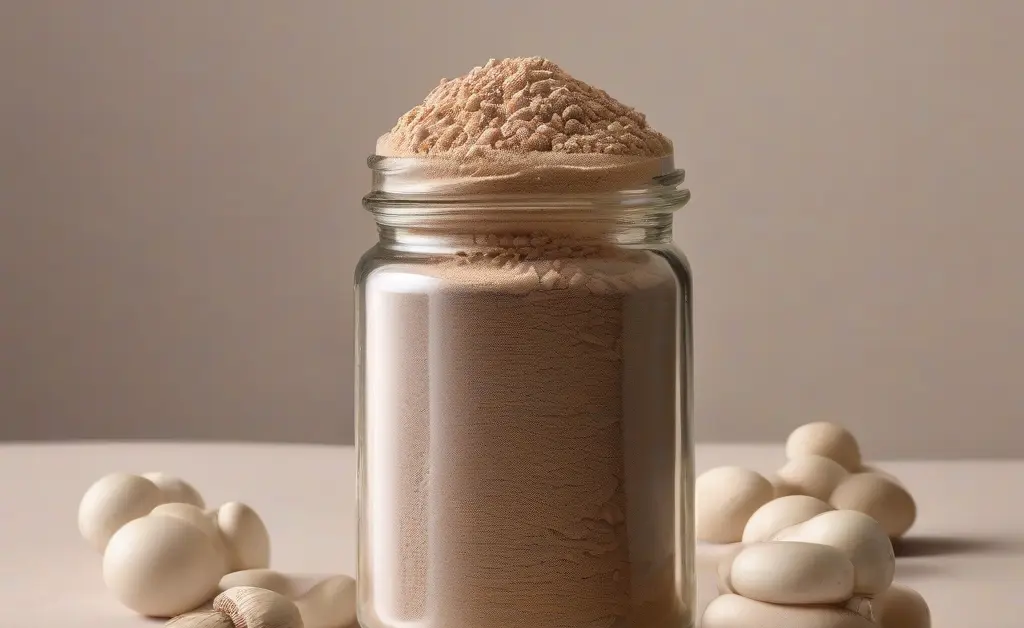
The core distinction when evaluating mushroom powder vs capsules lies in their delivery method, which subsequently impacts various aspects of the user experience and potential efficacy. Understanding these comparative elements is key for consumers making an informed choice for their wellness regimen.
Dosage Control
With mushroom powder, individuals often have more granular control over their intake, as they can measure out specific amounts. This flexibility can be beneficial for those who wish to fine-tune their daily consumption. In contrast, capsules offer pre-measured doses, which ensures consistency and removes the guesswork, appealing to those who prefer a straightforward approach without needing to measure.
Absorption and Bioavailability
The rate at which beneficial compounds are absorbed and made available to the body (bioavailability) can differ between the two forms. Powder, being directly exposed to digestive fluids, may sometimes offer quicker absorption. However, the exact rate can be influenced by other factors like stomach contents. Capsules, on the other hand, require the dissolution of the outer shell, which might lead to a slightly slower release, but can also protect sensitive compounds until they reach the appropriate part of the digestive tract.
Ease of Use and Convenience
Ease of use and convenience are significant differentiating factors. Capsules are undeniably convenient; they are portable, require no preparation, and can be consumed quickly with water. Powders, while versatile, demand more effort in terms of measuring, mixing, and potential clean-up, which might be less convenient for those with busy lifestyles or while traveling.
Versatility and Customization
Powders excel in versatility and customization. They can be seamlessly blended into a variety of foods and beverages, allowing users to integrate mushroom benefits into their diet creatively. This makes them ideal for those who enjoy experimenting in the kitchen or prefer not to swallow pills. Capsules, by design, offer limited versatility as they are primarily for oral ingestion as a pill.
Cost-Effectiveness
Generally, mushroom powders may be more cost-effective per serving compared to capsules, as the manufacturing and packaging process for powders can sometimes be simpler. However, this can vary significantly between brands and the concentration of the product. When comparing the cost, it’s important to consider the serving size and the concentration of active compounds in both forms.
Key Differences: Powder vs. Capsules
When assessing mushroom powder vs capsules, several key distinctions emerge that can guide consumer choice. These differences span convenience, taste, and how the body might interact with the supplement. Understanding these points helps in identifying the format best suited for individual needs and preferences.
| Feature | Mushroom Powder | Mushroom Capsules | |
|---|---|---|---|
| Form Factor | Loose, fine powder | Encapsulated powder or extract | |
| Preparation | Requires mixing into food/drinks | Swallowed whole with water | |
| Taste/Texture | Noticeable (can be earthy, bitter) | Masked by capsule shell | |
| Portability | Less convenient, prone to spills | Highly convenient for travel | |
| Dosing | Customizable, requires measuring | Pre-measured, consistent doses | |
| Versatility | High (can be added to many items) | Low (primarily oral ingestion) | |
| Absorption Speed (potential) | Potentially faster | Potentially slower (capsule breakdown) | |
| Shelf Life | May be sensitive to moisture/air | Generally more stable |
Choosing the Right Mushroom Supplement Format

Deciding between mushroom powder vs capsules ultimately comes down to individual lifestyle, dietary preferences, and specific health goals. Both forms offer the potential benefits of mushroom supplements, such as supporting immune function, enhancing cognitive function, boosting energy and stamina, or aiding in stress reduction. The best mushroom capsules or best mushroom powder supplement for an individual will depend on various factors to consider, including how one wants to integrate them into their daily routine and what to look for in mushroom supplements regarding purity and potency.
When to Choose Powder
Mushroom powder is often preferred by individuals who appreciate versatility and enjoy incorporating supplements into their meals or beverages. If you enjoy making smoothies, coffees, or cooking, the powder form allows for creative integration. It’s also a good choice for those who want to avoid swallowing pills or prefer to have more control over the specific amount they consume, as long as they are comfortable with measuring. People who are sensitive to capsule ingredients or those seeking a whole-food approach may also lean towards powders. How do you take mushroom powder? By blending it into drinks or food.
When to Choose Capsules
Mushroom capsules are ideal for those who prioritize convenience, consistency, and portability. If you have a busy lifestyle, travel frequently, or simply want a quick and easy way to take your supplements, capsules offer a no-fuss solution. They are also excellent for individuals who are averse to the taste or texture of mushroom powder, as the capsule effectively masks these sensory aspects. For those who prefer a precise and pre-measured dose without any preparation, capsules provide a straightforward and reliable option. How do you take mushroom capsules? Simply by swallowing them with water.
The choice between mushroom powder and capsules is a personal one, influenced by a blend of practical considerations and individual preferences. Both delivery methods offer a gateway to potentially harness the array of compounds found in mushrooms, which may support various aspects of well-being. By weighing the unique advantages and disadvantages of each, consumers can select the format that best aligns with their lifestyle, health objectives, and comfort, ultimately optimizing their experience with mushroom supplements.
This information is provided for educational purposes only. It is not intended to be a substitute for professional medical advice, diagnosis, or treatment. Always seek the advice of a qualified healthcare provider with any questions you may have regarding a medical condition or before making any changes to your health regimen, including the use of dietary supplements. Individual results may vary, and the potential benefits discussed are based on traditional use and scientific study, but further research is ongoing.
FAQ
Which is better, mushroom powder or capsules?
Both mushroom powder and capsules offer ways to incorporate functional mushrooms into your wellness routine, and the “better” choice often depends on individual preference and lifestyle. Powder can be easily added to beverages or foods, offering versatility, while capsules provide a convenient and precise way to consume mushroom supplements on the go. The effectiveness is typically related to the quality and processing of the mushroom material within, rather than the delivery form itself.
Are mushroom capsules as effective as powder?
Mushroom capsules can be just as effective as mushroom powder when formulated with comparable quality mushroom material and beneficial compounds. The key factor influencing efficacy lies in the extraction process used to concentrate the active constituents of the mushroom, ensuring bioavailability. If both the powder and the capsule filling originate from well-extracted and standardized mushroom sources, their therapeutic potential is likely to be similar.
What is the difference between mushroom powder and mushroom extract capsules?
The primary difference between mushroom powder and mushroom extract capsules lies in their preparation and concentration of beneficial compounds. Standard mushroom powder often includes the whole mushroom, ground into a fine texture, while mushroom extract capsules typically contain compounds that have been concentrated through a hot water or alcohol extraction process. This extraction aims to break down tough cell walls and make key nutrients, like beta-glucans, more accessible for the body to absorb.