
Choosing Between Mushroom Powder and Extract
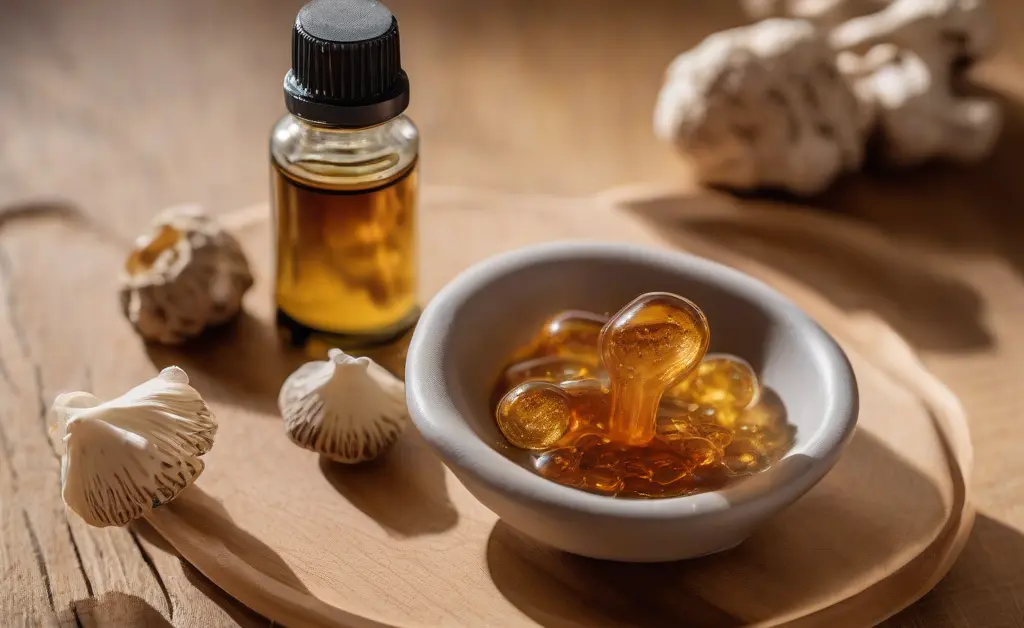
Medicinal mushrooms are celebrated for their diverse health benefits, from immune support to cognitive enhancement, making them a popular addition to daily wellness routines. As consumers seek to incorporate these fungi, they often encounter two primary forms: powders and extracts. While both aim to deliver the beneficial compounds of mushrooms, their preparation methods and concentration levels differ significantly. Understanding the nuances between mushroom powder vs extract is crucial for making an informed choice that aligns with individual health goals and lifestyle preferences. This guide will explore the characteristics, manufacturing processes, and advantages of each form to help clarify which option might be best for you.
Mushroom Powder vs. Mushroom Extract: Key Differences
Navigating the world of medicinal mushrooms often leads to a fundamental choice between their powdered and extracted forms. Both offer pathways to potentially harness the beneficial compounds of fungi, but their core characteristics, preparation, and resulting properties vary considerably. Understanding the distinction between mushroom powder vs extract is essential for consumers aiming to optimize their health regimen based on specific needs and desired outcomes.
What is Mushroom Powder?
Mushroom powder typically refers to the dried and finely ground form of the entire mushroom fruiting body or mycelium. This processing method aims to preserve the full spectrum of compounds present in the fungi, including not only the active polysaccharides like beta-glucans but also fiber, vitamins, minerals, and other secondary metabolites. It represents a “whole food” approach, where the complete nutritional profile of the mushroom is retained.
How is Mushroom Powder Made?
The creation of mushroom powder is a relatively straightforward process. Freshly harvested mushrooms are usually cleaned, sliced, and then dehydrated using methods like air-drying, freeze-drying, or low-heat drying. Once thoroughly dried, they are ground into a fine powder. This method ensures that all components of the mushroom, including the chitin in the cell walls, remain intact. The quality of the final powder depends heavily on the initial quality of the raw mushrooms and the drying process used to prevent degradation of sensitive compounds.
Pros and Cons of Mushroom Powder
Mushroom powder offers several advantages. As a whole food product, it provides dietary fiber, which can support digestive health. It contains a broad spectrum of nutrients and compounds, allowing for a synergistic effect that proponents of whole-food supplementation value. The complete nutrient profile, including the chitin, is thought to contribute to its overall efficacy. Furthermore, mushroom powder can be more cost-effective per serving and easier to incorporate into culinary applications, such as smoothies, soups, or baked goods. For general health guidance and reliable information, resources like the NHS provide valuable insights.
However, mushroom powder also has its drawbacks. The active compounds, such as beta-glucans and triterpenes, are often locked within the mushroom’s tough, indigestible chitin cell walls. This means that without further processing, the bioavailability and absorption of these key beneficial components may be limited for human digestion. Consequently, the potency of mushroom powder might be lower compared to an extract, requiring larger doses to achieve similar effects. Its texture can also be gritty, affecting palatability for some.
What is Mushroom Extract?
Mushroom extract is a more concentrated form, specifically processed to isolate and enhance the bioavailability of the beneficial compounds found in mushrooms. The primary goal of extraction is to break down the chitin cell walls and release the active constituents, making them more readily available for absorption by the body. This process often focuses on increasing the concentration of specific polysaccharides, triterpenes, and other bioactive molecules.
How is Mushroom Extract Made?
The production of mushroom extract involves more sophisticated techniques than simple grinding. Hot water extraction is a common method, particularly effective for drawing out water-soluble polysaccharides like beta-glucans. For compounds that are not water-soluble, such as some triterpenes, a dual extraction method is often employed, which combines hot water extraction with an alcohol extraction step. This ensures a fuller spectrum of active compounds is made bioavailable. The resulting liquid extract is then typically concentrated and dried into a powder or kept as a liquid tincture. This process significantly enhances the potency and concentration of the desired components, improving their bioavailability and absorption.
Pros and Cons of Mushroom Extract
The main advantage of mushroom extract lies in its high potency and enhanced bioavailability. The extraction process breaks down the chitin, making the key active compounds, such as beta-glucans, more accessible and easier for the body to absorb and utilize. This often means that smaller doses of extract can yield more significant effects compared to raw powder. Extracts are also usually standardized to contain a certain percentage of active compounds, offering a more consistent and reliable product. Their solubility and mixing capabilities are generally superior, making them easy to incorporate into beverages.
On the downside, mushroom extracts typically lack the complete nutrient profile and fiber found in whole mushroom powder, as the extraction process removes much of the bulk material. They can also be more expensive due to the complex manufacturing processes involved. While effective for targeting specific health benefits associated with concentrated compounds, they do not offer the “whole food” benefit of consuming the entire mushroom.
Mushroom Powders vs Extracts: Which is Better?
When evaluating mushroom powder vs extract, the ‘better’ option often depends on individual health goals, dietary preferences, and the specific mushroom being considered. There isn’t a universally superior choice; rather, the optimal form is the one that best aligns with what you aim to achieve and how your body can best utilize the compounds. Factors such as potency, bioavailability, and the desire for a whole-food approach play significant roles in this decision.
Whole Mushroom Powder vs. Extract
The fundamental distinction between whole mushroom powder and extract boils down to their nutrient profile and the accessibility of active compounds. Whole mushroom powder provides the entire spectrum of the mushroom, including dietary fiber, various vitamins, minerals, and a wider array of less concentrated bioactive compounds. It’s akin to consuming the mushroom in its natural state, albeit dried and ground. This can be beneficial for those seeking general wellness support and a complete nutritional intake from the fungi.
In contrast, mushroom extract prioritizes potency and concentration. It is specifically designed to maximize the availability of key therapeutic compounds, such as beta-glucans and triterpenes, by breaking down the mushroom’s indigestible cell walls. This means that while you might miss out on some of the fiber and minor nutrients, you gain a significantly higher concentration and bioavailability of the most studied beneficial compounds. For targeted support related to immune function or other specific health benefits of mushroom compounds, extracts are often considered more effective.
When to Choose Powder
Choosing mushroom powder may be ideal if you prioritize a whole-food approach and wish to benefit from the complete nutrient profile and fiber content of the mushroom. It’s an excellent option for daily general wellness support, for those who appreciate the synergy of all compounds working together, and when digestive health support from fiber is desired. Mushroom powders are also often preferred for culinary applications, as they can seamlessly integrate into various recipes, adding a subtle earthy flavor and nutritional boost to smoothies, soups, and even coffee. They may also be a more cost-effective option for long-term daily use if high concentration isn’t the primary goal.
When to Choose Extract
Mushroom extract is generally recommended when the primary goal is to achieve specific health benefits associated with the concentrated bioactive compounds, particularly for those seeking higher potency and improved bioavailability. If you are looking to specifically support immune function, cognitive performance, or other targeted health areas that require a more potent dose of compounds like beta-glucans, an extract is often the more efficient choice. Due to their enhanced absorption, extracts may offer more pronounced effects with smaller serving sizes. They are also favored for their ease of mixing into liquids without altering texture, making them a convenient option for beverages and tinctures. When considering factors to consider for maximum impact on specific supplementation goals, extracts typically deliver a more concentrated dose of the key compounds.
Ultimately, the choice between mushroom powder and extract is personal and should align with your specific health objectives. Both forms offer potential benefits, and a deeper understanding of their preparation and composition allows for a more informed decision tailored to your individual needs.
This article is meant for general informational use and awareness. It is not intended to provide medical advice, diagnosis, or treatment. Always consult with a qualified healthcare professional before making any decisions about your health or starting any new supplement regimen. Individual results may vary, and the information provided should not be used as a substitute for professional medical guidance.
FAQ
What is the difference between mushroom powder and mushroom extract?
Mushroom powder is created by simply drying and grinding the whole mushroom. Mushroom extract, on the other hand, involves a process that concentrates specific beneficial compounds from the mushroom, often using water or alcohol. This concentration step is key to differentiating the two forms.
Is mushroom extract more potent than mushroom powder?
Generally, mushroom extract is considered more potent due to the extraction process. This process aims to isolate and increase the concentration of active compounds, such as beta-glucans and triterpenes, making them more bioavailable. The result is a more concentrated form of the mushroom’s beneficial constituents.
Which is better for health, mushroom powder or extract?
Both forms offer nutritional benefits, but the answer depends on your wellness goals. Mushroom powder provides a broad spectrum of nutrients from the whole mushroom. For those seeking specific concentrated compounds, an extract may be more targeted.
Can you use mushroom powder instead of extract?
While you can use mushroom powder, it’s important to understand that it contains a different profile and concentration of compounds compared to an extract. If a specific compound is desired, the powder may not deliver the same intensity as an extract. The composition of mushroom powder vs extract differs significantly.