
Choosing Between Mushroom Powder and Fresh Mushrooms
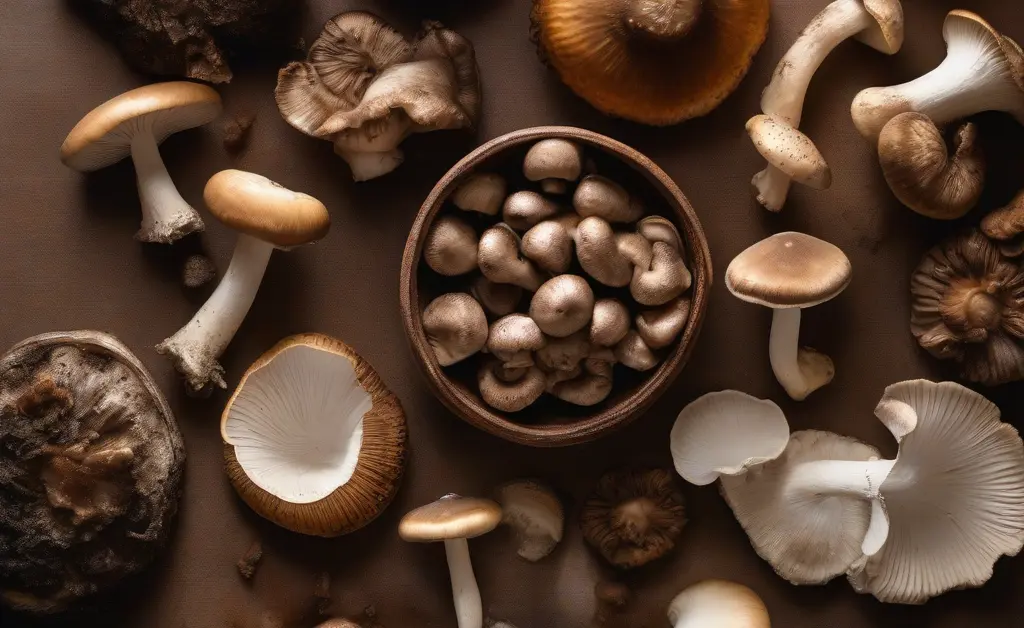
For centuries, fresh mushrooms have been a staple in kitchens and traditional medicine, prized for their earthy flavors and subtle health benefits. However, modern advancements have introduced mushroom powder, offering a transformative shift in how these fungi can be incorporated into daily life. This powdered form condenses the essence of mushrooms, providing a convenient and often more potent way to access their compounds. Understanding the distinct characteristics of mushroom powder vs fresh mushrooms is crucial for consumers and culinary enthusiasts alike. This article explores their differences in nutrition, culinary application, and overall utility, guiding you to make informed choices based on your specific needs and preferences.
Key Differences: Powder vs. Fresh
When considering mushroom powder vs fresh mushrooms, their core differences extend far beyond their physical form. These variations impact everything from nutritional density to practical use in the kitchen. Understanding these fundamental distinctions is essential for making an informed choice for your dietary and culinary needs.
Nutritional Profile of Mushroom Powder
Mushroom powder is typically made by dehydrating and grinding whole mushrooms. To gain a deeper understanding of its nature, considering what is mushroom powder is essential. This process removes water, concentrating the nutrients, fibers, and beneficial compounds like polysaccharides, triterpenes, and antioxidants into a much smaller volume. The resulting powder offers a convenient way to integrate a higher density of these compounds into daily intake. Different methods of preparation, such as hot water extraction before drying, can further influence the concentration of specific beneficial components, particularly polysaccharides.
Nutritional Profile of Fresh Mushrooms
Fresh mushrooms, by contrast, contain a high water content, often around 80-90%. While they are still a good source of vitamins, minerals, fiber, and various bioactive compounds, their nutritional density per serving is lower compared to an equivalent weight of mushroom powder. Fresh varieties offer a different experience, providing not just nutrients but also unique textures and subtle flavors that are integral to many culinary dishes. The freshness also ensures a full spectrum of volatile compounds that contribute to their aroma and taste.
Concentration of Nutrients (e.g., Polysaccharides)
One of the most significant distinctions in the mushroom powder vs fresh mushrooms debate lies in the concentration of their beneficial components. When mushrooms are dried and pulverized into a powder, their water content is removed, leading to a much higher concentration of nutrients by weight. This is particularly true for compounds like beta-glucans, a type of polysaccharide, which are often sought after for their potential health-supporting properties. For further scientific understanding of such compounds, resources like the NIH provide valuable insights. A small spoonful of mushroom powder can contain the equivalent bioactive compounds of a much larger serving of fresh mushrooms. This enhanced concentration is why mushroom powders are often favored for supplementation.
Bioavailability and Absorption
The form in which mushroom compounds are consumed can influence their bioavailability and how readily they are absorbed by the body. In mushroom powder, the grinding process breaks down cell walls, which may potentially make certain compounds more accessible for digestion and absorption. Some powders are also processed through extraction, which further isolates and concentrates specific compounds, potentially enhancing their bioavailability. Fresh mushrooms, while highly nutritious, require more digestive effort to break down their cellular structures and release their beneficial constituents.
Flavor Profile and Culinary Applications
The flavor profile of mushroom powder vs fresh mushrooms differs considerably, leading to distinct culinary applications. Fresh mushrooms offer an earthy, umami-rich flavor that can vary greatly by species, along with a unique texture that adds body to dishes. They are perfect for stir-fries, soups, sauces, and as a standalone side dish. Mushroom powder, on the other hand, provides a more concentrated, sometimes bolder umami flavor without the texture. It can be easily incorporated into smoothies, hot beverages, broths, and sauces as a flavor enhancer or nutritional booster without significantly altering the consistency of the dish. Common Culinary Uses of Mushroom Powder include seasoning blends and nutritional supplements.
Ease of Use and Preparation
In terms of ease of use and preparation, mushroom powder generally offers superior convenience. It requires no washing, chopping, or sautéing, making it a quick addition to almost any food or drink. It also has a longer shelf life and is easier to store than fresh mushrooms, which are perishable and need to be used relatively quickly. Understanding Fresh Mushrooms highlights their need for careful handling and timely consumption. Fresh mushrooms demand more preparation time and proper storage to maintain their quality, but they provide an incomparable textural experience that powder cannot replicate.
Mushroom Powders vs Extracts: Which is Better?
When delving into the world of concentrated mushroom products, the choice between mushroom powders vs extracts often arises. While both are derived from mushrooms, they represent different levels of processing and concentration, each with its own advantages. Mushroom powders, as discussed, are typically made from dried and ground whole mushrooms, retaining the full spectrum of nutrients, fiber, and compounds found in the whole fungus, just in a concentrated form. This means you’re consuming the entire mushroom biomass, just without the water content. The discussion of mushroom powder vs fresh mushrooms often naturally leads to this further distinction.
Mushroom extracts, however, undergo an additional process, often involving hot water or dual extraction (water and alcohol), to isolate and concentrate specific bioactive compounds, such as polysaccharides (beta-glucans) or triterpenes. This process aims to increase the potency of certain components, making them more bioavailable. For example, a hot water extract might be rich in beta-glucans, while a dual extract could also contain alcohol-soluble compounds. Therefore, the choice between them often depends on the specific health goals or desired compounds. Whole Mushroom Powder vs. Extract really boils down to whether you prefer the full nutritional profile of the whole organism or a targeted concentration of specific beneficial compounds.
Benefits and Uses of Each
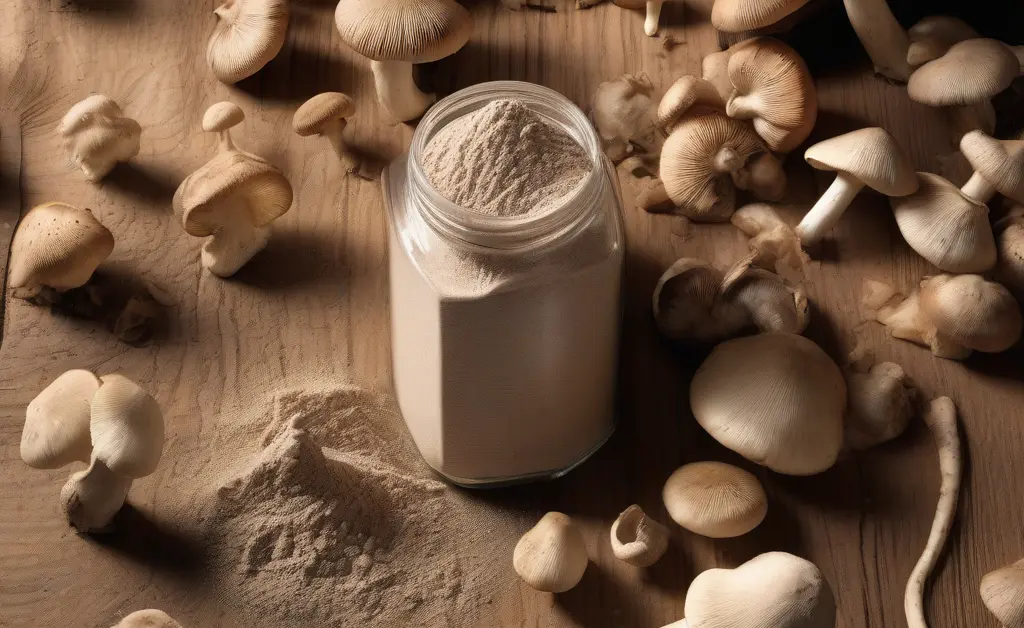
Both mushroom powder vs fresh mushrooms offer a myriad of benefits, making them valuable additions to various diets and lifestyles. The optimal choice often hinges on specific dietary needs, culinary preferences, and individual health goals. Understanding the distinct advantages of each form can help consumers make an informed decision for their daily intake.
When to Choose Mushroom Powder
Mushroom powder is an excellent choice for those seeking concentrated nutritional support with maximum convenience. Its powdered form makes it incredibly versatile, easily blendable into smoothies, coffees, teas, or sprinkled over meals as a subtle flavor enhancer. Understanding Mushroom Powder highlights its utility for consistent, daily intake of beneficial mushroom compounds. It’s particularly beneficial for individuals looking to support overall wellness, cognitive function, or immune health, as it provides a convenient way to ingest a higher quantity of beneficial compounds regularly without consuming large volumes of food. Benefits of Mushroom Powder often emphasize its potential as a supplement.
When to Choose Fresh Mushrooms
Fresh mushrooms are unparalleled when culinary experience and textural integrity are priorities. They bring a unique umami depth and a satisfying bite to dishes that powder simply cannot replicate. For those who enjoy cooking and appreciate the sensory aspects of food, fresh mushrooms are the go-to. What are Fresh Mushrooms delves into their versatility in creating hearty meals, elegant side dishes, and flavor-packed vegetarian options. They are ideal for stir-fries, omelets, roasted vegetables, and as a meat substitute, contributing both flavor and substance. Common Culinary Uses of Fresh Mushrooms showcase their role in traditional and modern cuisine.
Factors to Consider (Dietary Needs, Recipes, Health Goals)
When deciding between mushroom powder vs fresh mushrooms, several factors should guide your choice. Your dietary needs are crucial; if you’re aiming for a high concentration of specific compounds for health reasons, powder or extract might be more efficient. For culinary purposes, the type of recipe often dictates the form—fresh for texture and visual appeal, powder for seamless integration and flavor boosting without altering consistency. Your overarching health goals also play a role; if you’re seeking daily, sustained intake of mushroom benefits, the convenience of powder may be preferable. However, if you simply enjoy incorporating wholesome, natural ingredients into your cooking, fresh mushrooms are an excellent choice. Ultimately, both forms contribute to a healthy diet, and the best approach may involve incorporating both based on specific situations.
The journey through the world of mushroom powder vs fresh mushrooms reveals that each form offers unique advantages tailored to different needs. While fresh mushrooms captivate with their distinct textures and vibrant flavors, elevating culinary experiences, mushroom powders stand out for their concentrated nutritional potency and unparalleled convenience. From boosting daily wellness routines to enhancing the nutritional profile of various dishes, both options provide valuable contributions. The choice ultimately depends on an individual’s priorities, whether seeking a profound culinary experience, targeted nutritional support, or a harmonious blend of both. Understanding these distinctions empowers consumers to thoughtfully integrate these versatile fungi into their lifestyle, maximizing their benefits for both palate and well-being.
This article is written for general understanding and not for medical decision-making. The information presented is for informational purposes only and is not intended to be a substitute for professional medical advice, diagnosis, or treatment. Always seek the advice of your physician or other qualified health provider with any questions you may have regarding a medical condition.
FAQ
Are fresh mushrooms healthier than powdered?
Both fresh and powdered mushrooms offer nutritional benefits, though the form can influence nutrient availability and concentration. Drying mushrooms can concentrate certain nutrients and make them more shelf-stable, while fresh mushrooms provide a different spectrum of flavor and texture. The overall healthfulness depends on how they are prepared and consumed, as well as the specific mushroom species.
What is the difference between mushroom powder and mushroom extract?
Mushroom powder is typically made by drying and grinding the entire mushroom, preserving its full range of components. Mushroom extract, on the other hand, undergoes a process to isolate specific beneficial compounds, often using solvents like water or alcohol to concentrate active ingredients such as beta-glucans. The distinction is significant when considering the desired functional benefits; mushroom powder vs fresh mushrooms is a different comparison altogether.