
Understanding the Difference: Mushroom Powder vs. Gummies
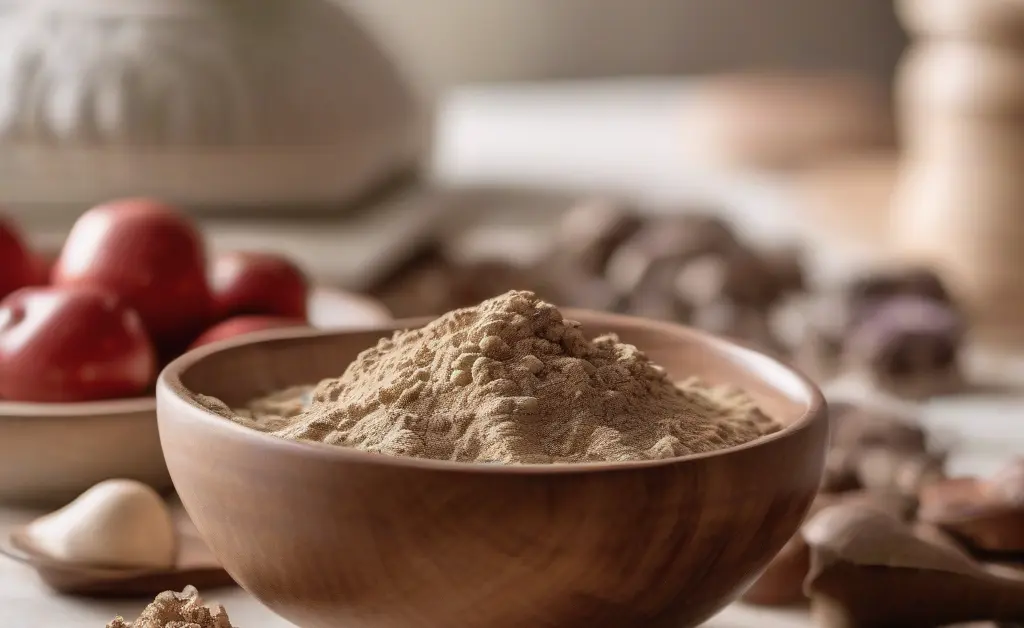
Many individuals seek natural ways to support their health and well-being. Functional mushrooms have gained considerable attention for their potential benefits, ranging from immune support to cognitive enhancement. As interest in these powerful fungi expands, consumers are presented with various delivery methods to choose from, each offering distinct characteristics. Two common and popular forms available on the market today are mushroom powders and gummies. Understanding the key differences between these options is crucial for making an informed decision that aligns with personal preferences and health goals. This article will delve into the factors that differentiate mushroom powder vs gummies, helping you determine which format might be best suited for your needs.
Mushroom Powder vs. Gummies: Which Is Better
When evaluating mushroom powder vs gummies, consumers often seek to understand which form delivers superior benefits. Both formats offer unique advantages and potential drawbacks, making the choice highly individual. Understanding the nuances of each can help in selecting a supplement that best fits one’s lifestyle and wellness objectives. For reliable health information, resources from institutions like the NIH are often recommended. For instance, mushroom powders typically represent a more direct form of the functional fungi, often consisting of pure, dried, and ground mushrooms or their extracts. In contrast, mushroom gummies combine mushroom extracts with various other ingredients to create a chewable, flavored product.
Potency and Dosage
Mushroom powders often offer a higher concentration of active compounds, allowing for greater flexibility in dosage. Users can typically adjust the amount of powder consumed to meet specific needs, providing a tailored experience. This also means that many powders may contain a more potent dose of beneficial compounds per serving compared to gummies. Gummies, on the other hand, are usually pre-dosed, meaning each piece contains a fixed amount of mushroom extract. While this offers convenience, it can limit the ability to fine-tune intake. Common types of mushroom powders can include reishi, lion’s mane, chaga, and cordyceps, often in their unadulterated form, which inherently contributes to their potential potency.
Absorption and Bioavailability
The rate and extent to which the body can absorb and utilize the active compounds (bioavailability) can vary between these two forms. Pure mushroom powders, especially those made from finely ground whole mushrooms or carefully extracted components, may be readily available for absorption. When mixed into liquids or foods, the beneficial compounds can be assimilated by the digestive system. Mushroom gummies, while convenient, contain additional ingredients that might influence absorption. The formulation of gummies, including sugars, gelling agents, and other additives, could potentially affect how quickly the mushroom extracts are processed by the body. Common mushroom extracts found in gummies are often water-soluble or concentrated forms designed for easier integration into the gummy matrix.
Taste and Convenience
Taste is a significant factor for many users. Mushroom powders can have an earthy or sometimes bitter taste, which some individuals may find unpalatable. They are often mixed into smoothies, coffee, tea, or food to mask the flavor. This requires an extra step in preparation. Gummies, however, are typically flavored to be enjoyable, often resembling candy. This makes them a more appealing option for those who dislike the natural taste of mushrooms or prefer a more palatable experience. In terms of convenience, gummies are easy to consume on the go, requiring no preparation, making them a discreet and straightforward way to take mushroom supplements. Powders, while versatile, generally require more effort to incorporate into a daily routine.
Ingredient Purity and Additives
The purity of the product is a crucial consideration. Mushroom powders, especially those from reputable sources, often boast a minimalist ingredient list, sometimes containing only the mushroom itself or its extract. This reduces the chances of encountering unwanted fillers or artificial ingredients. However, understanding mushroom powder also involves recognizing that some products may include flow agents or anti-caking agents. Mushroom gummies, by their very nature, require additional ingredients for their structure, taste, and preservation. These can include sugars, artificial sweeteners, natural flavors, colors, gelatin or pectin, and various other excipients. Consumers prioritizing a clean label may find powders more aligned with their preferences, while those opting for gummies should scrutinize the full ingredient list for potential additives.
Cost-Effectiveness
When comparing mushroom powder vs gummies, the cost-effectiveness often varies significantly. Powders generally offer more servings per container and a higher concentration of active ingredients, potentially making them more economical per dose. Although the initial purchase price might be similar or even higher for a large tub of powder, the longevity and potency can translate to better value over time. Gummies, while convenient and often perceived as more consumer-friendly, may come at a higher cost per serving due to the manufacturing processes, additional ingredients, and individual packaging. This can make them a more expensive option for consistent, long-term use.
Key Differences: Powder vs. Gummies

The decision between mushroom powder vs gummies hinges on several practical considerations beyond just their fundamental composition. Each format presents a distinct set of advantages and disadvantages that cater to different user needs and preferences. While both aim to deliver the benefits of functional mushrooms, their application and user experience vary widely, influencing factors such as adherence to a routine, dietary alignment, and overall perceived value. For instance, understanding mushroom gummies and their formulation can highlight why they might be preferred for ease of use, whereas mushroom powder is often chosen for its versatility.
Advantages
Mushroom powders offer significant versatility; they can be easily incorporated into a wide range of foods and beverages, from breakfast smoothies and oatmeal to coffee and soups. This allows for creative ways to consume functional mushrooms without altering the texture or taste profile significantly if mixed well. Powders also often provide a higher concentration of beneficial compounds, potentially offering a more potent effect per serving. They tend to have fewer added ingredients, appealing to those who prefer a “cleaner” supplement. On the other hand, the primary advantages of mushroom gummies are their taste and convenience. They are a palatable option for individuals who find the natural flavor of mushroom powders unpleasant. Gummies are pre-dosed and portable, making them incredibly easy to consume anytime, anywhere, without the need for mixing or preparation.
Disadvantages
The main disadvantage of mushroom powders is their taste and the effort required for preparation. Their earthy flavor can be off-putting, and the need to mix them into food or drink adds a step to the daily routine. Some powders may not dissolve completely, leading to a gritty texture. For mushroom gummies, the disadvantages often revolve around their composition and cost. They typically contain added sugars, artificial flavors, and other excipients to achieve their appealing taste and texture, which may not align with all dietary preferences or health goals. The concentration of active ingredients per gummy can also be lower, potentially requiring consumption of multiple gummies to achieve an equivalent dose to a single serving of powder. This can also lead to higher overall costs, as gummies might be more expensive per serving.
Consider Your Goals
Choosing between a mushroom powder or gummies should be influenced by your specific health and wellness objectives. If your goal is to maximize the intake of concentrated mushroom compounds and you are comfortable with preparing your supplements, then a high-quality mushroom powder might be more suitable. Powders often provide a broader spectrum of active components, especially if they are made from whole fruiting bodies. If your primary goal is consistent, hassle-free daily supplementation, particularly for general well-being or convenience, and taste is a significant factor, then gummies could be the better choice. For beginners exploring functional mushrooms, the ease of taking mushroom gummies might be a good starting point, while more experienced users might lean towards the flexibility of powders.
Dietary Restrictions and Preferences
Personal dietary restrictions and preferences play a crucial role in this decision. Mushroom powders are often naturally vegan, gluten-free, and free from common allergens, making them a versatile option for various diets. Those avoiding sugar, artificial ingredients, or specific gelling agents (like gelatin) will typically find powders to be a purer alternative. Mushroom gummies, however, frequently contain sugar or other sweeteners, artificial colors, and sometimes animal-derived gelatin. Individuals adhering to vegan, low-sugar, or clean-eating diets will need to carefully review the ingredient list of gummies to ensure they align with their restrictions. There are some vegan gummies available, often using pectin instead of gelatin, but these still contain sweeteners and flavorings.
Budget and Value
The financial aspect is an important consideration. While the upfront cost of a container of mushroom powder might seem higher, it often provides more servings and a greater concentration of active ingredients, potentially offering better long-term value. Consumers should calculate the cost per serving and the amount of active mushroom extract per serving to accurately compare the value. Gummies, due to their manufacturing complexity and additional ingredients, can sometimes be less cost-effective per dose of mushroom extract. Therefore, assessing the budget for consistent use and the overall value provided by each format is essential when deciding on mushroom powder vs gummies.
Personal Experience and Tolerance
Ultimately, the “better” choice often comes down to individual personal experience and tolerance. Some individuals may have a strong aversion to the texture or taste of powders, making consistent use difficult, regardless of the potential benefits. Others might be sensitive to the sugars or artificial ingredients often found in gummies. Listening to your body and observing how you react to each form is important. What works well for one person might not be ideal for another. Experimenting cautiously with small quantities of each, if feasible, can help determine which format integrates most effectively into your lifestyle and provides the desired experience and benefits.
Choosing between mushroom powder and gummies depends largely on individual preferences, lifestyle, and health goals. Both forms offer distinct advantages, from the potency and purity often found in powders to the convenience and palatability of gummies. Carefully considering factors like taste, ingredient transparency, absorption, and cost can guide consumers toward the best option for their unique wellness journey with functional mushrooms.
This material is shared for educational insight, not for clinical decision-making. Information presented here is for general knowledge and understanding only. It is not intended to be a substitute for professional medical advice, diagnosis, or treatment. Always consult with a qualified healthcare provider before making any decisions about your health or starting any new supplement regimen. Individual results may vary, and the efficacy of mushroom products has not been evaluated by regulatory bodies.
FAQ
Are mushroom gummies as effective as mushroom powder?
The effectiveness of mushroom gummies compared to mushroom powder depends largely on how they are formulated and manufactured. Some gummies may contain lower concentrations of beneficial compounds or have ingredients that affect their bioavailability. Thorough research into the specific product’s ingredient list and third-party testing is important for understanding their potential efficacy.
Which is better for beginners, mushroom powder or gummies?
For individuals new to using functional mushrooms, gummies often offer a more approachable entry point due to their convenient and palatable form. Mushroom powder can be easily incorporated into various foods and beverages, allowing for flexible dosing and integration into daily routines. Both forms provide a way to explore the benefits of these natural compounds.