
What’s the Real Difference Between Mushroom Powder and MSG?
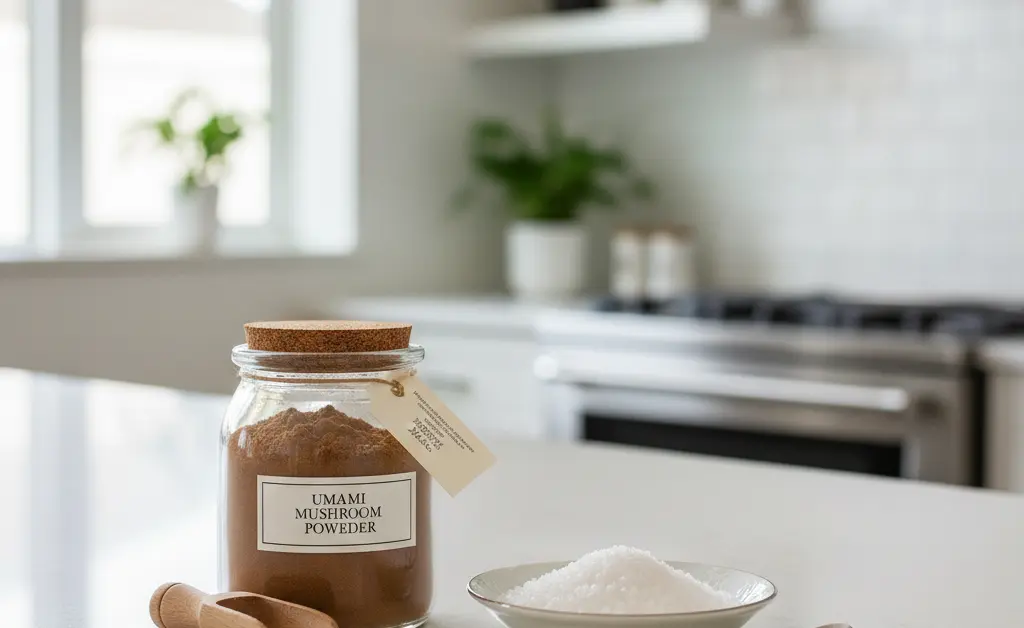
Have you ever wondered about the best way to enhance the savory depth of your meals? In the quest for richer flavors, both mushroom powder and monosodium glutamate (MSG) often emerge as popular choices, known for their ability to contribute a significant umami boost. While both are highly effective in elevating culinary creations, they possess distinct characteristics concerning their source, chemical makeup, and the nuances they impart. Appreciating these fundamental differences is key for discerning cooks. This article aims to clarify the ongoing discussion around mushroom powder vs msg, exploring their unique attributes, flavor contributions, and functional utility in various dishes, ultimately guiding informed decisions in the kitchen.
MSG vs. Mushroom Powder: Key Differences
Understanding the core distinctions between these two flavor enhancers is crucial for making informed culinary choices. Monosodium glutamate, commonly known as MSG, is a sodium salt of glutamic acid, an amino acid naturally found in many foods. It is produced through fermentation, similar to how yogurt or soy sauce are made, resulting in a pure, crystalline substance. Its primary function is to deliver an intense, singular umami taste. In contrast, mushroom powder is made by drying and grinding whole mushrooms, such as shiitake, porcini, or cremini. This means it contains not only natural glutamates (the compounds responsible for umami) but also a complex array of other organic compounds, fibers, and nutrients inherent to the mushroom itself. The fundamental difference in mushroom powder vs msg lies in their composition: MSG is a highly refined compound, while mushroom powder is a whole food product that offers a broader spectrum of flavors beyond just umami.
Does mushroom powder have MSG in it?
This is a common question that often leads to confusion. The simple answer is no, mushroom powder does not contain added monosodium glutamate (MSG) as an ingredient. However, it’s important to understand the relationship between them. Mushrooms, like many other natural foods such as tomatoes, Parmesan cheese, and seaweed, are naturally rich in glutamates. These naturally occurring glutamates are the amino acids that activate our umami taste receptors. When mushrooms are dried and ground into a powder, these natural glutamates become more concentrated, contributing to the savory depth. Therefore, while mushroom powder offers a potent source of natural umami, it is distinct from the isolated and manufactured compound known as MSG.
Mushroom powder vs msg vs umami
To fully grasp the dynamics of mushroom powder vs msg, it’s essential to understand umami. Umami is one of the five basic tastes, often described as savory, brothy, or meaty. It is primarily triggered by the presence of glutamates and ribonucleotides. Both MSG and mushroom powder are potent sources of umami, but they deliver it differently. MSG provides a straightforward, pure umami sensation because it is a purified glutamate. This directness makes it highly effective in boosting the savory profile of dishes without significantly altering their underlying flavor. Mushroom powder, on the other hand, delivers umami along with the earthy, often nutty, and distinct aromatic notes of the specific mushroom variety used. This means that while both contribute to the savory depth, mushroom powder adds layers of flavor complexity that MSG alone does not. The choice between them often depends on whether a pure umami boost is desired or if additional complementary flavors are sought.
Mushroom powder vs msg taste
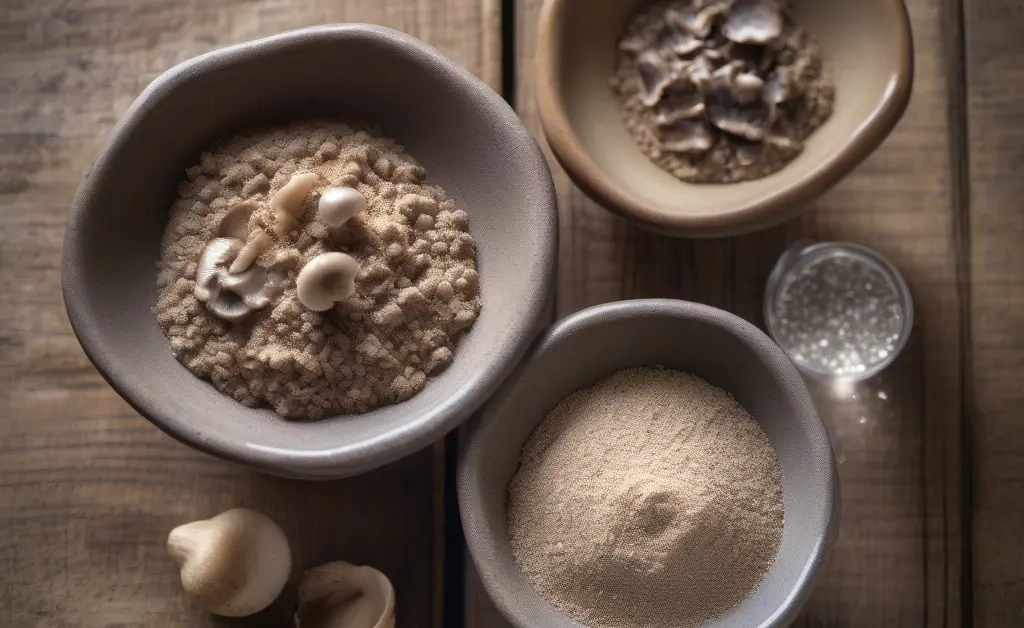
The taste experience offered by mushroom powder vs msg, while both delivering umami, is notably different. MSG is renowned for providing a clean, pure umami flavor that enhances the natural savory notes of food without adding a distinct taste of its own. It’s often described as a “taste amplifier” that makes other flavors more vibrant and full-bodied, leaving a lingering savory sensation on the palate. Its effect is subtle yet profound, making dishes taste richer and more satisfying. Mushroom powder, conversely, brings its own characteristic flavor profile to the dish. Depending on the type of mushroom used (e.g., shiitake, porcini, crimini), it can impart earthy, woody, slightly musky, or even slightly sweet notes, in addition to its concentrated umami. This introduces a complexity and depth that goes beyond a simple savory boost, adding a specific “mushroomy” character. Therefore, while both are effective umami boosters, the choice depends on whether you seek a neutral enhancement or a complementary flavor contribution.
Mushroom powder vs msg reddit
Discussions regarding mushroom powder vs msg frequently surface on online platforms like Reddit, where home cooks and food enthusiasts share their experiences and opinions. Many Reddit users often highlight the distinct flavor profiles, noting that while MSG provides a straightforward umami punch, mushroom powder offers a more nuanced, earthy, and complex savory depth. Some prefer mushroom powder for its “natural” appeal and the additional layers of flavor it contributes, particularly in broths, sauces, and seasoning blends where a mushroom essence is desirable. Others champion MSG for its ability to enhance a wide range of dishes without introducing specific flavors, appreciating its consistency and potency. The sentiment often points to personal preference and the specific culinary application, with many acknowledging that both have their place in the kitchen, often not as direct replacements but as distinct tools for flavor enhancement.
Can They Be Used Interchangeably?

While both mushroom powder and MSG are powerful umami enhancers, they are not always perfectly interchangeable. The decision to use one over the other in the mushroom powder vs msg debate often hinges on the desired flavor outcome beyond just savoriness. MSG offers a straightforward, pure umami boost that integrates seamlessly into a wide variety of dishes without adding its own distinct taste. It’s ideal when you want to elevate existing flavors and make them more pronounced. Mushroom powder, on the other hand, contributes umami along with the unique earthy, woody, and sometimes sweet notes characteristic of the specific mushrooms it’s derived from. This makes it a fantastic choice when you want to infuse a dish with a noticeable mushroom flavor while also boosting its savory depth. Therefore, while both can increase the umami factor, their additional flavor contributions mean they serve different, albeit sometimes overlapping, culinary roles. Choosing between them depends on whether you desire a neutral flavor amplification or an additional layer of mushroom-specific taste.
MSG vs mushroom powder. Interchangeable, or is one …
The question of whether MSG and mushroom powder are interchangeable is complex, as their unique attributes make them suited for different culinary contexts. While both can significantly elevate the umami profile of a dish, one isn’t strictly superior or universally interchangeable with the other. MSG is often preferred when the goal is a pure, unadulterated umami boost that highlights the existing flavors of the ingredients without adding any other dominant notes. It’s excellent for balancing tastes, reducing the need for excess salt, and adding depth to dishes where a specific mushroom flavor would be out of place. Conversely, mushroom powder excels when a dish benefits from the distinct earthy, savory, and sometimes pungent notes that only real mushrooms can provide. It’s a natural fit for gravies, soups, stews, and roasted vegetables, where its nuanced flavor contribution enhances the overall complexity. Therefore, rather than seeing one as a direct replacement for the other, it’s more accurate to view them as complementary tools in the kitchen, each bringing a unique set of benefits to the table.
Benefits and Drawbacks of Each
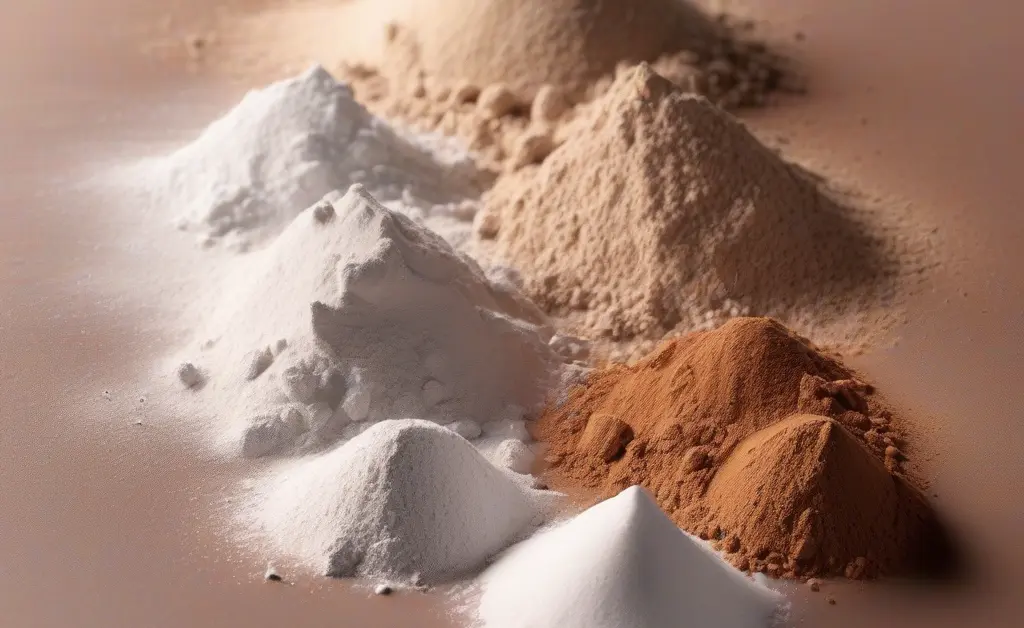
When considering mushroom powder vs msg, both ingredients present distinct benefits and potential drawbacks that influence their use in cooking. MSG is highly effective at delivering a pure, potent umami flavor, making it a reliable enhancer for a vast array of dishes. It is consistent in its effect and can help reduce sodium content while still making food taste appealing. A perceived drawback for some individuals revolves around historical misconceptions and anecdotal sensitivities, though extensive scientific research has generally affirmed its safety for most people. For further details on food safety and research, refer to resources from the NIH. Mushroom powder, on the other hand, offers a more natural, whole-food alternative. Its primary benefit is providing not only umami but also complex, earthy flavor notes and potentially some nutritional benefits derived from the whole mushroom. It can contribute to a richer, more nuanced depth in dishes, often appealing to those seeking to avoid processed ingredients. However, a potential drawback is that its flavor profile is not neutral, meaning it may not be suitable for every dish where a pure umami boost is desired without altering the primary taste. Furthermore, the umami intensity of mushroom powder may vary depending on the type and concentration of mushrooms used, making its impact slightly less predictable than that of MSG.
In conclusion, both mushroom powder and MSG are powerful tools for enhancing the savory depth of culinary creations, each with its own unique characteristics. While MSG offers a pure, potent umami boost that enhances existing flavors without adding its own distinct taste, mushroom powder delivers a complex blend of umami alongside the earthy, aromatic notes of the specific mushrooms from which it’s derived. The choice between them ultimately depends on the desired flavor profile and the specific culinary application. Understanding the differences in mushroom powder vs msg allows cooks to make informed decisions, leveraging these ingredients to create dishes that are richer, more satisfying, and perfectly tailored to their taste preferences.
This content is for informational use and should not be considered medical instruction. It is not intended to provide specific dietary advice, diagnoses, or treatments for any health conditions. Individuals with specific health concerns or dietary restrictions should consult with a qualified healthcare professional or registered dietitian. Always read food labels carefully and be aware of your own sensitivities.
FAQ
Is mushroom powder a good substitute for MSG?
Mushroom powder can offer a savory flavor profile that enhances dishes, providing a natural way to add depth. Its unique compounds contribute to taste complexity, making it a versatile ingredient in many culinary applications.
What is the difference between MSG and umami powder?
MSG, or monosodium glutamate, is a specific compound that delivers a pure umami taste. Umami powder, which can include mushroom powder, is a broader category that may contain various ingredients contributing to umami, such as dried mushrooms, tomatoes, or seaweed.
Can I use mushroom powder instead of MSG in recipes?
Yes, mushroom powder can be incorporated into recipes to impart a savory and earthy flavor. It adds a natural umami element and can complement or replace other flavor enhancers.
Which has more umami, MSG or mushroom powder?
MSG is a concentrated form of glutamate, the compound responsible for umami, and therefore delivers a very potent and distinct umami taste. Mushroom powder also contains glutamate, but its umami intensity can vary depending on the type of mushroom and how it is processed.
Does mushroom powder have MSG in it?
Naturally occurring glutamate, the primary component of MSG, is present in mushrooms. However, mushroom powder does not contain added monosodium glutamate unless it is specifically formulated to do so.
Is there a healthier alternative to MSG?
Many individuals seek natural ingredients to enhance flavor, and mushroom powder is often considered for its earthy taste and potential nutritional benefits. It provides a way to add savory depth without the use of synthesized flavor enhancers.