
Choosing Between Mushroom Powder and Mushroom Coffee
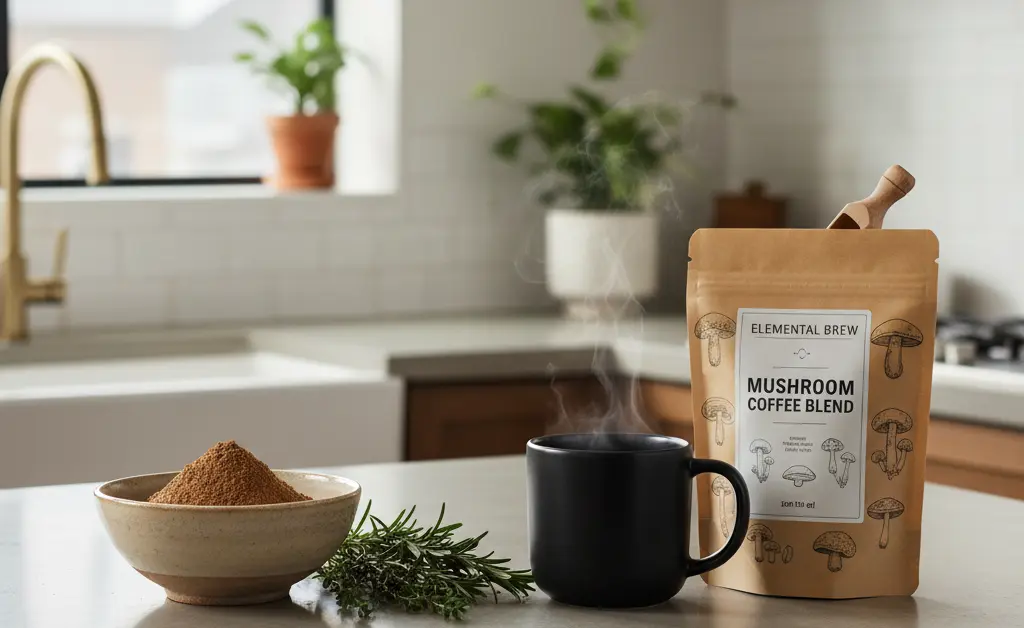
Mushroom powder, often derived from dried and ground medicinal mushrooms like reishi or lion’s mane, is a versatile superfood ingredient gaining traction in wellness circles. It offers a convenient way to incorporate beneficial compounds into daily routines, easily blended into smoothies, soups, or even baked goods. However, its popular counterpart, mushroom coffee, presents a different approach to integrating these fungi. Understanding the distinct characteristics and applications is crucial for consumers seeking to leverage fungal benefits. This guide aims to clarify the key distinctions in the ongoing discussion of mushroom powder vs mushroom coffee, helping individuals make informed choices based on their preferences and health goals.
Key Differences: Mushroom Powder vs. Mushroom Coffee
When considering mushroom powder vs mushroom coffee, it’s essential to understand that while both products aim to deliver the potential benefits of functional mushrooms, their fundamental composition, preparation, and usage vary significantly. These differences often guide consumer preference and application, influencing everything from taste to potential effects. Exploring these distinctions can help individuals align their choices with their dietary preferences, health objectives, and lifestyle.
What is Mushroom Coffee?
Mushroom coffee is essentially a beverage that combines traditional coffee with extracts from functional mushrooms. This blend typically aims to provide the familiar taste and energizing effects of coffee while simultaneously incorporating the adaptogenic or immune-supportive properties of mushrooms. Common types of mushroom coffee often feature ingredients like chaga, lion’s mane, reishi, or cordyceps mushroom extracts. The idea behind mushroom coffee is to mitigate some of the less desirable effects of regular coffee, such as jitters or acidity, by pairing it with balancing fungal compounds, while also offering additional health-oriented attributes.
What is Mushroom Powder?
Mushroom powder refers to dried and finely ground functional mushrooms. Unlike mushroom coffee, which is a blend, mushroom powder is typically a standalone product of a single mushroom variety or a specific blend of mushroom species. These powders are often made from the fruiting body, mycelium, or both, of mushrooms renowned for their adaptogenic properties, immune support, or cognitive enhancement. Understanding mushroom powder means recognizing its versatility as a concentrated ingredient that can be added to a wide array of foods and beverages, distinct from a pre-formulated drink.
How is Mushroom Coffee Made?
The production of mushroom coffee involves several key steps. First, functional mushrooms undergo an extraction process, which can involve hot water extraction or dual extraction (water and alcohol) to draw out beneficial compounds like triterpenes and beta-glucans. These potent mushroom extracts are then typically dried into a fine powder. Separately, coffee beans are roasted and ground. Finally, the mushroom extract powder is blended with instant coffee or ground coffee, creating the final mushroom coffee product. The specific “Ingredients and Formulation” can vary widely between brands, influencing the potency and flavor profile of the final brew.
How is Mushroom Powder Made?
The creation of mushroom powder begins with cultivating or wild-harvesting functional mushrooms. Once harvested, the mushrooms are carefully cleaned and then typically dried at low temperatures to preserve their beneficial compounds. After drying, they are ground into a fine powder. For maximum bioavailability and potency, many high-quality mushroom powders undergo an extraction process—either hot water extraction or dual extraction—before being dried and powdered. This ensures that the indigestible chitin walls of the mushrooms are broken down, making the beneficial compounds more accessible for absorption when consumed.
Taste and Flavor Profile
The “Taste” and “Flavor Profile” are significant distinguishing factors between mushroom powder and mushroom coffee. Mushroom coffee is designed to largely mimic the taste of regular coffee, with the mushroom notes often being subtle or intentionally masked by the robust coffee flavor. Some might detect an earthy undertone, but the primary experience is usually that of coffee. In contrast, mushroom powder, when added to drinks or food, can impart a more noticeable, earthy, and sometimes slightly bitter or savory flavor, depending on the mushroom species. Its flavor profile is typically less concealed, allowing the unique taste of the mushroom to come through.
Usage and Preparation
The “Usage” and “Preparation” methods for these two products diverge considerably. Mushroom coffee is typically prepared much like regular coffee: simply add hot water to instant varieties or brew ground blends using a coffee maker, French press, or pour-over method. It’s primarily consumed as a beverage. Mushroom powder, however, offers far greater versatility. It can be easily stirred into smoothies, juices, soups, oatmeal, or even incorporated into baking recipes. Its neutral or earthy flavor allows it to be a flexible ingredient for enhancing a wide range of dishes and drinks beyond just a morning brew.
Potency and Dosage
Understanding the “Potency” and “Dosage” for both mushroom powder and mushroom coffee is crucial, though it can vary significantly by product and brand. Generally, mushroom powders, particularly those made from concentrated extracts, can offer a higher concentration of beneficial compounds per serving compared to mushroom coffee, where the mushroom component is blended with coffee. Consumers should always refer to product labels for specific recommendations. Individual responses can also vary, and it’s often suggested to start with a smaller amount to assess tolerance before adjusting consumption.
Side Effects
While functional mushrooms are generally well-tolerated, understanding potential “Side Effects” is important. Mild digestive upset, such as gas or bloating, has been occasionally reported with both mushroom powder and mushroom coffee, particularly when initially introduced or consumed in larger amounts. Allergic reactions are also possible, though uncommon. The caffeine content in mushroom coffee may also lead to caffeine-related effects in sensitive individuals, such as nervousness or sleep disturbances. It is prudent to consider individual sensitivities and consult with a healthcare professional regarding any concerns.
Quality and Sourcing
The “Quality and Sourcing” of both mushroom powder and mushroom coffee products are paramount for ensuring effectiveness and safety. High-quality products typically come from reputable brands that prioritize organic cultivation, sustainable harvesting practices, and rigorous third-party testing. Verification of the mushroom species (e.g., ensuring it’s the fruiting body and not just mycelium on grain), the extraction method used, and the absence of contaminants like heavy metals or pesticides are critical indicators of a superior product. Consumers are encouraged to research brands and look for transparency in their sourcing and manufacturing processes. International health bodies like the WHO advocate for global standards in health-related products and practices.
Interactions
While generally considered safe, there is a possibility of “Interactions” between functional mushrooms and certain medications or existing health conditions. For instance, some mushrooms may influence blood sugar levels or have mild anticoagulant properties, potentially affecting individuals on medications for diabetes or blood thinners. Additionally, individuals with autoimmune conditions or those undergoing organ transplants should exercise caution. Before incorporating mushroom powder or mushroom coffee into a routine, especially if managing a health condition or taking prescription medications, it is always advisable to consult with a healthcare professional to assess any potential risks or interactions.
Mushroom Coffee or Powder – Which one to choose

Deciding between mushroom coffee or powder ultimately comes down to “Personal Health Goals,” “Dietary Preferences,” and lifestyle factors like “Budget and Convenience.” If you’re a regular coffee drinker looking to enhance your daily brew with potential adaptogenic properties, reduce jitters, or boost focus enhancement, mushroom coffee might be an ideal choice. It offers the familiar ritual of coffee with added benefits like “Cognitive Function” support and “Energy Boost,” potentially without the traditional coffee drawbacks. However, if you prefer to avoid caffeine, desire greater flexibility in how you consume your mushrooms, or seek a higher concentration of specific mushroom compounds for “Immune Support” or “Adaptogenic Properties,” then mushroom powder might be more suitable. It allows for precise control over dosage and seamless integration into a wide array of foods and beverages, catering to diverse “Dietary Preferences” and health objectives. Both options provide a convenient way to incorporate functional mushrooms, but their distinct formats cater to different needs and consumption styles in the mushroom powder vs mushroom coffee debate.
In conclusion, both mushroom powder and mushroom coffee offer distinct pathways to integrate the potential benefits of functional mushrooms into your daily routine. Your choice hinges on personal preference, lifestyle, desired convenience, and specific health objectives. Mushroom coffee provides a ready-to-drink solution that blends the familiar ritual of coffee with added fungal compounds, potentially offering a smoother energy lift and reduced jitters. On the other hand, mushroom powder offers unmatched versatility, allowing for flexible incorporation into various foods and beverages, making it ideal for those who prefer to avoid caffeine or customize their intake. Ultimately, understanding the nuances of each product, from their preparation to their potential effects, empowers you to make an informed decision that best supports your well-being journey.
The content presented here is not a substitute for professional medical guidance. It is for informational purposes only and should not be used to diagnose, treat, cure, or prevent any disease or health condition. Always consult with a qualified healthcare professional before making any decisions about your health or starting any new dietary supplement or wellness regimen.
FAQ
What is the difference between mushroom powder and mushroom coffee?
Mushroom powder is a concentrated extract of functional mushrooms, often in a finely ground form. Mushroom coffee typically blends this mushroom powder with ground coffee beans, offering a combination of both ingredients in a single product. The key distinction lies in whether the mushrooms are combined with coffee or offered as a standalone supplement.
Is mushroom coffee the same as mushroom powder?
Mushroom coffee and mushroom powder are not the same thing. Mushroom powder refers to the pure, concentrated mushroom extract, while mushroom coffee is a product where mushroom powder has been added to ground coffee beans. Therefore, mushroom coffee contains both coffee and mushroom components, whereas mushroom powder is just the mushroom extract.
Can you put mushroom powder in coffee?
Yes, you can certainly add mushroom powder to your coffee. This is a common way to consume mushroom supplements, allowing you to integrate their potential benefits into your daily routine. The powder mixes into the hot liquid, making it an easy addition to your morning cup.
Which is better, mushroom powder or mushroom coffee?
The choice between mushroom powder and mushroom coffee depends on your individual preferences and goals. Mushroom powder offers versatility, allowing you to add it to various beverages, while mushroom coffee provides a convenient, pre-mixed option for those who enjoy coffee. Both deliver the mushroom components, but the coffee adds its own distinct flavor and caffeine.
How do you use mushroom powder?
Mushroom powder can be incorporated into a wide array of foods and beverages. It is often added to smoothies, juices, teas, or hot water for a simple supplement routine. Some individuals also stir it into oatmeal, yogurt, or baked goods to enhance their nutritional profile.
How do you make mushroom coffee?
Making mushroom coffee typically involves purchasing a pre-blended product that combines ground coffee beans with mushroom powder. If you are creating your own, you would brew regular coffee as usual and then stir in a desired amount of mushroom powder. This allows for customization of both the coffee strength and the mushroom inclusion.