
A Practical Guide to the Orange Hedgehog Mushroom
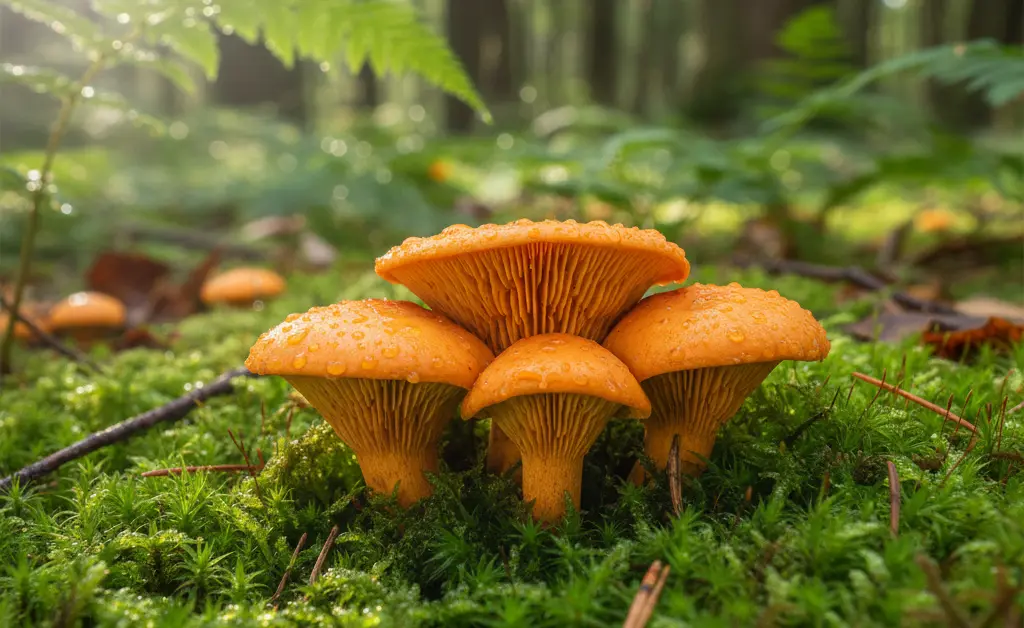
Have you ever wondered about the distinctive, spiny fungi sometimes found adorning forest floors? This guide delves into the fascinating world of the orange hedgehog mushroom, a species known for its unique appearance and culinary appeal. We will explore its key identification features, helping you distinguish it from other woodland inhabitants. Furthermore, we’ll discuss its edibility, flavor profile, and offer insights into basic preparation. Understanding where to find these mushrooms and recognizing their look-alikes is crucial for safe foraging. Whether you’re a seasoned mycophile or a curious beginner, this comprehensive overview aims to equip you with the knowledge needed to appreciate this remarkable organism.
Identifying the Orange Hedgehog Mushroom
Correctly identifying any wild mushroom is paramount for safety, and the orange hedgehog mushroom has several distinctive features that set it apart. Learning these characteristics is essential for anyone interested in foraging or simply appreciating this unique fungus in its natural habitat.
Key Identification Features
The orange hedgehog mushroom, scientifically known as Hydnum repandum, stands out primarily due to its unique spore-bearing structures. Unlike gilled mushrooms, it features soft, tooth-like spines underneath its cap, which are a crucial identifier. Its overall color typically ranges from pale cream to a rich orange or apricot hue, often varying with age and environmental conditions. For more information on different types of hedgehog mushrooms, see our guide to hedgehog mushroom types.
Cap Characteristics
The cap of the orange hedgehog mushroom is typically irregular in shape, often convex when young and flattening or becoming somewhat depressed with age. Its surface is usually dry, smooth, or slightly velvety, and can be lobed or wavy at the margins. The color, as its name suggests, often falls within the spectrum of oranges, creams, and light browns, sometimes showing a slight fuzziness or matted appearance.
Underside Spines
The most defining characteristic of this mushroom is its underside, which features fragile, tooth-like spines rather than gills or pores. These spines are typically the same color as the cap or slightly lighter, and they are decurrent, meaning they extend down the stem. They are easily brushed off, a key feature that helps differentiate it from some look-alikes.
Stem and Flesh
The stem of the orange hedgehog mushroom is usually robust and off-center, sometimes rather squat, and can be solid or somewhat hollow with age. Its color generally matches the cap or is slightly paler. The flesh is firm but brittle, often whitish or cream, and does not change color dramatically when cut, though some species may show a slight yellowing. It typically has a mild, pleasant aroma.
Orange hedgehog mushroom edible
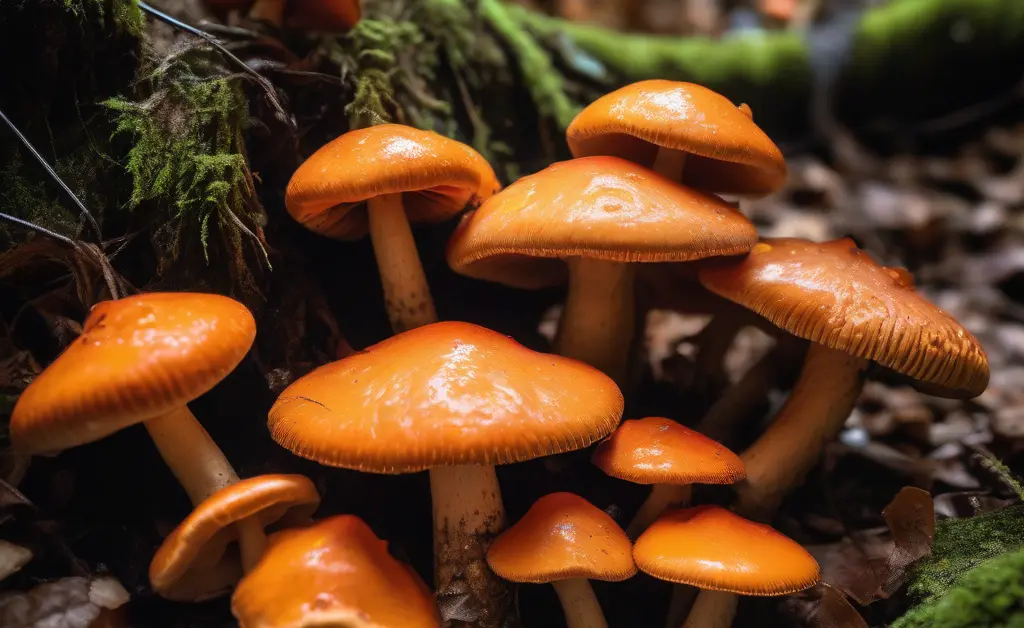
For many foragers, the question of edibility is central to their interest in wild fungi. The orange hedgehog mushroom is widely recognized as a desirable edible species, prized for its unique texture and mild flavor.
Is the Orange Hedgehog Mushroom Edible?
Yes, the orange hedgehog mushroom is considered a good edible mushroom. It is often recommended for beginners due to its distinctive identification features, particularly the spines, which help to reduce confusion with potentially harmful species. While generally safe for consumption when properly identified, as with any wild food, it is always advisable to try a small amount first to ensure individual tolerance.
Orange hedgehog mushroom taste
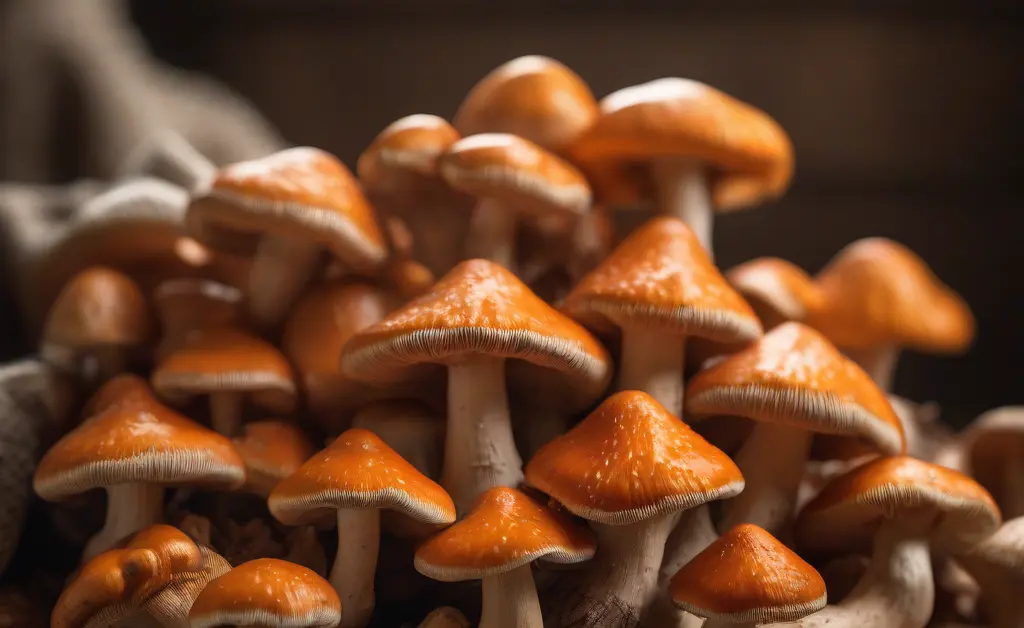
Beyond its edibility, the culinary appeal of the orange hedgehog mushroom lies in its distinctive taste and texture, which make it a versatile ingredient in various dishes.
Flavor Profile and Texture
The orange hedgehog mushroom is celebrated for its mild, slightly nutty, and sometimes peppery flavor. It lacks the strong, earthy notes found in some other wild mushrooms, making it broadly appealing. Its texture is firm and somewhat crunchy when fresh, holding up well during cooking without becoming overly slimy or mushy. This combination of subtle flavor and pleasing texture makes it a favorite among chefs and home cooks alike.
Basic Preparation Considerations
Before cooking, it’s important to clean the orange hedgehog mushroom gently. Brushing off dirt and debris is usually sufficient, as washing with water can make them absorb too much moisture. The spines, while edible, can sometimes be removed for a smoother texture, particularly on larger specimens, though this is a matter of personal preference. They can be sautéed, roasted, added to soups, stews, or used in omelets and pasta dishes. Their firm texture means they benefit from a moderate cooking time to soften slightly while retaining their characteristic bite.
Orange hedgehog mushroom look alike
While the orange hedgehog mushroom has very distinct features, particularly its spines, it’s important for foragers to be aware of other species that might share similar appearances or habitats. Distinguishing similar orange varieties is a key aspect of safe foraging practices.
Where to Find Orange Hedgehog Mushrooms
The orange hedgehog mushroom is a terrestrial species, meaning it grows on the ground, typically in woodlands. It often forms mycorrhizal associations with coniferous and broadleaf trees, favoring damp, mossy areas. You can often find orange hedgehog mushrooms scattered or in groups in forests, particularly under conifers like pine and spruce, or deciduous trees such as oak and beech. Ideal growing conditions and season often include late summer through autumn, after periods of rain. Foraging for these mushrooms requires careful observation of their habitat and surrounding flora.
When searching for orange hedgehog mushrooms, it’s crucial to differentiate them from other fungi. The Terracotta Hedgehog (Hydnum rufescens) is a very close relative, often smaller and with a more uniformly orange-red cap, but it shares the same spiny underside and edibility. More importantly, foragers must be aware of other orange-hued lookalikes that might not be edible or could cause gastric upset. The presence of true spines that are easily detached is the definitive feature separating the orange hedgehog mushroom from many other species, including potentially toxic ones that might have gill-like structures or pores.
While there aren’t many dangerous orange hedgehog mushroom poisonous lookalikes with spines, species like the False hedgehog mushroom (Hydnellum peckii) have a tougher, inedible texture and often ‘bleed’ red drops, though they don’t usually have an orange hue. Always ensure that any mushroom intended for consumption has been positively identified by multiple distinct characteristics and, ideally, confirmed by an experienced mycologist if there is any doubt. For more specific details on other hedgehog mushroom varieties, you can explore information on the black hedgehog mushroom.
Orange hedgehog mushroom recipes
The versatility of the orange hedgehog mushroom extends well into the kitchen, where its unique flavor and texture can enhance a wide array of dishes. While specific recipes will vary, understanding how this fungus behaves during cooking can inspire numerous culinary applications.
Given its firm texture, the orange hedgehog mushroom holds up beautifully in sautéed dishes. It can be pan-fried with butter, garlic, and herbs to create a simple yet elegant side dish. Its mild, slightly nutty profile also makes it an excellent addition to omelets, quiches, and frittatas, where it contributes a pleasant chewiness without overpowering other ingredients. For those who enjoy heartier meals, these mushrooms can be incorporated into risottos, pasta sauces, or stews, where they absorb flavors while maintaining their structural integrity.
The delicate flavor of the orange hedgehog mushroom means it pairs well with light meats such as chicken or fish, as well as vegetarian options like polenta or root vegetables. It can also be a delightful component in cream sauces or incorporated into fillings for tarts and turnovers. Due to its propensity to release some moisture during cooking, it’s often beneficial to dry-sauté it first to achieve a better texture before adding other liquids or fats. Its reliable edibility and pleasant characteristics make it a rewarding ingredient for any home cook looking to explore wild mushroom cuisine.
The orange hedgehog mushroom is a truly remarkable find for any nature enthusiast or culinary adventurer. Its distinctive spiny underside makes it relatively easy to identify, providing a sense of confidence for those new to foraging. With its appealing mild flavor and firm texture, it offers a delightful addition to various dishes, making it a favorite among edible wild mushrooms. By understanding its key features, preferred habitats, and being mindful of potential look-alikes, individuals can safely appreciate and enjoy this unique fungus, whether observing it in its natural environment or savoring it in the kitchen.
Readers should understand that this article does not offer medical diagnosis or treatment. The information provided about the orange hedgehog mushroom is for general knowledge and informational purposes only. It is not intended to be a substitute for professional mycological advice, diagnosis, or treatment regarding the edibility or safety of wild mushrooms. Always consult with a qualified expert or mycologist if you have concerns about consuming wild fungi. For guidance on food safety, consult the CDC.
FAQ
Is the orange hedgehog mushroom safe to eat?
Yes, the orange hedgehog mushroom is considered a choice edible mushroom. It has a long history of safe consumption among foragers and is not known to be poisonous.
How do I identify an orange hedgehog mushroom?
Orange hedgehog mushrooms are characterized by their distinctive, tooth-like structures that hang down from the underside of the cap, rather than gills or pores. These spines are typically orange or yellowish-orange, and the cap itself is often funnel-shaped and a similar color.
What does a hedgehog mushroom taste like?
The flavor of a hedgehog mushroom is often described as mild, slightly sweet, and pleasantly earthy. Many people find its texture to be somewhat nutty and tender when cooked.