
The Essentials of Outdoor Mushroom Cultivation
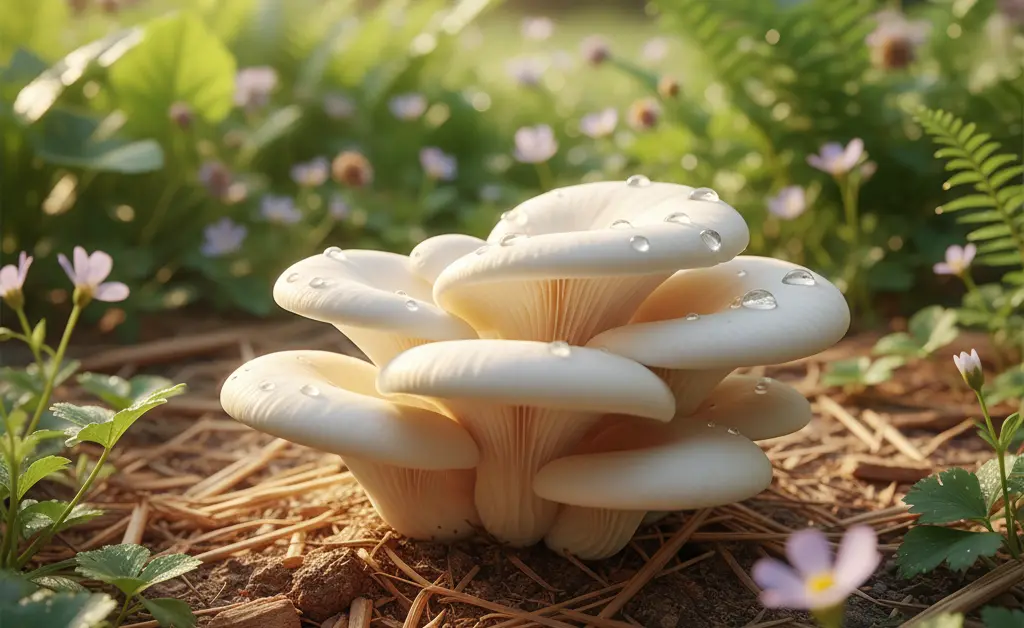
Outdoor mushroom cultivation refers to the intentional growing of various fungal species in natural or semi-natural outdoor environments, distinct from controlled indoor setups. This accessible practice enables individuals to produce fresh, edible, and often medicinal mushrooms directly within their gardens, woodlands, or dedicated plots. Leveraging ambient conditions and natural substrates like logs, wood chips, or straw, it offers a sustainable and rewarding way to integrate fungi into agricultural or horticultural endeavors. This comprehensive guide will delve into the essential principles and practical steps for successful outdoor mushroom cultivation, covering everything from selecting the ideal site and preparing substrates to managing growth and harvesting yields.
Outdoor Mushroom Cultivation Basics
Embarking on outdoor mushroom cultivation involves understanding the fundamental requirements of fungal life cycles within an uncontrolled environment. Unlike indoor setups, outdoor methods rely heavily on mimicking natural conditions and utilizing readily available organic materials. The success of outdoor mushroom cultivation hinges on providing the right substrate, moisture, and shade, allowing the fungal mycelium to colonize and eventually produce fruiting bodies. This approach can yield abundant harvests and contribute to a more sustainable gardening practice.
Log Cultivation
Log cultivation is a traditional and highly effective method, particularly suitable for wood-loving mushroom species. This process involves inoculating freshly cut hardwood logs with mushroom spawn, typically in the form of wooden dowels or sawdust spawn. The logs then undergo a colonization period, often lasting several months to a year, during which the mycelium grows throughout the wood. Once colonized, the logs can fruit for several years, providing a consistent supply of mushrooms with minimal ongoing effort. This method often requires patience but can be incredibly rewarding. Mushroom cultivation methods can vary greatly.
Substrate Beds
Substrate beds offer a versatile approach to outdoor mushroom growing, allowing for the use of various organic materials. These beds can be constructed directly on the ground, often in shaded areas, and filled with a mixture of suitable substrates such as straw, wood chips, compost, or even aged manure. They are inoculated with grain or sawdust spawn and then covered to maintain moisture and protect the developing mycelium. Substrate beds can be adapted for a wider range of mushroom species than log cultivation and often yield mushrooms more quickly, though they may require more frequent replenishment of substrate.
Wood Chip Beds
Wood chip beds are a popular and relatively simple method for cultivating certain types of mushrooms that thrive on woody debris. This involves creating a bed of wood chips, often from hardwood trees, in a suitable outdoor location. The chips are then inoculated with mushroom spawn and kept moist. Over time, the mycelium colonizes the wood chips, breaking them down and eventually producing mushrooms. This method can be integrated into garden pathways or landscape designs, serving a dual purpose of mulch and mushroom production. It provides an excellent way to recycle wood waste and enhance soil health. This method is suitable for mushroom cultivation with sawdust or wood chips.
Outdoor Grow Bags
Outdoor grow bags offer a more contained and potentially mobile option for outdoor mushroom cultivation. These bags are typically filled with a sterilized or pasteurized substrate mix, often consisting of straw, sawdust, or a combination, and then inoculated with mushroom spawn. After an initial colonization period indoors or in a protected area, the bags are moved outdoors to fruit. They can be placed in shaded areas, partially buried, or hung to provide controlled conditions for mushroom development. This method can be particularly useful for those with limited space or who wish to experiment with different substrates and species.
Site Selection and Preparation for Outdoor Cultivation
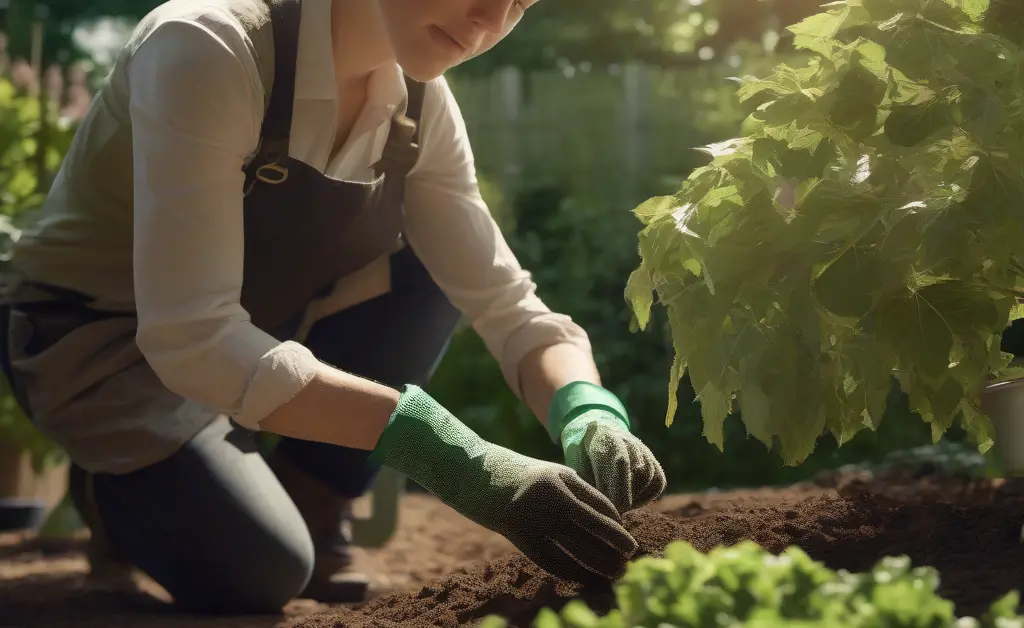
Careful site selection and preparation are paramount for successful outdoor mushroom cultivation. Unlike controlled indoor environments, outdoor growing exposes mushrooms to fluctuating weather, pests, and varying light conditions. Establishing the right foundation will significantly impact the colonization and fruiting success of your mushroom projects.
Choosing the Right Location
Selecting an ideal spot involves considering several environmental factors. Most cultivated mushrooms prefer indirect light or partial to full shade, mimicking their natural forest habitats. Areas beneath deciduous trees, on the north side of buildings, or under trellises can provide adequate protection from direct sunlight. Good air circulation is also beneficial, but extreme wind exposure should be avoided to prevent rapid drying of substrates. Proximity to a water source for irrigation is a practical consideration, as consistent moisture is critical.
Soil and Substrate Preparation
While some methods, like log cultivation, don’t directly involve soil, those using beds or trenches will need to consider the ground beneath. Ensure the area has good drainage to prevent waterlogging, which can lead to anaerobic conditions detrimental to mycelial growth. For substrate beds, the ground may need to be cleared of competing weeds and debris. The chosen substrate (wood chips, straw, compost) should be prepared by hydrating it thoroughly and allowing it to drain any excess water before inoculation to achieve optimal moisture content. Using mushroom growing medium is key to success.
Shade and Environmental Control
Maintaining appropriate shade and environmental stability is crucial. Direct sunlight can inhibit mycelial growth, dry out substrates rapidly, and prevent fruiting. Overhanging trees, shade cloths, or natural barriers can provide the necessary protection. Furthermore, consider windbreaks to prevent excessive drying. While you cannot fully control outdoor temperatures, selecting a site that avoids extreme temperature fluctuations can help, especially during the critical colonization and fruiting phases. Monitoring the microclimate of your chosen site can help in making minor adjustments. Understanding food safety regulations is also important, for example, by consulting resources like EFSA.
Materials and Equipment for Outdoor Mushroom Growing
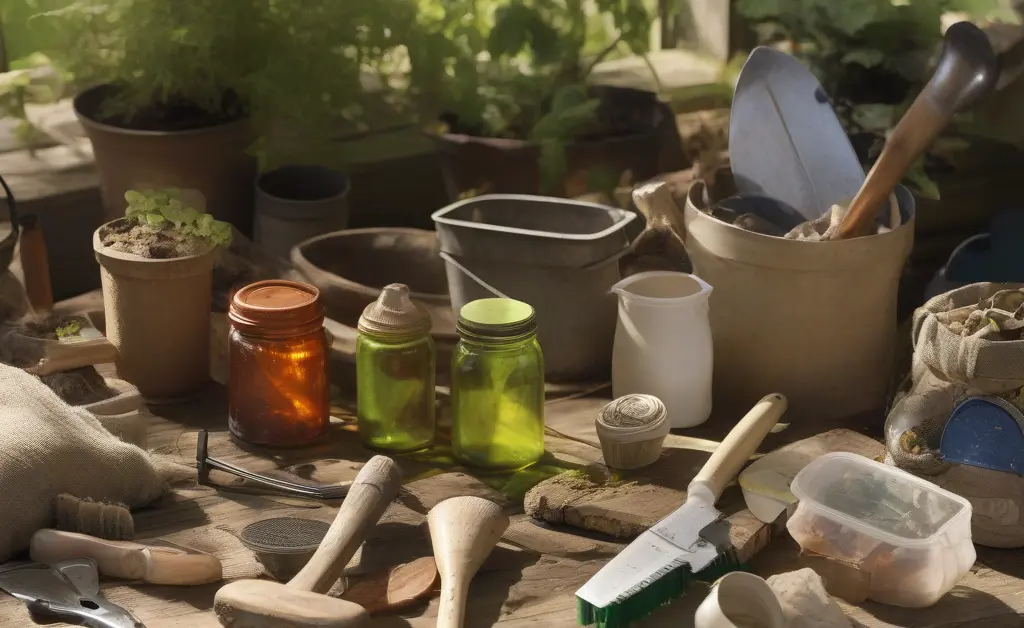
To successfully engage in outdoor mushroom cultivation, having the right materials and equipment is essential. These items facilitate the inoculation process, substrate management, and protection of your growing fungi, ensuring a higher likelihood of abundant harvests.
Spawn and Inoculation Tools
Mushroom spawn is the starter material containing the mycelium, often available as grain spawn, sawdust spawn, or dowel plugs. The choice of spawn depends on the cultivation method and mushroom species. For log cultivation, dowel plugs are commonly used, while grain or sawdust spawn is suitable for beds and bags. Inoculation tools vary from simple drills for logs (to create holes for dowels) to specialized tools for injecting spawn into bags or mixing it thoroughly into substrate beds. Cleanliness is important during inoculation to minimize contamination.
Substrate Materials (Wood, Straw, Compost)
The substrate provides the food source for the growing mushrooms. Hardwood logs (oak, maple, birch) are excellent for many wood-loving species, ensuring longevity. Straw, particularly wheat or oat straw, is a common choice for bed cultivation due to its availability and ease of preparation (pasteurization). Compost, especially aged and nutrient-rich varieties, can also serve as a base for certain mushroom species. Wood chips from appropriate hardwood trees are ideal for creating outdoor beds. The quality and type of substrate directly influence the species of mushroom that can be grown and the potential yield. Many agricultural wastes can be utilized for cultivation. This relates to mushroom cultivation using agricultural waste.
Protective Covers and Shelters
Outdoor mushroom cultivation benefits greatly from protective covers and shelters. These can range from simple shade cloths draped over a frame to more robust structures like mini-hoop houses or low tunnels. Their primary purpose is to maintain consistent moisture levels by preventing rapid evaporation, offer protection from direct sunlight, and shield the growing mycelium and fruiting bodies from heavy rain, strong winds, and potential pests. Depending on the climate, these covers might also offer some degree of temperature moderation, helping to extend the growing season or protect against frost.
Step-by-Step Outdoor Mushroom Cultivation Guide
Following a structured approach is key to achieving success in outdoor mushroom cultivation. From introducing the mycelium to encouraging fruiting, each phase has specific requirements that, when met, lead to healthy and productive mushroom patches.
Inoculating Substrates
The inoculation phase involves introducing the mushroom spawn to the chosen substrate. For logs, holes are drilled, and dowel spawn is inserted, then sealed with wax. For beds, grain or sawdust spawn is thoroughly mixed with pre-wetted wood chips, straw, or compost. Inoculation should be done in a clean environment to reduce the risk of contamination from competing fungi or bacteria. Ensuring even distribution of the spawn throughout the substrate is important for rapid and complete colonization.
Incubation and Colonization
After inoculation, the substrate enters the incubation phase, where the mycelium grows and spreads throughout the material. This process is also known as colonization. During this time, the inoculated substrate needs consistent moisture and appropriate temperatures, usually within a specific range for the chosen mushroom species. It should be kept in a shaded, undisturbed location, often covered to maintain humidity and protect it from pests. The duration of this phase varies greatly depending on the mushroom species and environmental conditions, ranging from several weeks for beds to many months for logs.
Fruiting Conditions
Once the substrate is fully colonized, the goal is to trigger the mycelium to produce mushrooms, a process known as fruiting. This typically requires a shift in environmental conditions, often involving a change in temperature, an increase in humidity, and exposure to fresh air and indirect light. For log cultivation, a “shocking” method like soaking logs in cold water may be used to initiate fruiting. For beds, ensuring consistent moisture, adequate humidity, and proper air exchange will encourage pins (tiny mushroom primordia) to form and develop into mature mushrooms. Understanding the specific fruiting requirements for your chosen species is critical for maximizing yields.
Care and Maintenance of Outdoor Mushroom Beds
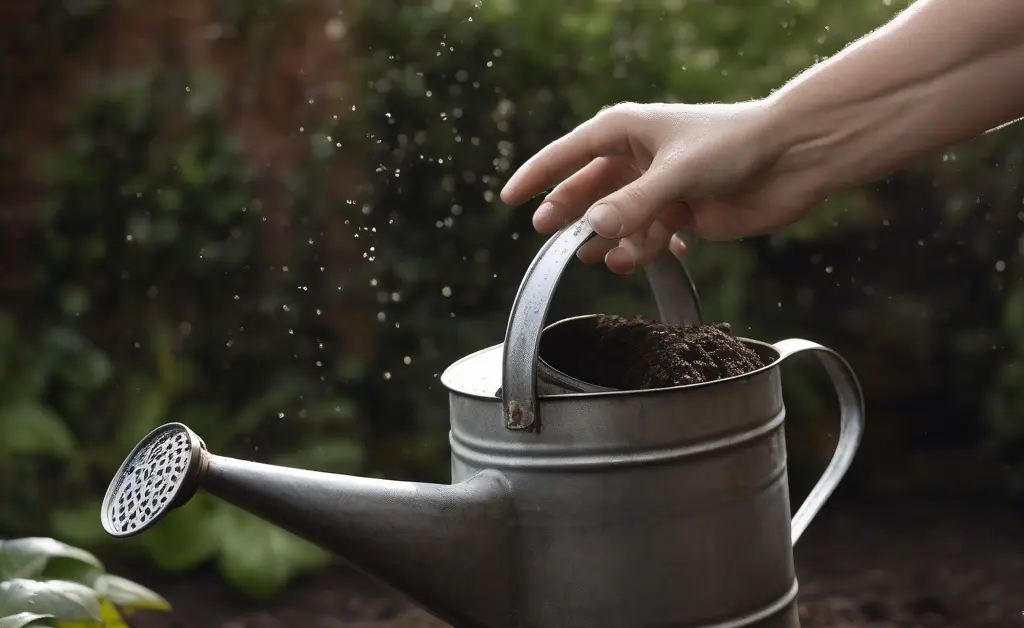
Ongoing care and diligent maintenance are crucial for the long-term productivity and health of your outdoor mushroom cultivation projects. Regular attention helps to ensure the mycelium remains vigorous and produces consistent flushes of mushrooms.
Monitoring Growth
Regularly observe your mushroom beds, logs, or grow bags for signs of healthy mycelial growth, the appearance of pins (baby mushrooms), and the development of mature fruiting bodies. Also, look for any signs of contamination, such as unusual molds, foul odors, or competitor fungi. Early detection of issues can help you take corrective action before problems escalate. Monitoring also helps you understand the specific growth patterns and preferences of your mushroom species in your particular environment.
Watering and Moisture Management
Consistent moisture is paramount for outdoor mushroom cultivation. Substrates should remain damp but not waterlogged. During dry spells, especially after inoculation and during fruiting, regular watering may be necessary. Use a gentle spray or soaker hose to avoid disturbing the substrate. For logs, occasional soaking may be beneficial. Too much moisture can lead to anaerobic conditions and foster unwanted molds, while too little will halt mycelial growth and prevent fruiting. The goal is to replicate the humid conditions that mushrooms thrive in naturally.
Pest and Disease Control
Outdoor environments naturally present challenges from pests and diseases. Slugs, snails, and various insects may be attracted to developing mushrooms. Physical barriers, hand-picking pests, or using organic pest deterrents can help. For fungal diseases or contamination, proper site selection and substrate preparation can reduce risks. Ensuring good air circulation and avoiding overly wet conditions can also deter unwanted fungal growth. Healthy, vigorous mycelium is often the best defense against many common problems.
Weed Management
Weeds can compete with your mushroom mycelium for resources and space, especially in substrate beds. Regularly inspect and gently remove any weeds growing within or directly around your cultivation area. Be careful not to disturb the underlying mycelial network when weeding. A layer of straw or other appropriate mulch around the bed can help suppress weed growth while also aiding in moisture retention.
Seasonal Care
Outdoor mushroom cultivation requires seasonal adjustments. In warmer months, ensure adequate shade and consistent watering to prevent drying. In colder climates, some mushroom beds or logs may need protection from harsh freezing, or their fruiting might simply cease until temperatures rise. For perennial setups like log stacks or permanent beds, seasonal changes often dictate when flushes occur. Understanding the natural life cycle of your chosen mushroom species will guide your seasonal care routines, helping to extend the productivity of your patch over the years.
Harvesting and Post-Harvest Handling
Successfully completing the cycle of outdoor mushroom cultivation involves knowing when and how to harvest your yield, and then how to properly handle and store them to maintain their freshness and quality.
Determining Harvest Readiness
The ideal time to harvest mushrooms varies by species, but generally, they are ready when their caps have fully opened but before the edges begin to curl upwards or they release a significant amount of spores. For many species, the veil (a membrane connecting the cap to the stem) will have just broken or be on the verge of breaking. Harvesting at this stage ensures optimal texture, flavor, and shelf life. Overripe mushrooms may become soft, lose flavor, or attract pests, while immature ones might not have developed their full characteristics.
Harvesting Techniques
When harvesting, handle mushrooms gently to avoid bruising. For most species, a common technique is to grasp the base of the stem and either twist it off carefully or cut it with a clean, sharp knife close to the substrate or log. Try to avoid pulling up large chunks of substrate or damaging the surrounding pins, as this can negatively impact future flushes. If harvesting from logs, remove the entire cluster. Collect mushrooms in a breathable container, such as a basket or paper bag, to allow for air circulation and prevent moisture buildup.
Storage and Preservation
Once harvested, mushrooms typically have a relatively short shelf life. For immediate use, store them in a paper bag in the refrigerator, which allows them to breathe and prevents them from becoming slimy. Avoid storing them in sealed plastic containers, as this traps moisture. For longer-term preservation, mushrooms can be dehydrated, which concentrates their flavor and allows for storage for many months. They can also be frozen, sautéed and then frozen, or pickled. The chosen preservation method often depends on the mushroom species and its intended culinary use.
Common Challenges and Troubleshooting in Outdoor Cultivation
Outdoor mushroom cultivation can present various challenges due to the uncontrolled nature of the environment. One frequent issue is managing unpredictable weather extremes, such as prolonged droughts or heavy rainfall, which can drastically affect moisture levels and lead to substrate desiccation or waterlogging. Pest infestations from slugs, snails, insects, and even larger animals can also decimate a crop, requiring protective measures like physical barriers or careful monitoring. Fungal diseases or competition from unwanted molds and other fungi can arise, especially if substrates are not adequately prepared or conditions become overly wet or stagnant. Another common frustration can be low yields, often stemming from suboptimal environmental conditions, insufficient colonization, or incorrect mushroom species selection for the local climate. Addressing these issues often involves careful observation, quick adjustments to watering or shade, and implementing proactive pest management strategies.
Economic Considerations for Outdoor Mushroom Farming
Engaging in outdoor mushroom cultivation with a commercial intent requires careful consideration of economic factors. Initial start-up costs can vary significantly depending on the scale and chosen method, ranging from minimal investment for small log projects to more substantial outlays for large-scale substrate bed operations requiring bulk materials and more extensive site preparation. Understanding the yield potential and market value of specific mushroom species is crucial for profitability analysis. Some gourmet or medicinal varieties command higher prices but may have more specific growing requirements or longer colonization times. Labor requirements, while potentially lower than intensive indoor farming, still involve significant time for site preparation, inoculation, maintenance, and harvesting. A thorough profitability analysis should account for all these variables, including materials, labor, and potential market demand, to determine the viability of outdoor mushroom farming as an income-generating venture.
Guides for Growing Mushrooms Outdoors
For those interested in venturing into outdoor mushroom cultivation, numerous guides and resources are available to assist growers of all experience levels. These guides often cover topics ranging from selecting the easiest mushroom to grow outdoors, such as certain oyster mushroom varieties, to detailed instructions for more specialized species. Many resources provide specific recommendations for growing mushrooms in a garden bed, integrating them seamlessly into existing horticultural practices. They also frequently delve into identifying the best conditions for growing mushrooms outside, emphasizing factors like consistent shade, humidity, and substrate quality. Information on the time for outdoor mushrooms to fruit is also commonly included, helping cultivators set realistic expectations for their harvest timelines. Exploring these comprehensive guides can provide invaluable insights and practical advice for successful outdoor mushroom growing.
Methods for Outdoor Mushroom Growing
There are several effective methods for outdoor mushroom cultivation, each suited to different mushroom species and environmental conditions. Log cultivation, a time-honored technique, involves inoculating hardwood logs with spawn, allowing for multi-year harvests. Substrate beds, made from materials like straw, wood chips, or compost, offer flexibility and often quicker yields, making them popular for garden settings. Wood chip beds are a specialized form of substrate bed, ideal for species that thrive on woody debris and can even serve as a decorative and functional element in landscapes. Outdoor grow bags provide a more controlled, contained, and sometimes mobile growing option, allowing for focused cultivation of various mushroom types. Each method requires specific preparation, inoculation, and maintenance, but all leverage natural outdoor conditions to produce fresh, edible, or medicinal fungi.
Outdoor mushroom cultivation offers a fascinating and rewarding way to connect with nature and produce your own fresh fungi. By understanding the basics of fungal biology, selecting appropriate methods, and providing diligent care, anyone can embark on this journey. From the long-term yields of log cultivation to the more immediate gratification of substrate beds, the possibilities are diverse. As you gain experience, you’ll learn to read the subtle signs of your fungal friends and adapt your techniques to the unique conditions of your outdoor space, leading to years of bountiful harvests.
This article is meant for general informational use and awareness. The information provided is intended for educational purposes only and should not be considered a substitute for professional advice. Always exercise caution and consult with qualified experts or trusted resources before starting any new agricultural or horticultural practices. It is important to conduct thorough research specific to your local conditions and chosen mushroom species to ensure safety and success.
FAQ
What is the easiest mushroom to grow outdoors?
Many beginner cultivators find oyster mushrooms (Pleurotus species) to be quite forgiving and prolific when grown outdoors. They are known for their rapid colonization of various substrates and tolerance to a range of environmental conditions. Wine Cap mushrooms (Stropharia rugosoannulata) are also excellent choices for outdoor beds, thriving on wood chips.
Can you grow mushrooms in a garden bed?
Yes, integrating certain mushroom species into a garden bed is a well-established practice, particularly for saprophytic types that thrive on wood chips or straw. This approach to outdoor mushroom cultivation can enhance soil health through the decomposition of organic matter, benefiting companion plants. Wine Cap mushrooms are especially well-suited for this method, acting as excellent decomposers and helping to retain soil moisture.
What are the best conditions for growing mushrooms outside?
Ideal outdoor conditions typically involve consistent moisture, ample shade, and stable temperatures suitable for the chosen species. Protection from direct sunlight and strong winds helps prevent the substrate from drying out too quickly, which is crucial for successful mycelial development and subsequent fruiting. Proper air circulation is also important to deter mold and allow for healthy mushroom growth.
How long does it take for outdoor mushrooms to fruit?
The time from inoculation to the first harvest can vary significantly, often ranging from several weeks to many months, depending on the mushroom species and environmental factors. After the initial substrate colonization, favorable weather conditions, such as rainfall and appropriate temperatures, typically trigger the fruiting process. Patience is a key aspect of outdoor growing, as nature dictates the timing.
Has anyone had luck growing mushrooms outside?
Absolutely, many individuals and commercial growers have found great success in cultivating mushrooms outdoors across diverse climates. Successful outdoor cultivation relies on selecting appropriate mushroom species for the local environment and providing suitable growing mediums like logs, wood chips, or straw. It offers a rewarding way to produce fresh mushrooms while potentially improving garden ecosystems.