
Exploring the World of Culinary Mushrooms
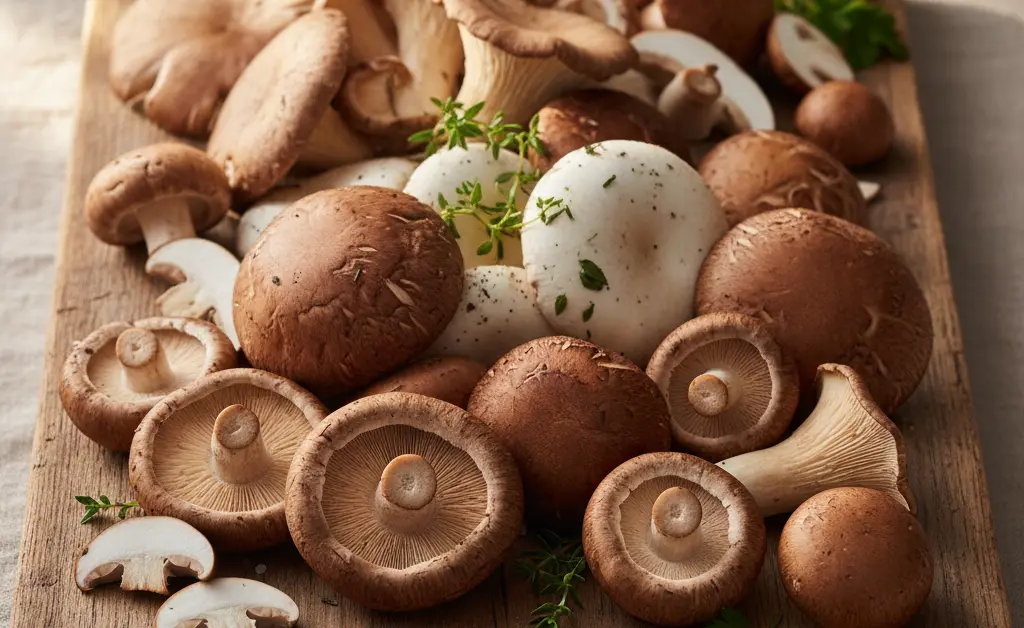
Mushrooms, while botanically distinct from vegetables, are celebrated globally for their diverse culinary applications and potential health benefits. These fascinating fungi offer a remarkable spectrum of earthy flavors, savory umami notes, and unique textures that can elevate a wide array of dishes. From delicate broths and vibrant salads to robust stir-fries and rich main courses, mushrooms consistently transform simple ingredients into gourmet experiences. Their versatility makes them a staple in kitchens worldwide, appealing to both seasoned chefs and home cooks eager to explore new dimensions in their cooking. This article will delve into the captivating world of popular culinary mushrooms, highlighting their distinct characteristics, ideal uses, and why they have earned a cherished spot on our plates, contributing both flavor and nutritional value to countless meals.
Popular Culinary Mushrooms
Exploring the vast array of fungi available for consumption reveals a rich tapestry of flavors, textures, and aromas. Among these, several varieties stand out as particularly popular culinary mushrooms, prized for their ability to enhance a wide range of dishes. Each type brings its own unique character to the kitchen, making them indispensable ingredients for home cooks and professional chefs alike. Understanding their individual qualities is key to unlocking their full culinary potential.
Button Mushrooms (White Mushrooms)
Button mushrooms, also known as white mushrooms, are perhaps the most ubiquitous and widely consumed variety. Their mild flavor and tender texture make them incredibly versatile. They can be enjoyed raw in salads, sautéed as a side dish, or incorporated into soups, stews, and casseroles. Their subtle taste allows them to blend seamlessly with other ingredients without overpowering a dish.
Cremini Mushrooms (Baby Bella)
Cremini mushrooms, often marketed as baby bella mushrooms, are a more mature version of the white button mushroom. They have a slightly firmer texture and a deeper, more earthy flavor due to their longer growing period. Their brownish caps indicate a richer profile, making them excellent for roasting, grilling, or adding to sauces where a more pronounced mushroom taste is desired. They offer a good balance between the mildness of button mushrooms and the robustness of portobellos.
Portobello Mushrooms
Portobello mushrooms are simply fully grown cremini mushrooms. Their large, flat caps and meaty texture make them a popular choice for grilling or roasting whole, often served as a vegetarian burger patty or a steak substitute. They boast a rich, intensely earthy flavor that holds up well to strong seasonings and cooking methods. Their substantial size also makes them ideal for stuffing with various fillings.
Shiitake Mushrooms
Originating from East Asia, shiitake mushrooms are renowned for their distinctive umami flavor and meaty texture. They are widely used in Asian cuisine, found in stir-fries, soups, and noodle dishes. Shiitakes have a woodsy aroma and can be enjoyed fresh or dried; dried shiitakes offer an even more concentrated flavor and are often rehydrated before use. Their stems are typically tougher and are often removed before cooking, though they can be used to flavor broths.
Oyster Mushrooms
Oyster mushrooms, named for their oyster-shell-like appearance, come in various colors, including grey, pink, and yellow. They have a delicate, slightly sweet flavor and a velvety texture when cooked. Their tender caps and relatively quick cooking time make them suitable for quick stir-fries, light sautés, or added to pasta dishes. They absorb flavors well, making them a versatile ingredient that complements many different cuisines.
Maitake Mushrooms (Hen of the Woods)
Maitake mushrooms, also known as Hen of the Woods, grow in clusters resembling a ruffled hen’s feathers. They have a rich, earthy, and slightly spicy flavor, along with a firm, almost crunchy texture. Maitakes are excellent when roasted, pan-fried, or sautéed, developing a crispy exterior and tender interior. Their robust flavor makes them a great addition to gratins, risottos, and as a hearty side dish.
King Oyster Mushrooms
King oyster mushrooms are characterized by their thick, edible stems and small caps. Their firm, chewy texture and mild, savory flavor make them incredibly versatile. The stems can be sliced into rounds, medallions, or lengthwise strips, often grilled, pan-seared, or roasted to mimic the texture of scallops or meat. They absorb marinades beautifully and contribute a satisfying mouthfeel to dishes.
Enoki Mushrooms
Enoki mushrooms are distinctive for their long, slender stems and tiny caps, usually sold in clusters. They have a delicate, slightly fruity flavor and a crisp-chewy texture. Enoki are often used in soups, salads, and stir-fries, typically added at the end of cooking to preserve their texture. They are also popular in hot pots and as a garnish, adding an elegant visual appeal.
Morel Mushrooms
Morel mushrooms are highly prized by chefs and foragers for their unique honeycomb-like appearance and intense, nutty, earthy flavor. They are seasonal and often expensive. Morels are excellent when sautéed in butter, added to cream sauces, or paired with poultry and red meats. Due to their hollow structure, they require thorough cleaning before cooking.
Chanterelle Mushrooms
Chanterelle mushrooms are recognized by their funnel shape and golden-yellow color, emitting a distinct fruity aroma, often described as apricot-like. They have a delicate, peppery flavor and a tender, slightly chewy texture. Chanterelles are fantastic when simply sautéed, made into a rich cream sauce, or incorporated into risottos and egg dishes. They pair beautifully with herbs like tarragon and chives.
Lion’s Mane Mushrooms
Lion’s Mane mushrooms are easily identifiable by their shaggy, white appearance, resembling a cascading waterfall or a lion’s mane. They have a unique texture that can be likened to crab or lobster meat, and a subtle, slightly sweet, seafood-like flavor. These mushrooms are excellent when pan-seared until golden brown, often used as a seafood substitute, or incorporated into stir-fries and pasta dishes. Their culinary versatility, combined with their interesting texture, makes them a fascinating addition to the kitchen.
Common Culinary Mushroom Varieties
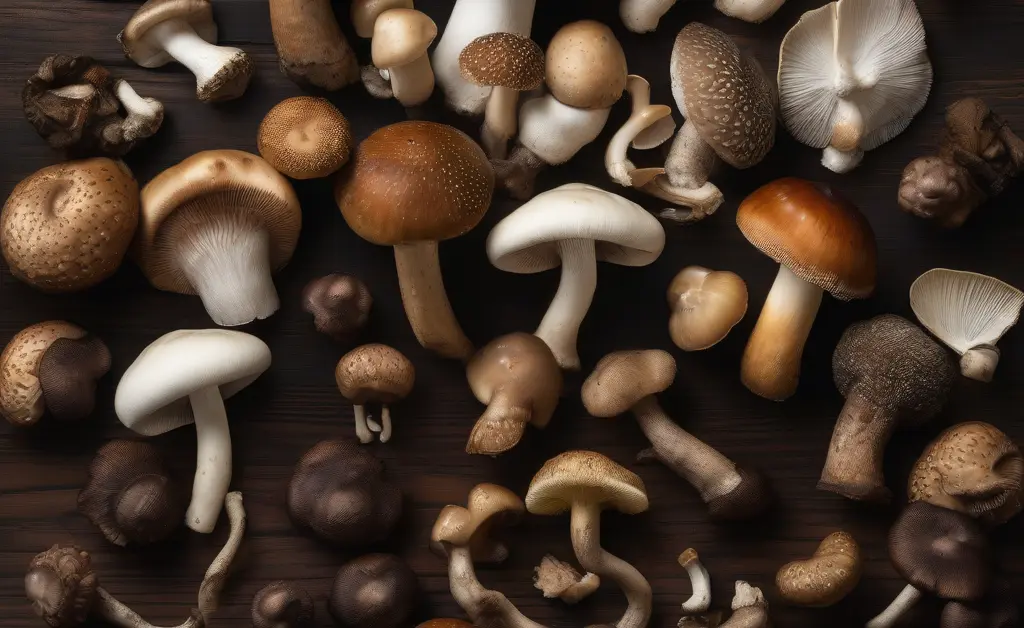
Understanding the broad spectrum of common culinary mushroom varieties goes beyond simply knowing their names; it involves recognizing their defining characteristics and typical applications. This section addresses common inquiries about the prevalence and culinary standing of various edible fungi, emphasizing the diversity within popular culinary mushrooms and their roles in cooking.
What is the most popular edible mushroom?
The white button mushroom (Agaricus bisporus) is widely considered the most popular edible mushroom globally. Its mild flavor, versatile texture, and widespread availability make it a staple in grocery stores and kitchens worldwide. It serves as an entry point for many into the world of fungi, adaptable to nearly any dish from salads to cooked preparations. Following closely are its mature forms, the cremini and portobello, which also enjoy immense popularity for their slightly richer profiles.
What are the top 10 mushrooms?
Defining the “top 10 mushrooms” can be subjective, as preferences vary by cuisine and individual taste. However, a frequently cited list of widely appreciated and popular culinary mushrooms often includes:
- Button Mushrooms
- Cremini Mushrooms (Baby Bella)
- Portobello Mushrooms
- Shiitake Mushrooms
- Oyster Mushrooms
- Maitake Mushrooms (Hen of the Woods)
- King Oyster Mushrooms
- Enoki Mushrooms
- Morel Mushrooms
- Chanterelle Mushrooms
This selection represents a blend of widely available, versatile, and gourmet varieties that are celebrated for their distinct flavors and textures in cooking.
Edible Mushrooms: 10 Popular Varieties and How to Cook Them
When it comes to edible mushrooms, knowing how to prepare them is as important as knowing their varieties. For white button and cremini mushrooms, sautéing mushrooms with garlic and butter is a classic preparation, suitable for side dishes or additions to omelets. Portobello mushrooms excel when grilling mushrooms or roasting them whole, often seasoned simply with herbs and olive oil. Shiitake mushrooms are perfect for stir-frying mushrooms, especially in Asian-inspired dishes, or lending their umami to broths and soups. Oyster mushrooms, with their delicate texture, are ideal for quick sautés or lightly fried. Maitake and king oyster mushrooms benefit from pan-searing or roasting, which highlights their firm texture and rich flavors. Enoki mushrooms are best added raw to salads or briefly cooked in soups and hot pots to maintain their crispness. Morels and chanterelles, being more delicate and prized, are often simply sautéed to let their unique flavors shine, often paired with creamy sauces or fine meats. These cooking techniques for popular mushrooms allow their individual characteristics to be fully appreciated.
Flavor Profiles and Pairings
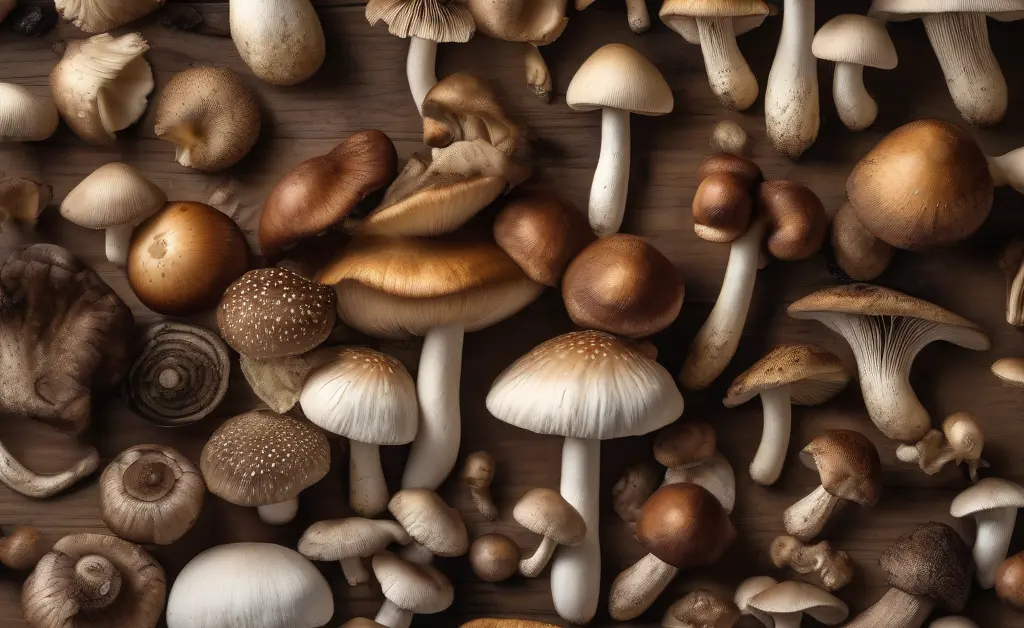
The allure of popular culinary mushrooms lies not just in their varied textures but also in their diverse and complex flavor profiles. From delicate and mild to intensely earthy and umami-rich, each mushroom brings a unique aromatic contribution to a dish. Understanding these nuances is crucial for successful culinary pairings, allowing cooks to create harmonious and memorable meals.
The Best Tasting Mushrooms (According to Professional Chefs)
Professional chefs often favor mushrooms that offer a robust flavor, unique texture, and versatility in cooking. While individual preferences exist, mushrooms like Morels and Chanterelles are frequently cited for their intense, earthy, and sometimes fruity notes, making them highly sought after for gourmet dishes. Shiitake mushrooms are celebrated for their potent umami-rich qualities, providing depth to broths and sauces. Maitake and King Oyster mushrooms are also highly regarded for their meaty textures and savory flavors that stand up well to various cooking methods. Ultimately, the “best tasting” often refers to those that provide the most complex and satisfying sensory experience, enhancing the overall dish.
What are the best mushrooms for chefs?
Chefs seek mushrooms that not only taste excellent but also offer culinary flexibility. Varieties such as cremini, portobello, and shiitake are foundational due to their reliability and distinct contributions to a dish. Gourmet options like morels, chanterelles, and porcini (though not explicitly listed in the H3s, porcini are often considered in this category by chefs) are prized for their intense flavors and ability to elevate fine dining. Oyster mushrooms are valued for their delicate flavor and quick cooking time. The best mushrooms for chefs allow for diverse cooking techniques—from sautéing and roasting to incorporating into soups and using as a meat substitute—and provide consistent quality and flavor that can be manipulated to create sophisticated culinary creations.
Which mushroom is best for cooking?
There isn’t a single “best” mushroom for all cooking scenarios, as the ideal choice depends on the desired outcome for the dish. For general-purpose cooking, white button and cremini mushrooms are incredibly versatile due to their mild flavor and ability to absorb other tastes. If you’re aiming for a meaty texture and rich, earthy and woodsy flavors, portobello or maitake mushrooms are excellent. For an umami-rich depth, shiitake mushrooms are unparalleled. Delicate and mild mushrooms like enoki or oyster mushrooms are perfect for lighter preparations or when you want the mushroom to complement rather than dominate. Pairing mushrooms with herbs and spices, or exploring mushroom pairings with meats and vegetables, further refines the choice. Ultimately, the “best” mushroom is the one that perfectly complements the specific dish you are preparing, contributing the right balance of flavor, aroma, and texture. Learning how to choose and store mushrooms properly also ensures the best results in your culinary endeavors.
The world of culinary mushrooms is an exciting realm of diverse flavors, textures, and applications. From the everyday versatility of button and cremini mushrooms to the gourmet appeal of morels and chanterelles, each variety offers a unique contribution to the kitchen. These fungi not only enhance dishes with their rich umami and earthy notes but also present opportunities for creative cooking, whether as a hearty meat substitute or a delicate garnish. Embracing the variety of popular culinary mushrooms can transform ordinary meals into extraordinary culinary experiences, continually inspiring exploration and delight in the art of cooking.
The content presented here is not a substitute for professional medical guidance. This article aims to provide general information about popular culinary mushrooms and their uses, based on common knowledge and culinary practices. Individual dietary needs, potential allergies, or specific health conditions should always be discussed with a qualified healthcare professional or dietitian. The information provided is for educational purposes only and should not be used for self-diagnosis or self-treatment.
FAQ
What are the most common edible mushrooms?
The most common edible mushrooms include familiar varieties like white button mushrooms, cremini (baby bellas), portobellos, shiitake, and oyster mushrooms. These mushrooms are widely cultivated and appreciated for their diverse flavors and textures in cooking. Their accessibility and adaptability make them staples in kitchens worldwide.
Which mushroom is best for cooking?
There isn’t a single “best” mushroom for cooking, as the ideal choice depends on the desired flavor and texture. Shiitake mushrooms offer a rich, savory umami flavor and a firm texture, making them excellent for stir-fries and soups. Oyster mushrooms, with their delicate flavor and velvety texture, are wonderful when sautéed or added to pasta dishes. White button mushrooms and cremini mushrooms are versatile and mild, suitable for a wide range of recipes, while the mature portobello mushrooms provide a meaty texture that can substitute for meat in dishes.