
Porcini Mushrooms: How to Buy, Prepare, and Cook Them
As more home cooks look beyond everyday ingredients to create restaurant-quality meals, certain flavors stand out for their ability to transform a dish. Few ingredients offer the depth and complexity of the prized porcini mushroom. Known for its rich, nutty, and earthy profile, this wild fungus has long been a staple in Italian cuisine and is now finding its way into kitchens worldwide. However, its unique characteristics, whether fresh or dried, require specific knowledge to unlock their full potential. This guide covers everything from selecting the best specimens at the market to mastering preparation techniques and classic cooking methods, empowering you to confidently incorporate this delicacy into your culinary repertoire.
What Are Porcini Mushrooms?
Porcini are a type of wild mushroom highly regarded in culinary arts for their distinctively rich flavor and meaty texture. They are part of a family of fungi known as boletes, which are characterized by having pores on the underside of their caps instead of gills. These mushrooms grow in a symbiotic relationship with certain trees and are foraged from the wild, as they cannot be commercially cultivated.
Porcini mushroom scientific name
The scientific classification for the most well-known species of porcini is essential for identification. This formal name helps differentiate it from other related and unrelated fungi found in the wild. The designation points to its specific genus and species within the kingdom of fungi.
Boletus edulis
The primary species known as porcini is scientifically named Boletus edulis. The name is derived from Latin, with “Boletus” referring to the mushroom genus and “edulis” meaning “edible.” This name highlights its long history as a safe and desirable food source. The Boletus genus includes many species, but Boletus edulis is considered the king due to its superior flavor and texture.
What is another name for a porcini mushroom?
Porcini mushrooms are known by many different names around the world, reflecting their global popularity. In English-speaking countries, they are often called “king bolete.” In France, they are celebrated as “cèpe,” while Germans refer to them as “steinpilz,” or “stone mushroom.” These various names all point to the same cherished fungus, recognized for its exceptional culinary qualities.
what is porcini mushroom
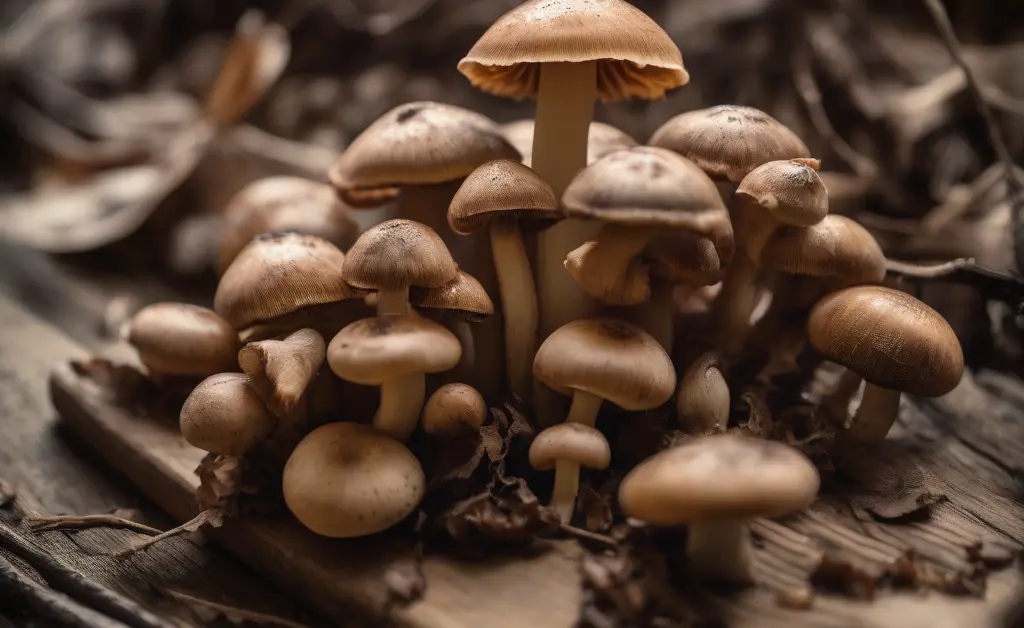
Beyond its botanical classification, the porcini mushroom is a cornerstone of rustic, elegant cuisine, particularly in Italy where it holds a place of honor. Its name translates to “piglets” in Italian, a term thought to refer to its plump, stout appearance. As a gourmet ingredient, it imparts a deep, woodsy aroma and a complex, umami-rich flavor that can elevate simple dishes into memorable meals. Whether used fresh during its short season or reconstituted from its dried form, the porcini adds a layer of sophistication and depth that is difficult to replicate with other ingredients. This deep flavor profile sets it apart from more commonly available fungi like the shiitake mushroom.
Understanding the Porcini Mushroom
To truly appreciate porcini, it helps to understand their life cycle and natural environment. These mushrooms are not farmed but are a gift of the forest, emerging only when conditions are just right. Their elusiveness and dependence on nature are part of what makes them so special. Understanding the unique porcini mushroom benefits starts with appreciating their wild origins and rich nutritional profile.
Habitat and Growth of Porcini Mushrooms
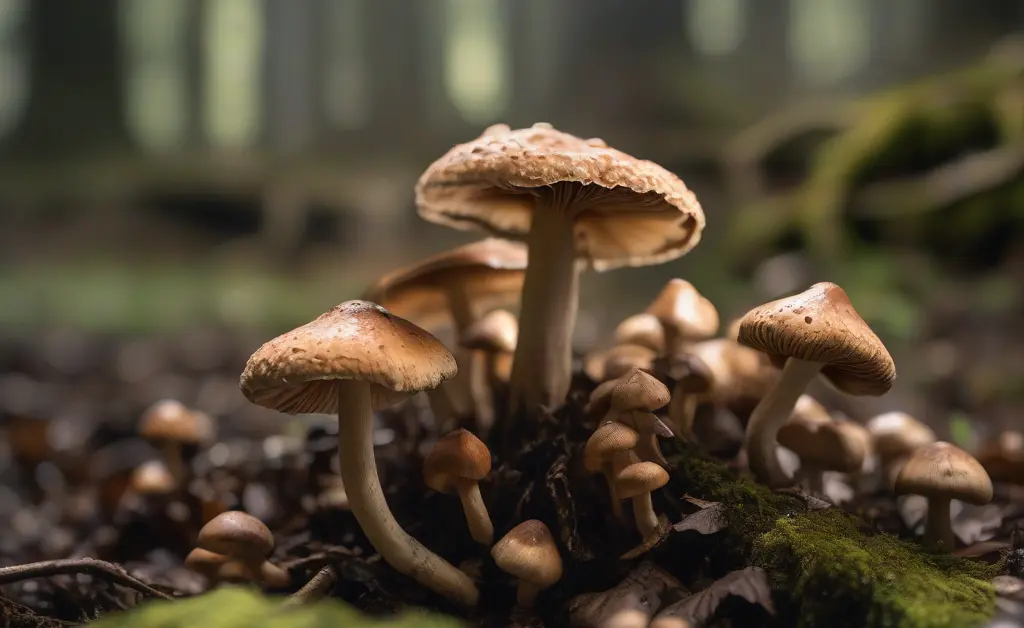
Porcini form a mycorrhizal relationship with trees, meaning their underground mycelial network connects to the roots of host trees in a mutually beneficial exchange of nutrients. They are typically found in hardwood forests at the base of trees like pine, chestnut, hemlock, and spruce. They fruit in the summer and fall, usually after a period of rainfall when the soil is moist and temperatures are mild. When foraging for any wild mushrooms, it’s critical to be certain of their identification to avoid consuming poisonous varieties, a safety precaution emphasized by health organizations like the CDC. This dependency on specific trees and weather conditions makes their harvest unpredictable and highly localized to certain regions of Europe, North America, and Asia.
Nutritional Information of Porcini
Porcini mushrooms are noted for their nutritional composition. They are considered a good source of dietary fiber and protein. They also contain various vitamins and minerals that contribute to a balanced diet, making them a valuable whole-food alternative to some natural supplements. As with many wild foods, their exact nutritional profile can vary based on the soil and environmental conditions in which they grew. Their low calorie and fat content makes them a popular addition to many eating patterns.
What Do Porcini Mushrooms Look Like?
Identifying porcini correctly is crucial, especially when foraging, though most consumers will encounter them at a specialty market. Their distinctive appearance makes them stand out from other common mushrooms.
Porcini Mushroom Characteristics
A classic porcini has a large, rounded cap that can range from a few inches to nearly a foot in diameter. The cap’s color is typically a shade of brown, from light tan to a deep reddish-brown, and its surface is smooth and slightly tacky when moist. Underneath the cap, you’ll find a spongy layer of tubes that release spores, which are yellowish or olive-green in mature specimens. The stem is one of its most defining features: thick, barrel-shaped, and pale in color, often with a fine, net-like pattern on its surface. This appearance distinguishes it from other gourmet fungi, such as the king oyster mushroom, which has a different cap and stem structure.
What Do Porcini Mushrooms Taste Like?

The flavor of porcini is what cements their status as a culinary treasure. Their taste is complex, deep, and remarkably satisfying, providing a foundation for countless dishes.
Flavor Profile and Texture
Porcini mushrooms offer a profound, earthy flavor with distinct nutty undertones. Many people describe the taste as rich and woodsy, with a deep umami quality that is enhanced through cooking. When fresh, their texture is smooth and meaty, with a satisfying firmness that holds up well in sautés and sauces. This texture is markedly different from the lighter, more gelatinous feel of the tremella mushroom. When dried, the flavor becomes much more concentrated and intense, adding a powerful, savory punch to soups, stocks, and risottos.
Buying Porcini Mushrooms
Sourcing good-quality porcini is the first step to a delicious meal. If you are wondering about porcini mushroom where to buy, whether you choose fresh or dried, knowing what to look for ensures you get the best possible flavor and texture.
Fresh vs. Dried Porcini
Fresh porcini are a seasonal delicacy, typically available only in the late summer and fall. They have a tender, silky texture and a more subtle, though still rich, nutty flavor. They are best used in simple preparations that highlight their delicate qualities. Dried porcini, on the other hand, are available year-round. The drying process concentrates their flavor, making them intensely aromatic and savory. They need to be rehydrated before use, and their soaking liquid becomes a flavorful broth that can be used in the dish.
Why are porcini so expensive?
Several factors contribute to the high price of porcini mushrooms. First and foremost, they are wild and cannot be cultivated, meaning supply is entirely dependent on what foragers can find in nature. Their growing season is short and unpredictable. The foraging process itself is labor-intensive, often requiring skilled individuals to hike through remote forests. Finally, their high demand in the culinary world, coupled with this limited and unreliable supply, drives up the cost.
What to Look for When Buying Fresh Porcini
When purchasing fresh porcini, select specimens that are firm to the touch with no soft or slimy spots. The cap should be intact, and the underside should not be overly dark or mushy. Give them a sniff—they should have a pleasant, earthy, and nutty aroma. Avoid mushrooms that smell sour or musty. It’s common to see small holes from insects, but excessive damage should be avoided.
Sourcing High-Quality Dried Porcini
For dried porcini, quality is paramount. Look for packages containing large, whole slices or pieces rather than dust and crumbs. The color should be pale and creamy, not overly dark, which can indicate age or improper drying. A high-quality dried porcini mushroom should have a powerfully fragrant, woodsy scent that is immediately noticeable when you open the package. Store them in an airtight container to preserve this aroma.
Dried Domestic Porcini
While Italian porcini are often considered the benchmark, high-quality dried porcini are also sourced from North America, particularly the Pacific Northwest. These domestic varieties can be excellent, offering a slightly different flavor profile that may be subtly brighter or more robust depending on the specific species and region. When buying, look for information about the origin to better understand the potential character of the mushrooms.
Preparing Porcini Mushrooms for Cooking
Proper preparation is key to unlocking the full potential of porcini mushrooms. Whether fresh or dried, a few simple steps will ensure they are clean, properly stored, and ready for your recipe.
Storing Fresh Porcini
Fresh porcini are highly perishable and should be used as soon as possible. To store them for a short period, place them in a paper bag or wrap them in a paper towel and put them in the main compartment of your refrigerator. Avoid plastic bags, as they trap moisture and can cause the mushrooms to become slimy.
Storing Dried Porcini
Dried porcini have a long shelf life if stored correctly. Keep them in an airtight container, such as a glass jar, in a cool, dark, and dry place like a pantry or cupboard. When stored properly, they can retain their potent flavor and aroma for many months.
Cleaning Fresh Porcini
Because porcini grow in the wild, they often have dirt and debris on them. It is best to clean them without using water, as they are like sponges and will absorb it, becoming soggy. Use a soft mushroom brush, a dry paper towel, or a paring knife to gently scrape away any dirt from the cap and stem. If there are stubborn spots, you can use a slightly damp paper towel. Always inspect for and remove any small insects that may have burrowed into the mushroom. Proper identification and cleaning are crucial, as consuming misidentified wild mushrooms can lead to adverse reactions; it’s also wise to be aware of any potential porcini mushroom side effects, even with correctly identified specimens.
Slicing and Chopping Techniques for Porcini
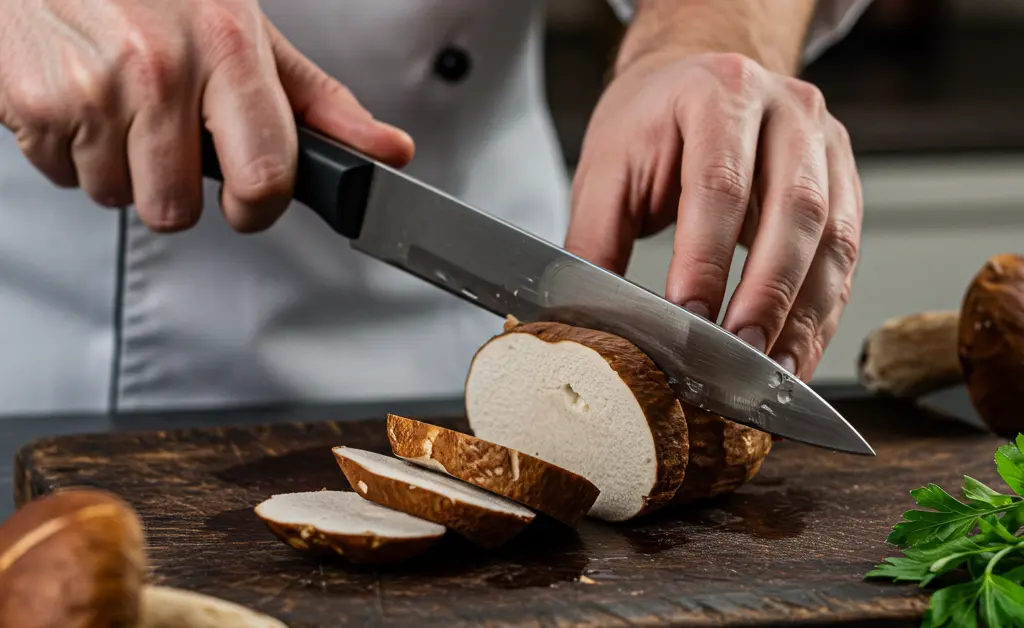
The way you cut a porcini can depend on the dish. For sautés or grilled preparations where you want to showcase their shape, slice them vertically from cap to stem into thick, uniform pieces. For risottos, sauces, or stuffings, a smaller dice is more appropriate. A fine chop is ideal for incorporating their flavor into a compound butter or a savory filling.
Popular Porcini Mushroom Recipes and Cooking Methods
The versatility of porcini mushrooms allows them to shine in a wide array of dishes, from rustic Italian classics to modern culinary creations. Their deep flavor can be the star of a meal or a powerful supporting element.
Classic Porcini Dishes
One of the most iconic dishes is Porcini Risotto, where the rehydrated mushrooms and their soaking liquid create a creamy, intensely flavorful rice dish. They are also famously paired with pasta, especially wide noodles like tagliatelle or pappardelle, in a simple sauce of butter, garlic, and parsley. A hearty porcini mushroom soup is a classic way to enjoy their earthy depth. Additionally, fresh porcini are wonderful when simply grilled or sautéed with olive oil and herbs, served as a side dish or a topping for steak or polenta.
Pairing Porcini Mushrooms
The robust flavor of porcini allows them to stand up to strong pairings while also complementing more delicate ingredients. Choosing the right partners can enhance their natural character and create a harmonious dish.
Complementary Flavors for Porcini
Classic herbs that pair beautifully with the woodsy notes of a porcini mushroom include thyme, rosemary, and parsley. Garlic, shallots, and onions provide a savory aromatic base. In terms of fats, butter and high-quality olive oil are excellent choices for cooking. Rich dairy products like cream and Parmesan cheese enhance their umami flavor and create luxurious sauces. For protein pairings, porcini go exceptionally well with red meats like steak and veal, as well as poultry and game.
From the forest floor to the dinner plate, the porcini mushroom offers a journey of flavor that is both rustic and refined. Understanding how to select, store, and prepare this celebrated fungus allows any home cook to harness its deep, nutty, and earthy character. Whether you are using the delicate fresh version in a simple sauté or the intensely flavored dried form to enrich a risotto, porcini have the power to transform a meal. By embracing the techniques and flavor pairings that make them shine, you can confidently bring the taste of this gourmet treasure into your own kitchen.
The information presented in this article is educational and not meant as professional medical counsel. The content is intended for general knowledge and informational purposes only, and it does not constitute a substitute for professional advice. Always seek the guidance of a qualified health provider with any questions you may have regarding a medical condition or dietary changes. Do not disregard professional medical advice or delay in seeking it because of something you have read here.
FAQ
What does porcini mushroom taste like?
Porcini has a distinctively rich, nutty, and earthy flavor profile that sets it apart from more common mushroom varieties. Its dense, meaty texture holds up well during cooking, and it is prized for contributing a deep umami quality to dishes.
Can porcini mushrooms be eaten fresh?
Fresh porcini are indeed edible and are considered a culinary delicacy, available only for a short time during their growing season. When fresh, their flavor is subtler and their texture is firm and smooth, offering a different experience from the concentrated intensity of dried porcini.
How do you cook porcini mushrooms?
These mushrooms lend themselves to simple cooking methods that highlight their natural flavor, such as grilling, roasting, or sautéing in oil or butter. Because of their robust texture, they can be sliced thickly and cooked until golden brown, releasing their characteristic aroma and nutty taste.
What are porcini mushrooms used for?
The porcini mushroom is a cornerstone of classic Italian cuisine, prized for its ability to impart a deep, woodsy flavor to a variety of dishes. It is commonly incorporated into risottos, pasta sauces, soups, and stews, where its rich taste can infuse the entire meal. Both fresh and dried forms are used to create complex, savory layers in culinary preparations.
How do you prepare dried porcini mushrooms?
Dried porcini are typically prepared by rehydrating them in warm water or broth, which softens their texture and awakens their concentrated flavor. This process also creates a highly aromatic and flavorful soaking liquid, which is often strained and used as a savory base for sauces, soups, or risottos.