
Mastering Porcini Mushroom Butter: A Complete Guide
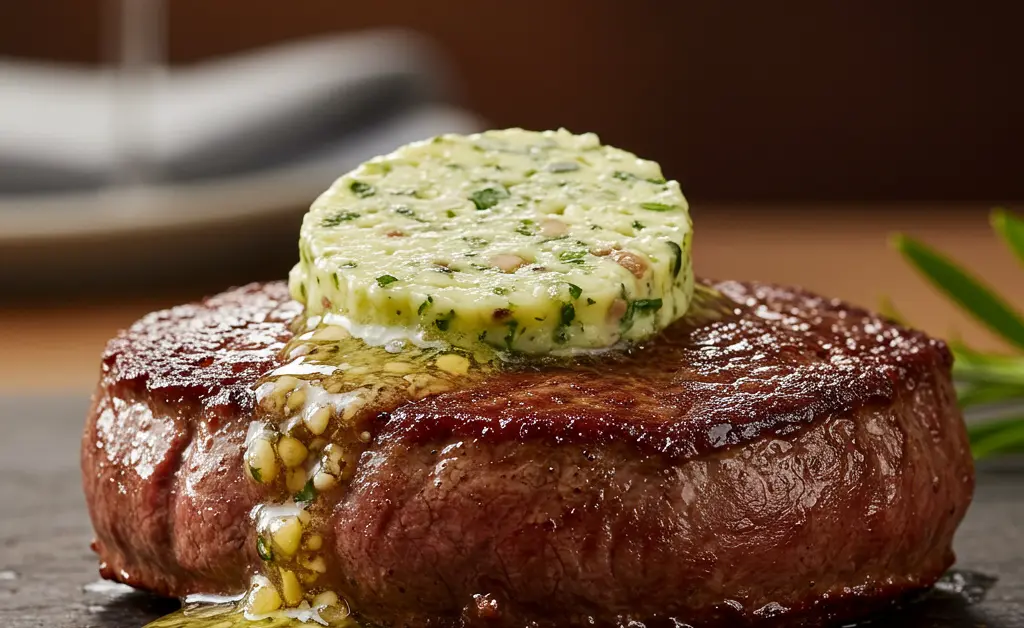
How often do we seek simple yet profound ways to elevate our culinary creations? The secret often lies in harnessing the natural depth of premium ingredients. This guide explores the art and science behind crafting porcini mushroom butter, a luxurious addition that promises to transform everyday meals into extraordinary experiences. From understanding the key components to mastering its preparation and discovering its versatile applications, we delve into how this rich compound can impart an unparalleled umami punch to a wide array of dishes. Learn the techniques for achieving the perfect consistency and flavor, ensuring your homemade butter stands out as a gourmet staple in your kitchen, enhancing everything from roasted meats to delicate pasta sauces.
Ingredients for Porcini Mushroom Butter
Choosing the Right Quality Butter
The foundation of any exceptional compound butter begins with high-quality butter. Opt for unsalted butter, as this allows you to control the seasoning precisely. European-style butters, often characterized by a higher fat content and lower water content, tend to offer a richer, creamier texture and a more pronounced flavor, which can significantly enhance the overall taste of your porcini mushroom butter. Ensure the butter is softened to room temperature before use, as this will facilitate easier blending with other ingredients and result in a smoother, more uniform consistency.
Selecting Porcini Mushrooms (Fresh vs. Dried)
Porcini mushrooms, known for their earthy, nutty, and robust flavor, are the star ingredient. You have the option of using fresh or dried porcini, each offering distinct advantages. Fresh porcini provide a delicate texture and a more subtle, yet still profound, mushroom essence. If using fresh, select firm, unblemished mushrooms. Dried porcini, on the other hand, deliver a more concentrated and intense flavor. They are often more readily available and, once rehydrated in warm water or broth, impart a deep umami character to the butter. The rehydration liquid itself can also be reserved and added to the mixture for an extra layer of flavor. Some preparations even call for porcini mushroom powder, which blends seamlessly into the butter for an even distribution of flavor. Information regarding the nutritional aspects of various ingredients can often be found through resources like the NIH.
Complementary Aromatics and Seasonings
To further enhance the complex flavors of the porcini mushroom butter, consider incorporating complementary aromatics and seasonings. Finely minced shallots or garlic are excellent choices, providing a pungent, savory base that marries well with the mushrooms. Fresh herbs such as thyme, rosemary, or parsley can add brightness and an aromatic lift. A splash of cognac or dry white wine can also be used to deglaze the pan after sautéing the mushrooms, adding a nuanced depth. Finally, a good quality sea salt and freshly ground black pepper are essential to season the butter appropriately, balancing all the flavors.
Porcini Mushroom Butter: Recipe and Preparation
Preparing and Sautéing Porcini and Aromatics
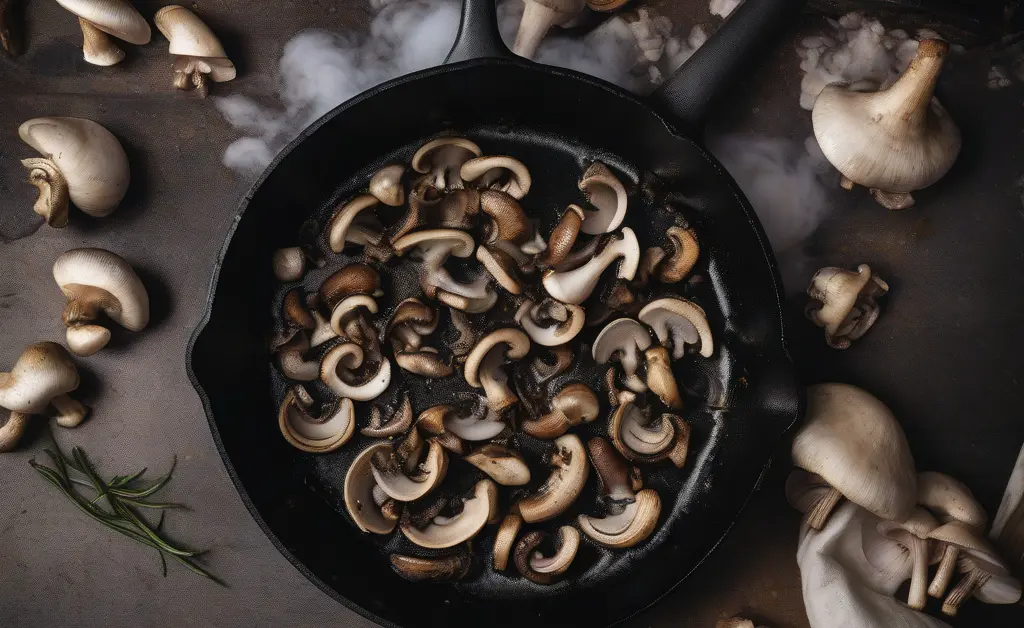
Begin by carefully cleaning your porcini mushrooms. If using fresh, gently brush off any dirt and wipe them with a damp cloth; avoid washing them under running water, as they can absorb too much moisture. Slice them thinly. If using dried porcini, rehydrate them by soaking in warm water or broth for about 20-30 minutes until soft, then gently squeeze out excess liquid and chop them. In a skillet, melt a small amount of butter or olive oil over medium heat. Add the chopped porcini mushrooms and any desired aromatics like minced shallots or garlic. Sauté until the mushrooms release their moisture and begin to brown, becoming fragrant and tender. If using, deglaze the pan with a small amount of cognac or white wine, scraping up any browned bits from the bottom. Allow the liquid to reduce completely, ensuring the mixture is not too wet.
Blending to Achieve Smoothness
Once the sautéed porcini and aromatics have cooled slightly, it’s time to combine them with the softened butter. Transfer the cooled mushroom mixture to a food processor or a high-powered blender. Add the room-temperature unsalted butter, along with any chosen herbs and seasonings. Process the ingredients until they are thoroughly combined and the butter achieves a smooth, uniform consistency. Scrape down the sides of the bowl as needed to ensure everything is well incorporated. The goal is a velvety, spreadable mixture where the rich flavor of the porcini mushroom butter is fully integrated. For an extra earthy boost, a small amount of porcini mushroom powder can be added at this stage.
Porcini Mushroom Compound Butter
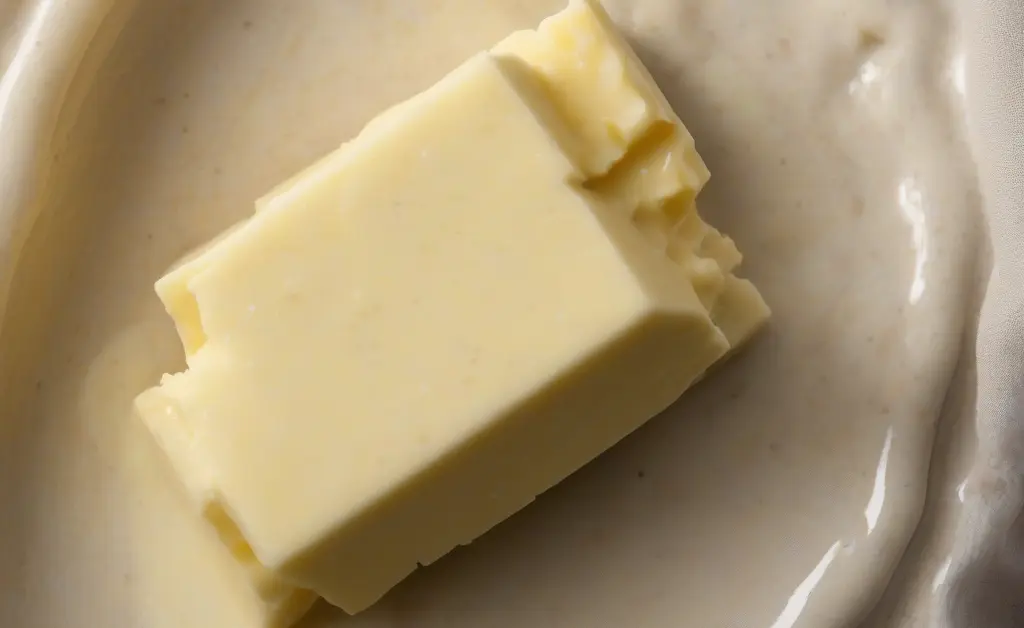
A compound butter is essentially softened butter that has been blended with various aromatic ingredients, allowing their flavors to infuse into the fat. This technique creates a versatile and flavorful base that can be used in numerous culinary applications. Making porcini mushroom butter as a compound butter means you’re creating a concentrated flavor bomb ready to enhance many dishes with its savory, umami-rich character. This approach simplifies cooking later on, as the flavor is already built into the butter.
Porcini and Garlic Compound Butter
One of the most popular and delicious variations of this specialty is porcini and garlic compound butter. The robust, earthy notes of porcini mushrooms pair exquisitely with the pungent warmth of fresh garlic. To prepare this, finely mince several cloves of garlic and sauté them briefly with the porcini mushrooms to mellow their raw edge and deepen their flavor. Alternatively, roasted garlic can be used for a sweeter, more subtle garlic presence. Once cooled, blend this mixture with softened unsalted butter and a touch of fresh thyme or parsley. The resulting **porcini mushroom butter** is incredibly aromatic and intensely flavorful, making it perfect for spreading on crusty bread, finishing steaks, or enriching pasta sauces.
Tips for Making the Best Porcini Butter
Achieving the Optimal Flavor Profile
Crafting exceptional porcini mushroom butter involves careful attention to flavor balance. Start with quality ingredients, as their inherent taste will be the core of your butter. When sautéing the porcini, ensure they are cooked until golden brown to develop their deep umami. Avoid overcrowding the pan, which can steam rather than brown the mushrooms. Taste the mixture as you blend, adjusting salt and pepper as needed. A small amount of acidity, such as a squeeze of lemon juice or a dash of sherry vinegar, can sometimes brighten the overall flavor without overpowering the porcini. Remember, the goal is to highlight the distinctive taste of the porcini, not to mask it. This homemade porcini butter benefits from a judicious hand with seasonings.
Ensuring a Perfectly Smooth Texture
The texture of your porcini mushroom butter is just as important as its flavor. To achieve a perfectly smooth and luxurious consistency, ensure your butter is sufficiently softened to room temperature before blending. This allows it to emulsify properly with the other ingredients. When processing, use a food processor or a powerful blender and blend until no large pieces of mushroom or aromatic remain. If the mixture appears too chunky, continue processing, scraping down the sides as necessary. For an extra-fine texture, especially if using dried porcini that can be a bit fibrous, you might consider passing the blended butter through a fine-mesh sieve, though this is often unnecessary with proper blending. A fine porcini mushroom powder can also aid in achieving maximum smoothness.
Creative Uses for Porcini Mushroom Butter
Enhancing Meats and Poultry
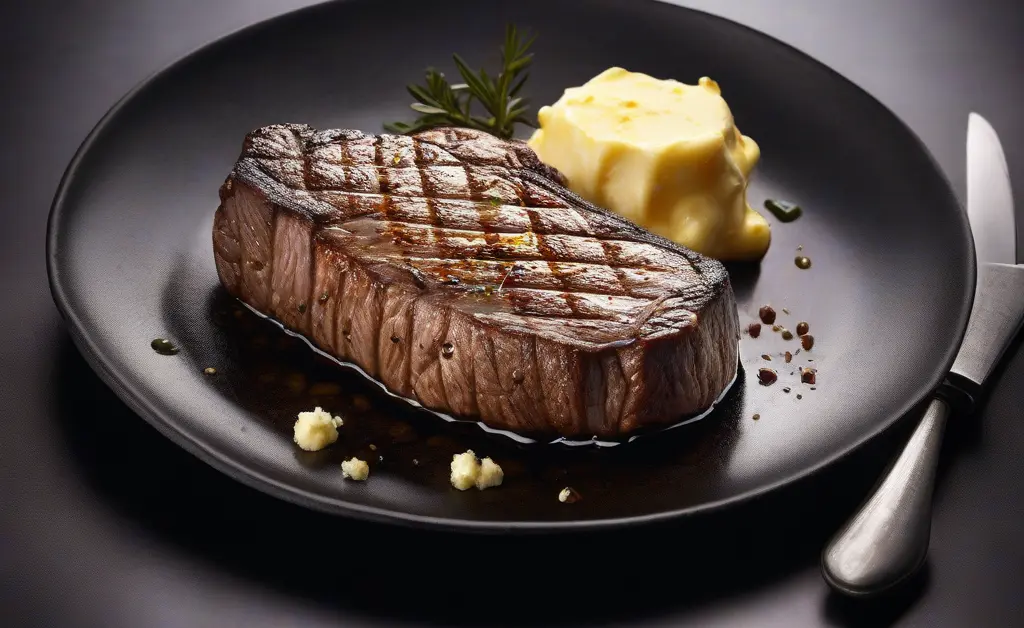
The rich umami profile of porcini mushroom butter makes it an ideal accompaniment for various meats and poultry. A pat of this gourmet butter melted over a freshly grilled steak or pan-seared chicken breast can elevate a simple dish into a restaurant-quality experience. It could even be used to perfect vegetarian mains like king oyster mushroom scallops. It can also be spread under the skin of a whole roast chicken or turkey before cooking, infusing the meat with deep, earthy flavors as it roasts. For a more sophisticated touch, incorporate it into a pan sauce to serve alongside pork chops or lamb.
Elevating Pasta and Risotto Dishes
Porcini mushroom butter is a game-changer for pasta and risotto. Stir a tablespoon or two into a hot pasta dish just before serving to create an instant, luxurious sauce. The rich, earthy flavor also lends itself to sophisticated starters such as porcini mushroom cappuccino. Its earthy notes complement a variety of pasta shapes and ingredients, from simple spaghetti aglio e olio to more complex cream sauces. Imagine the depth it could add to a hearty porcini mushroom lasagna, for instance. When making risotto, this butter can be stirred in at the end, during the “mantecatura” stage, to add a profound depth of flavor and creamy texture, making your risotto truly unforgettable. This type of porcini mushroom butter adds a savory complexity.
Vegetable and Bread Applications
Beyond meats and grains, porcini mushroom butter shines in simpler applications. Spread it generously on warm, crusty bread or toast for a delightful appetizer or snack. It can be tossed with roasted or steamed vegetables like asparagus, green beans, or potatoes, imparting a rich, savory coating. Even corn on the cob benefits from a slathering of this flavorful butter. Consider using it to make gourmet grilled cheese sandwiches or as a base for savory tarts and quiches. The versatility of porcini mushroom butter extends to nearly any dish that could benefit from an earthy, savory boost. It can even inspire unique preparations like oyster mushroom recipes, demonstrating its broad culinary appeal.
Storing Porcini Mushroom Butter
Refrigeration Guidelines
Once you’ve prepared your porcini mushroom butter, proper storage is key to maintaining its freshness and flavor. For short-term use, it can be stored in an airtight container in the refrigerator. Ensure the container is sealed tightly to prevent the butter from absorbing odors from other foods or drying out. When properly refrigerated, this homemade butter typically remains fresh and flavorful for approximately 1 to 2 weeks. Always check for any off-odors or discoloration before use.
Freezing for Longer Shelf Life
For longer storage, freezing is an excellent option. To freeze porcini mushroom butter, shape it into a log using parchment paper or plastic wrap, or portion it into individual servings using an ice cube tray. Wrap the log or individual portions tightly in plastic wrap, then place them in a freezer-safe bag or container. Label with the date of preparation. Frozen porcini mushroom butter can maintain its quality for several months, typically up to 3 to 6 months. When ready to use, simply thaw the desired amount in the refrigerator overnight or at room temperature for a shorter period, then proceed with your culinary creations.
Porcini mushroom butter is a testament to how simple ingredients, combined with a little care, can create something truly extraordinary. Its rich, earthy, and savory notes offer endless possibilities for enhancing everyday meals and gourmet dishes alike. By mastering its preparation and understanding its diverse applications, you can infuse your cooking with a depth of flavor that is both unique and deeply satisfying, transforming your kitchen into a haven of gourmet delights.
The content presented here is not a substitute for professional medical guidance. This article provides general information for culinary purposes. While ingredients like porcini mushrooms are widely enjoyed, individual dietary needs and health conditions vary. Always consult with a qualified healthcare professional or registered dietitian for personalized dietary advice or before making any significant changes to your diet, especially if you have existing health concerns.
FAQ
FAQ
How to make porcini mushroom butter from scratch?
Crafting this savory butter typically involves rehydrating dried porcini mushrooms, then finely mincing or pureeing them. This mushroom paste is then gently sautéed with aromatics like shallots or garlic to deepen its flavor before being thoroughly incorporated into softened unsalted butter. Seasoning with salt and pepper completes this rich culinary preparation.
What ingredients are needed for porcini mushroom butter?
Essential components for this flavorful creation include high-quality dried porcini mushrooms, fresh unsalted butter, and often aromatics such as garlic or shallots. A touch of fresh herbs like thyme or rosemary can enhance its complexity, while salt and freshly ground black pepper are crucial for seasoning.
How to use porcini mushroom butter?
This versatile butter is known for elevating a wide array of dishes with its deep, earthy flavor. It serves beautifully as a finishing butter for steaks, roasted vegetables, or pasta, melting into sauces to enrich their taste. Spreading it on warm bread or incorporating it into scrambled eggs also adds a luxurious touch.
Can porcini mushroom butter be frozen?
Yes, this mushroom-infused butter freezes exceptionally well due to its high fat content, which acts as a natural preservative. Freezing allows for long-term storage, maintaining its rich flavor and texture for later use. It can be portioned into smaller amounts before freezing for convenient access.
What does porcini mushroom butter taste like?
Porcini mushroom butter offers a profound umami experience, characterized by its intensely earthy, slightly nutty, and robustly savory flavor. The porcini mushroom contributes a meaty depth that enriches the creamy base of the butter, making it both comforting and sophisticated.
How long does homemade porcini butter last?
Homemade porcini butter generally remains fresh in the refrigerator for about one to two weeks when stored in an airtight container. If properly frozen, it can maintain its quality for several months, typically up to three to six months. The shelf life is linked to the freshness of its ingredients and proper storage conditions.