
Crafting Superior Porcini Mushroom Noodles at Home
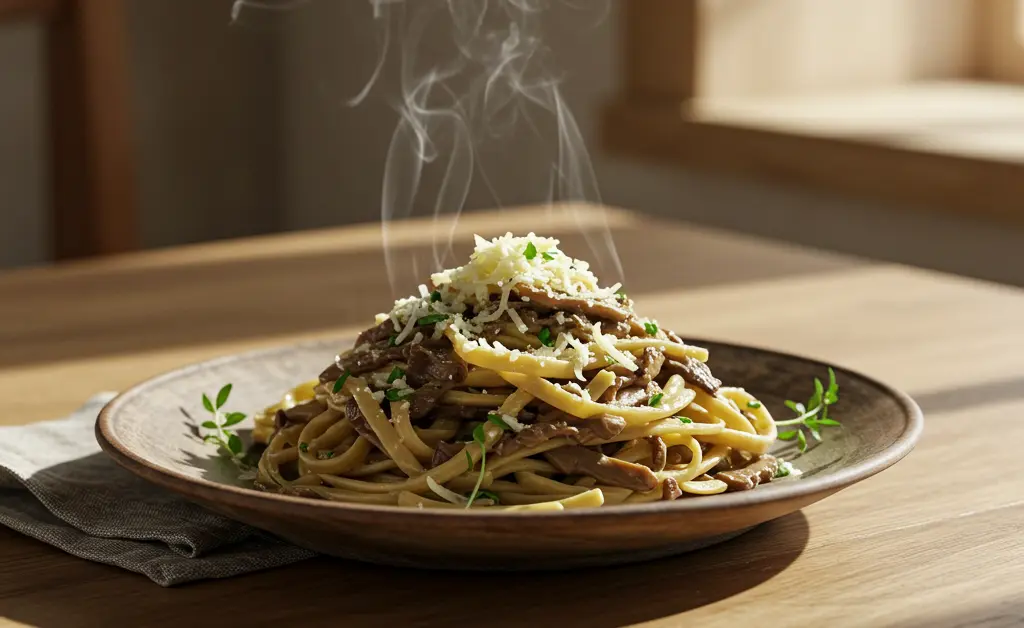
Have you ever wondered how to bring the rich, earthy essence of porcini mushrooms into your home cooking in a truly special way? This guide delves into the art of creating exquisite porcini mushroom noodles, offering a journey from selecting ingredients to crafting a complete, satisfying dish. We’ll explore techniques for making homemade pasta infused with porcini, as well as methods for preparing sauces that highlight the mushroom’s unique flavor profile. Whether you’re a seasoned chef or a home cook looking to elevate your culinary skills, mastering these techniques will unlock a world of gourmet possibilities. Prepare to transform simple ingredients into a memorable dining experience that celebrates the bounty of the forest.
Introduction to Porcini Mushroom Noodles
Porcini mushroom noodles represent a culinary bridge between rustic, forest-foraged flavors and sophisticated Italian-inspired cuisine. These unique noodles offer a deep, earthy aroma and a robust umami taste that can elevate a simple meal into an extraordinary dining experience. From their origins in wild mushroom traditions to their place in modern gourmet kitchens, porcini have long been prized for their distinctive flavor. Beyond savory dishes, some innovative cooks even experiment with unique combinations like porcini mushroom chocolate. Crafting porcini mushroom noodles at home allows for complete control over ingredients and texture, ensuring a dish that truly reflects the richness of these remarkable fungi. This guide aims to provide the knowledge and confidence to explore the full potential of these delightful creations.
Homemade Porcini Pasta Dough
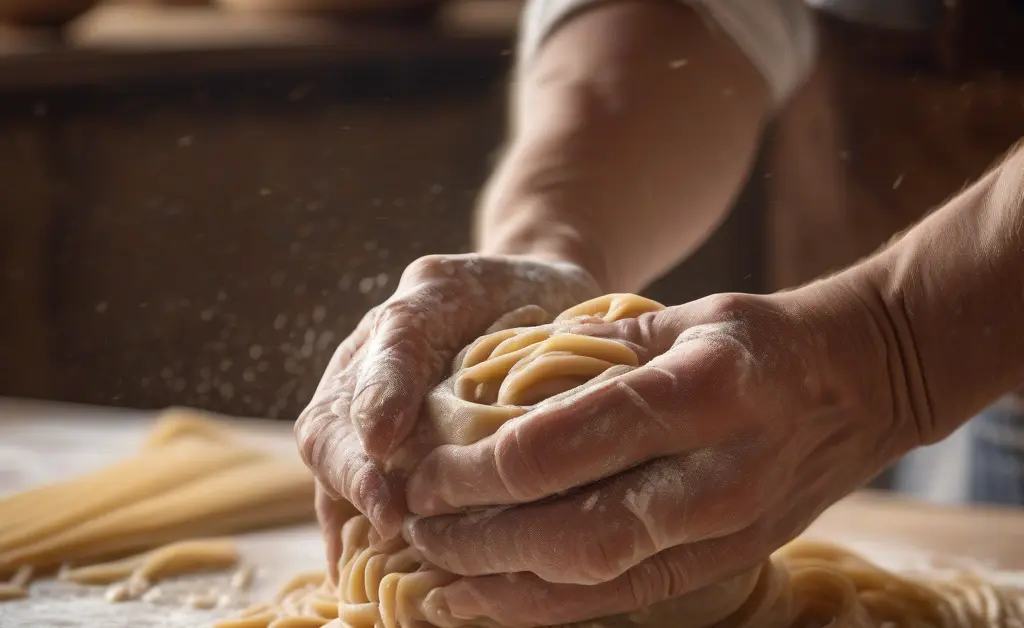
Creating homemade porcini pasta dough is the cornerstone of truly exceptional porcini mushroom noodles. The process begins with sourcing high-quality dried porcini mushrooms. These are typically rehydrated, and the flavorful soaking liquid, often reduced, is then incorporated into the dough along with finely ground porcini powder for a concentrated essence. The foundation of the dough usually consists of durum wheat semolina or all-purpose flour, combined with eggs, much like traditional fresh pasta. Kneading the dough thoroughly develops the gluten, resulting in a smooth, elastic texture that is a joy to work with. The resulting dough not only takes on a beautiful speckled appearance but also carries a profound earthy aroma, promising a depth of flavor in the finished porcini mushroom noodles that is unparalleled by store-bought alternatives.
Key Ingredients for Porcini Mushroom Noodles
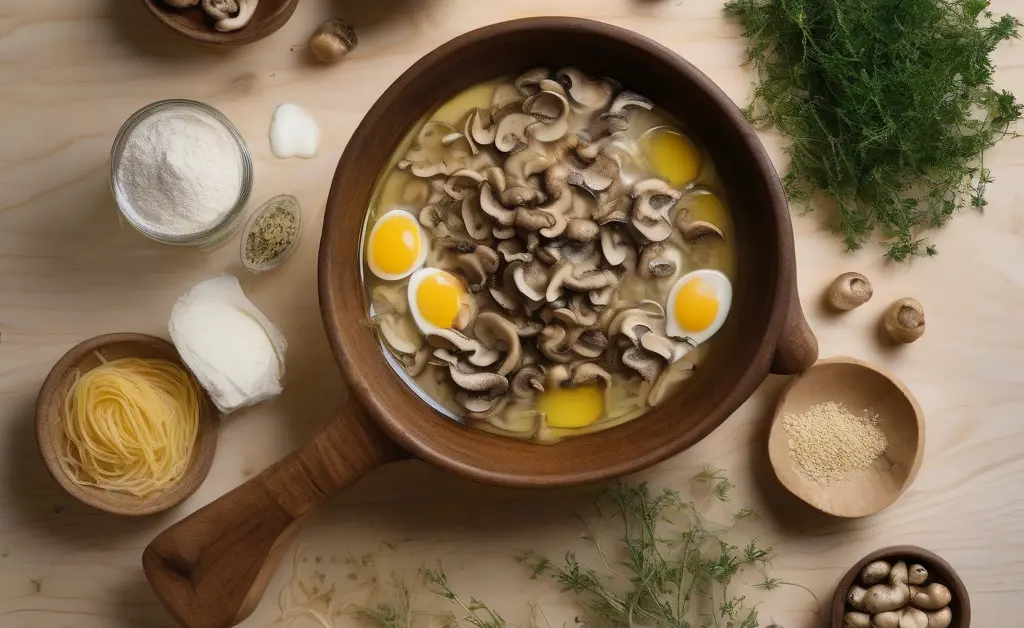
Beyond the porcini themselves, several key ingredients contribute to the overall success of porcini mushroom noodles. High-quality pasta or noodle ingredients are essential, whether you’re making them from scratch or selecting pre-made options. Olive oil, garlic, and fresh herbs like thyme or parsley often form the aromatic base for the accompanying sauce, enhancing the mushroom’s natural qualities. A good quality broth or stock can deepen the sauce’s flavor profile, while a splash of dry white wine or even a rich red can add complexity. Finally, a touch of freshly grated Parmesan or Pecorino cheese can provide a savory, salty finish that perfectly complements the earthy notes of the porcini.
Selecting the Right Noodles or Pasta
The choice of noodle or pasta shape plays a crucial role in how the porcini mushroom dish is experienced. For heartier, chunkier sauces, broader pasta shapes like tagliatelle, pappardelle, or fettuccine are excellent choices, as their wide surfaces are ideal for catching and holding the rich sauce. For lighter, more delicate preparations, linguine or spaghetti can provide an elegant texture. If you’re venturing into homemade porcini pasta, you have the freedom to cut it into various shapes, from thin tagliolini to thicker ribbons, or even specific filled pasta like porcini mushroom girasoli. Regardless of the choice, aiming for an “al dente” texture when cooking ensures that the noodles offer a pleasant bite and contribute to the overall enjoyment of the porcini mushroom noodles.
Step-by-Step Guide to Making Porcini Mushroom Noodles
Crafting delicious porcini mushroom noodles involves a series of steps that build upon each other, culminating in a dish rich in flavor and texture. This process typically includes preparing the mushrooms, constructing a complementary sauce, and finally, cooking and combining the pasta. Attention to detail at each stage ensures a harmonious and satisfying meal that highlights the unique character of porcini.
Crafting the Flavorful Porcini Mushroom Sauce
A truly exceptional porcini mushroom sauce is fundamental to any dish featuring porcini mushroom noodles. Begin by rehydrating dried porcini in warm water, reserving the strained liquid for later. If using fresh porcini, clean them carefully. Sauté aromatic ingredients like finely minced garlic and shallots in olive oil until fragrant. Add the prepared porcini, allowing them to release their moisture and brown slightly, which deepens their umami flavor. Deglaze the pan with a splash of dry white wine, letting it reduce. Incorporate the reserved porcini soaking liquid, perhaps a quality vegetable or chicken broth, and fresh herbs such as thyme or parsley. Simmer the sauce gently, allowing the flavors to meld and intensify, creating a rich and aromatic base for your pasta.
Cooking the Noodles and Combining the Dish
The final steps involve expertly cooking the noodles and marrying them with the prepared sauce. Cook your chosen pasta shape in generously salted boiling water until it reaches a perfect al dente texture. Before draining, reserve a cup or so of the starchy pasta water. This water is invaluable for adjusting the consistency of your sauce. Once the noodles are cooked, drain them and immediately transfer them to the pan with the porcini mushroom sauce. Toss the noodles vigorously with the sauce, adding small amounts of the reserved pasta water as needed to create a glossy, emulsified coating that clings beautifully to every strand. This technique ensures that each bite of porcini mushroom noodles is thoroughly infused with flavor.
Using Fresh vs. Dried Porcini in Noodle Dishes
The choice between fresh and dried porcini mushrooms significantly impacts the flavor and preparation of porcini mushroom noodles. Fresh porcini, when in season, offer a delicate texture and a milder, more subtle earthy flavor. They are wonderful sautéed simply with garlic and herbs, allowing their natural essence to shine through. Dried porcini, on the other hand, boast a concentrated, intense umami flavor and aroma. Rehydrating them yields not only the flavorful mushrooms themselves but also a rich, dark liquid that is a treasure trove of taste, perfect for deepening sauces and broths. While fresh porcini add a luxurious textural element, dried porcini provide a profound flavor foundation that can elevate any porcini mushroom noodles recipe. For information on the nutritional aspects of fungi, resources like the NIH can provide valuable data.
Tips for the Best Porcini Noodle Dish
Achieving an outstanding porcini noodle dish goes beyond just following a recipe; it involves understanding key techniques and nuances. From ensuring the perfect pasta texture to balancing the flavors in your sauce, these tips can help elevate your culinary creation. Exploring different preparation methods for mushrooms, such as an oyster mushroom air fryer recipe, can broaden your culinary horizons. Focus on quality ingredients and thoughtful execution to truly bring out the best in your porcini mushroom noodles.
Ensuring the Perfect Noodle Texture
The texture of the noodles is paramount in any pasta dish, and porcini mushroom noodles are no exception. The ideal is “al dente” – firm to the bite, yet cooked through. To achieve this, use a large pot of generously salted water and ensure it reaches a rolling boil before adding the pasta. Stir frequently during the initial stages to prevent sticking. Always refer to the package instructions for cooking times, but taste the pasta a minute or two before the suggested time. The goal is a slight resistance, a pleasant chewiness, that complements the richness of the porcini sauce. Overcooked, mushy pasta can detract significantly from the overall experience.
Serving Suggestions and Variations for Porcini Mushroom Noodles
Porcini mushroom noodles are incredibly versatile, lending themselves to a wide array of serving suggestions and creative variations. While delicious on their own, pairing them with the right accompaniments can enhance the dining experience. Exploring different preparations allows you to savor the unique flavor of porcini in various contexts, from light and simple to rich and decadent. For those interested in other fungi, there are also delicious oyster mushroom recipes to explore. Consider these ideas to inspire your next gourmet meal featuring porcini mushroom noodles.
Wine Pairings for Porcini Mushroom Noodles
Selecting the right wine can beautifully complement the earthy, savory notes of porcini mushroom noodles. Generally, wines with earthy undertones and good acidity tend to pair well. For a classic pairing, consider a medium-bodied red wine like a Pinot Noir, Chianti, or a Barolo, as their fruity and sometimes mushroom-like notes resonate with the porcini. If you prefer white wine, a dry, unoaked Chardonnay, a crisp Sauvignon Blanc, or an earthy Pinot Grigio can also work, especially with lighter, cream-free sauces. The goal is to find a wine that enhances, rather than overwhelms, the distinctive flavor of the porcini.
Porcini Mushroom Pasta (No Cream)
A cream-free porcini mushroom pasta allows the pure, unadulterated flavor of the mushrooms to truly shine. This style typically relies on a base of sautéed garlic, olive oil, and the intensely flavored porcini. Often, a splash of dry white wine or vegetable broth is used to create a light yet rich sauce. Fresh parsley or thyme can add a fragrant herbal note. The starchy pasta water plays a crucial role in emulsifying the sauce, creating a glossy coating that adheres to the noodles without the heaviness of cream. This simpler preparation highlights the umami depth and natural texture of the porcini, offering a clean and elegant dish.
Creamy Porcini Mushroom Pasta
For those who enjoy a richer, more indulgent experience, creamy porcini mushroom pasta is a delightful variation. After developing the mushroom base with garlic and perhaps shallots, a touch of heavy cream, crème fraîche, or even mascarpone cheese is introduced to create a luxurious sauce. The cream mellows the intense earthiness of the porcini while adding a silky texture that coats the pasta beautifully. A sprinkle of freshly grated Parmesan cheese can be stirred in at the end for an extra layer of savory flavor. This creamy rendition transforms the porcini mushroom noodles into a truly comforting and decadent meal, perfect for a special occasion.
Tagliatelle with Porcini Mushrooms
Tagliatelle with porcini mushrooms is an Italian classic, celebrated for its perfect marriage of textures and flavors. The broad, flat ribbons of tagliatelle are ideal for catching and holding the rich, often finely chopped or sliced porcini in a savory sauce. Whether the sauce is a simple olive oil and garlic preparation or a more robust, broth-based version, the surface area of the tagliatelle ensures that each bite is packed with the distinctive taste of porcini. This pairing is a testament to the idea that sometimes, the simplest combinations are the most profound, allowing the high-quality ingredients to speak for themselves.
Porcini Mushroom Linguine
Porcini mushroom linguine offers a slightly different textural experience than tagliatelle. Linguine, meaning “little tongues,” are a narrower, flatter pasta shape that provides an elegant alternative. It works beautifully with both rustic and refined porcini sauces, allowing the sauce to cling to its delicate strands. The slender shape means the porcini may need to be sliced or chopped into smaller pieces to integrate well with the pasta. This variation is particularly appealing when aiming for a lighter, perhaps more refined presentation of porcini mushroom noodles, offering a harmonious balance between the pasta and the rich mushroom flavor.
Pâtes aux Cêpes (Tagliatelle with Porcini Mushrooms)
Known in French cuisine as “Pâtes aux Cêpes,” this dish is essentially tagliatelle with porcini mushrooms, highlighting the shared culinary appreciation for these esteemed fungi across European traditions. “Cêpes” is simply the French term for porcini, emphasizing their identity as highly prized wild mushrooms. This classic preparation underscores the versatility and universal appeal of combining broad pasta with these earthy treasures. Whether referred to by its Italian or French name, the essence remains the same: a celebration of rich, savory porcini artfully combined with tender tagliatelle for a deeply satisfying meal. It’s a testament to how universally cherished porcini mushroom noodles are.
Crafting porcini mushroom noodles at home is a rewarding culinary adventure that allows you to explore the rich, complex flavors of these esteemed fungi. From making your own earthy pasta dough to perfecting a savory sauce and pairing it with the ideal wine, each step offers an opportunity to deepen your appreciation for gourmet cooking. Embrace the versatility of porcini, experimenting with both fresh and dried varieties, and discover the many delicious forms these noodles can take. With a little practice, you’ll be able to create memorable dishes that celebrate the bounty of the forest and delight your palate.
not applicable
FAQ
FAQ
How do you prepare porcini mushrooms for noodles?
For fresh porcini, gently clean them with a soft brush or damp cloth to remove any soil, avoiding excessive washing, as they absorb water easily. Then, slice the caps and stems into uniform pieces, ready for sautéing to release their deep, earthy aroma and flavor.
What kind of noodles or pasta goes best with porcini mushrooms?
The robust, earthy character of porcini mushrooms pairs wonderfully with hearty pasta shapes that can hold a rich sauce, such as tagliatelle, pappardelle, or rigatoni. Broader noodles like fettuccine or even wide egg noodles also provide an excellent textural contrast and surface area for the mushroom pieces.
Can I use dried porcini mushrooms in a noodle recipe?
Yes, dried porcini are an excellent choice for adding intense flavor to a noodle dish, often providing a more concentrated taste than fresh ones. Rehydrate them in warm water for about 20-30 minutes, then carefully strain and reserve the richly flavored soaking liquid to use as a base for your sauce.
What are the essential ingredients for a porcini mushroom noodle dish?
The core of this dish features the porcini mushrooms themselves, often complemented by aromatic ingredients like garlic and shallots, and a fat such as olive oil or butter to develop their flavor. A liquid component like vegetable broth or the reserved mushroom soaking liquid forms the sauce, while a sprinkle of fresh parsley or grated hard cheese adds a finishing touch.
Is it difficult to make porcini mushroom noodles from scratch?
Making delicious porcini mushroom noodles from scratch is surprisingly accessible and can be a very rewarding culinary experience. While it involves a few steps to properly develop the mushroom’s deep flavor and create a cohesive sauce, the techniques are generally straightforward for home cooks. This dish does not require advanced culinary skills to achieve a wonderfully savory result.