
The Ultimate Guide to Porcini Mushroom Risotto
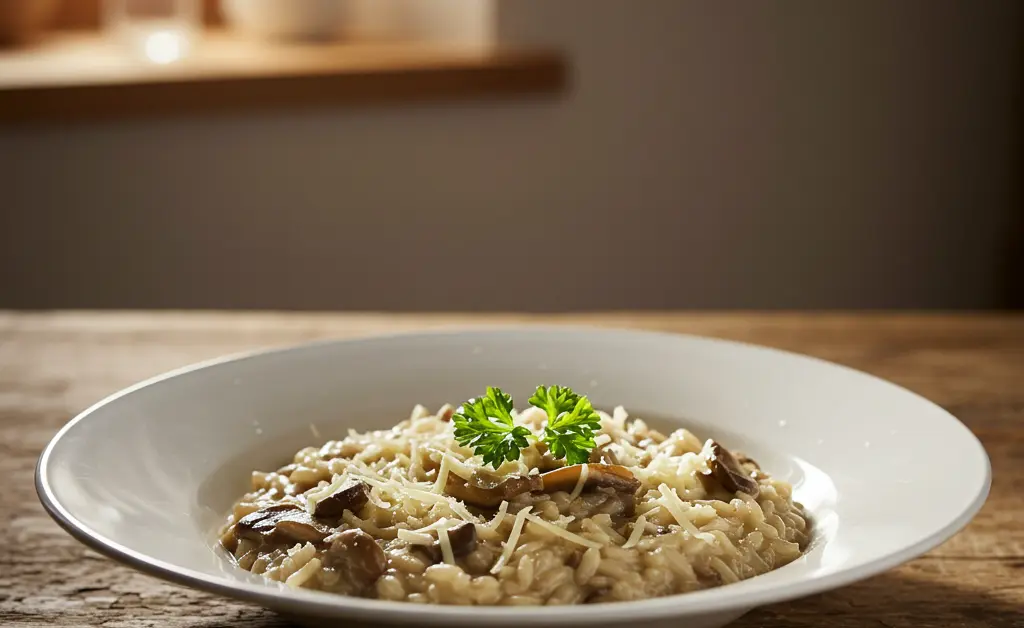
A growing number of home cooks are embracing the joy of crafting elevated culinary experiences in their own kitchens, moving beyond everyday meals to explore dishes that offer depth and tradition. This shift often involves incorporating high-quality, distinctive ingredients to transform simple dinners into memorable occasions. Among these sought-after preparations, the classic porcini mushroom risotto stands out as a prime example of this trend. It represents a delightful convergence of earthy flavors and creamy textures, embodying a passion for authentic Italian cuisine and the art of slow cooking. Mastering this dish allows enthusiasts to bring a touch of gourmet sophistication to their tables, celebrating the rich heritage of Italian gastronomy with every satisfying spoonful.
Porcini Mushroom Risotto: An Overview
Porcini mushroom risotto is more than just a dish; it is a culinary experience deeply rooted in Italian tradition. This Italian classic showcases the rich, earthy taste of porcini mushrooms combined with the creamy texture of perfectly cooked rice, resulting in a harmonious and comforting meal. Understanding the essence of this dish involves appreciating its authentic preparation methods and the subtle nuances that elevate it from a simple rice dish to a gourmet masterpiece. Exploring other mushroom cooking techniques, such as a pan-fried king oyster mushroom recipe, can also broaden culinary horizons.
True Italian Porcini Mushroom Risotto Style
What defines a true Italian porcini mushroom risotto style is a combination of meticulous technique and respect for quality ingredients. The traditional method emphasizes a slow, gradual cooking process, where warm broth is added incrementally to release the starch from the rice, creating a naturally creamy consistency without the need for heavy cream. The final step, known as Mantecatura, involves vigorously stirring in butter and Parmesan cheese off the heat, resulting in a luscious, almost flowing texture. This approach ensures that the earthy taste of the porcini mushrooms remains the star of the dish, complemented by the rich flavor of the other components.
Seasonal Considerations for Porcini Mushroom Risotto
Porcini mushrooms, renowned for their distinctive umami and nutty flavor, are typically harvested in late summer and autumn. During these peak seasons, fresh porcini mushrooms offer an unparalleled sensory experience with their firm texture and intense aroma. However, for those outside of these seasons or geographical regions, high-quality dried porcini are an excellent alternative. Rehydrating dried porcini mushrooms provides much of the same rich flavor, making porcini mushroom risotto a dish that can be enjoyed year-round. The mushroom soaking liquid from dried porcini also adds significant depth and flavor to the broth, enhancing the overall earthy taste. For comprehensive health information related to diet and nutrition, reliable resources such as the NIH can provide valuable insights.
Key Ingredients for Porcini Mushroom Risotto
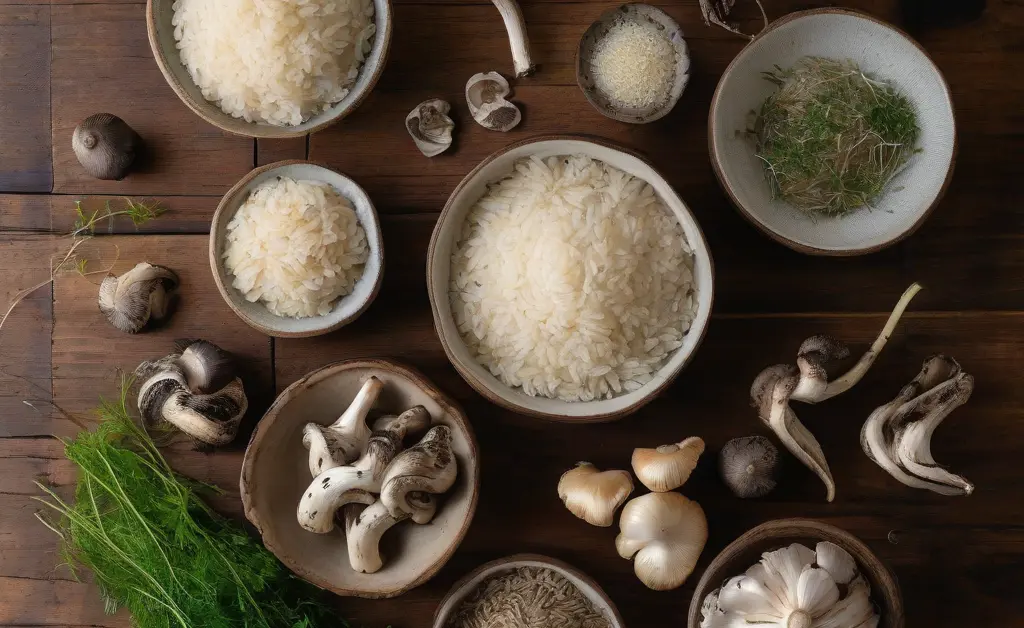
The foundation of a superb porcini mushroom risotto lies in its ingredients. Each component plays a crucial role in building the rich flavor profile and achieving the desired creamy consistency. Selecting high-quality items is paramount for an authentic and satisfying culinary result.
Porcini Mushrooms: Fresh vs. Dried
The choice between fresh porcini and dried porcini mushrooms significantly impacts the dish’s character. Fresh porcini, when available, boast a robust texture and an intense, almost sweet, earthy aroma. They are best when briefly sautéed to preserve their integrity. Dried porcini, on the other hand, offer a concentrated umami punch. They must be rehydrated before use, and the resulting mushroom soaking liquid becomes a valuable flavor enhancer for the broth. While different, both forms contribute distinct, delicious notes to a porcini mushroom risotto. For other fungi-focused meals, you might also consider trying various oyster mushroom recipes.
Selecting the Best Risotto Rice
The type of rice used is critical for achieving the signature creamy texture of risotto. The two most popular choices are arborio rice and carnaroli rice. Arborio rice is widely available and performs well, releasing its starches readily. However, carnaroli rice is often preferred by chefs for its higher starch content, firmer grain, and greater resistance to overcooking, which helps maintain an al dente bite while still producing an incredibly creamy risotto.
Key Flavor Enhancers: Wine, Broth, and Aromatics
Several ingredients work in concert to build the complex flavor base of porcini mushroom risotto. A dry white wine is traditionally used to deglaze the pan after toasting the rice, adding acidity and depth. High-quality chicken broth or vegetable broth is essential, as it is gradually absorbed by the rice, contributing savory notes. Aromatics like finely chopped onion, garlic, or shallots are sautéed until translucent to create a fragrant foundation. Fresh herbs such as parsley or thyme can also be incorporated towards the end for an added layer of flavor.
Finishing Touches: Butter and Parmesan
The final stage of cooking, known as Mantecatura, is where butter and Parmesan cheese (or Grana Padano) are vigorously stirred into the cooked risotto off the heat. This process emulsifies the fats and starches, transforming the dish into an incredibly creamy, luxurious texture. The richness of the butter and the salty, umami notes of the Parmesan are indispensable for completing the authentic flavor and consistency of a traditional porcini mushroom risotto.
Making Porcini Mushroom Risotto: Step-by-Step Recipe
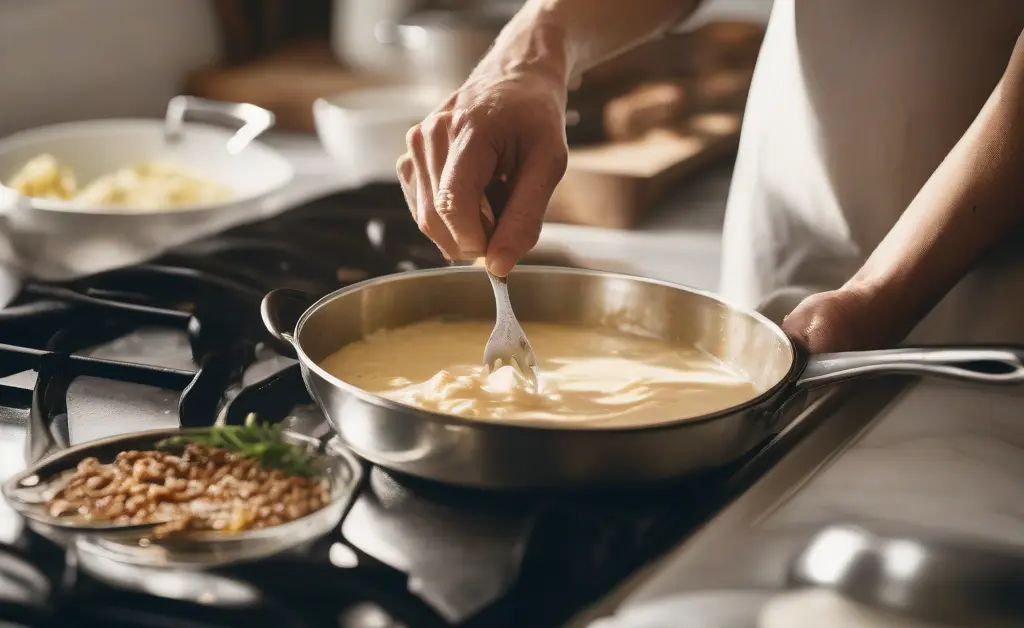
Crafting a delicious porcini mushroom risotto involves a series of traditional steps, each contributing to the dish’s characteristic creamy texture and rich flavor. Following this structured approach helps ensure a perfect outcome every time.
Preparing Dried Porcini Mushrooms
If using dried porcini mushrooms, begin by rehydrating them. Place the dried fungi in a bowl and cover them with very hot, but not boiling, water or broth. Allow them to steep for about 20-30 minutes until soft and pliable. Once rehydrated, carefully remove the mushrooms, reserving the mushroom soaking liquid. Strain this liquid through a fine-mesh sieve or coffee filter to remove any grit, as it will be incorporated into the broth for added depth of flavor.
Building the Flavor Base: Sautéing Aromatics
The foundation of any good risotto starts with a flavorful aromatic base. In a large, heavy-bottomed pot or Dutch oven, heat a generous amount of olive oil over medium heat. Add finely chopped onion, garlic, or shallots and sauté gently until they become translucent and fragrant, typically around 5-7 minutes. If using fresh porcini, add them to the pot with the aromatics and sauté until lightly browned and tender, enhancing their earthy taste.
Toasting the Rice and Deglazing with Wine
Once the aromatics are softened, add the risotto rice (arborio or carnaroli) to the pot. Stir constantly for 2-3 minutes, allowing the grains to toast lightly until they appear translucent around the edges but still opaque in the center. This step helps the rice maintain its structure during cooking. Next, pour in a dry white wine and stir until it is completely absorbed by the rice. This process, called deglazing, adds a layer of acidity and complexity to the porcini mushroom risotto.
Gradual Broth Addition for Creaminess
This is the most crucial step for achieving the signature creamy texture of a porcini mushroom risotto. Ensure your chicken broth or vegetable broth, combined with the strained mushroom soaking liquid, is warm and kept simmering in a separate pot. Begin by adding one ladleful of warm broth to the rice. Stir constantly until the liquid is almost fully absorbed before adding the next ladleful. Continue this process, adding broth gradually and stirring, for about 18-20 minutes, or until the rice is al dente – tender but still with a slight bite in the center. Constant stirring helps release the starches from the rice, creating a rich, creamy sauce.
Mantecaura: Finishing with Butter and Cheese
Once the rice has reached the desired al dente texture and the risotto is beautifully creamy, remove the pot from the heat. This final step, known as Mantecatura, is vital for a truly luxurious porcini mushroom risotto. Add a generous knob of cold butter and a significant amount of freshly grated Parmesan cheese (or Grana Padano). Stir vigorously for a minute or two until the butter and cheese are fully melted and emulsified into the risotto. This creates a silken, glossy texture and a rich, deeply satisfying flavor. Adjust seasoning with salt and pepper as needed before serving immediately.
Achieving the Perfect Porcini Mushroom Risotto
Attaining the perfect consistency and flavor in your porcini mushroom risotto is a rewarding culinary endeavor. It requires attention to detail and an understanding of key techniques that elevate the dish from good to exceptional.
Simplifying the Porcini Mushroom Risotto Process
While often perceived as complex, preparing porcini mushroom risotto can be streamlined with a few practices. Start by ensuring all your ingredients, from the chopped aromatics to the warmed broth and rehydrated dried porcini, are prepped and within easy reach. This mise en place approach allows for a smoother, more focused cooking process, especially during the crucial broth addition phase. Using a sturdy, wide-bottomed pot also helps promote even cooking and evaporation, making the stirring process more efficient. For those exploring plant-based options, a king oyster mushroom vegan recipe offers another delightful culinary adventure.
Achieving the Ideal “Al Dente” Texture
The hallmark of a well-made porcini mushroom risotto is its “al dente” texture. This means the rice grains should be tender on the outside but still have a slight, pleasant resistance when bitten. To achieve this, taste the risotto frequently during the last few minutes of cooking. Stop adding broth and remove the risotto from the heat just as the rice reaches this perfect texture. The risotto should still be a bit soupy at this stage, as it will continue to thicken slightly as it rests and during the Mantecatura step. Overcooking can lead to mushy rice, so precision in timing is key.
Variations and Serving Suggestions for Porcini Mushroom Risotto

While a classic porcini mushroom risotto is a delight on its own, there are many ways to adapt and serve this versatile dish. For instance, consider a porcini mushroom risotto with chicken for a heartier meal, where cooked chicken pieces can be gently folded in at the end. Another popular option is a vegetarian risotto, which can be enhanced by adding fresh spinach or other seasonal vegetables during the last few minutes of cooking, creating a porcini mushroom and spinach risotto. The addition of different herbs like fresh thyme or rosemary can also introduce new aromatic dimensions. For those who enjoy rich mushroom flavors in pasta, consider trying a porcini mushroom bolognese.
When serving, a simple garnish of fresh parsley or additional grated Parmesan cheese is often all that’s needed. Porcini mushroom risotto pairs wonderfully with a crisp green salad or a light protein. It can serve as a substantial main course or a sophisticated side dish for roasted meats or poultry. The rich flavor of this Italian classic means it often shines brightest when presented without too many competing elements.
Storing and Reheating Porcini Mushroom Risotto
Leftover porcini mushroom risotto can be stored and reheated, though it’s worth noting that the texture may change slightly upon cooling and reheating. To store, allow the risotto to cool completely, then transfer it to an airtight container and refrigerate promptly. It is generally best consumed within a day or two. For reheating, gently warm the risotto in a saucepan over low heat, adding a splash of chicken broth or vegetable broth, or even a little water, to restore its creamy consistency. Stir constantly until heated through. Avoid microwaving if possible, as it can sometimes dry out the rice unevenly. Reheating slowly on the stovetop helps maintain its desired creamy texture, allowing you to enjoy the rich flavor of your porcini mushroom risotto again.
The information presented in this article is educational and not meant as professional medical counsel. It is intended for general knowledge and informational purposes only, and does not address individual circumstances. It is not a substitute for professional advice and should not be relied on to make decisions of any kind. Always consult with a qualified professional for any health concerns or before making any decisions related to your health or well-being.
FAQ
How do you rehydrate dried porcini mushrooms for risotto?
Place the dried mushrooms in a bowl and cover them with hot, but not boiling, water or broth. This gentle rehydration allows the mushrooms to soften without losing their flavor, and the resulting liquid becomes a deeply flavored stock for your dish. After about 20-30 minutes, they will be plump, and the soaking liquid can be carefully strained and reserved for cooking.
What is the best rice to use for porcini mushroom risotto?
Arborio rice is widely recognized as ideal for risotto due to its high starch content and ability to absorb liquid while maintaining a slight chewiness in its core. Carnaroli is another excellent choice, often preferred by chefs for its superior texture and less tendency to overcook, contributing significantly to the dish’s creamy consistency. Both varieties play a crucial role in achieving the signature rich and velvety texture of a well-made risotto.
Can I make porcini mushroom risotto without white wine?
Absolutely; the white wine primarily adds acidity and a layer of subtle complexity to the flavor profile, which can be achieved through other means. You can substitute it with an equal amount of quality vegetable or chicken broth, or even some of the reserved mushroom soaking liquid, to ensure your risotto still develops a rich depth. A splash of lemon juice or a tiny bit of white wine vinegar added near the end of cooking can also mimic the wine’s brightness effectively.
How do I make my risotto creamy without heavy cream?
The inherent creaminess of risotto comes primarily from the natural starches released by the rice grains as they are stirred during cooking. This continuous agitation emulsifies the starches with the cooking liquid and fat, creating a naturally velvety texture. Finishing the dish by vigorously stirring in a generous knob of butter and freshly grated hard cheese like Parmigiano-Reggiano, a technique known as “mantecatura,” further enhances this luxurious, rich mouthfeel without the need for cream.
What are the traditional ingredients in porcini mushroom risotto?
Classic porcini mushroom risotto typically features rehydrated dried porcini, high-starch rice like Arborio or Carnaroli, finely chopped onion or shallots, and garlic as its aromatic base. It traditionally includes white wine, a generous amount of hot broth, and is finished with butter and freshly grated Parmigiano-Reggiano cheese for richness. Fresh parsley is often added at the very end as a fragrant garnish.
How long does porcini mushroom risotto take to cook?
From sautéing the aromatics to achieving al dente rice, porcini mushroom risotto generally takes approximately 25 to 35 minutes of active cooking time. The process involves gradually adding hot broth, allowing each addition to be absorbed while stirring consistently, which is essential for developing the characteristic creamy texture. This patient, step-by-step approach ensures the rice cooks evenly and releases its starches effectively.