
Crafting the Perfect Porcini Mushroom Sauce
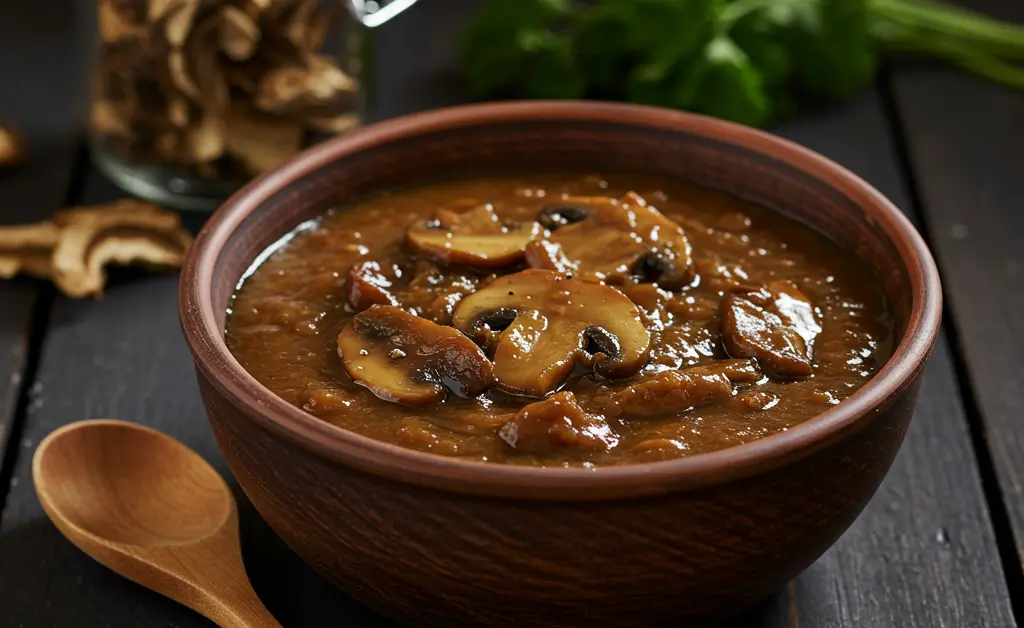
Dried mushrooms are a staple in many pantries for their concentrated flavor. Among the most prized are porcini, known for their deep, earthy, and nutty character that intensifies when dried. This unique profile is the foundation for one of Italy’s most beloved culinary creations. Learning to prepare a classic porcini mushroom sauce unlocks a new level of richness that can elevate simple dishes, from fresh pasta and gnocchi to grilled steak and creamy polenta. While it may sound complex, the process is straightforward, relying on a few high-quality ingredients and proper technique. This guide provides the essential steps and tips for creating a perfectly balanced and flavorful sauce that captures the essence of this exceptional mushroom.
What is Porcini Mushroom Sauce?
A porcini mushroom sauce is a classic culinary preparation, deeply rooted in Italian cuisine, where it is often known as “sugo di porcini.” It is celebrated for its profound, savory flavor derived from porcini mushrooms, a wild fungus scientifically named Boletus edulis. The sauce typically has a rich and often creamy texture, built upon a base of rehydrated dried porcini, aromatics like garlic and shallots, and frequently enriched with heavy cream, butter, and sometimes a splash of white wine or sherry. Its gourmet reputation comes from the unique and intense character of the porcini mushroom, which imparts a complex umami taste that cannot be easily replicated with more common mushroom varieties. For general food safety guidelines and regulations, refer to the FDA.
What Does Porcini Sauce Taste Like?
The flavor profile of a porcini sauce is its most defining feature. It is intensely earthy and woodsy, with distinct nutty undertones and a powerful savory depth. The drying process concentrates the natural glutamates in the mushrooms, resulting in a significant umami characteristic that is both complex and satisfying. When prepared with cream, the sauce gains a velvety texture that balances the mushroom’s intensity, creating a silky and luxurious mouthfeel. The overall taste is robust and memorable, transforming simple ingredients into a sophisticated dish.
Porcini Mushroom Sauce Recipe
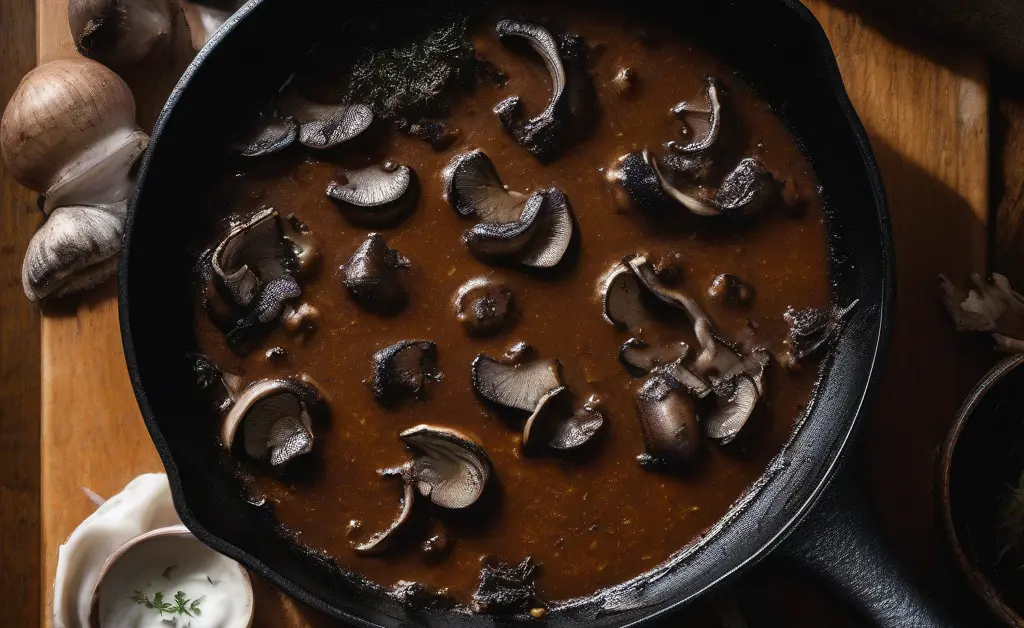
A successful porcini mushroom sauce recipe is less about a rigid list of measurements and more about understanding the culinary technique. The core process is universal: you begin by awakening the intense flavor of dried porcini mushrooms through rehydration. Next, you build a foundation of flavor by sautéing aromatics. The rehydrated mushrooms are then added and cooked to deepen their taste before the liquids—typically the mushroom soaking water, cream, and perhaps some wine—are introduced. Finally, the sauce is simmered gently, allowing the flavors to meld and the consistency to become perfectly rich and velvety. Mastering this method allows for endless variation and consistently delicious results.
Ingredients for Creamy Porcini Sauce
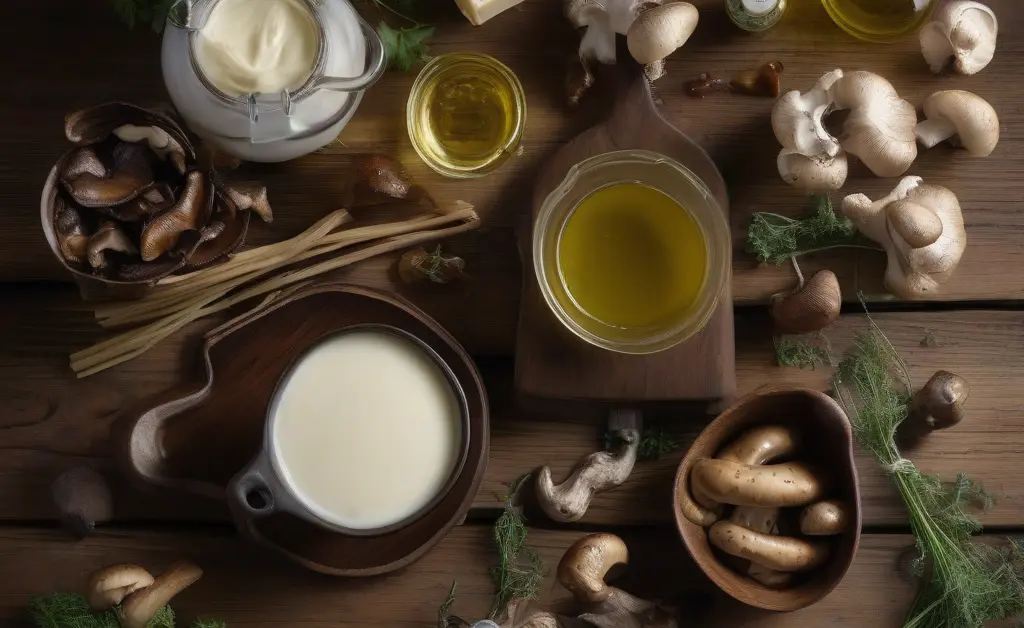
The quality of a creamy porcini sauce is a direct reflection of its ingredients. Because the recipe is relatively simple, each component plays a crucial role in the final outcome. High-quality dried porcini are non-negotiable, as they provide the sauce’s signature flavor. Supporting ingredients should be chosen to complement, not overpower, the mushrooms. This includes fresh aromatics, good-quality fats like unsalted butter and olive oil, and a rich dairy component such as heavy cream. A splash of dry white wine or sherry can add a layer of acidity and complexity, while fresh herbs like parsley or thyme provide a bright finishing note. For diverse culinary applications, exploring various oyster mushroom recipes can expand one’s cooking repertoire.
Fresh vs. Dried Porcini: What You Need to Know
The choice between fresh and dried porcini significantly impacts the final sauce. Fresh porcini, when available, are a seasonal delicacy with a firm texture and a milder, more delicate earthy flavor. They are wonderful when simply sautéed but can get lost in a complex cream sauce.
Dried porcini, on the other hand, are the standard for creating a classic sauce. The dehydration process fundamentally changes the mushroom, concentrating its flavors and creating the deep, nutty, and umami-rich profile that porcini are famous for. This intensity is ideal for a sauce, as the flavor permeates the entire dish. Furthermore, the liquid used to rehydrate dried porcini becomes a flavorful mushroom stock, an essential ingredient for achieving authentic depth.
Key Sauce Components: Dried Porcini, Cream, and Aromatics
The soul of this sauce lies in a trio of essential components. First and foremost are the dried porcini mushrooms, which serve as the flavor backbone. Their concentrated, earthy essence is the defining characteristic of the dish.
Next is the cream. Heavy cream, or a similar high-fat dairy, contributes a luscious, velvety texture that coats pasta or meat beautifully. It also mellows the intense mushroom flavor, creating a more balanced and rounded sauce. Its richness turns a simple mushroom preparation into a luxurious experience.
Finally, aromatics provide the foundational flavor layer. Finely minced onion or shallots, along with garlic, are gently sautéed in butter or olive oil to build a sweet and savory base. This initial step coaxes out their subtle flavors, which perfectly complement the robust character of the porcini.
How to Make Porcini Mushroom Sauce: Step-by-Step
Creating an authentic and delicious porcini mushroom sauce involves a sequence of simple but important steps. Each stage is designed to build layers of flavor, resulting in a cohesive and rich final product. From properly preparing the mushrooms to simmering the sauce to perfection, following this process ensures a consistently excellent result that captures the essence of this celebrated mushroom. This step-by-step guide breaks down the technique into manageable actions.
Step 1: Rehydrate the Dried Porcini Mushrooms
The first and most critical step is to rehydrate the dried porcini. Place the mushrooms in a bowl and cover them with hot, but not boiling, water or a light vegetable broth. The liquid should be just enough to submerge them completely. Allow them to soak until they are soft and pliable. This process not only reconstitutes the mushrooms but also creates a deeply flavorful mushroom soaking liquid. Once the mushrooms are soft, lift them out of the liquid, gently squeezing any excess back into the bowl. Be sure to reserve this precious liquid for later use in the sauce.
Step 2: Sauté the Aromatics and Mushrooms
With the mushrooms rehydrated, the next step is to build the sauce’s aromatic base. In a skillet over medium heat, melt unsalted butter or heat olive oil. Add your chosen aromatics, such as finely chopped shallots, onion, or garlic, and sauté gently until they become soft and fragrant, but not browned. Finely chop the rehydrated porcini and add them to the pan. Continue to sauté for several minutes, allowing the mushrooms to release their aroma and their flavor to deepen through the cooking process.
Step 3: Create the Creamy Sauce Base
Once the mushrooms and aromatics are well-sautéed, it’s time to create the liquid base of the sauce. If using, deglaze the pan by adding a splash of dry white wine, sherry, or cognac, scraping up any flavorful browned bits from the bottom of the pan as the alcohol cooks off. Next, carefully pour the reserved mushroom soaking liquid into the skillet, passing it through a fine-mesh sieve or a coffee filter to leave behind any grit or sediment. Finally, stir in the heavy cream to create the rich and velvety foundation of the sauce.
Step 4: Simmer and Combine
Bring the sauce to a gentle simmer over low to medium heat. Allowing the sauce to bubble gently is crucial for two reasons: it helps the flavors meld together into a harmonious whole, and it allows the sauce to reduce and thicken naturally. Continue to simmer until the sauce has reached your desired consistency—it should be thick enough to coat the back of a spoon. During this final stage, season the sauce with salt and freshly ground black pepper to taste. For a finishing touch, stir in some freshly chopped parsley or thyme.
Tips for the Perfect Sauce Consistency and Flavor
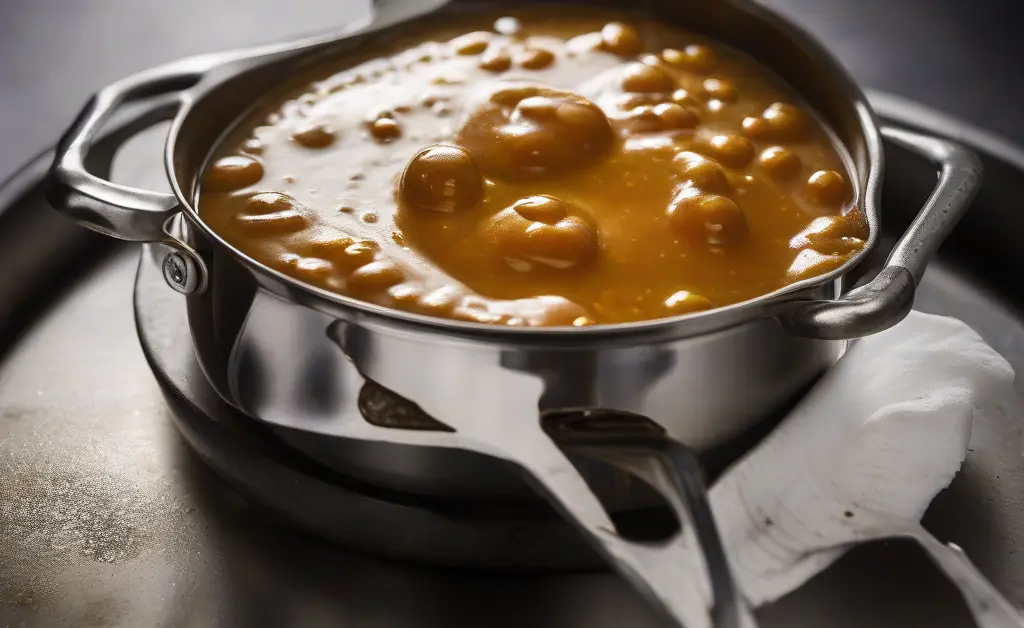
Perfecting your porcini mushroom sauce comes down to managing its two most important qualities: flavor and texture. Achieving the ideal balance where the sauce is intensely flavorful without being overwhelming, and creamy without being watery, involves a few key techniques. Attention to detail, especially regarding the mushroom soaking liquid and the simmering process, can elevate your sauce from good to truly exceptional.
Using the Mushroom Soaking Liquid for Rich Flavor
The soaking liquid from the dried porcini is an indispensable ingredient, often referred to as “liquid gold” by chefs. It contains a tremendous amount of the mushroom’s water-soluble flavor compounds, contributing a depth and umami that cannot be achieved with water or standard broth alone. To use it effectively, always strain it through a fine sieve or cheesecloth to remove any residual grit from the mushrooms. Adding this strained liquid to your sauce base provides an unparalleled layer of authentic, rich flavor.
Achieving a Rich, Not Watery, Sauce
A common pitfall is a sauce that tastes good but has a thin, watery consistency. The primary technique to avoid this is reduction. Simmering the sauce allows excess water from the cream and mushroom liquid to evaporate, which naturally thickens the sauce and concentrates its flavors. Be patient and let it reduce to the desired richness. Additionally, using full-fat heavy cream provides a better texture than lighter creams. For an extra touch of thickness and flavor, adding finely grated Parmesan cheese toward the end of cooking will help bind the sauce and add another layer of savory complexity.
Best Ways to Serve Porcini Mushroom Sauce
The versatility of porcini mushroom sauce allows it to be paired with a wide array of dishes, each highlighting its luxurious character in a different way. While most famously served with pasta, its applications extend to gnocchi, polenta, and various proteins. The key is to pair it with components that can stand up to its rich flavor without being completely overshadowed. This makes it a go-to for elevating simple weeknight meals or creating a show-stopping course for a special occasion. For a more unconventional mushroom dish, an oyster mushroom tacos recipe offers a unique and flavorful alternative.
Classic pasta pairings are a natural fit. Wide, flat noodles like pappardelle, tagliatelle, or fettuccine are ideal, as their broad surface area captures the creamy sauce perfectly. Tube-shaped pasta like rigatoni or paccheri also works well. Additionally, this sauce is exceptional with filled pasta, such as cheese or meat ravioli, where it acts as a rich, complementary coating. A delicious king oyster mushroom pasta recipe can also provide a delightful variation for pasta lovers.
Beyond pasta, the sauce is stunning when ladled over soft, creamy polenta or potato gnocchi, creating a comforting and deeply satisfying meal. It also serves as an elegant sauce for proteins. Drizzle it over a perfectly grilled steak, seared pork chops, or roasted chicken breast to add a gourmet touch. Its earthy notes pair beautifully with the savory character of cooked meats. For an impressive main course, consider preparing a sophisticated porcini mushroom wellington.
Making a classic porcini sauce is a rewarding culinary skill that transforms a humble pantry staple into a dish of remarkable depth and elegance. By focusing on high-quality dried porcini, respecting the flavor of the soaking liquid, and patiently building layers of flavor, anyone can master this Italian classic. Whether draped over fresh pasta, spooned onto creamy polenta, or served alongside a grilled steak, this sauce has the power to turn any meal into a memorable experience.
not applicable
FAQ
What is porcini mushroom sauce made of?
A classic porcini mushroom sauce typically features rehydrated dried porcini mushrooms as its star ingredient, bringing an earthy depth of flavor. These are often sautéed with aromatics like garlic and shallots, then simmered in a liquid base such as broth, cream, or wine, sometimes finished with fresh herbs or Parmesan cheese for richness.
Do you need to soak dried porcini mushrooms before cooking?
Soaking dried porcini mushrooms before cooking is important to rehydrate them, allowing them to regain their texture and plumpness. This process also helps to clean them of any residual grit, and the flavorful soaking liquid can then be strained and incorporated into your dish to deepen its taste.
How do you make porcini sauce thicker?
To achieve a thicker consistency in your porcini sauce, you can gently simmer it uncovered for a longer period, allowing the liquid to reduce naturally and concentrate the flavors. Alternatively, a small amount of a starch slurry, like cornstarch or flour mixed with cold water, can be whisked in gradually at the end, or you could puree a portion of the sauce to naturally thicken it.
Can you use fresh porcini instead of dried for sauce?
Yes, fresh porcini mushrooms can certainly be used for sauce, offering a delicate texture and a more subtle, nutty flavor compared to their dried counterparts. However, fresh porcini have a higher water content and a less concentrated taste, so you might need to use a larger quantity and sauté them longer to achieve a similar depth of flavor and texture.