
Health Concerns and the Portobello Mushroom Controversy

For many years, portobello mushrooms have been a culinary staple, often praised for their earthy flavor and meat-like texture, commonly perceived as a straightforward healthy food. However, as public awareness surrounding food safety and natural compounds has evolved, a significant shift in perspective has emerged. What was once largely unquestioned is now the subject of increasing scrutiny, leading to the portobello mushroom controversy. This shift moves consumers from simple enjoyment to a more critical examination of these popular fungi. This article aims to clarify the concerns, examine the scientific evidence, and provide a balanced view, allowing readers to make informed dietary choices about incorporating portobello mushrooms into their meals.
Portobello Mushroom Controversy Explained
Defining the Portobello Mushroom
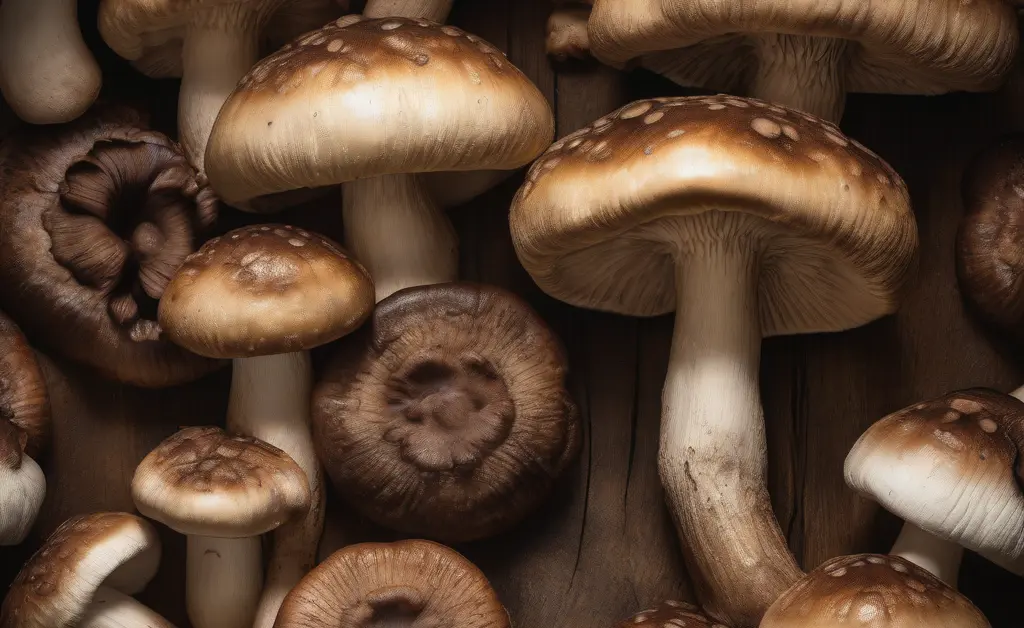
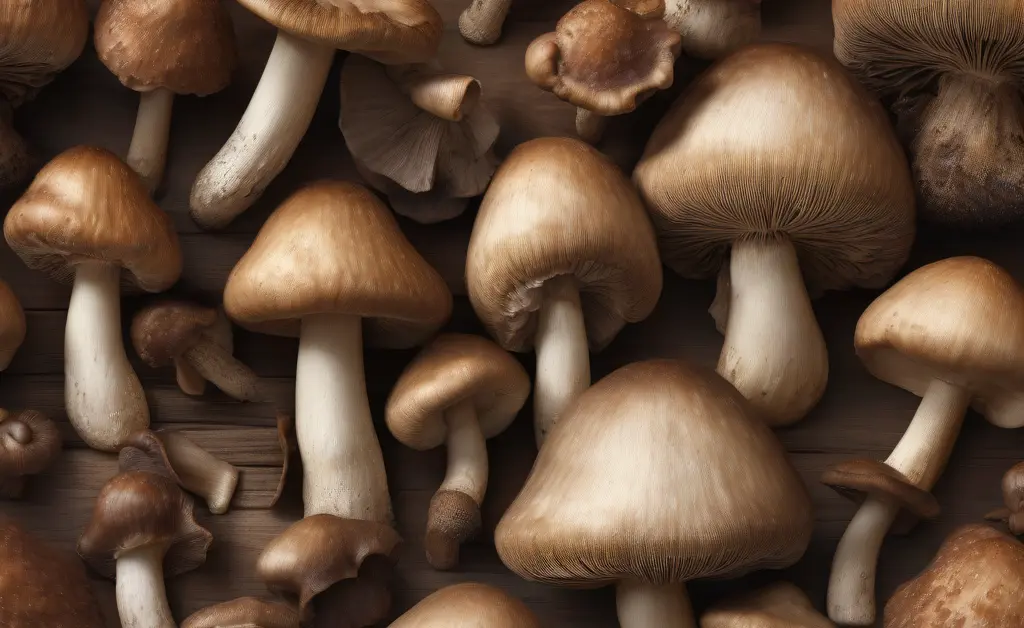
Portobello mushrooms are simply mature cremini mushrooms, which are themselves a variety of the common button mushroom (Agaricus bisporus). They are characterized by their large, open caps, rich earthy flavor, and meaty texture, making them a popular ingredient in vegetarian and vegan cuisine as a meat substitute, or grilled and roasted as a side dish. Their widespread availability and culinary versatility have made them a supermarket staple for decades.
Origins of the Controversy
The origins of the concerns surrounding portobello mushrooms can be traced back to scientific research conducted primarily in the mid to late 20th century. These studies began to identify naturally occurring compounds within various fungi, including Agaricus bisporus. Over time, as information about food compounds and their potential effects on health became more accessible, public interest grew. The discussions intensified through various channels, from academic circles to health-conscious communities, eventually culminating in the ongoing portobello mushroom controversy that prompts closer examination of these popular fungi.
Understanding the Portobello Mushroom Controversy
Allegations and Concerns About Portobello Mushrooms
At the heart of the portobello mushroom controversy are allegations regarding certain naturally occurring compounds found within the mushroom. While widely consumed and generally regarded as safe, some researchers and health advocates have raised questions about the potential long-term effects of these compounds. The primary concerns revolve around substances that, in various scientific contexts, have shown properties that warrant further investigation regarding human health implications. This is a subject that has also been discussed in relation to king oyster mushroom side effects.
Concerns About Toxic Compounds
The primary focus of health concerns related to portobello mushrooms centers on the presence of certain naturally occurring compounds. These substances, which are also found in other mushroom varieties, have been subjects of scientific study for many years. While present in varying concentrations, the discussions often highlight their potential biological activity and the need for a comprehensive understanding of their effects when consumed regularly as part of a human diet. This aspect is central to the broader portobello mushroom controversy.
Portobello mushroom hydrazine
Hydrazine derivatives are among the most frequently cited compounds in discussions about portobello mushrooms. While hydrazine itself is a highly reactive chemical, in mushrooms, it refers to a group of related substances, notably agaritine and its metabolites. Early studies involving these compounds, often in isolated and concentrated forms, raised questions about their potential effects. The debate often revolves around the amount of these substances present in a typical serving of cooked portobello mushrooms and their bioavailability or transformation within the human body. Some of these concerns are also relevant when considering king oyster mushroom gone bad, as spoilage can introduce other compounds.
What does agaritine do to the body?
Agaritine is a naturally occurring phenylhydrazine derivative found in various species of Agaricus mushrooms, including portobello. In its raw form, agaritine is considered a prodrug, meaning it can be metabolized into other compounds within the body. Some of these metabolites, particularly certain hydrazines, have shown mutagenic or carcinogenic potential in isolated cell cultures or animal studies when administered in high concentrations. However, the extent to which this translates to human health risks from consuming prepared portobello mushrooms, where cooking processes can significantly reduce agaritine levels, remains a complex area of research.
Possible Cancer Risks
The discussion around possible cancer risks associated with portobello mushrooms stems primarily from early animal studies and in-vitro research on agaritine and its breakdown products. These studies indicated that high doses of certain hydrazine derivatives could potentially contribute to tumor development in laboratory animals. However, it’s crucial to acknowledge that these studies often involved significantly higher concentrations of the compounds than those found in typical human consumption of portobello mushrooms. Furthermore, the effects of these compounds in raw versus cooked mushrooms are different, with cooking generally believed to reduce the levels of agaritine. The scientific community generally agrees that more comprehensive epidemiological studies on human populations consuming portobello mushrooms as part of a varied diet are needed to draw definitive conclusions about long-term cancer risks. It is also important to review potential portobello mushroom health risks for a complete understanding.
Potential Explanations for the Controversy
The persistent portobello mushroom controversy is fueled by a confluence of factors, ranging from scientific findings to industry perspectives and public communication. Understanding these various angles helps to clarify why the discussion continues to be a point of contention.
The Role of Paul Stamets
Mycology expert Paul Stamets has been a notable figure in discussions surrounding certain mushroom compounds. While renowned for his advocacy of beneficial fungi, he has also voiced concerns regarding the consumption of raw or undercooked common edible mushrooms, including those in the Agaricus genus like portobellos. His public statements, often drawing from scientific literature on agaritine, have contributed to the broader awareness and debate around the potential risks, influencing public perception and adding another layer to the ongoing discussion.
Reasons for Silence or Limited Information
One aspect of the portobello mushroom controversy involves the perceived silence or limited information from certain sectors. There are various reasons why comprehensive data or clear directives might not be widely available. Sometimes, it can be attributed to the complexity of scientific research, where definitive conclusions require extensive, long-term human studies that are difficult to conduct. Additionally, commercial interests might influence the public discourse, as explicit warnings could impact sales. This can lead to questions about industry practices, including “Industry Secrets and Non-Disclosure Agreements,” and prompts inquiries like “What secrets might the mushroom industry be hiding?”
What Mushroom Industry Experts Say
Mushroom industry experts typically emphasize the extensive history of safe consumption of Agaricus bisporus varieties, including portobellos, worldwide. They often highlight that cooking significantly reduces levels of compounds like agaritine and point to the nutritional benefits of mushrooms, such as their vitamins, minerals, and fiber content. Industry perspectives frequently underscore that the concerns are often based on outdated research methods or studies involving unnaturally high concentrations of isolated compounds, rather than real-world dietary intake. They encourage a balanced view, citing existing “Industry Perspectives and Scientific Evidence” that supports the safety of cooked mushrooms.
Review of Scientific Studies
A review of scientific studies on portobello mushrooms reveals a nuanced picture. While early research, predominantly in the mid-20th century, identified compounds like agaritine and their theoretical toxicity in concentrated forms, more recent studies tend to focus on the impact of preparation methods and actual human consumption patterns. Many contemporary analyses suggest that cooking methods such as boiling, sautéing, or grilling can substantially reduce agaritine levels in mushrooms. However, the exact reduction varies depending on cooking time and temperature. There remains a call for more extensive human epidemiological studies to definitively assess any long-term health implications from typical consumption of cooked portobello mushrooms. For those considering specific mushroom types during pregnancy, information on king oyster mushroom for pregnancy is also relevant.
Regulatory Standards and Food Safety
Regulatory bodies around the world approach naturally occurring compounds in food with varying standards. For portobello mushrooms, existing food safety regulations generally deem them safe for consumption, particularly when cooked. This stance is often based on an assessment of historical consumption data and current scientific understanding, which typically does not show significant risk from dietary intake. These standards reflect a balance between theoretical risks identified in laboratory settings and practical, real-world consumption patterns, focusing on the overall safety of the food supply. For broader information on food safety, resources from the nhs.uk are available.
Evaluating Sources of Information
Navigating the various claims and counter-claims surrounding the portobello mushroom controversy requires careful evaluation of information sources. It’s important to consider the scientific rigor of studies, looking for peer-reviewed research and reputable institutions. Distinguishing between sensationalized headlines and factual reporting is key. Consumers should seek balanced perspectives from health organizations, academic experts, and reliable nutritionists. When faced with conflicting information, asking “Where can I find reliable information about portobello mushrooms?” and considering broader questions about “Navigating the Information Landscape on Portobello Mushrooms” can help individuals make informed decisions.
Making Informed Dietary Choices
Given the complexity of the portobello mushroom controversy, making informed dietary choices involves considering all available information. This means acknowledging the scientific findings regarding naturally occurring compounds while also recognizing the extensive history of safe consumption and nutritional benefits of cooked portobello mushrooms. Individuals may choose to prioritize cooking mushrooms thoroughly to reduce levels of certain compounds. A balanced approach suggests incorporating portobello mushrooms as part of a varied diet, rather than relying on them as a sole food source, and consulting with healthcare professionals if specific dietary concerns arise.
The portobello mushroom controversy highlights the continuous evolution of our understanding of food and health. While questions persist regarding naturally occurring compounds, the current scientific consensus suggests that cooked portobello mushrooms can be part of a balanced diet for most individuals. Consumers are encouraged to stay informed by critically evaluating information, considering expert advice, and making dietary choices that align with their personal health goals and preferences.
It is important to note that this content is not intended as medical advice. The information provided is for general knowledge and informational purposes only, and does not constitute a recommendation for any medical or health condition. Always seek the advice of a qualified healthcare professional for any questions you may have regarding a medical condition or treatment.
FAQ
What is the portobello mushroom controversy?
The portobello mushroom controversy stems from a misunderstanding about whether this common culinary mushroom, scientifically known as *Agaricus bisporus*, is inherently problematic. This particular strain of mushroom is widely cultivated and consumed without issue, and concerns often arise from misinformation or misinterpretations of scientific studies.
Why are people concerned about portobello mushrooms?
Concerns regarding portobello mushrooms often arise from a confusion with other types of fungi, some of which can indeed be toxic or allergenic. This specific variety, however, is a well-established food source and has been extensively studied and consumed globally for centuries.
Are portobello mushrooms toxic?
No, portobello mushrooms are not toxic. They are a common and safe food item that has been cultivated and eaten for a long time, and they do not contain the harmful compounds found in poisonous wild mushrooms.
Are there cancer risks associated with portobello mushrooms?
There is no scientific evidence linking the consumption of portobello mushrooms to cancer risks. In fact, like many vegetables, they contain antioxidants and beneficial compounds that are relevant to overall health.
Is Paul Stamets involved in the portobello mushroom controversy?
While Paul Stamets is a renowned mycologist who advocates for the benefits of many mushroom species, he is not directly involved in any controversy surrounding portobello mushrooms. His work typically focuses on the medicinal and ecological applications of less common fungi, not on creating controversy around edible varieties.