
The Truth About Portobello Mushroom Safety
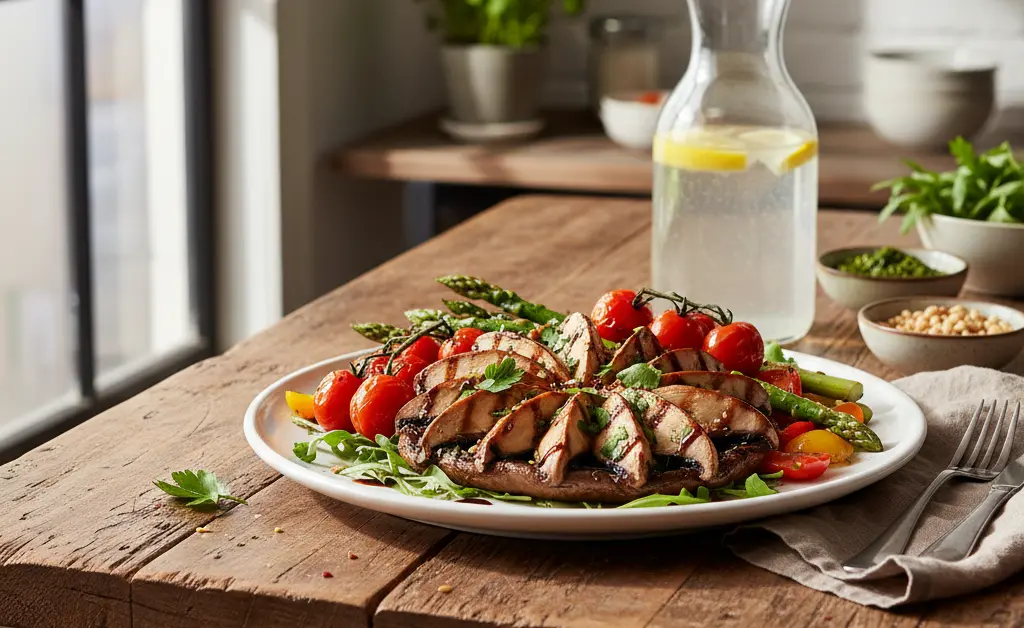
Many people enjoy the versatility and rich flavor of portobello mushrooms, incorporating them into various dishes, from grilling to sautéing. Their meaty texture often makes them a popular substitute for meat in vegetarian and vegan meals. While generally considered a healthy dietary choice, it’s natural for consumers to wonder about the potential downsides. This article aims to explore the various aspects concerning portobello mushroom safety, delving into specific concerns that might arise from their consumption. Understanding the nuances of these fungi is crucial for making informed dietary decisions. We will examine common allergens, environmental factors, and other considerations to provide a comprehensive overview of portobello mushroom health risks and how to mitigate them for safe enjoyment.
Portobello Mushroom Health Risks
While portobello mushrooms are a popular and generally nutritious food, it is important to be aware of certain potential portobello mushroom health risks. These risks are typically low for most individuals who consume them as part of a balanced diet, but understanding them can help ensure safer consumption. Concerns can range from individual sensitivities to environmental factors affecting the mushrooms during growth or handling.
Allergies and Sensitivities to Mushrooms
As with many foods, some individuals may experience allergic reactions or sensitivities to mushrooms, including portobello varieties. Mushroom allergy symptoms can manifest in various ways, such as skin rashes, digestive upset, respiratory issues, or, in rare cases, more severe anaphylactic reactions. Sensitivities might lead to milder symptoms like bloating or discomfort. It is crucial for anyone with a known mushroom allergy to avoid consuming them.
Bacterial Contamination
Mushrooms, like other fresh produce, can be susceptible to bacterial contamination if not handled, stored, or prepared properly. Bacteria such as Listeria or E. coli can potentially be present, especially if mushrooms come into contact with contaminated soil or water during cultivation, or if they are mishandled after harvesting. Thorough washing and cooking practices are important steps to minimize this risk. The NHS provides further guidance on food safety.
Pesticide Residues
In conventional mushroom farming, pesticides may be used to protect crops from pests and diseases. While regulatory bodies set limits for pesticide residues, some consumers prefer to minimize their exposure. Choosing organically grown portobello mushrooms can be a way to potentially reduce concerns about pesticide residues. It’s always advisable to wash all produce thoroughly before consumption.
Potential Health Concerns Associated with Portobello Mushrooms
Beyond immediate contamination, some broader health concerns are occasionally associated with consuming these fungi. Understanding these potential portobello mushroom health risks allows consumers to make informed choices about their dietary habits. It is important to consider both the beneficial aspects and any potential drawbacks that might arise.
Portobello Mushroom Benefits and Side Effects
Portobello mushrooms offer a range of nutritional benefits, including being a good source of B vitamins, selenium, and potassium, and providing dietary fiber. Their low-calorie and nutrient-dense profile makes them a healthy addition to many meals. However, some individuals might experience mild side effects, such as digestive issues like gas or bloating, possibly due to the chitin content in mushroom cell walls, which can be difficult for some to digest. Concerns about compounds like agaritine, a naturally occurring hydrazine derivative, have been raised, though cooking is known to significantly reduce its levels, and studies often suggest that the levels in commercially available mushrooms, when cooked, are unlikely to pose a substantial risk to human health from moderate consumption. While questions about portobello mushroom health risks related to conditions like cancer or liver health are sometimes raised, current scientific evidence generally supports that moderate consumption as part of a balanced diet does not pose significant risks and may even contribute to overall wellness.
Contamination Risks in Mushroom Cultivation and Consumption
The journey of portobello mushrooms from cultivation to your plate involves several stages where various forms of contamination can potentially occur. Addressing these risks is crucial for mitigating overall portobello mushroom health risks. Awareness of these factors helps both growers and consumers ensure a safer product.
Risk Factors for Mycotoxin Exposure
Mycotoxins are toxic compounds naturally produced by certain types of fungi. While commonly associated with grains and nuts, some fungi grown for consumption can also, under specific conditions, develop mycotoxins. Risk factors for mycotoxin exposure in mushrooms include inadequate growing conditions, high humidity, improper harvesting, and poor storage that allows mold growth. Consuming mushrooms that are spoiled, damaged, or stored incorrectly could potentially increase exposure to these compounds. Proper handling, refrigeration, and ensuring mushrooms are fresh are key steps in reducing such risks.
Mycotoxins and Fungi
Mycotoxins represent a specific category of compounds that can pose a health concern related to certain fungi, including some edible varieties under adverse conditions. While not a common issue with fresh, properly handled portobello mushrooms, understanding their nature is an important aspect of a comprehensive view of portobello mushroom health risks.
Understanding Mycotoxins
Mycotoxins are secondary metabolites produced by molds (filamentous fungi). These compounds can develop on various agricultural products, including certain types of mushrooms, typically when the fungi are under stress or growing in suboptimal conditions. The presence of mycotoxins in food products is regulated in many regions due to their potential to cause a range of adverse health effects, depending on the specific mycotoxin, amount consumed, and duration of exposure. While raw or improperly stored fungi might contain varying levels of certain compounds, appropriate cooking and storage practices are generally effective in minimizing potential exposure to mycotoxins in cultivated mushrooms.
Portobello mushrooms are a versatile and nutritious addition to many diets, offering a rich flavor and meaty texture. While generally safe for consumption, understanding potential concerns related to allergies, bacterial contamination, pesticide residues, and mycotoxins is important. By practicing safe handling, thorough washing, and proper cooking, and by sourcing fresh, high-quality mushrooms, consumers can confidently enjoy the culinary benefits of portobello mushrooms while minimizing potential health risks. Informed choices regarding the safe consumption and preparation of portobello mushrooms are key to ensuring they remain a healthy and enjoyable food item. Some people may also wonder if you can eat raw portobello mushroom.
This information should be viewed as educational rather than medical advice. It is intended for general knowledge and understanding only, and does not address individual circumstances. Always consult with a qualified healthcare professional for any health concerns or before making any decisions related to your health or treatment.
FAQ
Are portobello mushrooms bad for you?
Portobello mushrooms are generally considered safe and nutritious when consumed as part of a balanced diet. They offer valuable nutrients like B vitamins and minerals. Potential portobello mushroom health risks are minimal for most individuals and are typically associated with rare allergies or contamination if not properly handled.
What are the side effects of eating portobello mushrooms?
For most people, eating portobello mushrooms does not typically result in adverse side effects. However, some individuals may experience mild digestive upset if they are not accustomed to consuming mushrooms or if the mushrooms are not cooked thoroughly. Allergic reactions, though uncommon, are also a possibility for sensitive individuals.
Can portobello mushrooms cause digestive issues?
Certain compounds in mushrooms, such as chitin, can be difficult for some people to digest, potentially leading to gas or bloating. Consuming large quantities or eating them raw may exacerbate these digestive effects. Thorough cooking can help break down these compounds, making them easier on the digestive system.
Are there any toxins in portobello mushrooms?
Portobello mushrooms themselves do not inherently contain toxins that are harmful to humans. The concern regarding toxins usually arises from potential contamination during cultivation or improper handling, which could introduce harmful bacteria. Always ensure mushrooms are sourced from reputable suppliers and cooked properly.