
The Life Cycle of a Portobello Mushroom
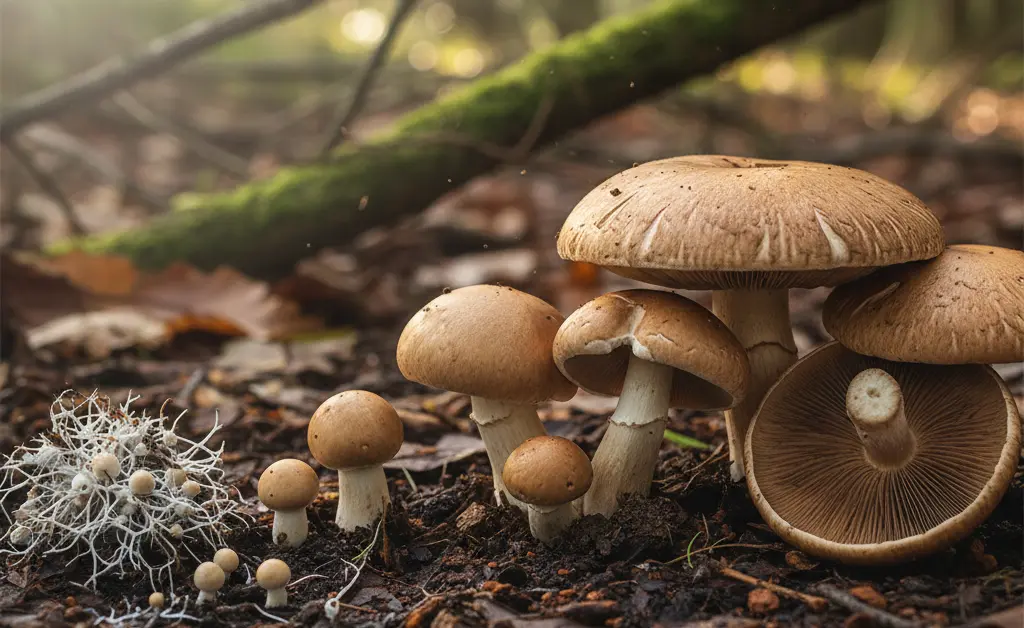
Many home cooks and mushroom enthusiasts often find themselves wondering about the best way to select, store, or even grow portobello mushrooms, sometimes frustrated by their short shelf life or the mystery behind their robust flavor. It can be perplexing to see these substantial fungi appear on supermarket shelves without a clear understanding of their origins or growth. This common uncertainty stems from a lack of insight into the fascinating biological journey these mushrooms undertake. Understanding the intricate portobello mushroom life cycle can transform how you appreciate, choose, and even cultivate them, offering valuable knowledge that goes beyond simple culinary preparation. This article will demystify the stages of their development, from microscopic spores to mature, edible caps, enhancing your connection to this versatile ingredient.
Portobello Mushroom Life Cycle
The Role of Mycelium in the Lifecycle
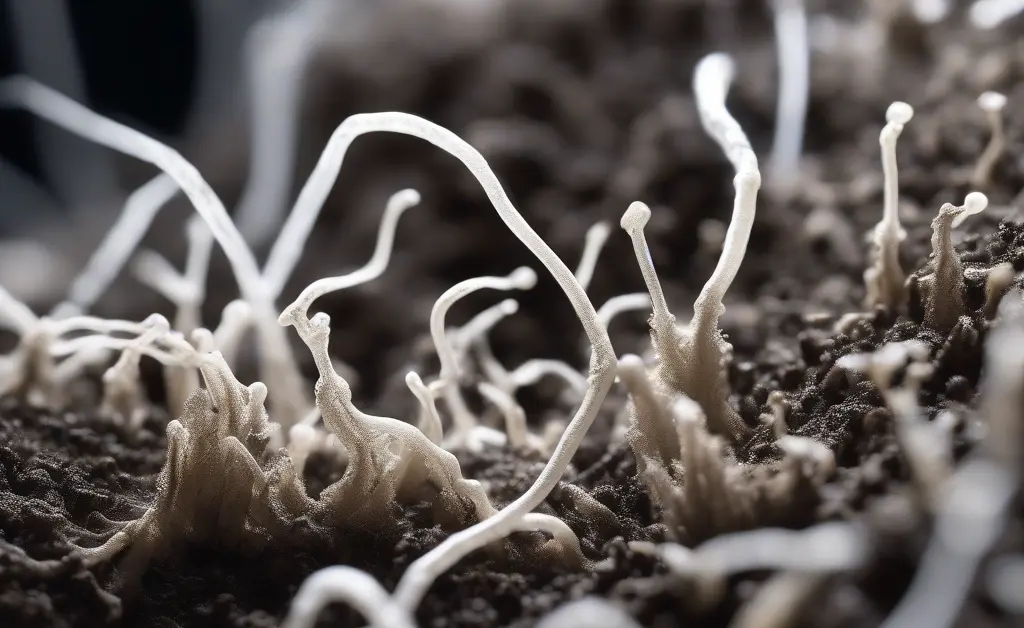
Central to the entire fungal existence, mycelium represents the vegetative part of a mushroom, often compared to the root system of a plant. This intricate network of thread-like structures, known as hyphae, typically grows beneath the surface of the substrate, whether it be soil, wood, or compost. In the portobello mushroom life cycle, the mycelium is responsible for breaking down organic matter and absorbing essential nutrients, acting as the mushroom’s primary feeding mechanism. Without a robust and healthy mycelial network, the subsequent stages of mushroom development cannot occur. It forms the unseen foundation from which the edible portobello mushroom eventually emerges.
Spore Germination and Hyphae Formation
The journey of a portobello mushroom begins with microscopic spores, the fungal equivalent of seeds. These tiny reproductive units are released from the gills of a mature mushroom and dispersed by wind or other means. When a spore lands on a suitable substrate with adequate moisture and nutrients, it germinates. This germination process involves the spore swelling and then producing a slender, filamentous outgrowth called a hypha. Each spore typically gives rise to a single hypha, marking the very first visible step in the mushroom’s growth.
Mycelial Growth and Colonization
Following germination, individual hyphae grow, branch, and intertwine, forming an ever-expanding, intricate network known as mycelium. This white, cottony, or cobweb-like growth actively colonizes the substrate, secreting enzymes that break down complex organic compounds into simpler forms that the mushroom can absorb. The mycelium diligently digests its environment, extracting all necessary nutrients, and establishes a strong presence within the substrate. This colonization phase is critical, as the size and health of the mycelial network directly influence the quantity and quality of mushrooms that will eventually develop. For those interested in cultivation, understanding how to grow oyster mushrooms can provide foundational knowledge applicable to other species.
Pinning and Fruiting Body Development
Once the mycelium has fully colonized its substrate and accumulated sufficient nutrients, and environmental conditions like temperature and humidity are favorable, it enters the “pinning” stage. During pinning, tiny knots of hyphae begin to form on the surface of the mycelial mat. These nascent structures, often called primordia or “pinheads,” are the very first signs of future mushrooms. These pins then gradually expand and differentiate, developing into small, recognizable mushroom shapes. This process is known as fruiting body development, where the undifferentiated hyphae begin to form the distinct cap, stem, and gill structures.
Maturation of the Portobello Cap
As the fruiting bodies develop, they absorb more nutrients and moisture, growing rapidly. The small pins enlarge, and the stem (stipe) and cap become more defined. For a portobello mushroom, this maturation involves the cap expanding significantly, often reaching several inches in diameter. The veil, which initially covers the gills, begins to tear and eventually fully opens, exposing the dark, prominent gills underneath. It’s important to note that a portobello mushroom is essentially a mature cremini mushroom, allowed to grow to its full size, which contributes to its robust flavor and meaty texture. This final stage marks the completion of the visible life cycle, leading to a harvestable and delicious fungus. Many enthusiasts opt for a portobello mushroom grow kit to simplify this process at home.
Portobello Mushroom Growth Stages
Portobello Mushroom Life Cycle Indoors
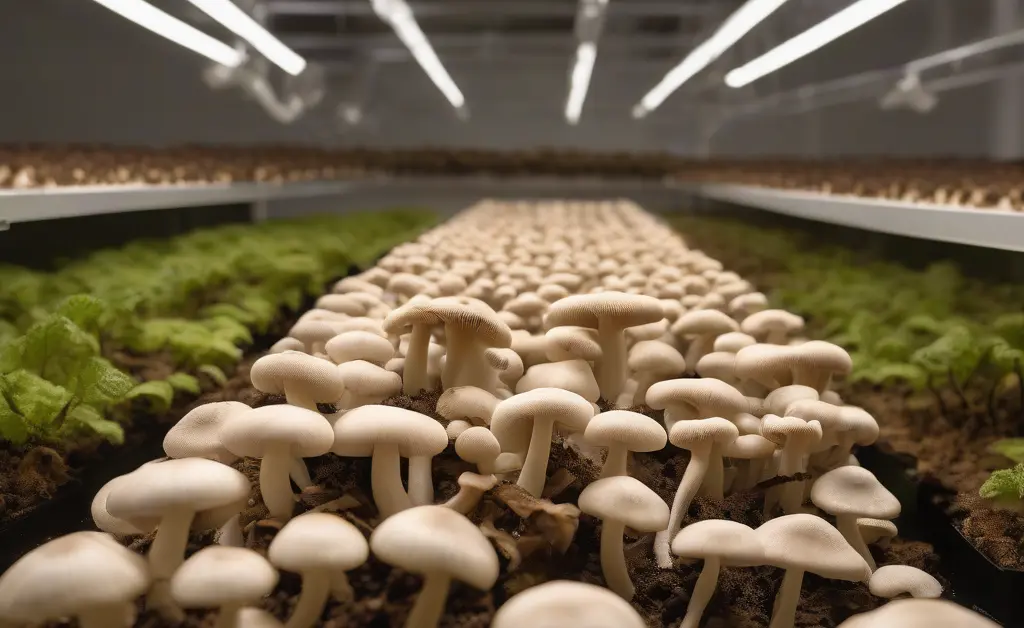
Cultivating the portobello mushroom life cycle indoors offers precise control over environmental factors, allowing growers to optimize conditions for consistent yields. The process typically starts with inoculated substrate, often a blend of composted materials, which the mycelium then colonizes in a dark, warm environment. Once the substrate is fully colonized, it is exposed to conditions that induce pinning, often involving a drop in temperature and an increase in fresh air exchange and humidity. Maintaining appropriate humidity and temperature during the fruiting phase is crucial for the healthy development of the caps. Indoor growers carefully monitor light levels, air circulation, and carbon dioxide concentrations to mimic the ideal conditions for the portobello mushroom life cycle to flourish, ensuring robust maturation and optimal size before harvest.
Understanding the intricate journey of the portobello mushroom, from a microscopic spore to a hearty, mature cap, enhances our appreciation for this versatile fungus. Each stage of its life cycle, from the unseen network of mycelium to the dramatic expansion of its fruiting body, highlights the complexity and efficiency of nature’s processes. Whether you’re a home cook, a budding mycologist, or simply curious, recognizing these growth stages provides valuable insight into how these delicious mushrooms arrive on our plates, inspiring a deeper connection to the food we consume.
Research into fungal biology and development is an ongoing area, with significant contributions from institutions such as the NIH. This scientific exploration aids in understanding various aspects of fungal life, including mushroom growth cycles and potential applications.
This article aims to inform, not to replace professional healthcare advice. The content provided is for general knowledge and informational purposes only, and does not constitute medical advice. Always consult with a qualified healthcare professional for any health concerns or before making any decisions related to your health or well-being.
FAQ
What are the stages of a mushroom’s life cycle?
The life cycle of a mushroom begins with spores, which germinate into a network of thread-like hyphae. These hyphae fuse to form a dikaryotic mycelium, the vegetative part of the fungus. When conditions are favorable, the mycelium develops into a fruiting body, which is the mushroom we see, and eventually releases spores to start the cycle anew.
How long does it take for a portobello mushroom to grow?
From spore to mature mushroom, the entire portobello mushroom life cycle can span several weeks to months, depending on environmental conditions like temperature and humidity. The visible mushroom part, however, can develop and mature much more rapidly once the mycelium has established itself and conditions are right for fruiting.
How do mushrooms reproduce?
Mushrooms reproduce primarily through spores, which are microscopic reproductive units analogous to seeds in plants. These spores are released from the gills or pores of the mature mushroom and, if they land in a suitable environment with adequate moisture and nutrients, will germinate and begin to form new mycelial networks.
What is mycelium?
Mycelium is the vegetative, thread-like structure of a fungus, consisting of a mass of branching hyphae. It serves as the main body of the organism, anchoring the mushroom and absorbing nutrients from its environment, often spreading extensively underground or within a substrate.
How long does it take for a mushroom to grow to full size?
Once the conditions are optimal for fruiting, a mushroom can grow to its full size relatively quickly, sometimes within a matter of days. This rapid growth is fueled by the reserves stored within the well-established mycelial network.