
Identifying Portobello Mushroom Look-Alikes
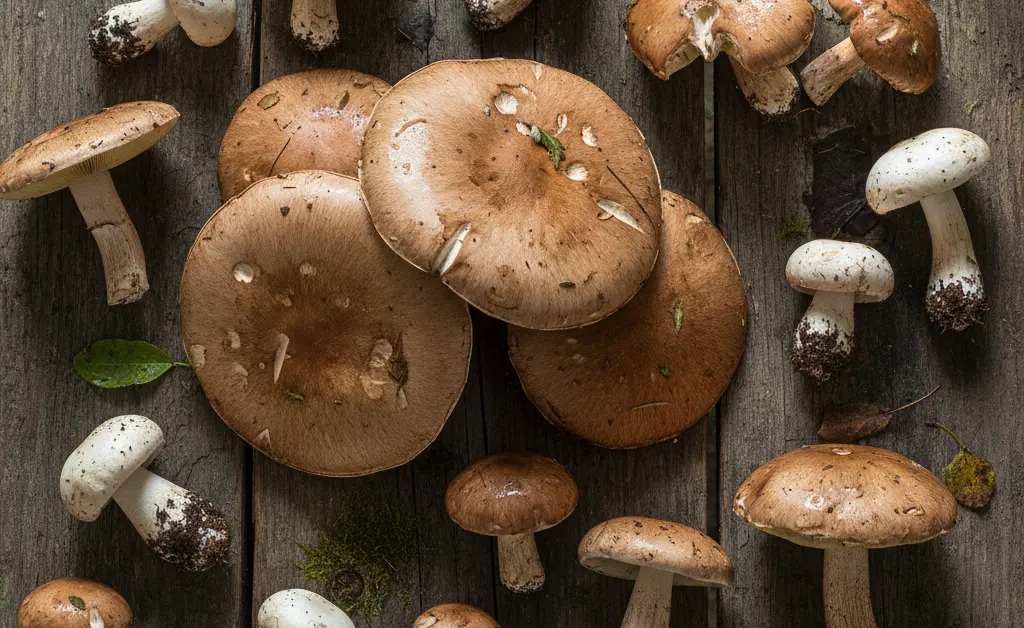
Portobello mushrooms are a culinary staple, celebrated for their rich, earthy flavor and meaty texture, making them a popular choice for everything from grilling to plant-based burgers. However, navigating the world of fungi can sometimes be tricky, as several other mushroom varieties share visual similarities. It’s crucial to distinguish these for both culinary purposes and, more importantly, safety. Understanding the subtle yet significant differences between genuine portobellos and their counterparts ensures you get the flavor profile you expect and avoid potentially harmful confusion. This guide will walk you through common portobello mushroom look alikes, highlighting their critical characteristics so you can confidently identify what’s on your plate or in your basket.
Common Portobello Mushroom Look Alikes Critical Differences and How to Spot Them
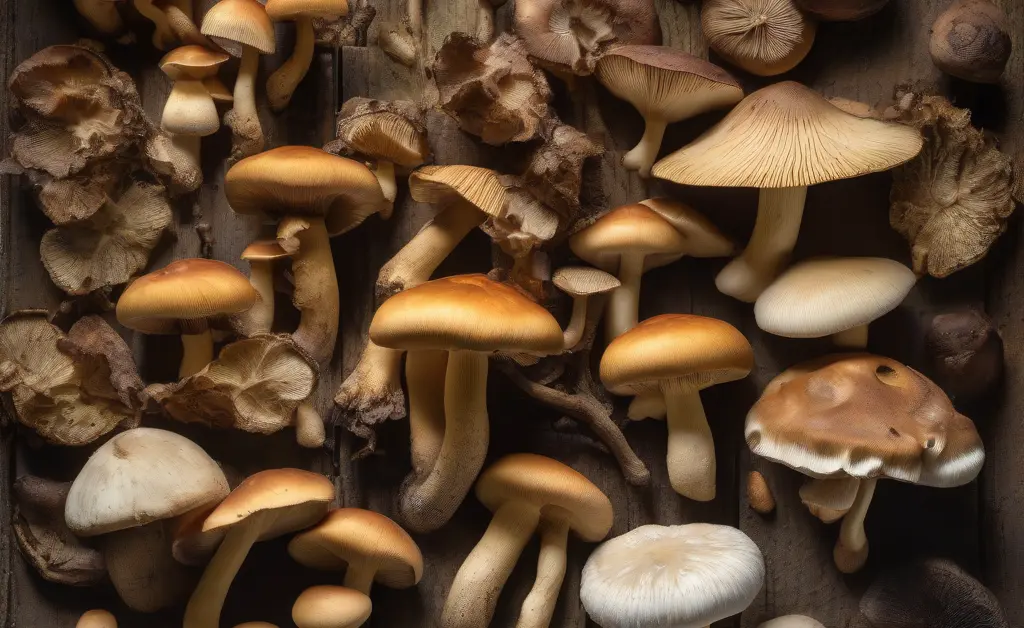
Distinguishing between various fungi that resemble the portobello mushroom requires careful observation of several key features. While many portobello mushroom look alikes are edible and simply represent different stages or varieties of similar species, others can be toxic. Understanding the nuances in cap shape, color, gill structure, stem characteristics, and even spore print can help ensure accurate identification. Foraging for wild mushrooms or even selecting them from a market requires a discerning eye, especially when encountering varieties that bear a resemblance to the familiar portobello. For more information on mushroom identification, resources such as PubMed can be helpful.
Cremini Mushrooms
Cremini mushrooms, often marketed as “baby bellas,” are, in fact, the same species as portobellos—*Agaricus bisporus*—just harvested at an earlier stage of maturity. The primary difference lies in their size and the development of their cap and gills. Creminis typically have a smaller, firmer cap, ranging from light brown to a darker earthy tone. Their gills are usually a lighter brown, as they haven’t had as much time to fully develop and release spores compared to their mature portobello counterparts. Their flavor is still earthy but often milder and less intense than a fully mature portobello, and their texture is generally denser due to their younger age.
White Button Mushrooms
White button mushrooms are the youngest stage of *Agaricus bisporus*, the same species that yields cremini and portobello mushrooms. Their distinct white color and small, rounded caps are their most obvious identifying features. At this early stage, their gills are usually tightly closed and range from pale pink to a very light brown. Their flavor is very mild, often described as delicate, and their texture is crisp and firm. While visually quite different from a mature portobello, understanding their developmental relationship is important when considering the *Agaricus bisporus* family.
Field Mushroom (Agaricus bisporus – Edible but can be confused)
The term “field mushroom” most commonly refers to *Agaricus campestris*, a wild edible mushroom that can sometimes be confused with the cultivated *Agaricus bisporus* varieties due to its similar appearance and habitat. *Agaricus campestris* typically has a white to brownish cap, which often starts rounded and flattens with age, sometimes developing scales. A key differentiator is its gills, which are distinctly pink when young, gradually darkening to chocolate brown as spores mature. It also possesses a ring (annulus) on its stem, which may be delicate and sometimes disappears with age. While edible, it’s crucial to correctly identify this wild mushroom, as some dangerous look-alikes exist in the wild, particularly certain *Amanita* species.
Some Amanita species (cautionary note)
When considering mushroom identification, particular caution is needed with any wild mushroom resembling an *Agaricus* species, including portobellos, due to the existence of highly poisonous *Amanita* species. Some *Amanita* species, such as the Death Cap (*Amanita phalloides*) or Destroying Angel (*Amanita virosa*), can bear a superficial resemblance to edible mushrooms, especially in their early stages. Critical distinguishing features of many *Amanita* mushrooms include a volva (a cup-like structure at the base of the stem, often buried underground), a prominent ring (annulus) on the stem, and white gills that remain white. Their caps can vary widely in color, from white to green to brown. It is paramount to recognize that consuming even a small amount of a poisonous *Amanita* can be lethal. Therefore, it is strongly advised to never consume a wild mushroom unless its identification is 100% certain and confirmed by an expert mycologist or trusted field guide. When foraging, it’s safer to start with easily identifiable species and always err on the side of caution. You can learn more about oyster mushroom identification.
Navigating the diverse world of fungi, especially when trying to discern portobello mushroom look alikes, underscores the importance of careful observation. While many varieties, like cremini and white button mushrooms, are simply different stages of the same edible species, others require a much more cautious approach. Understanding the distinguishing characteristics of cap shape and color, gill development and color, and stem features such as rings or volvas is essential. For wild mushrooms, the presence or absence of a volva and the color of the gills are often critical indicators. Always prioritize safety and consult expert resources when identifying wild mushrooms to avoid any potential harm. Enjoying mushrooms, whether cultivated or wild-foraged, should always be a confident and safe experience. Knowing the oyster mushroom scientific name can be a useful piece of information.
The taste of mushrooms can vary significantly. For instance, the oyster mushroom taste is distinct.
In culinary contexts, understanding different mushroom varieties is key. For example, the king oyster mushroom name in other languages can be helpful for international cooks.
This article aims to inform, not to replace professional healthcare advice. The information provided regarding mushroom identification and safety is for educational purposes only. It is not intended to diagnose, treat, cure, or prevent any disease, nor should it be used as a substitute for professional medical guidance. Always consult with a qualified healthcare professional or a certified mycologist for any health concerns or before consuming any wild mushroom.
FAQ
What mushrooms look like portobellos but are poisonous?
Certain toxic mushrooms, like the deadly *Galerina marginata*, can share a superficial resemblance to edible mushrooms, including portobellos. These dangerous lookalikes possess distinct features, such as a ring on the stem and rusty brown spore prints, that differentiate them from safe varieties. It is crucial to rely on expert identification for any wild-foraged mushrooms.
Are there any portabella look alikes?
Yes, there are other mushroom species that can bear a resemblance to portobello mushrooms, particularly in their general cap shape and size. However, careful examination of specific characteristics like gill attachment, stem features, and color variations is essential for accurate identification.
Are there poisonous look alikes to portobello?
Some poisonous mushrooms may superficially resemble portobellos, making identification critical for safety. These toxic species can differ in subtle yet important ways, such as gill color, the presence of a volva at the base of the stem, or a distinct smell. Always consult with a trained mycologist or use reliable identification guides when unsure.
Does portobello have any toxic lookalikes?
Indeed, some toxic mushroom species can present a visual similarity to the common portobello mushroom. Careful observation of details such as the texture of the cap, the spacing and color of the gills, and the structure of the stem is key to distinguishing between edible and potentially harmful varieties.