
The Unexpected Downsides of Portobello Mushrooms
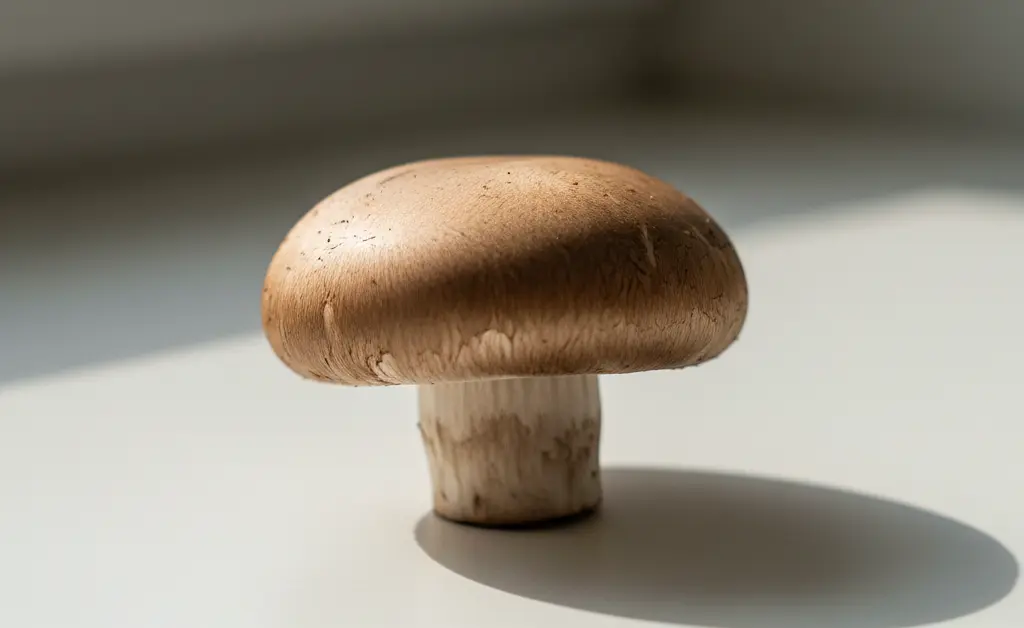
Portobello mushrooms have become a staple in many modern kitchens, cherished for their robust flavor and meaty texture, making them a popular substitute in vegetarian and vegan dishes. Often grilled, roasted, or stuffed, they are celebrated for their nutritional benefits and versatility in healthy eating plans. While generally considered safe and beneficial for most people, it’s essential for consumers to be aware that, like many foods, they can sometimes lead to unexpected reactions. This article delves into the potential portobello mushroom side effects, exploring various ways individuals might experience adverse reactions and what factors could contribute to these issues. Understanding these potential downsides can help enthusiasts enjoy them safely and responsibly as part of a balanced diet.
Potential Side Effects of Portobello Mushrooms

While portobello mushrooms are a popular culinary choice, some individuals may encounter various reactions after consumption. These potential portobello mushroom side effects can range from mild digestive upset to more significant issues, depending on individual physiology and how the mushrooms are prepared.
Digestive Issues and Discomfort
For some people, consuming portobello mushrooms may lead to digestive discomfort. This can manifest as bloating, gas, stomach cramps, or a general feeling of heaviness. Mushrooms, including portobellos, contain a type of carbohydrate called chitin, which can be challenging for some digestive systems to break down. Additionally, their fiber content, which can be beneficial for most, can contribute to these symptoms if consumed in large quantities or by individuals unaccustomed to a high-fiber diet. Proper cooking can sometimes mitigate these effects, as heat can help break down some of the complex compounds. You can also explore king oyster mushroom side effects for comparison.
Allergic Reactions
Like many foods, portobello mushrooms can trigger allergic reactions in susceptible individuals. Symptoms of a mushroom allergy may vary widely and could include skin rashes, hives, itching, swelling of the face or throat, nasal congestion, or difficulty breathing. In more severe cases, an anaphylactic reaction could occur, which requires immediate medical attention. Individuals with known allergies to other fungi or molds might have a higher predisposition to developing a mushroom allergy. It is important to be aware of any adverse reactions and to seek advice from a healthcare professional if an allergy is suspected.
Interactions with Medications
Certain compounds found in portobello mushrooms, particularly when consumed in larger quantities, may interact with specific medications. For instance, some mushrooms are understood to potentially affect blood clotting, which could be a concern for individuals taking anticoagulant medications. There is also a possibility of interactions with medications that affect the immune system or blood sugar levels. It is advisable for individuals on chronic medication to discuss their dietary choices, including mushroom consumption, with their healthcare provider to avoid any potential adverse interactions.
Individual Sensitivity and Health Conditions
Beyond allergies, some individuals may simply exhibit a higher sensitivity to portobello mushrooms due to unique metabolic processes or pre-existing health conditions. For example, people with irritable bowel syndrome (IBS) or other gastrointestinal disorders might find mushrooms to be a trigger for their symptoms. Individuals with compromised immune systems or certain autoimmune conditions might also experience unexpected reactions. Paying close attention to how your body responds to portobello mushrooms is key to determining personal tolerance. Read about the portobello mushroom controversy for more context.
Portobello Mushroom Side Effects Liver
Concerns regarding portobello mushroom side effects on the liver often center around naturally occurring compounds, such as agaritine, which is found in many edible mushrooms, including portobellos. Agaritine is a hydrazine derivative that has been studied for its potential effects, particularly when mushrooms are consumed raw or improperly prepared. While cooking mushrooms significantly reduces the levels of agaritine, some individuals might still be concerned, especially those with pre-existing liver conditions. For the general population, moderate consumption of properly cooked portobello mushrooms is generally considered safe. However, individuals with liver health concerns should exercise caution and discuss dietary choices with their healthcare provider. The NIH is a great resource for health information.
Portobello Mushroom Side Effects Diarrhea
Experiencing diarrhea after consuming portobello mushrooms can be one of the more common digestive complaints. This could be attributed to several factors. As mentioned, the chitin and fiber content can be difficult to digest for some, leading to an accelerated bowel movement. Additionally, if mushrooms are not properly cleaned or cooked, they might carry bacteria or other contaminants that can cause gastrointestinal distress, including diarrhea. For those with a sensitive digestive system, the rich flavor and unique compounds of portobello mushrooms could also act as an irritant. Understanding individual tolerance and ensuring proper food preparation are crucial to preventing such portobello mushroom side effects. Some people question if you can you eat raw portobello mushroom.
Factors Influencing Portobello Mushroom Side Effects
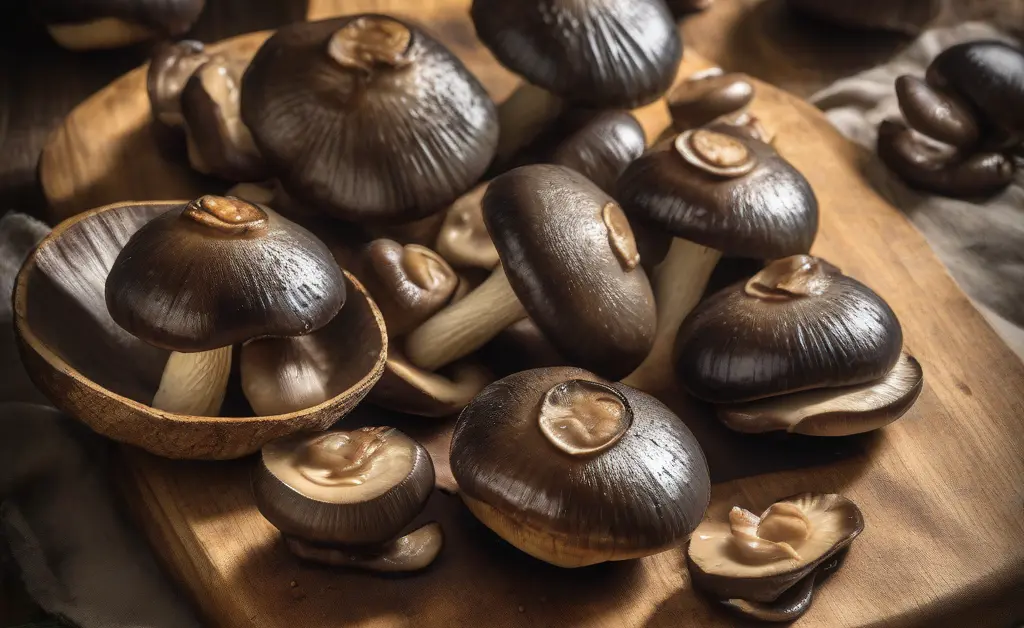
The occurrence and severity of portobello mushroom side effects can be significantly influenced by several factors beyond individual sensitivity. These include how the mushrooms are prepared, their quality, the quantity consumed, and even whether they are raw or cooked. Understanding these variables can help minimize potential adverse reactions. For instance, compounds like agaritine, which are present in portobello mushrooms, are significantly reduced through proper cooking methods. Therefore, consuming them raw may present a higher risk for some individuals. The source and freshness of the mushrooms also play a role, as improper storage or older mushrooms could harbor undesirable microorganisms. Moderation in consumption is generally advisable, especially for those new to incorporating portobellos into their diet, allowing the body to adjust. Paying attention to these influencing factors can help ensure a more positive experience with portobello mushrooms. Many discussions, including one involving portobello mushroom joe rogan, touch upon these effects.
Portobello mushrooms offer a delightful and nutritious addition to many diets, celebrated for their unique texture and flavor. While generally safe and beneficial for most individuals, awareness of potential side effects is important for informed consumption. Digestive issues, allergic reactions, medication interactions, and individual sensitivities are all possibilities that some people might encounter. Factors such as proper cooking, sourcing, and moderation play a crucial role in mitigating these risks. By understanding one’s own body and exercising caution, particularly if there are pre-existing health conditions or sensitivities, most can continue to enjoy portobello mushrooms as part of a varied and balanced eating plan.
While this article discusses health-related topics, it does not provide medical guidance. The information presented is for informational purposes only and should not be used as a substitute for professional medical advice, diagnosis, or treatment. Always consult with a qualified healthcare provider for any health concerns or before making any decisions related to your health or treatment.
FAQ
What are the risks of eating portobello mushrooms?
Portobello mushrooms are generally safe for most people when consumed as food. However, like any food, there’s a small possibility of encountering contaminants if they are not properly handled or cooked. Some individuals may also have sensitivities to certain compounds found in mushrooms.
Can portobello mushrooms cause stomach problems?
For some individuals, consuming portobello mushrooms might lead to digestive discomfort, such as bloating or gas, due to their fiber content and chitin, a component of their cell walls. These effects are more common if mushrooms are eaten raw or in large quantities.
Are there any allergies associated with portobello mushrooms?
Mushroom allergies are not as common as other food allergies, but they can occur. Symptoms can range from mild oral irritation to more severe reactions in sensitive individuals. The potential for portobello mushroom side effects, including allergic responses, is low for the general population.