
High-Quality Portobello Mushroom Spores
Many aspiring home cultivators and mycologists face a common challenge when attempting to grow gourmet mushrooms like portobellos: securing high-quality, viable starting materials. Without access to reliable spores or cultures, the initial stages of any cultivation project can be fraught with uncertainty, often leading to disappointing results and wasted resources. This struggle highlights the critical importance of finding reputable sources for mycology supplies. When considering portobello mushroom spores for sale, understanding the various formats available, such as spore prints, liquid cultures, or syringes, and knowing what differentiates a quality product from an inferior one, is essential. This comprehensive guide aims to demystify the purchasing process, helping enthusiasts make informed decisions for successful portobello cultivation.
Portobello Mushroom Spores for Sale
The journey into cultivating portobello mushrooms often begins with acquiring the right genetic material. For those seeking portobello mushroom spores for sale, a variety of formats are available, each offering distinct advantages and considerations for cultivators at different skill levels. Understanding these options is key to selecting the most suitable starting material for your specific cultivation project. If you are looking to learn more about cultivation, consider reading how to grow oyster mushrooms.
Spores in Print Form
Spore prints are essentially the mushroom’s “fingerprint,” created by allowing a mature mushroom cap to drop its spores onto a sterile surface, often foil or paper. This method results in a dense collection of spores, visible as a pattern mirroring the mushroom’s gills. Spore prints are a traditional and cost-effective way to obtain portobello mushroom spores. They are typically stable for extended periods when stored correctly and allow cultivators to visually inspect the density and color of the spores. However, using spore prints requires careful handling to maintain sterility, as the spores are exposed and need to be transferred to a growth medium without contamination.
Portobello Mushroom Liquid Culture
A portobello mushroom liquid culture consists of live mycelium suspended in a nutrient-rich sterile water solution. Unlike spores, which need to germinate, liquid culture contains actively growing mycelial networks. This significantly speeds up the colonization process when introduced to a substrate. Liquid cultures offer a higher success rate for inoculation due to the presence of already active mycelium, making them a popular choice for both novice and experienced growers aiming for faster results and more robust growth.
Spore Syringes
Spore syringes contain a suspension of portobello mushroom spores in sterile water, pre-loaded into a sterile syringe. This format offers exceptional convenience and sterility, as the spores are protected from contaminants until inoculation. Spore syringes are widely popular, especially for beginners, because they simplify the inoculation process, allowing for precise and clean distribution of spores onto a chosen substrate or into a liquid culture medium. Reputable vendors ensure these syringes are prepared in sterile environments to minimize contamination risks.
Liquid Culture Syringes
Similar in form to spore syringes, liquid culture syringes contain an active portobello mushroom liquid culture ready for inoculation. The key difference is the presence of live, active mycelium rather than dormant spores. This means the mycelium is already in its growth phase, allowing for quicker colonization of substrates compared to starting from spores. Liquid culture syringes are highly valued for their efficiency and ease of use, offering a direct path to vigorous mycelial growth.
Agar Plates with Portobello Mycelium
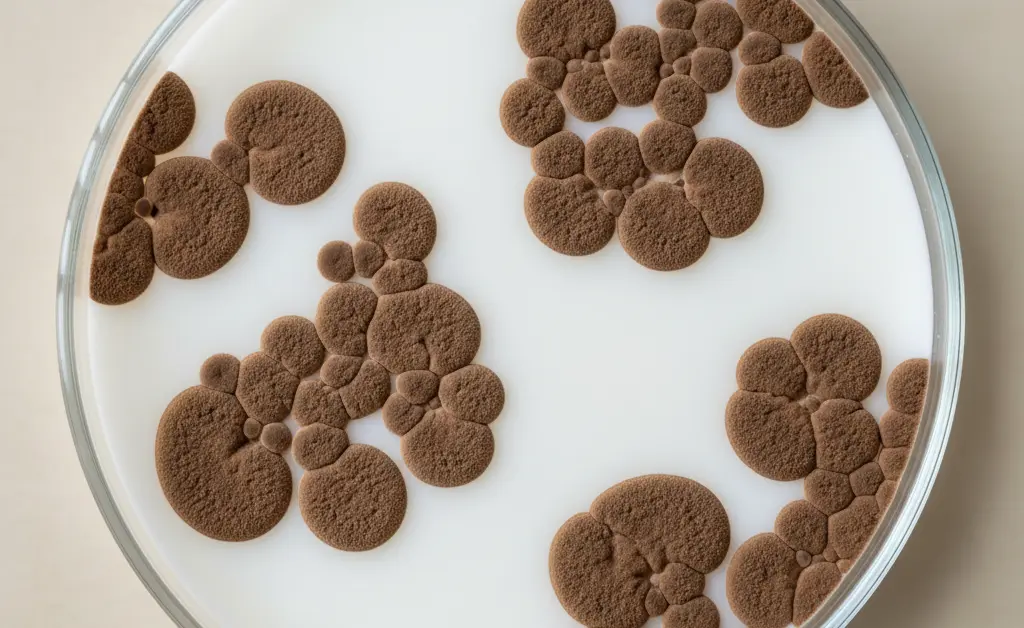
Agar plates containing live portobello mycelium represent a more advanced option for cultivators. Agar is a gelatinous growth medium used in petri dishes, allowing mycologists to isolate and expand specific strains of mycelium. Acquiring agar plates with active mycelium provides a clean, vigorous starting point for cultivation, as any contaminants can be easily identified and separated. This method is particularly useful for cloning desired mushroom characteristics, cleaning up genetics, or preparing inoculant for larger-scale projects.
Mushroom Spores Kits and Supplies
Beyond the spores themselves, many vendors offering portobello mushroom spores for sale also provide comprehensive kits and supplies designed to support the entire cultivation process. These kits may include sterile substrates, growing containers, humidity domes, and other essential tools. For those new to mushroom cultivation, a well-put-together kit can be an invaluable resource, providing everything needed to get started with growing portobellos successfully. You might also be interested in a king oyster mushroom growing kit.
Where to Buy Mushroom Spores
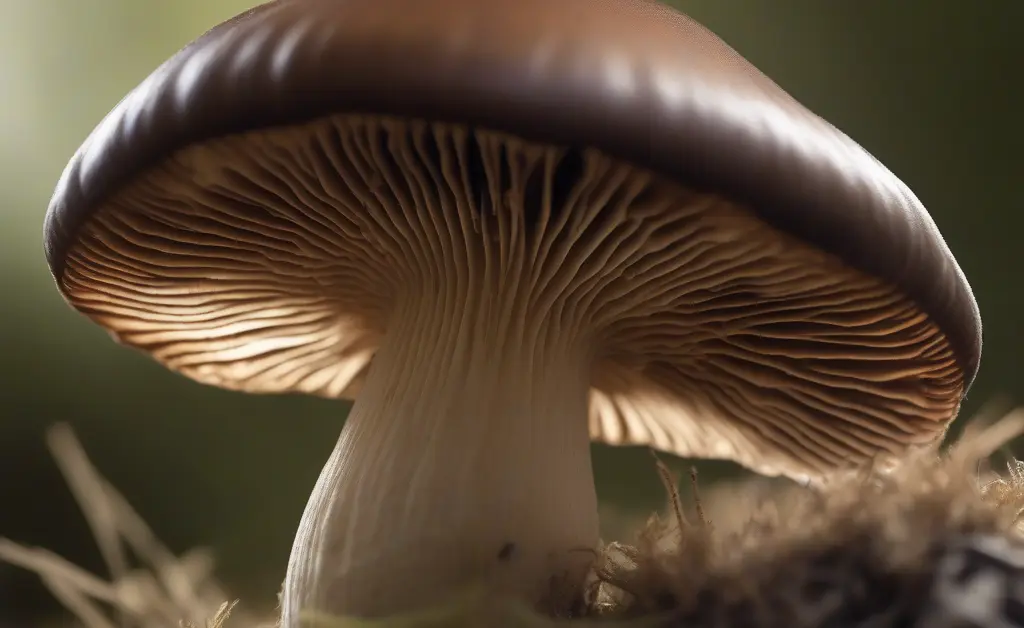
Locating a trustworthy source for portobello mushroom spores for sale is paramount to the success of any cultivation endeavor. The market offers various avenues, from specialized online retailers to direct suppliers, each with its own advantages. The “Best Place to Buy Mushroom Spores” often depends on individual needs, but general principles of reliability and quality should always guide your decision.
Reputation of the Seller
The reputation of the seller is arguably the most critical factor when purchasing mushroom spores. A reputable vendor will have a proven track record of providing high-quality, viable, and contamination-free products. Look for sellers with positive customer reviews, clear product descriptions, and transparent practices regarding their sterilization methods and genetic sourcing. Online Retailers Specializing in Mycology are often a good starting point, as they typically cater to a knowledgeable audience and strive to maintain high standards. Specialty Mushroom Cultivation Supply Stores, whether online or physical, often offer expert advice and a curated selection of products. Some experienced cultivators even prefer buying Direct from Mycelium Suppliers or laboratories that specialize in genetic preservation and propagation, as these sources often offer unique or meticulously isolated strains.
Factors to Consider When Purchasing Portobello Mushroom Spores
When you’re ready to buy portobello mushroom spores for sale, a discerning approach is essential to ensure you invest in materials that will lead to a fruitful cultivation experience. Several key factors should influence your decision, extending beyond just the initial cost. Understanding the optimal oyster mushroom growing conditions can also be beneficial.
Purity and Viability of Spores
The success of your cultivation hinges on the purity and viability of the spores you acquire. Purity refers to the absence of contaminants, such as bacteria, molds, or spores from other fungi. Viability indicates the percentage of spores that are capable of germinating and forming mycelium. A reputable supplier will prioritize rigorous sterilization techniques and quality control measures to ensure their products are as clean and viable as possible. High viability means a higher chance of successful colonization, while purity prevents common issues like green mold (Trichoderma) or bacterial blotch from ruining your substrate.
Price and Value
While price is always a consideration, it should be balanced with the overall value offered. The cheapest option might not always be the most cost-effective if it results in failed projects due to low quality. Consider what you are getting for the price, including the format of the spores (print, syringe, liquid culture), the reputation of the seller, and any guarantees or customer support provided. Investing a little more in high-quality portobello mushroom spores for sale can save you significant time, effort, and resources in the long run.
Shipping and Handling Policies
Proper shipping and handling are crucial for maintaining the integrity of mushroom spores and cultures. Spores are sensitive to extreme temperatures and rough handling. Evaluate a seller’s shipping practices, including packaging methods, shipping speed, and temperature control (if applicable for liquid cultures). Clear communication regarding potential delays or issues, as well as a fair return or replacement policy for damaged or contaminated products, is indicative of a reliable vendor.
Spores vs. Liquid Culture: Key Differences
Deciding between spores and liquid culture is a fundamental choice for cultivators. Spores (typically in prints or syringes) are dormant reproductive cells that need to germinate, which can take several days to a week. They offer a genetic lottery, meaning each spore may produce slightly different characteristics, which can be interesting for genetic exploration. However, they are more prone to contamination during germination due to the slower start. Liquid culture, on the other hand, contains active, growing mycelium. This means faster colonization of the substrate and a more consistent genetic outcome if derived from a single isolated strain. Liquid cultures are generally less susceptible to contamination during inoculation because the mycelium is already vigorously growing. The choice often depends on your experience level, desired speed of colonization, and specific cultivation goals.
Care and Storage of Portobello Mushroom Spores

Once you have acquired portobello mushroom spores for sale, their proper care and storage are critical to maintaining their viability and ensuring successful cultivation later on. Incorrect storage can drastically reduce germination rates, leading to wasted effort and materials.
Optimal Storage Conditions
The longevity of portobello mushroom spores is heavily dependent on their storage environment. Generally, spores should be kept in a cool, dark, and dry place. Refrigeration (not freezing) is often recommended as it slows down metabolic processes and degradation. Temperatures between 34-40°F (1-4°C) are typically ideal. Exposure to direct sunlight or high temperatures can quickly degrade spores, while humidity can encourage premature germination or fungal contamination. For spore prints, wrapping them in foil and placing them in an airtight container within the refrigerator is a common practice. Syringes should be kept in their original packaging, often sealed in a plastic bag, and refrigerated.
Shelf Life of Spores
The shelf life of portobello mushroom spores varies significantly depending on their format and storage conditions. Spore prints, when stored optimally, can remain viable for several years. Spore syringes typically have a shorter shelf life, often remaining viable for several months to a year, as the spores are suspended in water and can eventually begin to germinate or degrade. Liquid cultures, containing live mycelium, generally have the shortest shelf life, usually viable for a few weeks to a few months, as the mycelium continues to consume nutrients and eventually exhausts its resources in the solution. Regularly checking the appearance of liquid cultures for signs of contamination or excessive mycelial growth is important. Knowing the expected oyster mushroom yield can help manage expectations.
Maintaining Spore Viability
To maximize and maintain spore viability, always handle them with aseptic techniques. Avoid opening spore prints or syringes in non-sterile environments to prevent airborne contaminants. For spore prints, ensure they are thoroughly dried before storage to prevent mold growth. When storing syringes, prevent them from freezing, as ice crystals can damage spores or mycelium. If you plan to store spores for extended periods, it’s wise to label them with the date of acquisition to keep track of their age. By adhering to these practices, cultivators can ensure their portobello mushroom spores for sale remain potent and ready for inoculation when the time comes.
Securing high-quality portobello mushroom spores is the foundational step for any successful cultivation project. By understanding the various forms available, such as spore prints, liquid cultures, and syringes, and recognizing the importance of reputable suppliers, cultivators can make informed decisions. Factors like purity, viability, and proper storage are crucial for maximizing the potential of these valuable mycological resources. With careful selection and diligent care, aspiring growers can embark on a rewarding journey of cultivating their own delicious portobello mushrooms.
This article is written for general understanding and not for medical decision-making. The information provided is intended for educational purposes related to mushroom cultivation and general mycology. It is not a substitute for professional advice and should not be used to diagnose, treat, or prevent any health condition. Always consult with qualified professionals for specific guidance. The European Food Safety Authority (EFSA) provides comprehensive guidelines on food safety.
FAQ
Where can I buy portobello mushroom spores online?
Individuals interested in acquiring portobello mushroom spores for microscopy or research purposes can typically find them through specialized online retailers that cater to mycology enthusiasts. These vendors often focus on a variety of fungal species.
What are the best portobello mushroom spore vendors?
Reputable vendors are generally recognized for the quality and purity of their spore samples. Researching customer reviews and vendor reputation within the mycology community can help identify trusted sources.
Are portobello mushroom spores available for cultivation?
While portobello mushroom spores can be viable, they are not typically sold for the purpose of cultivating edible mushrooms for consumption. Regulations and vendor policies often restrict their sale for this intent.
How much do portobello mushroom spores cost?
The price of portobello mushroom spores can vary depending on the vendor and the quantity offered. Factors such as purity and availability also influence the cost.
Are portobello mushroom spores legal to buy?
The legality of purchasing mushroom spores often depends on regional laws and the intended use. In many locations, spores are legal to buy for microscopy and taxonomic study, but not for cultivation.
What is the best way to store mushroom spores?
Mushroom spores are best stored in a cool, dry, and dark environment to preserve their viability. Keeping them in a sealed container, such as a sterile syringe or vial, can further protect them from moisture and contamination.
How long do mushroom spores last?
When stored properly under cool and dry conditions, mushroom spores can remain viable for extended periods, often for several years. Their lifespan is significantly influenced by storage environment and handling.
Can you grow mushrooms directly from spores?
Yes, mushrooms can indeed grow directly from spores, although this process requires specific sterile techniques and conditions to initiate germination and development. This method is often used in laboratory settings for research and propagation.