
Decoding the Flavor of Portobello Mushrooms
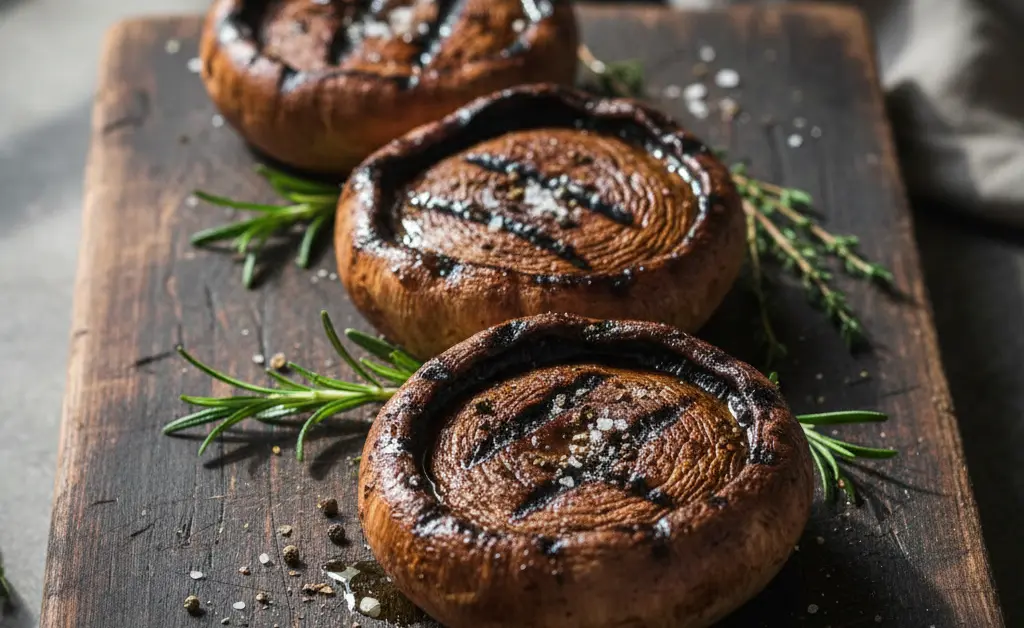
While many perceive portobello mushrooms as possessing a simple, singular flavor, often relegating them to the role of a basic meat substitute, their true culinary appeal lies in a nuanced and surprisingly complex profile. It’s a common misconception that their taste is one-dimensional. In reality, understanding the full spectrum of portobello mushroom taste involves exploring a rich interplay of earthy, savory, and even subtly sweet undertones. Far from being a mere filler, these versatile fungi offer a sophisticated depth that can significantly elevate a dish. This guide delves into the distinctive characteristics that define their flavor, revealing how various factors influence their culinary expression and how they can be prepared to maximize their inherent deliciousness.
Understanding Portobello Mushroom Taste
The distinctive portobello mushroom taste is a complex interplay of several flavor compounds, contributing to its widespread culinary appeal. Unlike many other fungi, portobellos offer a robust and satisfying experience that goes beyond a mere background note, often taking center stage in a dish. Examining its core flavor components helps to appreciate the full characteristics of portobello taste.
The Earthy Flavor Profile
A hallmark of the portobello mushroom taste is its profound earthiness. This flavor profile is often described as rich, grounding, and reminiscent of damp forest floors or freshly tilled soil. Compounds such as geosmin contribute to this signature quality, providing a deep, resonant base that pairs well with a multitude of ingredients. This earthy foundation helps anchor the mushroom’s flavor, preventing it from being too light or fleeting, and is a key characteristic when comparing portobello taste to other varieties.
Savory and Umami Notes
Beyond earthiness, portobello mushrooms are celebrated for their strong savory and umami notes. Umami, often described as the “fifth taste,” adds a deeply satisfying, brothy, or meaty sensation. This is largely due to the presence of natural glutamates. These savory qualities contribute significantly to the perceived richness and depth of the portobello mushroom taste, making it a popular choice for dishes where a hearty, full-bodied flavor is desired. These notes are critical to the mushroom’s ability to serve as a compelling meat substitute.
Subtle Sweetness
While often overshadowed by their earthy and savory characteristics, portobello mushrooms also possess a subtle underlying sweetness. This sweetness is not saccharine but rather a gentle, almost nutty hint that rounds out the overall flavor. It acts as a counterbalance to the more robust notes, adding complexity and balance to the portobello mushroom taste. This delicate sweetness becomes more apparent when the mushrooms are cooked, as the natural sugars caramelize slightly, enhancing their overall flavor profile.
Factors Influencing Portobello Mushroom Taste
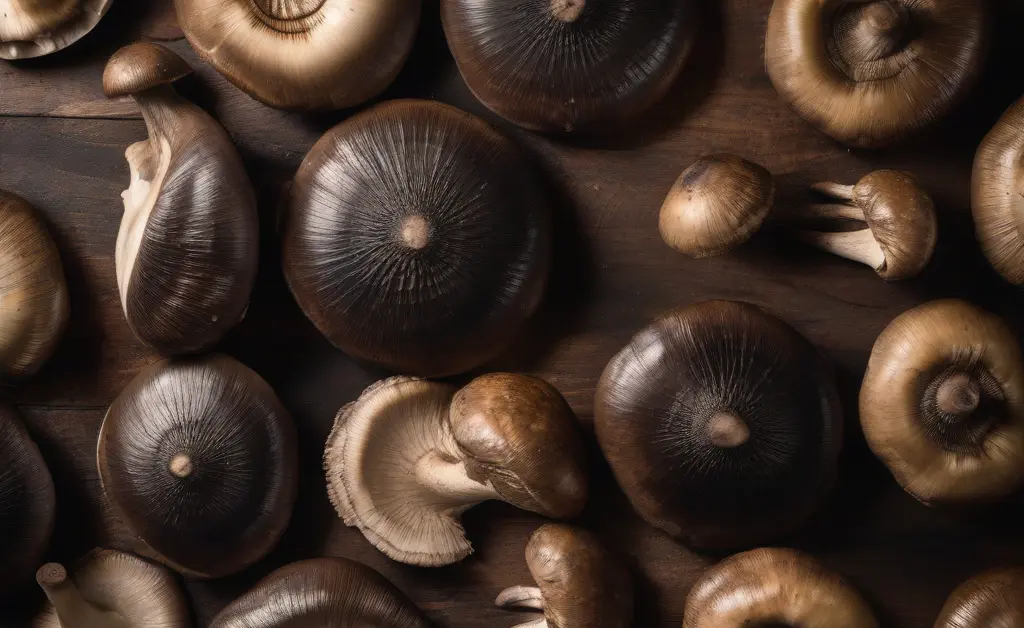
The exact portobello mushroom taste can vary considerably based on several external and intrinsic factors. Understanding these influences can help chefs and home cooks select and prepare these fungi to achieve their desired culinary outcomes.
One significant factor is **Mushroom Ripeness**. Younger, smaller cremini mushrooms, which are the same species as portobellos, tend to have a milder flavor. As they mature into large portobellos, their caps open, allowing for more spore exposure and a concentration of flavor compounds, resulting in a more intense and complex taste. The darker gills of a fully mature portobello are an indicator of its developed flavor.
The **Growing Conditions** also play a role. Like other produce, the substrate they are grown on and the environmental conditions (humidity, temperature) can subtly affect their cellular structure and the development of flavor precursors. While commercial growing aims for consistency, slight variations may exist.
Finally, **Preparation Methods** profoundly impact the portobello mushroom taste. Whether they are raw or cooked significantly alters their characteristics. Raw portobellos have a firmer texture and a more pronounced earthy, almost pungent, flavor. Cooking, however, transforms them, softening their texture and bringing out their savory and sweet notes through processes like caramelization and moisture reduction. Different cooking techniques will highlight different aspects of their inherent flavor profile.
How to Enhance Portobello Mushroom Taste
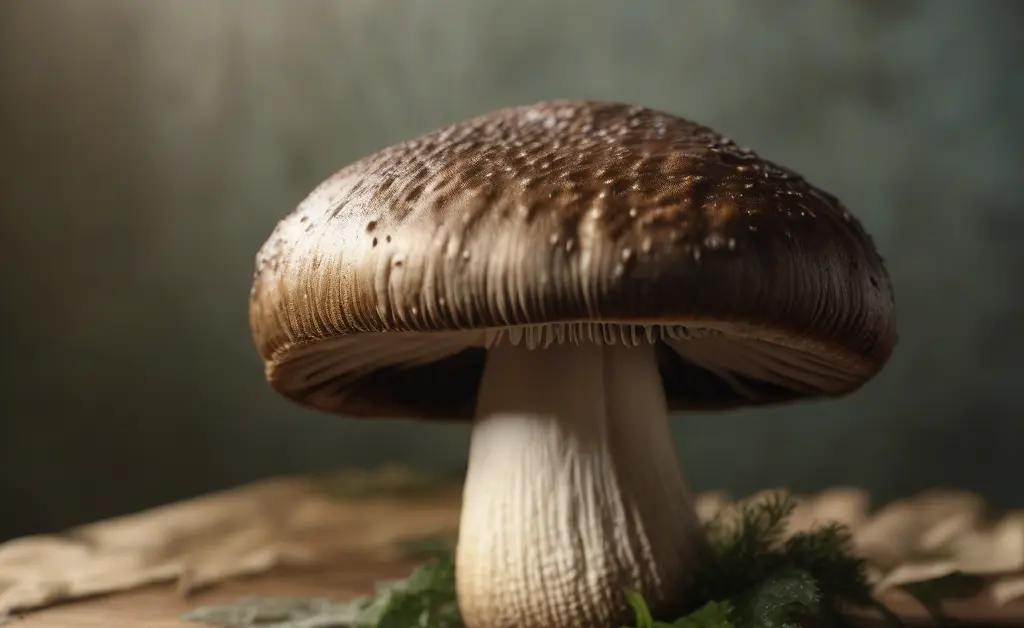
To truly maximize the portobello mushroom taste, strategic preparation and cooking techniques are essential. These methods can amplify their natural flavors and introduce new dimensions, making them even more versatile in the kitchen.
**Marinating Techniques** are highly effective in infusing portobellos with additional flavor. Their porous texture readily absorbs liquids, making them ideal candidates for marinades that might include olive oil, soy sauce, balsamic vinegar, garlic, herbs, and spices. A marinade not only adds flavor but can also tenderize the mushroom slightly. Even a short marination period can significantly deepen the overall portobello mushroom taste, making it more robust and flavorful for dishes like grilled caps or stir-fries.
**Seasoning and Spices** also play a crucial role. Simple salt and black pepper can elevate the mushroom’s inherent savory qualities. Beyond that, additions like smoked paprika can lend a smoky depth, rosemary or thyme can add herbaceous notes, and a touch of chili flakes can introduce a subtle warmth. The key is to complement, rather than overpower, the natural flavor of the mushroom. A common approach is to use umami-rich seasonings like nutritional yeast or a dash of mushroom powder to further enhance their savory profile.
**Cooking Methods for Flavor** are paramount. High-heat methods like grilling, roasting, or sautéing are excellent for developing a rich, caramelized exterior, which intensifies the savory and sweet notes. Pan-searing portobellos until they are deeply browned can create a robust flavor that is often described as “meaty.” Conversely, slower cooking methods, such as braising, allow the mushrooms to absorb surrounding flavors more thoroughly, leading to a softer texture and a more integrated taste.
How to get portobello mushrooms to taste like beef?
Achieving a “beef-like” portobello mushroom taste involves enhancing its inherent umami and savory characteristics, along with mimicking the hearty texture often associated with meat. This quest largely relies on specific preparation and cooking strategies.
First, **marinating** is key. A robust marinade can infuse the mushrooms with flavors commonly found in beef dishes. Think soy sauce or tamari for deep umami, balsamic vinegar for tang and depth, smoked paprika for a smoky note, garlic, onion powder, and a touch of liquid smoke (sparingly). Allowing the portobellos to marinate for a sufficient period helps them absorb these complex flavors.
Second, focus on **cooking methods** that develop a rich, browned crust. Searing, grilling, or roasting at high temperatures reduces moisture and concentrates flavors, leading to a denser, meatier texture and a more intense, savory taste. When cooking, avoid overcrowding the pan, which can steam the mushrooms instead of browning them. Aim for a deep, dark caramelization on the surface.
Third, **seasoning choices** can further bridge the gap. Adding nutritional yeast, a pinch of dried porcini powder, or even a mushroom bouillon cube to a marinade or cooking liquid can significantly boost the umami. Consider incorporating spices like black pepper, thyme, or rosemary, which are often paired with beef.
By combining these techniques, you can transform the portobello mushroom into a satisfying and flavorful alternative that closely approximates the hearty and savory experience of beef, making it an excellent choice for a portobello mushroom steak or portobello mushroom burger.
Portobello mushroom taste, texture, and recipes

The portobello mushroom taste is intrinsically linked to its unique textural qualities, making it a favored ingredient in a wide array of culinary applications. Its characteristics allow it to stand in as a versatile component in many dishes, from main courses to side dishes.
Understanding **Raw vs. Cooked Texture** is fundamental. Raw portobellos are firm, somewhat crisp, and can have a slightly woody chew. However, their true potential for a rich and satisfying texture emerges upon cooking. When cooked, portobellos undergo a remarkable transformation, becoming tender, succulent, and juicy, which greatly influences the overall portobello mushroom taste experience.
The **Meaty and Firm Qualities** of cooked portobello mushrooms are what often draw comparisons to animal proteins. They possess a dense, substantial chewiness that provides a satisfying mouthfeel, contrasting with the more delicate texture of many other mushroom varieties. This inherent firmness holds up well to various cooking methods, preventing them from becoming mushy or disintegrating, even after extended cooking times.
Beyond firmness, the **Juiciness** of a properly cooked portobello is another critical textural component. As they cook, the mushrooms release and then reabsorb some of their moisture, resulting in a succulent interior. This juiciness is particularly appealing when the mushrooms are grilled or roasted, as it creates a pleasant contrast with their seared exterior.
These combined attributes make portobellos exceptional **As a Meat Substitute**. Their robust portobello mushroom taste and satisfying texture allow them to convincingly replace meat in many dishes. Popular recipes include the **Portobello mushroom steak**, where a large mushroom cap is marinated and grilled like a cut of meat, and the **Portobello mushroom burger**, where it serves as a hearty patty. They are also excellent in stir-fries, fajitas, and even as a base for vegetarian “pulled pork” sandwiches, showcasing their adaptability and rich flavor profile in diverse culinary applications.
Portobello mushrooms offer a remarkable depth of flavor and texture that elevates them beyond a simple vegetable. Their earthy, savory, and subtly sweet notes provide a robust foundation for countless dishes, while their meaty texture makes them a standout meat substitute. By understanding the factors that influence their taste and employing proper cooking techniques, home cooks and professional chefs can unlock the full culinary potential of these versatile fungi, transforming them into truly exceptional components of any meal.
This content is for informational use and should not be considered medical instruction. It is not intended to diagnose, treat, cure, or prevent any disease or health condition. Always consult with a qualified healthcare professional before making any decisions related to your health or diet. Individual results may vary.
FAQ
What is the taste of portobello mushrooms?
Portobello mushrooms offer a rich, savory flavor profile often described as meaty and umami-forward. Their distinct taste comes from compounds like glutamates, which contribute to their satisfying depth.
Are portobello mushrooms earthy?
Yes, portobello mushrooms possess an earthy quality, reminiscent of damp soil and forest floor. This characteristic undertone is a common trait among many mushroom varieties and adds complexity to their flavor.
Do portobello mushrooms taste like meat?
Portobello mushrooms are frequently compared to meat due to their robust texture and deep, savory flavor. Their substantial chew and rich umami notes make them a popular meat substitute in various dishes.
How do portobello mushrooms taste when cooked?
When cooked, portobello mushrooms develop an even more intense and concentrated flavor. Their natural sugars caramelize, enhancing their inherent umami and creating a satisfying, meaty essence.
Are portobello mushrooms savory?
Indeed, portobello mushrooms are distinctly savory, contributing a significant umami component to meals. This savory quality is what makes them so versatile and appealing in a wide range of culinary applications.