
Understanding the Use of Reishi Mushroom While Pregnant
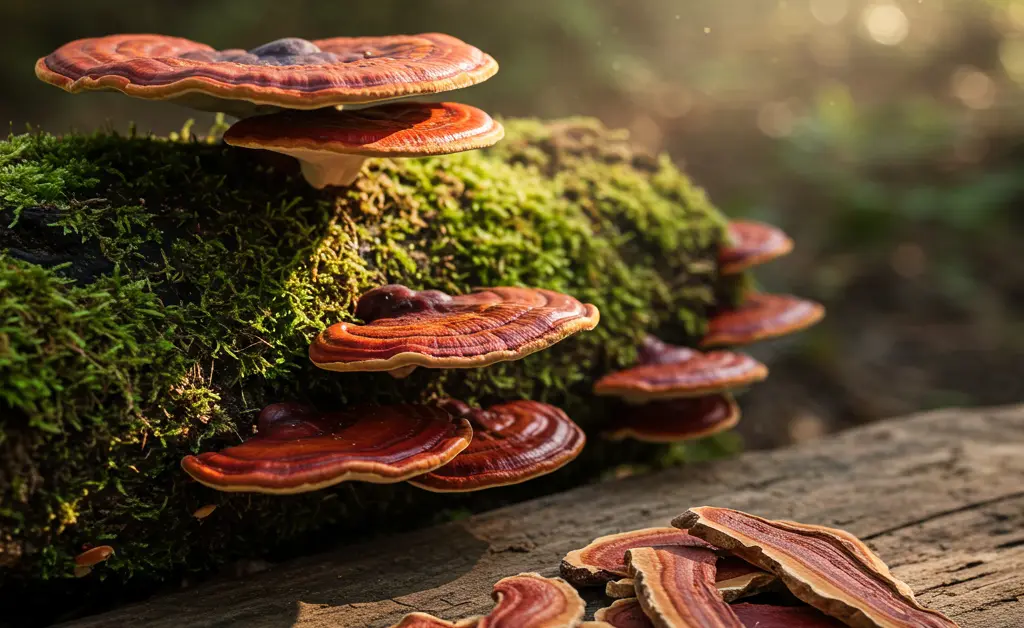
In today’s health-conscious world, many individuals, including expectant mothers, are exploring natural remedies and supplements to support their well-being. The pursuit of holistic health has led to increased interest in traditional botanicals, often found in teas, tinctures, or dietary supplements. Among these, the reishi mushroom has gained considerable attention for its purported health benefits. However, when considering reishi mushroom during pregnancy, it’s crucial to approach the topic with informed caution. This article aims to provide a comprehensive overview of the current understanding, potential benefits, safety concerns, and medical recommendations regarding the use of this adaptogenic fungus for pregnant women. Understanding these aspects is essential for making safe and informed decisions.
Benefits of Reishi Mushroom During Pregnancy
While the topic of consuming reishi mushroom during pregnancy requires careful consideration due to limited research, traditional practices and general information about the mushroom’s properties can offer some context. Reishi mushrooms are often noted for their adaptogenic qualities, which are believed to help the body maintain balance and cope with various stressors. They have been traditionally used for a range of purposes, including supporting general well-being.
Nutritional Components of Reishi Mushroom Relevant to Pregnancy
Reishi mushrooms contain various bioactive compounds, including triterpenes, polysaccharides, peptidoglycans, and a range of vitamins and minerals. These components contribute to the mushroom’s overall nutritional profile. While general nutrition is vital throughout pregnancy, specific benefits from reishi’s components for maternal or fetal health have not been extensively studied in human pregnancy. The polysaccharides, for instance, are often associated with immune modulation, and antioxidants present may help combat oxidative stress. However, these are general characteristics of the mushroom and not specific findings related to its use during gestation.
Traditional Beliefs About Reishi Mushroom and Pregnancy
In certain traditional medicine systems, the reishi mushroom has been revered for centuries as a “mushroom of immortality” or a “spiritual potency mushroom.” Traditional beliefs sometimes suggest its use for general vitality and to promote a sense of calm. However, it is important to emphasize that these are traditional applications and not based on modern scientific validation for use during pregnancy. Traditional practices may vary widely, and cultural uses do not equate to medically endorsed safety or efficacy for pregnant individuals. Any traditional advice should be carefully weighed against current medical understanding. The potential reishi mushroom benefits for kids are also an area of ongoing discussion outside of pregnancy.
Safety Concerns and Risks of Reishi Mushroom During Pregnancy
The safety of consuming reishi mushroom during pregnancy is a significant concern, primarily due to the lack of sufficient scientific research on its effects in pregnant individuals. Without robust clinical studies, it is challenging to definitively assess any potential risks or side effects for both the mother and the developing fetus. Healthcare providers generally advise extreme caution with most herbal supplements during pregnancy for this reason.
Possible Risks and Side Effects
In the general population, reishi mushroom use has been associated with some reported side effects, including digestive upset, dryness of the mouth and throat, and skin rashes. There have also been instances of liver toxicity in some cases, although these are rare and their direct link to reishi can be complex. During pregnancy, the body undergoes numerous physiological changes, which may alter how it processes substances, potentially leading to unforeseen reactions. The lack of data specifically concerning these risks for pregnant women makes any use of reishi mushroom during pregnancy particularly uncertain.
Interactions with Pregnancy Medications
Pregnant individuals often take various medications, including prenatal vitamins, iron supplements, or prescriptions for pre-existing conditions. Reishi mushroom, like many herbal supplements, may potentially interact with these medications. For example, some studies suggest reishi could have anticoagulant properties, which might pose a risk if combined with blood-thinning medications. It is also possible that reishi could influence blood pressure or blood sugar levels, which are critical considerations during pregnancy. Any potential interactions could alter the efficacy of prescribed medications or lead to adverse effects, making it crucial to consult a healthcare provider before combining reishi with any pharmaceutical treatments.
Monitoring Symptoms When Using Reishi Mushroom During Pregnancy
Given the general caution surrounding herbal supplements in pregnancy, monitoring symptoms becomes even more critical if one considers using reishi mushroom during pregnancy. Any unusual symptoms, such as digestive issues, allergic reactions, changes in blood pressure, or unusual fatigue, should be reported to a healthcare provider immediately. However, the safest approach, often recommended by medical professionals, is to avoid herbal supplements with limited pregnancy safety data to prevent any potential risks that might manifest as subtle or severe symptoms.
Reishi Mushroom Use During Different Pregnancy Trimesters
The decision to consume reishi mushroom during pregnancy, regardless of the trimester, is generally met with a strong recommendation for caution due to the limited research available. Each trimester presents unique developmental stages for the fetus and distinct physiological changes for the mother, which could potentially be affected by external substances. During the first trimester, organogenesis, the formation of vital organs, occurs, making this a particularly sensitive period where exposure to certain substances could pose significant risks. In the second and third trimesters, fetal growth and maturation continue rapidly. The absence of specific human studies on reishi mushroom use during these critical periods means there is no scientific basis to confirm its safety at any stage of pregnancy. Therefore, most healthcare professionals advise against its use throughout all trimesters to prioritize the health and safety of both mother and baby.
Medical Advice and Recommendations on Reishi Mushroom During Pregnancy
When considering any dietary or herbal supplement, including reishi mushroom during pregnancy, professional medical advice is paramount. The medical community emphasizes a precautionary approach, given the unique vulnerabilities of pregnancy and the limited research on many natural products in this context. Healthcare providers offer guidance based on comprehensive understanding of both conventional and complementary medicine, ensuring that decisions are made with the utmost safety in mind.
Consulting Healthcare Providers
Before incorporating reishi mushroom or any other herbal supplement into a pregnancy wellness plan, it is essential to have an open and detailed discussion with a doctor, obstetrician, or a certified prenatal nutritionist. These professionals can assess an individual’s specific health profile, existing conditions, and current medications. They are best equipped to provide personalized advice, weighing the potential unknown risks against any perceived benefits. Trustworthy healthcare providers can also advise on any local or national guidelines, such as those from the CDC, regarding herbal supplement use during pregnancy, ensuring decisions align with established health and safety protocols.
Alternatives to Reishi Mushroom for Pregnancy Wellness
For those seeking natural ways to support wellness during pregnancy, there are several well-researched and generally accepted alternatives that do not carry the same level of uncertainty as reishi mushroom during pregnancy. A balanced and nutritious diet rich in fruits, vegetables, and whole grains is fundamental. Regular, moderate exercise, as approved by a healthcare provider, can significantly contribute to physical and mental well-being. Additionally, stress-reduction techniques such as prenatal yoga, meditation, and adequate sleep are highly beneficial. For specific nutritional needs, prenatal vitamins are formulated to provide essential nutrients that support both maternal health and fetal development, and their efficacy and safety are well-established. These conventional approaches provide robust support for pregnancy wellness without introducing unknown variables. Similarly, the safety of lions mane mushroom and pregnancy requires thorough consultation with a healthcare provider due to limited research.
Potential Effects of Reishi Mushroom on Fetal Development

The potential effects of reishi mushroom on fetal development remain largely unstudied in human pregnancies. This absence of data is a primary reason for the medical community’s cautious stance regarding its use by expectant mothers. The developing fetus is highly susceptible to various influences, and substances that might be benign for adults could potentially have unintended consequences on sensitive developmental processes.
Scientific Studies on Reishi Mushroom Use in Pregnancy
Currently, there is a significant lack of scientific studies specifically investigating the effects of reishi mushroom in pregnant women. Most research on reishi has been conducted in non-pregnant adults or in animal models, and these findings cannot be directly extrapolated to human pregnancy. Animal studies, while sometimes providing initial insights, do not fully replicate the complex physiological environment of human gestation. Without dedicated clinical trials assessing various dosages and potential outcomes for both mother and fetus, any claims regarding safety or impact on fetal development remain speculative and unproven.
Impact of Reishi Mushroom on Pregnancy-Related Conditions
Some individuals might consider reishi mushroom for its purported immune-modulating or anti-inflammatory properties, hoping these might help with certain pregnancy-related conditions. However, the impact of reishi on specific pregnancy conditions, such as gestational diabetes, preeclampsia, or immune system changes during pregnancy, has not been rigorously studied. Introducing a substance with potential immune-modulating effects without clear understanding could, in theory, interfere with the delicate balance of the maternal immune system, which naturally adapts during pregnancy to support fetal growth. Therefore, relying on reishi to manage or influence pregnancy-related conditions is not recommended without clear scientific evidence and medical guidance.
Guidelines for Herbal Supplement Use Including Reishi Mushroom During Pregnancy
General guidelines for herbal supplement use during pregnancy strongly advise caution and thorough consultation with healthcare professionals. This approach applies universally to all herbal products, including reishi mushroom, due to the variability in product quality, dosage consistency, and the lack of comprehensive safety data for pregnant populations. It is crucial to remember that “natural” does not automatically equate to “safe,” especially during such a sensitive period. Similar considerations apply to other functional fungi, such as shiitake mushroom during pregnancy, requiring careful medical review.
Reishi Mushroom Tea During Pregnancy
Reishi mushroom is often consumed in tea form, which involves steeping dried mushroom slices or powdered extract in hot water. While a tea might seem like a milder form of consumption compared to concentrated extracts, the bioactive compounds are still present and can be absorbed by the body. The same safety concerns regarding concentrated supplements apply to reishi mushroom tea during pregnancy. Without specific research on the safety of reishi tea for pregnant individuals, and considering the potential for unknown compounds or contaminants, medical professionals typically recommend avoiding it. Pregnant women who wish to consume teas should stick to those explicitly recognized as safe for pregnancy, such as ginger or peppermint tea, and always in moderation and with medical approval.
Preparation Methods of Reishi Mushroom for Pregnant Women
If, against medical advice, an individual were to consider preparing reishi mushroom, common methods include making teas, decoctions, or adding powdered forms to food. However, for pregnant women, no specific preparation method has been identified as safe, nor is there a recommended preparation that mitigates the potential risks associated with its consumption during pregnancy. The concentration of active compounds can vary significantly based on the preparation method, the part of the mushroom used, and its origin. Furthermore, issues like proper identification of the mushroom, potential contamination with heavy metals or pesticides, and ensuring purity of the product add layers of complexity and risk. Given these uncertainties, it is advisable to avoid consuming reishi mushroom in any prepared form during pregnancy.
Legal and Regulatory Status of Reishi Mushroom Supplements
The legal and regulatory status of reishi mushroom supplements varies widely by country. In many regions, herbal supplements are categorized differently from pharmaceutical drugs and are not subject to the same rigorous testing and approval processes. This means that the purity, potency, and even the ingredients listed on a supplement label may not always be accurately verified by a regulatory body. For pregnant individuals, this lack of strict oversight poses additional risks, as contaminants or incorrect dosages could have serious implications. Consumers are often advised to look for third-party certifications, but even these may not guarantee pregnancy-specific safety. Therefore, understanding the regulatory landscape and the inherent limitations in supplement regulation is crucial before considering any herbal product, particularly during pregnancy.
In conclusion, while the reishi mushroom is celebrated for its potential health-promoting properties in traditional medicine, its use during pregnancy is not supported by sufficient scientific evidence to confirm safety. The absence of comprehensive human studies on reishi mushroom during pregnancy necessitates a highly cautious approach. Expectant mothers are strongly advised to prioritize evidence-based practices for their health and the development of their baby. Always consult with a qualified healthcare provider before considering any herbal supplements or natural remedies during this critical period to ensure the safest possible outcomes.
This article is meant for general informational use and awareness. It is not intended to provide medical advice, diagnosis, or treatment. Always consult with a qualified healthcare professional before making any decisions related to your health or before starting any new dietary supplement, especially during pregnancy. Individual results may vary, and the information presented should not be used as a substitute for professional medical consultation.
FAQ
Is it safe to take reishi mushroom supplements while pregnant?
Current scientific understanding lacks sufficient data to establish the safety of reishi mushroom supplements for pregnant individuals. The exclusion of pregnant populations from most clinical studies means there’s a significant knowledge gap regarding its effects during this sensitive period.
What are the risks of using reishi mushroom during pregnancy?
Since comprehensive human studies on reishi use in pregnancy are absent, the specific risks are largely undetermined. The concern lies in the potential for uncharacterized interactions with maternal physiology or fetal development, which current scientific literature does not address.
Can reishi mushroom cause complications for pregnant women?
Given the lack of specific clinical trials involving pregnant women, there is insufficient evidence to confirm or deny whether reishi mushroom might cause complications. This absence of data typically warrants a cautious approach regarding any supplement during gestation.
Are there any benefits to using reishi mushroom when pregnant?
While reishi mushroom is known for its adaptogenic properties and its role in immune support in the general population, there are no specific studies demonstrating benefits for pregnant individuals. The potential advantages observed in other contexts do not automatically translate to safety or efficacy during pregnancy.
What do doctors say about reishi mushroom use in pregnancy?
Medical professionals typically advise caution or avoidance of herbal supplements, including functional mushrooms, during pregnancy due to the lack of robust safety data. They generally prioritize substances with established safety profiles for both the mother and the developing fetus.
How does reishi mushroom affect fetal development?
There is currently no scientific consensus or specific research available that details how reishi mushroom during pregnancy might affect fetal development. The mechanisms of action observed in other contexts have not been studied in the sensitive environment of a developing fetus.
Are there safer herbal alternatives to reishi mushroom during pregnancy?
While general caution is advised for most herbal supplements during pregnancy, certain herbs are widely used under professional guidance, such as ginger for nausea or red raspberry leaf tea in later stages of pregnancy. However, the suitability of any herbal alternative depends on individual health circumstances and should always involve discussion with a healthcare provider.