
Exploring How Reishi Mushroom Can Help Manage Hirsutism
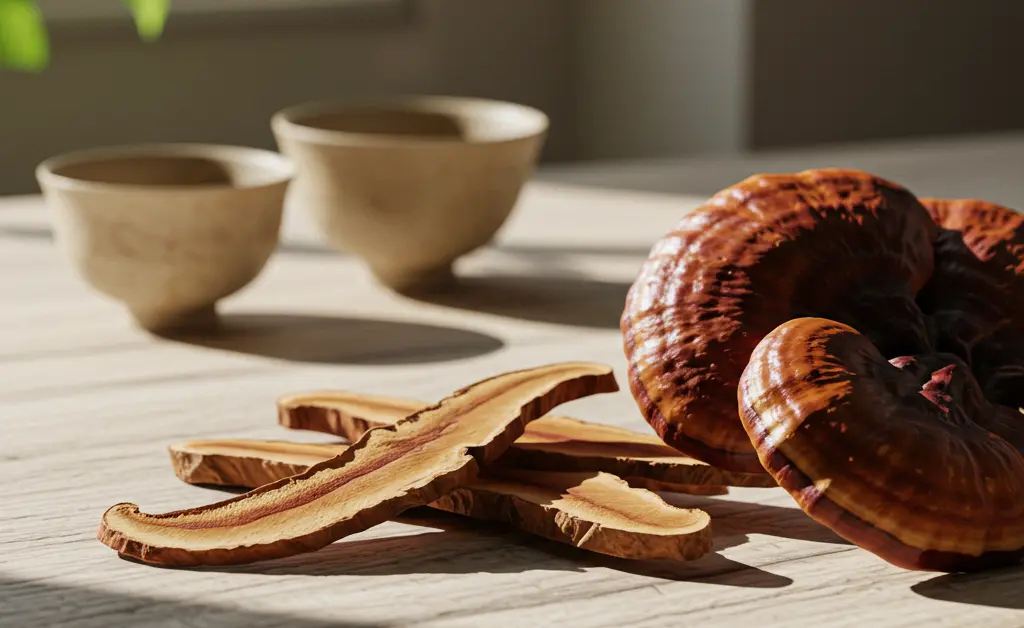
Incorporating certain natural supplements may offer a supportive approach to managing the symptoms associated with hormonal imbalances, such as unwanted hair growth. Hirsutism, characterized by excess hair in a male-like pattern, is frequently linked to elevated levels of androgens like testosterone. In the search for complementary therapies, various adaptogens have been explored for their potential to modulate hormonal activity. The use of reishi mushroom for hirsutism has become a topic of particular interest due to its purported anti-androgenic properties, which may help inhibit the enzyme responsible for converting testosterone into its more potent form, DHT. This article explores the scientific evidence, mechanisms of action, and practical considerations for using this functional fungus as part of a holistic management plan for hirsutism.
Reishi mushroom for hirsutism
Reishi mushroom, known scientifically as Ganoderma lucidum, has a long history in traditional medicine, where it has been valued for its wide-ranging health-supportive properties. Recently, its potential application in hormonal health has garnered attention. The interest in using reishi mushroom for hirsutism stems from its classification as an adaptogen and its studied anti-androgenic effects. Adaptogens are substances that may help the body resist various types of stressors, including hormonal fluctuations. For individuals experiencing hirsutism, which is often a symptom of an underlying hormonal imbalance like polycystic ovary syndrome (PCOS), managing androgen levels is a primary goal. Reishi contains active compounds, such as triterpenes, that have been investigated for their ability to interfere with androgen activity, potentially offering a natural way to support the body in managing excess hair growth.
User Experiences and Anecdotal Evidence
Within online health communities and forums focused on natural remedies for hirsutism, reishi mushroom is a recurring topic of discussion. Many individuals share personal stories detailing their experiences with incorporating reishi supplements into their wellness routines. These anecdotal reports often describe a perceived reduction in the rate of hair growth or a change in hair texture, making it finer and less noticeable over time. While these accounts are encouraging, it is important to view them as personal observations rather than clinical proof. The experiences vary significantly from person to person, with some reporting noticeable changes and others seeing little to no effect. These narratives highlight the need for more structured research but also reflect the growing interest in holistic approaches to managing hirsutism symptoms.
Reishi Mushroom’s Role in Reducing Inflammation Related to Hirsutism
Chronic low-grade inflammation is a key factor in many conditions associated with hirsutism, most notably PCOS. Inflammation can disrupt normal endocrine function and contribute to insulin resistance, which in turn can stimulate the ovaries to produce excess androgens. Reishi mushroom is well-regarded for its potent anti-inflammatory properties, attributed to its rich content of polysaccharides and triterpenoids. By helping to modulate the body’s inflammatory response, reishi may indirectly support hormonal balance. This reduction in systemic inflammation could potentially ease some of the underlying metabolic dysfunctions that drive androgen excess, thereby contributing to a more favorable internal environment for managing hirsutism and other related symptoms.
How Reishi Mushroom Affects Hirsutism and Androgen Levels
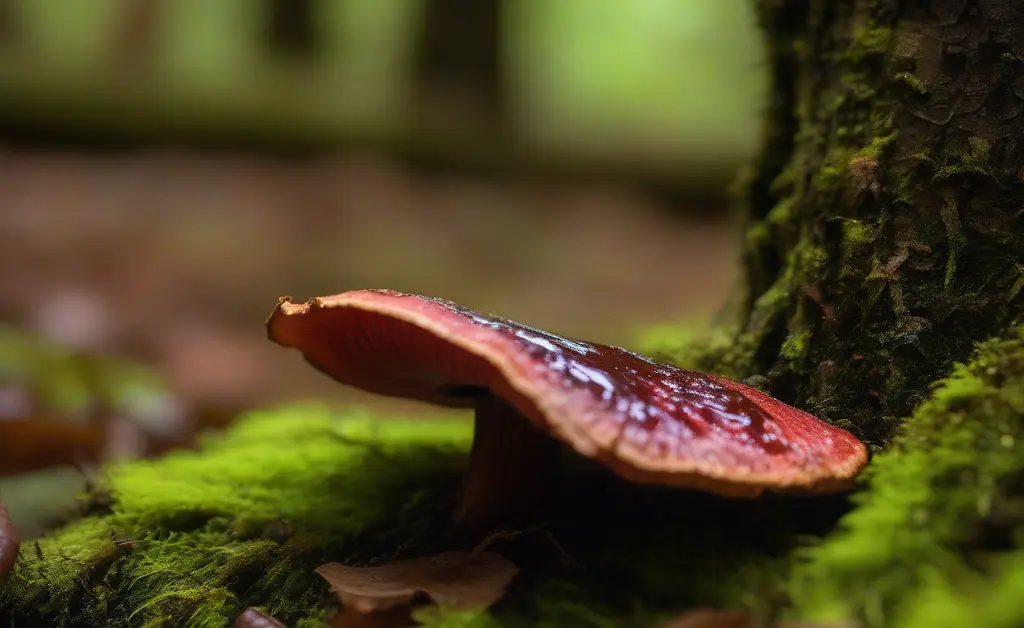
The primary mechanism through which reishi mushroom is thought to influence hirsutism is by modulating androgen activity. Hirsutism is directly caused by either an overproduction of androgens or an increased sensitivity of hair follicles to normal androgen levels. The potential for using reishi mushroom for hirsutism is centered on its ability to interact with the enzymes responsible for androgen synthesis and conversion. By potentially disrupting this process, reishi may help reduce the androgenic stimulation that triggers unwanted hair growth on the face, chest, and back. This targeted action makes it a subject of significant interest for those seeking natural solutions to manage the cosmetic and emotional impact of hirsutism.
Anti-Androgenic Effects and Impact on Hormonal Balance
Reishi mushroom’s most celebrated effect in this context is its potential to act as a natural 5-alpha reductase inhibitor. The enzyme 5-alpha reductase is responsible for converting testosterone into dihydrotestosterone (DHT), a significantly more potent androgen. Elevated DHT levels are a major driver of hirsutism, as DHT binds strongly to receptors in hair follicles, promoting the growth of thick, dark hair. Research suggests that certain triterpenes found in reishi can inhibit this enzyme’s activity. By potentially lowering the conversion of testosterone to DHT, reishi may help reduce overall androgenic load on the body, contributing to better hormonal balance and a subsequent decrease in androgen-driven symptoms like hirsutism.
Mechanisms Behind Reishi Mushroom’s Influence on Hair Follicles
Hair follicles in androgen-sensitive areas of the body contain receptors that respond to hormones like testosterone and DHT. When androgens bind to these receptors, they signal the follicle to produce terminal hair—the coarse, pigmented hair characteristic of hirsutism. Reishi mushroom’s influence may extend directly to the follicular level. By potentially reducing the amount of DHT available in the bloodstream and tissues, there is less of this potent androgen to stimulate the hair follicles. This could result in a slower growth rate of unwanted hair and may, over time, cause the hair to become finer and less noticeable. This mechanism addresses the root cause of the symptom at the site of action, rather than simply managing the hair after it has grown.
Scientific Research on Reishi Mushroom and Hair Growth

While traditional use and anecdotal reports provide a compelling foundation, the scientific community has begun to investigate these claims more rigorously. The focus of modern research on reishi mushroom for hirsutism has been primarily on its biochemical properties, particularly its anti-androgenic potential. Most of the current evidence comes from in vitro (laboratory) and animal studies, which have explored how reishi extracts interact with hormonal pathways. These studies are crucial for understanding the plausible mechanisms of action and provide a scientific basis for its consideration as a complementary therapy for androgen-related conditions.
Studies on Reishi Mushroom and Androgen Levels
Laboratory studies have demonstrated that extracts from reishi mushroom can exhibit significant 5-alpha reductase inhibitory activity. In these controlled environments, researchers have observed that reishi’s active compounds can effectively block the enzyme that converts testosterone to DHT. Some studies have tested numerous mushroom species and found reishi to be one of the most potent inhibitors. While these findings are promising, they have not yet been consistently replicated in large-scale human clinical trials. Further investigation, often supported by institutions like the NIH, is needed to confirm these effects in humans and determine the specific impact on circulating androgen levels in women with hirsutism.
Clinical Observations in PCOS-related Hirsutism
Polycystic ovary syndrome (PCOS) is one of the most common causes of hirsutism, characterized by hormonal imbalance and elevated androgens. While there are no large-scale clinical trials specifically testing reishi mushroom for hirsutism in women with PCOS, practitioners of integrative and functional medicine may incorporate it into broader protocols for managing PCOS symptoms. The rationale is based on reishi’s combined potential to address multiple facets of the syndrome: its anti-androgenic effects may help with hirsutism, its anti-inflammatory properties may reduce systemic inflammation, and its adaptogenic qualities may help manage stress, which can exacerbate hormonal imbalances. These systemic effects may also contribute to reishi mushroom benefits for weight loss in a holistic management plan.
Using Reishi Mushroom Safely for Managing Hirsutism
When considering the use of reishi mushroom for hirsutism, it is essential to prioritize safety and quality. As with any herbal supplement, its effectiveness can be influenced by the form, quality, and method of use. Understanding these factors can help individuals make informed decisions in consultation with a healthcare provider. Because reishi can influence the endocrine and immune systems, a mindful and educated approach is necessary to ensure it complements an overall wellness strategy without causing unintended effects.
Recommended Dosage and Forms
Reishi mushroom is available in several forms, including powders, capsules, tinctures, and teas. The concentration of active compounds can vary widely between these products. There is no universally established dosage for managing hirsutism, as the appropriate amount can depend on an individual’s health status, the specific product’s potency, and the form being used. It is crucial to follow the guidance provided on the product label and, more importantly, to consult with a qualified healthcare practitioner, such as a naturopathic doctor or herbalist. They can help determine a suitable approach based on your unique needs and health profile, ensuring that the use of reishi is both safe and appropriate for your situation.
Guidelines for Selecting Quality Reishi Mushroom Products
The quality of a reishi mushroom supplement can significantly impact its potential efficacy and safety. When choosing a product, look for brands that provide transparency about their sourcing and manufacturing processes. Key indicators of quality include:
- Third-Party Testing: Reputable brands will have their products tested by independent labs to verify purity and potency, ensuring they are free from contaminants like heavy metals and pesticides.
- Extraction Method: Dual extraction (using both water and alcohol) is often preferred as it ensures that both water-soluble compounds (like polysaccharides) and alcohol-soluble compounds (like triterpenes) are present in the final product.
- Fruiting Body vs. Mycelium: Products made from the fruiting body of the mushroom are generally considered superior, as this is where the highest concentration of active compounds is found. Check the label to ensure it specifies “fruiting body.”
- Clear Labeling: The label should clearly state the species (Ganoderma lucidum), the part of the mushroom used, and the extraction ratio if applicable.
Differences Between Reishi Mushroom Extracts and Whole Mushroom
Consumers can choose between reishi mushroom extracts and whole mushroom powders. Extracts are concentrated forms that have undergone a process to isolate the active compounds, resulting in a more potent product. They are often standardized to a certain percentage of triterpenes or polysaccharides. Whole mushroom powder, on the other hand, consists of the entire dried and ground mushroom. While it contains the full spectrum of nutrients in their natural state, the concentration of active compounds is much lower than in an extract. For targeting specific actions like 5-alpha reductase inhibition, extracts are generally considered more effective due to their higher potency.
Potential Side Effects and Precautions
While reishi is generally well-tolerated by most people, some may experience side effects, especially when first starting. Common side effects can include digestive upset, dizziness, dry mouth, or skin rashes. These are often mild and may resolve as the body adjusts. However, individuals with certain conditions should exercise caution. Because reishi can have blood-thinning effects, it should be avoided by those with bleeding disorders or who are scheduled for surgery. People with low blood pressure or those taking blood pressure medication should also be cautious. Due to its effects on the immune system, individuals with autoimmune diseases or those on immunosuppressant drugs should consult a healthcare professional before use.
Interactions with Other Herbal Supplements
Reishi mushroom can potentially interact with other herbal supplements and medications. It is important to be aware of these possible interactions to avoid adverse effects. Reishi may enhance the effects of other supplements that lower blood sugar or blood pressure, requiring careful monitoring. When combined with other herbs known for anti-androgenic properties, such as saw palmetto or spearmint, the cumulative effect is unknown and could be too strong for some individuals. Always inform your healthcare provider about all supplements you are taking to ensure there are no negative interactions.
Long-term Use and Effects on Hormonal Health
The long-term effects of continuous reishi mushroom use on hormonal health have not been extensively studied in humans. Some herbal traditions suggest cycling supplements like reishi—for example, taking it for a few months and then taking a break—to maintain the body’s responsiveness and prevent potential imbalances. Continuous, long-term use should only be undertaken under the guidance of a healthcare professional who can monitor your hormonal health and overall well-being. This is particularly important when using supplements to manage a chronic condition like hirsutism, which is tied to the delicate balance of the endocrine system.
Comparing Reishi Mushroom with Other Natural Remedies for Hirsutism
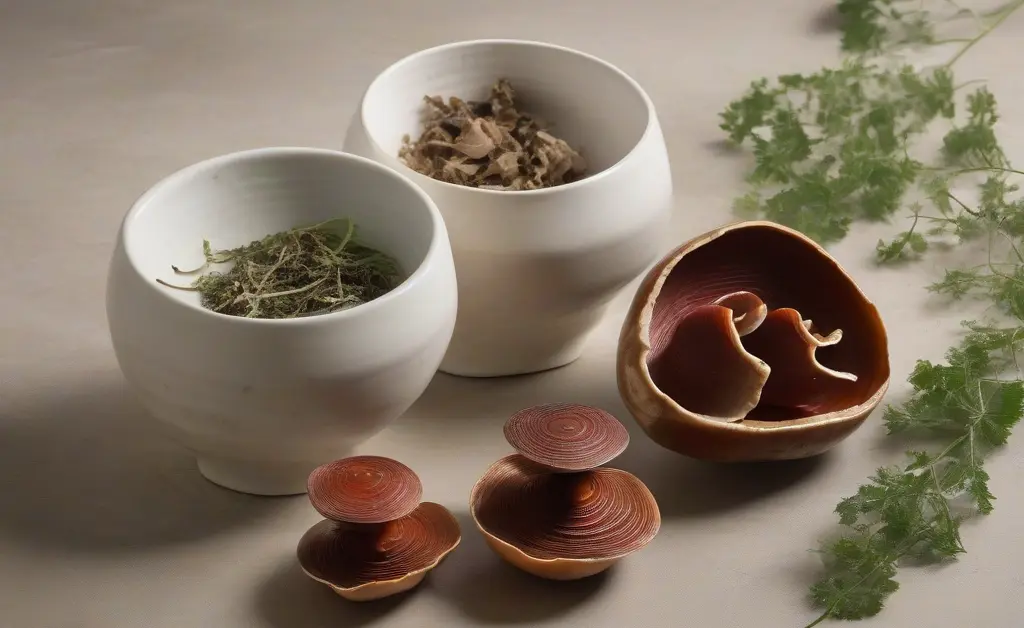
When exploring natural solutions for managing excess hair growth, it is helpful to compare reishi mushroom with other popular herbal remedies. Each remedy works through different, sometimes complementary, mechanisms.
- Spearmint Tea: Studies have shown that spearmint tea has anti-androgenic effects, helping to reduce free testosterone levels in the blood. Its mechanism is different from reishi, as it appears to work more systemically on hormone levels rather than by inhibiting the 5-alpha reductase enzyme.
- Saw Palmetto: Like reishi, saw palmetto is well-known for its ability to inhibit 5-alpha reductase. It is one of the most commonly used herbs for androgen-related issues and works through a similar pathway as reishi, making it a direct alternative or potential complementary herb.
- Flaxseed: Flaxseeds are rich in lignans, which are phytoestrogens. They can help increase sex hormone-binding globulin (SHBG), a protein that binds to testosterone, reducing the amount of free testosterone available to act on hair follicles.
Reishi’s unique profile as an adaptogen and immune modulator sets it apart, offering broader benefits for stress and inflammation that may also contribute to hirsutism.
Potential Benefits of Reishi Mushroom Beyond Hirsutism
While its anti-androgenic properties are the main point of interest for hirsutism, reishi mushroom offers a host of other potential health benefits that contribute to overall wellness. As a premier adaptogen, it is traditionally used to help the body adapt to stress and support a balanced mood. Reishi mushroom is also commonly used to support better sleep. This can be particularly beneficial for those dealing with the emotional and psychological impact of conditions like PCOS and hirsutism.
Furthermore, reishi is celebrated for its powerful effects on the immune system. Its rich polysaccharide content is believed to support immune modulation, helping to maintain a strong and balanced immune response. It is also packed with antioxidants that combat oxidative stress throughout the body, protecting cells from damage and supporting healthy aging. These antioxidants may also contribute to reishi mushroom benefits for eyes. These comprehensive benefits make reishi a valuable addition to a holistic health regimen, addressing not just a single symptom but promoting systemic balance and vitality.
In conclusion, reishi mushroom presents a compelling natural option for those looking to support the management of hirsutism. Its potential to inhibit the 5-alpha reductase enzyme, combined with its anti-inflammatory and adaptogenic properties, addresses several factors that contribute to unwanted hair growth. While scientific research is still in its early stages, the existing evidence and traditional use provide a strong rationale for its consideration. As with any supplement, choosing high-quality products and consulting with a healthcare professional are essential steps to ensure safety and appropriateness for your individual health needs. Reishi mushroom is best viewed as one component of a comprehensive strategy that includes dietary, lifestyle, and other supportive measures for hormonal balance.
The information in this article is intended for knowledge purposes only. This content should not be considered medical advice and does not replace consultation with a qualified healthcare professional. Before starting any new supplement, including reishi mushroom, it is crucial to speak with your doctor, especially if you have a pre-existing medical condition like hirsutism or are taking other medications. Self-diagnosing or self-treating health issues can be unsafe. A healthcare provider can help you navigate your options and create a safe and effective management plan.
How does reishi mushroom reduce unwanted facial hair?
Reishi mushroom contains compounds that have been studied for their potential to influence hormone balance. Specifically, some research indicates it may play a role in inhibiting the enzyme 5-alpha-reductase, which is responsible for converting testosterone into its more potent form, dihydrotestosterone (DHT). By potentially modulating this enzyme activity, reishi is thought to contribute to a reduction in androgenic effects, which can manifest as unwanted hair growth.
Is reishi mushroom effective for treating hirsutism caused by PCOS?
Reishi mushroom has been explored for its capacity to support overall hormonal balance, which is often a key consideration in conditions like PCOS that are linked to androgen excess. While it does not treat PCOS itself, its potential influence on androgen levels is relevant to understanding its role in managing symptoms such as hirsutism.
What is the recommended dosage of reishi mushroom for hirsutism?
Providing specific dosages falls outside the scope of general health education and requires personalized guidance from a qualified health professional. Individual needs and biological responses can vary considerably, making tailored advice essential when considering any natural supplement.
Are there any side effects of using reishi mushroom for hormonal balance?
Reishi mushroom is generally considered well-tolerated by most individuals, but as with any functional food or supplement, personal sensitivities can occur. It is always wise to consult with a healthcare provider, especially if you are taking other medications or have underlying health conditions, to ensure its suitability for your specific situation.
Can reishi mushroom be combined with other natural treatments for hirsutism?
Many individuals explore a holistic approach to wellness, and reishi mushroom may be considered as part of a broader strategy that includes other natural practices. However, discussing any combination of natural treatments with a healthcare professional is important to ensure they are complementary and appropriate for your individual health profile.
How long does it take to see results from using reishi mushroom for hirsutism?
The timeframe for observing any physiological changes from functional mushrooms like reishi can vary greatly among individuals, influenced by factors such as metabolism and consistency of use. Biological processes, especially those related to hormone modulation, typically unfold gradually over weeks or even months.
Is reishi mushroom suitable for all ages when managing hirsutism?
The use of reishi mushroom for specific health concerns across all age groups, particularly in younger populations, warrants careful consideration. It is always recommended to consult with a healthcare provider who can assess individual health status and provide appropriate guidance before incorporating any new supplement.
What forms of reishi mushroom are best for addressing hirsutism?
When considering reishi mushroom for hirsutism, forms that prioritize bioavailability and beneficial compound concentration, such as concentrated extracts, are generally sought after. The extraction method, such as hot water or dual extraction, influences which bioactive compounds are present, making quality and preparation important considerations.