
Discover How Reishi Mushroom Tincture Supports Your Wellness
In our fast-paced lives, many of us find ourselves constantly searching for natural ways to bolster our well-being and maintain balance. Whether it’s the daily grind taking a toll on our energy levels, or the need to support our immune system through changing seasons, identifying effective, holistic remedies can be a challenge. You might feel overwhelmed by the sheer volume of health supplements available, making it hard to discern what truly works. This article aims to cut through the confusion by exploring the benefits and practical applications of reishi mushroom tincture, a traditional adaptogen gaining modern recognition for its potential to support overall health. We’ll delve into what it is, how it works, and how you can incorporate it into your routine.
What is Reishi Mushroom Tincture?
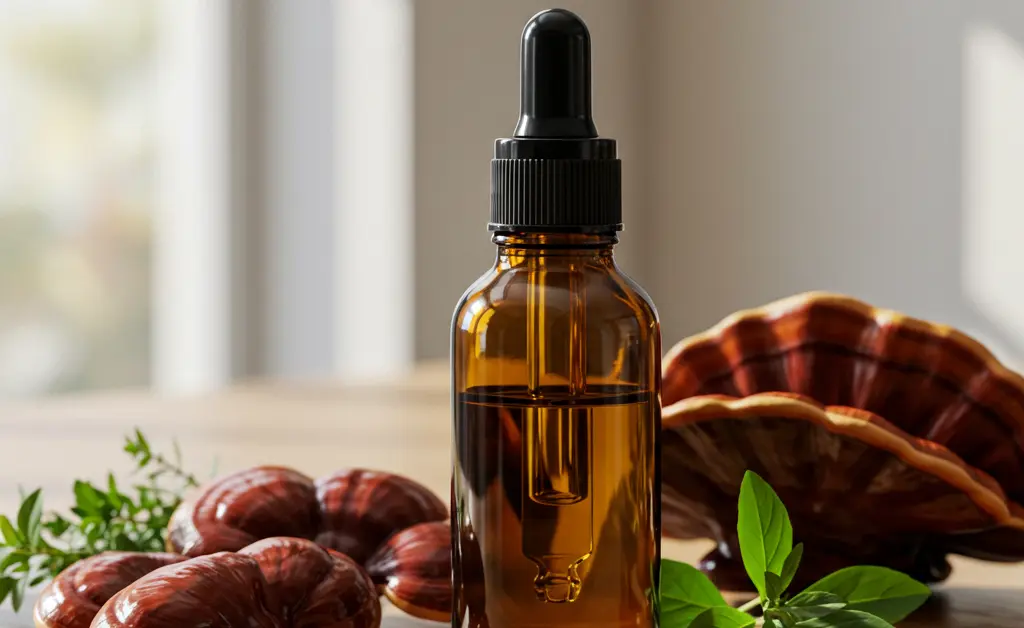
A reishi mushroom tincture is a concentrated liquid extract derived from the reishi mushroom, scientifically known as Ganoderma lucidum. This ancient fungus, often called the “mushroom of immortality” in traditional medicine, is revered for its adaptogenic properties. Tinctures are typically made by soaking dried reishi mushrooms in a solvent, usually a combination of alcohol and water, over a period of weeks or months. This process aims to extract the beneficial compounds, such as triterpenes, polysaccharides, and peptidoglycans, which are believed to be responsible for the mushroom’s reputed health-supporting effects. The resulting liquid is a potent form that can be easily absorbed by the body.
Differences Between Tinctures and Other Forms
Reishi mushroom can be consumed in various forms, including powders, capsules, teas, and tinctures. Each form offers unique advantages. Powders and capsules, while convenient, may not always deliver the full spectrum of compounds due to varying extraction methods and solubility. Along with tinctures, reishi mushroom capsules offer a straightforward consumption method. Teas are a gentler way to consume reishi but might not be as concentrated. Tinctures, especially those utilizing a dual extraction process, are designed to capture both water-soluble and alcohol-soluble compounds, providing a more comprehensive and concentrated profile of the mushroom’s active ingredients. The liquid format also allows for faster absorption into the bloodstream compared to solid forms, making them a popular choice for those seeking efficient delivery of these adaptogenic mushrooms.
Single Extract Tinctures
Single extract tinctures focus on using one primary solvent, typically alcohol, to extract compounds from the reishi mushroom. While effective for alcohol-soluble compounds like triterpenes, this method may not fully capture all the beneficial constituents, particularly the water-soluble polysaccharides which are abundant in reishi. These types of herbal tinctures are simpler to produce and can still offer significant benefits, but they might be less comprehensive than a dual extract, which aims to provide a broader range of the mushroom’s bioactive compounds.
Reishi Mushroom Tincture Benefits
The reishi mushroom tincture is highly valued in holistic wellness for its potential to support various bodily systems. Traditionally, it has been used for its adaptogenic qualities, meaning it may help the body adapt to stressors and maintain balance. Many individuals use reishi mushroom liquid extract for natural stress relief, finding that it may contribute to a sense of calm and well-being. Its reputation often centers around its potential to support the immune system. The bioactive compounds within the mushroom are studied for their role in immune modulation, potentially helping the body’s natural defenses function optimally. Beyond immune support, some users explore this concentrated mushroom extract for its possible antioxidant properties and its traditional association with promoting overall vitality.
How to Make a Reishi Mushroom Tincture
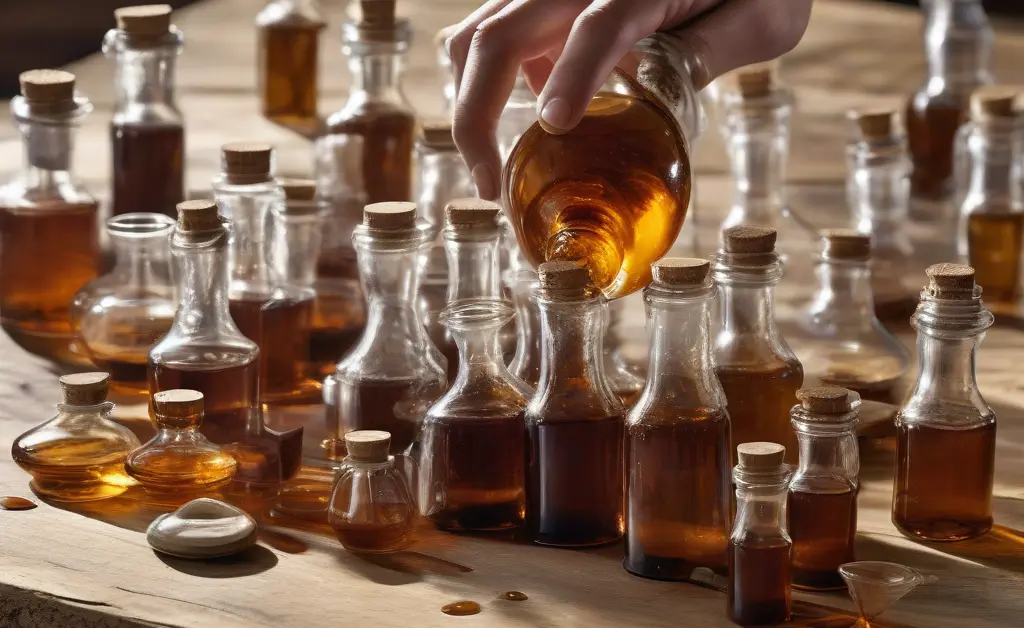
Creating your own reishi mushroom tincture involves a process of extraction designed to draw out the beneficial compounds from the mushroom. Typically, this begins by sourcing high-quality, dried reishi mushrooms. The mushrooms are then simmered in water to extract water-soluble components, followed by soaking in an alcohol solution to capture alcohol-soluble compounds. This two-stage approach, particularly the dual extraction method, is crucial for maximizing the potency and breadth of beneficial constituents. The process requires patience, as the alcohol extraction can take several weeks or even months to complete, allowing the solvent to thoroughly infuse with the mushroom material and draw out its essences before filtering and bottling the final liquid mushroom extract.
Dual Extraction Process
The dual extraction process is considered the most comprehensive method for creating potent reishi mushroom tinctures. This technique involves two distinct extraction steps: one using hot water and another using alcohol. First, dried reishi mushrooms are decocted (simmered) in water for an extended period. This hot water extraction is essential for drawing out water-soluble compounds, particularly polysaccharides, which are believed to play a significant role in immune support. After the water extraction, the remaining mushroom material is then soaked in a high-proof alcohol solution for several weeks to months. This alcohol extraction targets alcohol-soluble compounds, such as triterpenes, which are also highly valued for their potential benefits. Combining these two extracts yields a more complete and potent final product, capturing a wider spectrum of the mushroom’s bioactive compounds than a single extract method could achieve.
Reishi Mushroom Tincture Dosage and Usage
Determining the appropriate reishi mushroom tincture dosage and usage can depend on various factors, including the concentration of the product, individual body chemistry, and the specific wellness goals. It is generally advised to follow the manufacturer’s recommendations provided on the product label. Many choose to start with a smaller amount and gradually adjust as needed, while paying close attention to their body’s response. Consistency in use is often emphasized when incorporating adaptogenic mushrooms like reishi into a daily wellness regimen. Consulting with a qualified health professional can also provide personalized guidance on dosage and integration into your routine, especially if you have existing health conditions or are taking other supplements.
Recommended Dosage
Establishing a recommended dosage for reishi tinctures is not universal, as potency can vary significantly between products. Factors such as the extraction method (e.g., dual extract tincture), the concentration of the liquid mushroom extract, and the specific part of the mushroom used all play a role. General guidelines often suggest a range, but it’s paramount to adhere to the instructions provided by the product manufacturer on the packaging. Starting with the lower end of a suggested range and observing your body’s reaction can be a prudent approach. It’s advisable to seek guidance from a qualified health practitioner to determine an appropriate amount that aligns with your individual needs and health status.
Methods of Consumption
Reishi mushroom tinctures are versatile and can be consumed in several ways. The most common method involves placing the liquid directly under the tongue for sublingual absorption, which may allow for faster entry into the bloodstream. Alternatively, the tincture can be added to a glass of water, juice, tea, or even a smoothie. For those who prefer beverages, a warm reishi mushroom drink can be an excellent option. Many prefer to mix it into their morning beverage as part of a daily routine. Some people might find the taste of the pure tincture to be earthy or slightly bitter, so mixing it with another liquid can make it more palatable. A popular and enjoyable way to consume it is by adding it to a reishi mushroom hot chocolate. It’s important to use the dropper provided with the product for accurate measurement, regardless of the chosen consumption method.
Concentration and Potency
The concentration and potency of a reishi mushroom tincture are critical indicators of its quality and effectiveness. Concentration refers to the ratio of mushroom material to the solvent used during extraction. A higher concentration typically means more active compounds per serving. Potency, on the other hand, relates to the strength of the extracted compounds themselves, often influenced by the quality of the raw reishi mushroom and the extraction method employed. A dual extract tincture, for instance, is generally considered more potent because it captures a broader spectrum of both water-soluble and alcohol-soluble constituents. Reputable brands usually provide information on their product’s concentration, such as a 1:1 or 1:3 ratio, and may also list the levels of key bioactive compounds like polysaccharides or triterpenes, helping consumers understand the strength of the liquid mushroom extract they are purchasing.
Potential Side Effects and Precautions of Reishi Mushroom Tincture
While reishi mushroom tincture is generally well-tolerated by many, it’s important to be aware of potential side effects and precautions. As with any supplement, individual responses can vary. Some individuals may experience mild digestive upset, dryness in the mouth or throat, or skin rashes. These reactions are typically uncommon and mild. It’s always advisable to consult with a healthcare professional before starting any new supplement, particularly if you have underlying health conditions, are pregnant or breastfeeding, or are taking other medications. Monitoring your body’s response and discontinuing use if adverse reactions occur is a prudent approach when incorporating reishi mushroom liquid extract into your wellness routine.
Common Side Effects
While often well-tolerated, some individuals may experience mild and temporary common side effects when consuming reishi mushroom tincture. These can include digestive discomforts such as an upset stomach, nausea, or diarrhea. Other reported effects might involve dryness of the mouth, throat, or nasal passages, and in some rare cases, skin rashes or itchiness. These reactions are typically not severe and often subside with continued use or by adjusting the amount consumed. However, if any adverse effects persist or worsen, it is advisable to discontinue use and consult a healthcare provider.
Who Should Avoid Reishi Tincture
Certain individuals should exercise caution or avoid using reishi mushroom tincture altogether. This includes pregnant and breastfeeding individuals, as there is insufficient research on its effects in these populations. People undergoing surgery should also stop using reishi supplements prior to the procedure, due to potential effects on blood clotting. Individuals with bleeding disorders or those taking anticoagulant medications should use reishi with caution, as it may potentially affect blood coagulation. Furthermore, those with compromised immune systems, or individuals taking immunosuppressant drugs, should consult a healthcare professional before incorporating reishi, as it may interact with their medication or condition. Always seek medical advice if you have any pre-existing health conditions or are on prescription medication.
Choosing and Buying the Best Reishi Mushroom Tincture
When seeking to purchase the best reishi mushroom tincture, several factors should guide your decision to ensure you are getting a high-quality product. The market for mushroom supplements has grown significantly, making it essential to be discerning. When looking for wellness products, a high-quality reishi mushroom supplement is a popular choice. Look for clear indications of the mushroom’s origin, the extraction method used, and any third-party certifications. A reputable supplier will be transparent about their processes and the purity of their ingredients. Prioritizing products made from organic reishi mushroom and those that undergo rigorous testing can help ensure you receive a pure and potent liquid mushroom extract that aligns with your wellness goals.
Organic and Farm-Grown Mushrooms
The source of the reishi mushroom is a critical factor in the quality of the final tincture. Opting for organic reishi mushroom ensures that the fungus has been grown without synthetic pesticides, herbicides, or genetically modified organisms, which can compromise the purity of the extract. Farm-grown mushrooms, especially those cultivated under controlled conditions, can offer a consistent quality and potency that wild-harvested reishi might lack due to environmental variables. Reputable cultivators focus on mimicking the mushroom’s natural growing conditions, ensuring optimal development of beneficial compounds. This careful cultivation contributes significantly to the overall efficacy of the reishi mushroom tincture.
Source and Farming Practices
Understanding the source and farming practices behind your reishi mushroom tincture is essential for assessing its quality and ethical production. High-quality reishi is often grown on specific hardwood logs, mimicking its natural habitat, or in controlled indoor environments that optimize its growth and the development of its bioactive compounds. Responsible farming practices ensure sustainability and prevent contamination from heavy metals or environmental pollutants that mushrooms can readily absorb from their surroundings. Brands that are transparent about where their reishi comes from and how it is cultivated typically indicate a commitment to producing a superior and safer concentrated mushroom extract.
Certification and Testing
Certification and third-party testing are paramount indicators of a high-quality reishi mushroom tincture. Look for products that have undergone independent lab testing for purity and potency. These tests can confirm the absence of contaminants like heavy metals, pesticides, and microbial impurities, while also verifying the concentration of key bioactive compounds such as polysaccharides and triterpenes. Certifications such as organic seals or non-GMO verification further assure consumers of the product’s integrity. Reputable regulatory bodies like EFSA provide guidelines on food safety and labeling. Such rigorous testing and certification provide an extra layer of confidence that the reishi mushroom liquid extract is safe, effective, and meets its advertised specifications, offering peace of mind to the user.
Signs of Quality in Reishi Tinctures
Identifying a high-quality reishi mushroom tincture involves looking for several key indicators. Firstly, transparency about the extraction method is crucial; a dual extract tincture typically yields a broader spectrum of compounds. Secondly, check for explicit information on the mushroom’s source, ideally organic and farm-grown, minimizing exposure to contaminants. Third-party lab testing results, confirming purity and potency (e.g., levels of triterpenes and polysaccharides), are strong indicators of a reliable product. Furthermore, reputable brands will often provide clear labeling regarding concentration ratios and recommended usage. A rich, dark color and a characteristic earthy aroma can also be subtle signs of a well-made liquid mushroom extract.
Storage and Shelf Life of Reishi Mushroom Tincture
Proper storage is essential to maintain the potency and extend the shelf life of a reishi mushroom tincture. Tinctures are generally stable due to their alcohol content, which acts as a natural preservative. It is best to store the tincture in a cool, dark place, away from direct sunlight and heat, such as a pantry or cupboard. Keeping the cap tightly sealed after each use prevents oxidation and evaporation of the alcohol. While specific shelf life can vary by product and formulation, most well-made tinctures can last for several years when stored correctly. Always refer to the expiration date provided by the manufacturer, and discard the product if you notice any changes in color, odor, or consistency that may indicate spoilage.
Exploring the world of reishi mushroom tincture reveals a rich history of traditional use combined with modern scientific interest in its potential benefits. From understanding its comprehensive dual extraction process to discerning a high-quality product, conscious choices can help integrate this adaptogen into a holistic wellness journey. As with any supplement, individual experiences may vary, and consistent use alongside a balanced lifestyle is often key to observing its subtle effects. By focusing on quality sourcing and mindful consumption, individuals may find reishi mushroom liquid extract a valuable addition to their routine for supporting overall well-being and natural stress relief.
This content is for informational use and should not be considered medical instruction. It is not intended to provide medical advice, diagnosis, or treatment. Always consult with a qualified healthcare professional before starting any new supplement, especially if you have pre-existing health conditions or are taking medications. Individual results may vary, and the information provided does not guarantee specific outcomes. Reliance on any information provided in this content is solely at your own risk.
FAQ
What are the benefits of taking reishi mushroom tincture?
Reishi mushroom is valued for its adaptogenic properties, which support the body’s ability to maintain balance and adapt to stress. Its beneficial compounds, such as polysaccharides and triterpenes, are known to play a role in modulating immune function and promoting a sense of calm.
How do you use reishi mushroom tincture?
Tinctures are concentrated liquid extracts typically taken orally for their convenience and absorption. They are often added to water, juice, or other beverages, allowing for straightforward integration into a daily wellness routine.
Is reishi mushroom tincture safe for daily use?
Generally, reishi mushroom is considered well-tolerated for consistent use among most individuals. As with any botanical product, it is prudent to consider individual responses and consult with a qualified health professional regarding long-term daily intake.
What does dual extract mean in reishi tinctures?
A dual extraction method involves using both hot water and alcohol during the extraction process. This technique aims to capture a broader spectrum of beneficial compounds, such as water-soluble polysaccharides and alcohol-soluble triterpenes, from the mushroom material.
How long does it take for reishi tincture to work?
The timeline for experiencing effects from reishi mushroom preparations can vary significantly from person to person. Many find that consistent, long-term use is often associated with more noticeable and sustained benefits, rather than immediate dramatic changes.
Can reishi mushroom tincture be combined with other supplements?
Combining reishi mushroom tincture with other supplements is commonly practiced, though individual interactions can occur. It is always advisable to discuss such combinations with a healthcare professional, especially if you are taking other medications or have underlying health conditions.
What should I look for when buying a reishi mushroom tincture?
When selecting a high-quality reishi mushroom tincture, it is important to consider factors like the mushroom’s origin, the extraction method used, and whether the product has undergone third-party testing for purity and potency. Transparent labeling indicating the active compounds can also be helpful in making an informed choice.
How should reishi mushroom tincture be stored?
To maintain its potency and shelf life, reishi mushroom tincture should be stored in a cool, dark place, away from direct sunlight and excessive heat. Ensuring the cap is tightly sealed after each use also helps prevent degradation of the extract.