
How to Sauté Button Mushrooms to Perfection
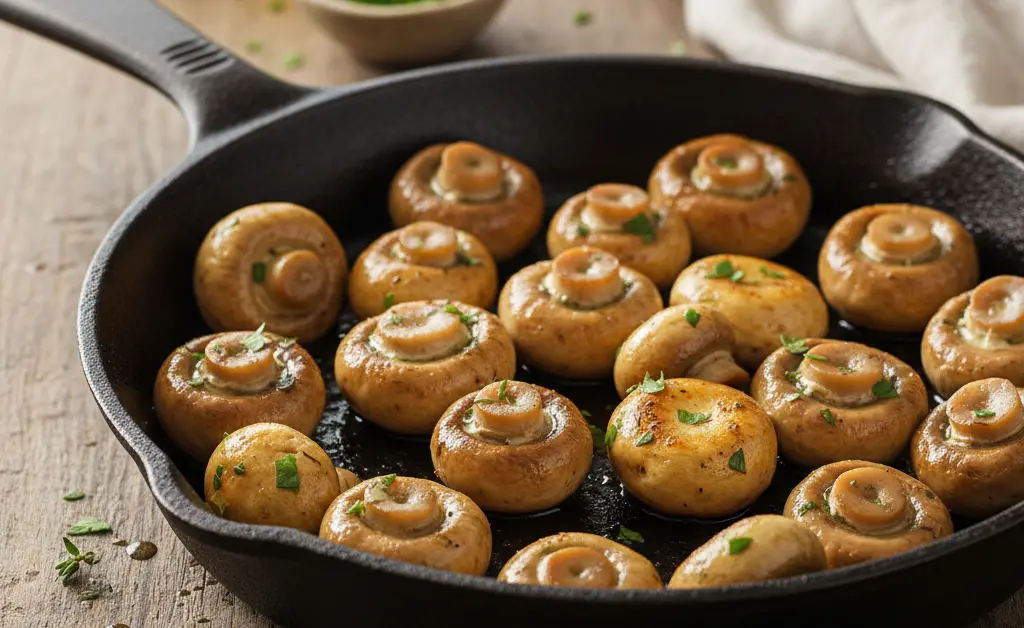
Learning to perfectly prepare sautéed button mushrooms can transform ordinary meals into culinary delights, offering a simple yet profound enhancement to a wide array of dishes. This technique, when mastered, unlocks the rich, earthy flavors and tender texture of mushrooms, making them an ideal accompaniment for steaks, poultry, pasta, or even as a standalone side. Achieving that golden-brown exterior and succulent interior doesn’t require complex skills, but rather an understanding of a few key principles regarding heat, fat, and seasoning. This guide will walk you through each step, ensuring your sautéed button mushrooms are consistently delicious and a valuable addition to your cooking repertoire.
Best Sautéed Button Mushrooms Recipe
Crafting delicious sautéed button mushrooms begins with selecting the right ingredients. The quality of your components directly influences the final taste and texture of the dish. While the technique itself is straightforward, paying attention to these foundational elements can elevate a simple side dish into something truly memorable.
Mushroom Selection (Button Mushrooms)
For this recipe, the primary ingredient is button mushrooms, also known as white mushrooms. Look for mushrooms that are firm, smooth, and free of blemishes. Their caps should be closed or only slightly open, indicating freshness. These common and versatile fungi offer a mild, earthy flavor that intensifies beautifully when cooked, making them an excellent choice for sautéing. You might also explore other mushroom varieties, such as those found in oyster mushroom recipes.
Fat (Butter, Olive Oil)
The choice of fat plays a crucial role in both the flavor and the browning of your mushrooms. Butter is a classic choice, imparting a rich, nutty flavor that complements the earthiness of the mushrooms. However, butter alone can burn easily at high temperatures. Combining butter with olive oil offers the best of both worlds: the flavor of butter and the higher smoke point of olive oil, allowing for better browning without scorching. A good quality extra virgin olive oil can also be used on its own for a lighter, more vibrant flavor profile.
Aromatics (Garlic, Onion)
Aromatics infuse the sautéed button mushrooms with depth and complexity. Garlic, minced or sliced thin, is a nearly universal pairing with mushrooms, adding a pungent, savory kick. Onions, finely diced or thinly sliced, offer a sweeter, more delicate counterpoint once caramelized. These ingredients should be added at the right moment to ensure they soften and release their flavors without burning, contributing to a harmonious taste profile. For those interested in different mushroom preparations, porcini mushroom croquette recipes offer a unique way to enjoy mushrooms.
Seasonings (Salt, Pepper, Herbs)
Proper seasoning is essential to bring out the natural flavors of the mushrooms. Coarse salt, such as kosher or sea salt, helps to draw out moisture from the mushrooms, which aids in browning, and enhances their savory notes. Freshly ground black pepper adds a gentle heat and aromatic complexity. Beyond these staples, fresh herbs like thyme, rosemary, or parsley can introduce bright, herbaceous notes. Dried herbs can also be used, though typically in smaller quantities. These seasonings, when balanced, transform the simple taste of mushrooms into a more sophisticated culinary experience.
Step-by-Step Sautéing Instructions
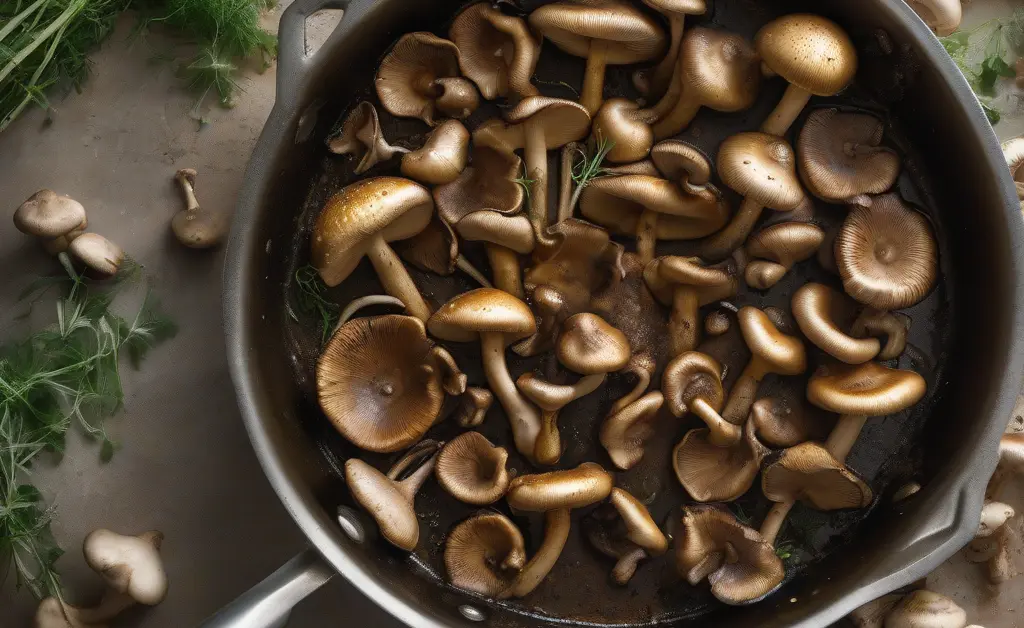
Mastering the art of sautéing involves a sequence of precise steps that ensure your mushrooms achieve that coveted golden-brown exterior and tender interior. Following these instructions will guide you to consistently excellent sautéed button mushrooms.
Prepping the Mushrooms
Before cooking, it’s important to prepare your button mushrooms properly. Avoid washing them under running water, as they absorb moisture like sponges, which can hinder browning. Instead, gently wipe them clean with a damp cloth or a mushroom brush to remove any dirt. For smaller mushrooms, you can leave them whole. Larger ones can be halved or quartered, ensuring uniform size for even cooking. Trimming the very end of the stem, if dry or discolored, is also recommended.
Heating the Pan
The right pan and proper heat are crucial. Use a large, heavy-bottomed skillet, such as cast iron or stainless steel, which distributes heat evenly. Place the pan over medium-high heat and allow it to heat thoroughly for a few minutes before adding any fat. You want the pan to be hot enough to sizzle when the fat is added, but not smoking. This initial high heat is key for achieving a good sear.
Sautéing the Mushrooms
Once the pan is hot, add your chosen fat (a combination of butter and olive oil works well) and let it melt and shimmer. Then, add the prepped mushrooms in a single layer, ensuring not to overcrowd the pan. Overcrowding will lower the pan temperature and cause the mushrooms to steam rather than brown. Cook the mushrooms undisturbed for several minutes until they release their moisture and begin to brown beautifully on one side. Stir occasionally thereafter until they are golden brown and tender all over. This step is critical for developing the rich, umami flavor. If you prefer a different cooking method, consider a button mushroom air fryer recipe.
Adding Aromatics and Seasonings
After the mushrooms have achieved a good color, reduce the heat to medium. Now is the time to add your aromatics, such as minced garlic or diced onion. Sauté them with the mushrooms for another minute or two, just until fragrant, being careful not to burn the garlic. Stir in your seasonings, including salt and freshly ground black pepper. If using dried herbs, you can add them at this stage to allow their flavors to bloom in the warm pan. This ensures the seasonings are well-distributed and their flavors are fully integrated into the dish.
Finishing the Dish
To finish your sautéed button mushrooms, taste and adjust the seasonings as needed. If using fresh herbs like chopped parsley or chives, stir them in just before serving to preserve their vibrant color and fresh aroma. A squeeze of fresh lemon juice can also brighten the flavors and add a touch of acidity. Serve immediately to enjoy their optimal texture and taste. They can be enjoyed as a side dish or incorporated into other recipes.
Tips for Perfect Sautéed Mushrooms
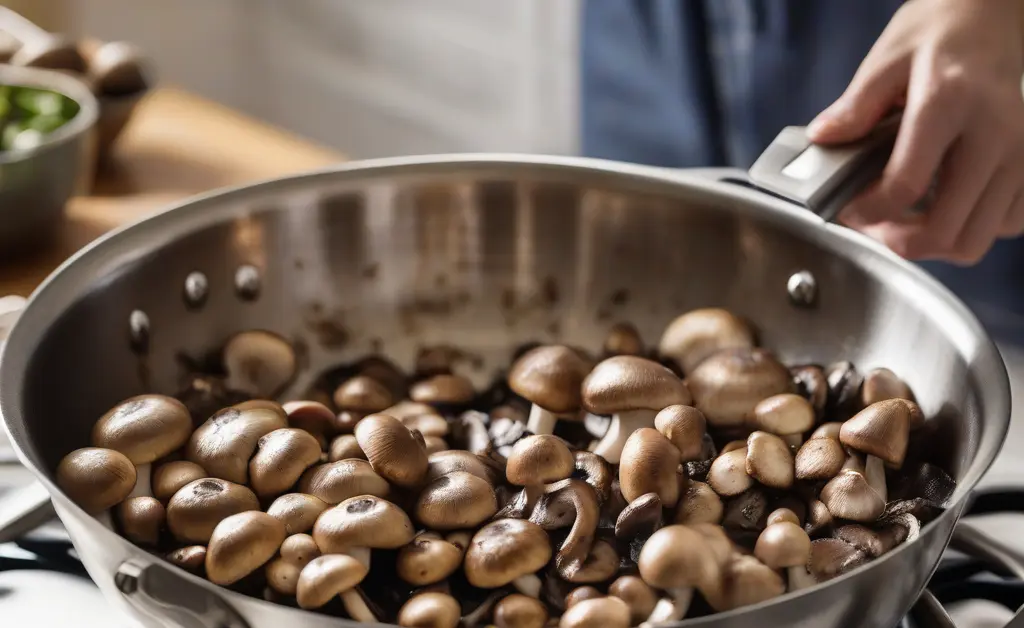
Achieving perfectly cooked sautéed button mushrooms consistently involves more than just following steps; it requires understanding a few key principles. These tips will help you avoid common pitfalls and ensure your mushrooms are always delicious.
- Don’t Overcrowd the Pan: This is perhaps the most critical rule. When too many mushrooms are added to the pan, they release moisture, which lowers the pan’s temperature. Instead of searing and browning, they end up steaming, resulting in soggy, pale mushrooms. Cook in batches if necessary, allowing enough space for air to circulate and moisture to evaporate.
- Use the Right Heat: Start with medium-high heat to get a good sear on the mushrooms. This high heat helps to quickly evaporate moisture and develop that desirable golden-brown crust. Once they start browning, you can reduce the heat slightly to finish cooking through without burning the aromatics.
- Avoid Washing Mushrooms (if possible): Mushrooms are highly porous and will absorb water, making it harder for them to brown. Instead of rinsing, gently wipe them clean with a damp paper towel or a soft brush to remove any dirt or debris.
- Cook Until Golden Brown: The key to flavorful mushrooms is allowing them to develop a deep golden-brown color. This browning indicates the Maillard reaction has occurred, which creates complex, savory flavors. Don’t rush this process; patience will be rewarded with richer taste.
- Season Appropriately: Add salt later in the cooking process, after the initial browning has occurred. While salt can help draw out moisture, adding it too early might pull out too much water too quickly, leading to less browning. Freshly ground black pepper and other seasonings can be added as the mushrooms near completion.
Variations and Serving Suggestions
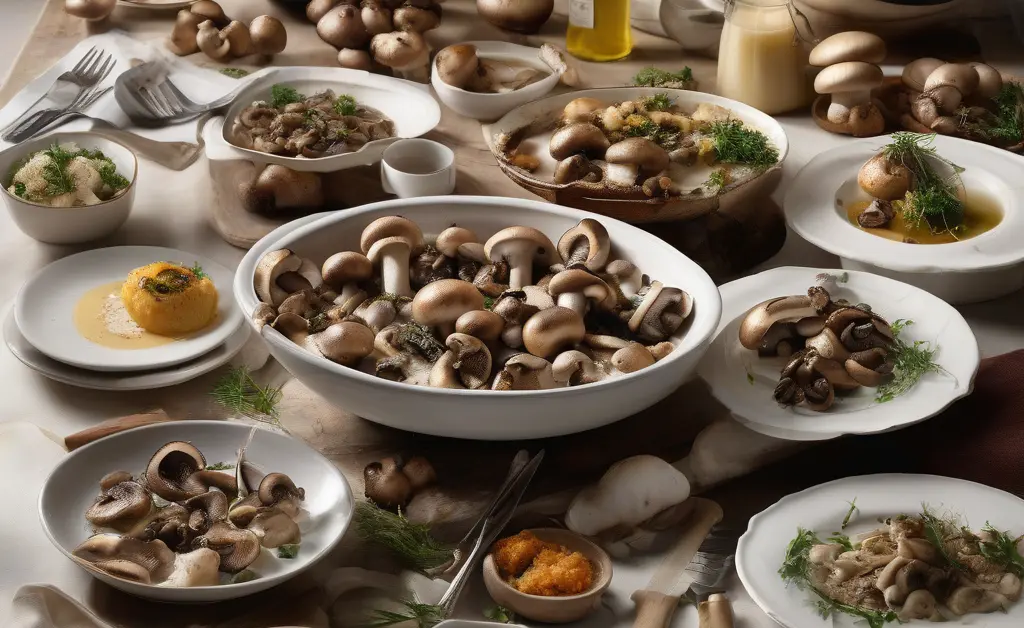
Sautéed button mushrooms are incredibly versatile, serving as a delicious component in a wide array of dishes. Their savory, earthy flavor makes them an excellent complement to many cuisines and meal types. Here are a few ways to vary and serve your perfectly cooked mushrooms.
Sauteed Mushrooms (with Buttery Garlic Sauce)
Elevate your basic sautéed button mushrooms by finishing them with a rich buttery garlic sauce. After the mushrooms are cooked to perfection, melt additional butter in the pan, adding finely minced garlic and perhaps a splash of white wine or vegetable broth. Let the sauce gently simmer and reduce slightly, then toss the mushrooms in it. This creates a luxurious coating that is perfect for serving alongside steak or chicken, or even spooned over creamy polenta. Adding herbs like chopped fresh parsley or chives at the very end will provide a fresh counterpoint to the richness.
Sauteed Garlic Butter Mushrooms
A slight variation from the buttery garlic sauce, sautéed garlic butter mushrooms emphasize the direct infusion of garlic and butter during the main cooking process. Begin by melting butter and a small amount of olive oil in the pan. Add the mushrooms and let them brown, then incorporate fresh minced garlic directly into the pan. This allows the garlic to mellow and integrate its flavor deeply into the mushrooms as they continue to cook. Finish with a sprinkle of salt and pepper, and perhaps a squeeze of lemon juice to brighten the flavors. These are ideal for serving as a standalone side dish, adding to an omelet, or as a topping for toasted bread. For those seeking different mushroom preparations, exploring Korean king oyster mushroom recipes might offer inspiration.
Beyond these specific variations, sautéed button mushrooms can be incorporated into numerous other dishes. They make a fantastic addition to pasta sauces, stir-fries, risottos, and quiches. You can also incorporate other vegetables like bell peppers or spinach towards the end of the sautéing process for a more robust side dish. Consider serving them as a topping for burgers or pizzas, or blending them into savory tarts. Their adaptability ensures they are a valuable ingredient in any kitchen. Reliable health information can be found through sources like NIH.
Mastering the technique for perfectly sautéed button mushrooms opens up a world of culinary possibilities, allowing you to enhance everyday meals with their rich flavor and tender texture. By paying attention to the details of ingredient selection, proper pan heating, and careful seasoning, you can consistently achieve results that are both simple and profoundly delicious. Whether served as a humble side dish or a star component in a more elaborate meal, these versatile fungi are sure to impress.
not applicable
FAQ
How do you sauté button mushrooms?
Sautéing button mushrooms involves cooking them in a hot pan with a bit of fat until they release their moisture and become tender and golden brown. This method caramelizes their natural sugars, enhancing their flavor and texture. The key is to avoid overcrowding the pan, which can lead to steaming rather than browning.
What is the best way to cook button mushrooms?
Many find sautéing to be an excellent way to cook button mushrooms because it concentrates their flavor and creates a pleasing texture. Other methods like roasting also bring out delicious flavors by caramelizing their sugars. Ultimately, the “best” way often depends on personal preference and the desired outcome for a dish.
How long should you sauté button mushrooms?
The duration for sautéing button mushrooms can vary depending on the heat of your pan and how much moisture they release. Generally, it takes about 5 to 10 minutes for them to become tender and achieve a nice golden color. You’ll notice them shrinking slightly and their edges becoming nicely browned.
What oil is best for sautéed mushrooms?
For sautéed mushrooms, oils with a moderate to high smoke point are often preferred, such as olive oil or avocado oil. These fats help achieve a good sear and caramelization without burning. Butter can also be used, often in combination with oil, for added richness and flavor.