
A Forager’s Guide to the Violet Hedgehog Mushroom
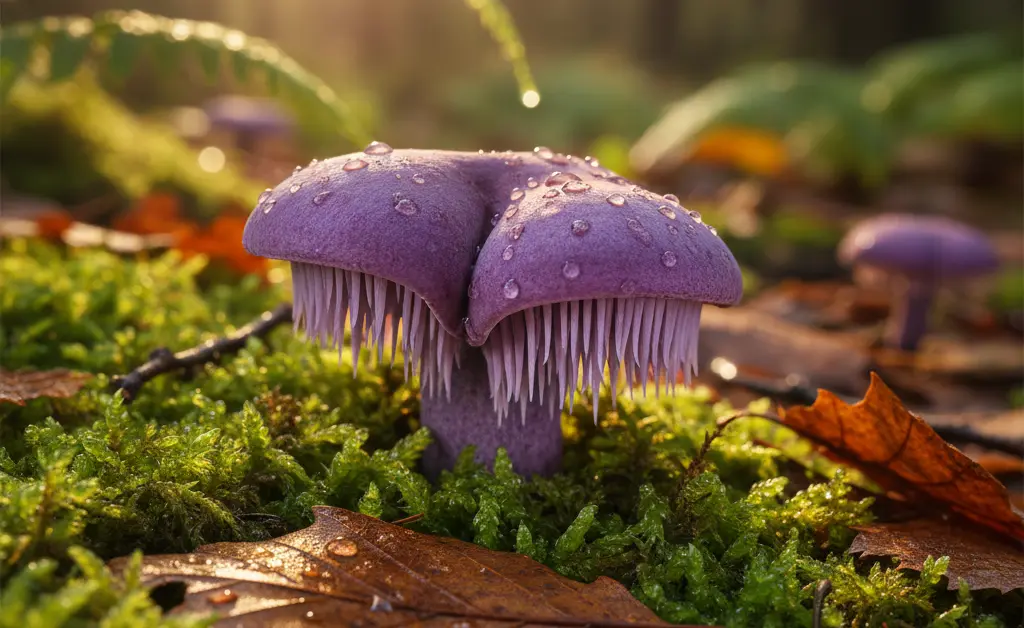
Picture this: you’re walking through a damp, mossy forest, and you spot a mushroom unlike any you’ve seen before. It boasts an unusual violet hue and, instead of traditional gills, it has small, tooth-like projections underneath. Your immediate thoughts might be, “What is this fascinating fungus? Is it safe to touch, let alone eat?” Foragers often encounter such unique species, leading to questions about identification, edibility, and ecological significance. This guide aims to demystify one such intriguing specimen: the violet hedgehog mushroom. We’ll explore its distinct features, help you differentiate it from similar species, discuss its culinary potential, and uncover some lesser-known facts about this beautiful organism. Whether you’re an experienced mushroom hunter or a curious beginner, understanding this particular species is a rewarding part of connecting with nature.
Violet Hedgehog Mushroom: Identification and Species
Understanding the term “violet hedgehog mushroom” often requires a closer look at the species it might encompass, as common names can sometimes be ambiguous. While not a single, formally recognized scientific species, this descriptive name is typically applied to certain fungi characterized by a violet or purplish coloration and a tooth-like (hydnoid) spore-bearing surface beneath the cap, rather than gills. This combination of “violet” and “hedgehog-like” features helps identify a fascinating group of mushrooms. Identifying features for violet and hedgehog-like mushrooms generally include examining the cap’s color, shape, and texture, the arrangement and nature of the teeth (spines), and the stem’s characteristics. Spore print and flesh color changes upon bruising or cutting are also crucial for accurate identification.
It’s important to distinguish the fungi commonly referred to as the violet hedgehog mushroom from other species that might share some characteristics, such as the Indigo Milk Cap (Lactarius indigo), which has a deep blue color and gills, and the True Hedgehog Mushroom (Hydnum repandum), which is typically tan to orange and also features spines. There are also other violet-colored mushrooms that do not possess the distinctive teeth. Typical habitat and growth patterns often include coniferous or mixed forests, growing terrestrially or sometimes on decaying wood. These fungi play an important ecological role in their native environments.
Hydnellum fuscoindicum (Violet Hedgehog)
One of the primary species associated with the “purple hedgehog mushroom” moniker is Hydnellum fuscoindicum. This striking fungus is known for its deep purplish to brownish-purple cap, which often has an irregular or undulating margin. Its most distinguishing feature is the densely packed, downward-pointing teeth on the underside of the cap, which are typically lighter in color, ranging from whitish to pale violet. The stem is generally stout and concolorous with the cap. Hydnellum fuscoindicum is typically found growing on the ground in coniferous forests, often forming mycorrhizal associations with pine trees. Unlike some other mushroom species, it does not typically show significant color changes upon bruising or cutting, maintaining its characteristic hues. While visually appealing, this species is generally not considered edible due to its tough texture and earthy, often bitter taste.
Foragers often seek out various hedgehog mushroom types, but caution is always advised. Understanding the specific characteristics of each can prevent misidentification. The true violet hedgehog mushroom itself, when referring to the Hydnellum or Sarcodon species, stands apart from these in terms of culinary appeal. Always consult multiple reliable field guides and, ideally, an experienced mycologist before consuming any wild mushroom.
Sarcodon fuscoindicus (Violet hedgehog)
Another species that might be referenced when discussing the violet hedgehog is Sarcodon fuscoindicus, although there can be some historical taxonomic overlap and discussion between genera like Hydnellum and Sarcodon. Scientific names offer precision, while common names can vary geographically and lead to confusion. The potential origins of the name “violet hedgehog” succinctly describe the visual attributes: the distinct purplish hue and the spine-like structures beneath the cap. Sarcodon fuscoindicus typically exhibits a robust cap, often with a velvety or scaly surface, ranging in color from purplish-brown to deep indigo. The spines underneath are usually paler than the cap, becoming more brownish with age. These mushrooms are typically found growing terrestrially in forested areas, particularly under conifers. While possessing a captivating appearance, similar to other species in its genus, Sarcodon fuscoindicus is not usually sought for its culinary properties. Some foraging guides also discuss the characteristics of a black hedgehog mushroom, highlighting the diversity within this group.
Edibility and Culinary Considerations
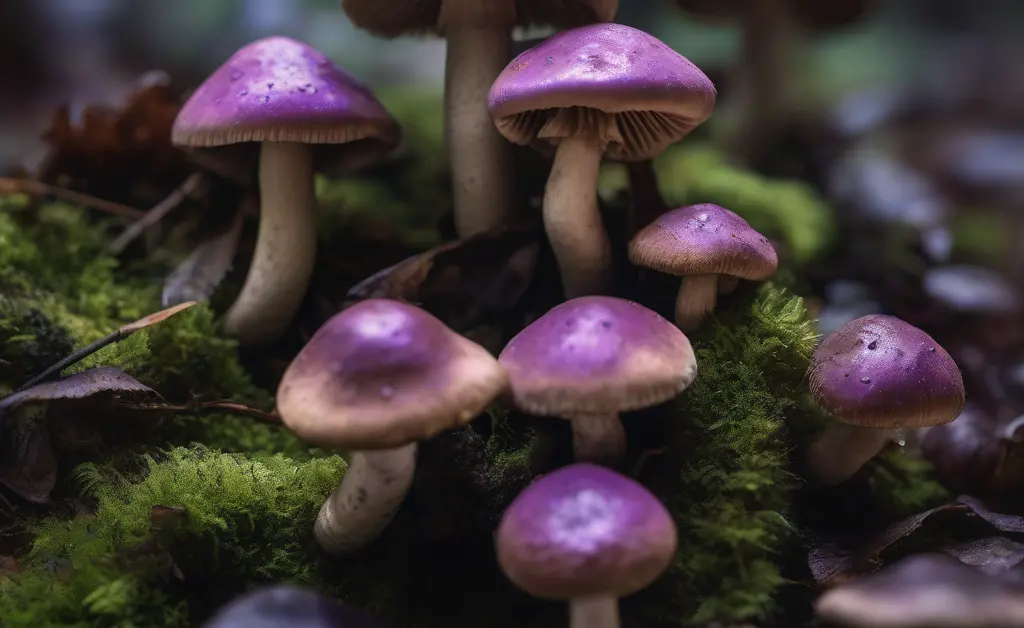
When considering the edibility of any mushroom, including those broadly described as the violet hedgehog mushroom, positive identification is paramount. Misidentification can have serious consequences, as some look-alikes may be inedible or even toxic. The species most commonly associated with the “violet hedgehog” description, such as Hydnellum fuscoindicum or Sarcodon fuscoindicus, are generally not considered choice edible mushrooms. They tend to have a tough, fibrous texture and can possess a bitter or unpalatable taste, making them unsuitable for most culinary uses.
For comparison, other violet-colored mushrooms or those with similar structures might have different edibility profiles. For instance, the Edibility of the Indigo Milk Cap (Lactarius indigo), while also blue-hued, is generally considered edible and has a distinctive, mildly peppery taste. Similarly, the Edibility of the True Hedgehog Mushroom (Hydnum repandum) is widely regarded as a good edible, prized for its firm texture and mild flavor. However, the true violet hedgehog mushroom itself, when referring to the Hydnellum or Sarcodon species, stands apart from these in terms of culinary appeal. Always consult multiple reliable field guides and, ideally, an experienced mycologist before consuming any wild mushroom.
Beyond the Plate: Other Uses and Fascinating Facts
The allure of the violet hedgehog mushroom extends far beyond its potential edibility, offering other intriguing uses and fascinating insights into the natural world. One notable application for certain species within the Hydnellum and Sarcodon genera is their dye-making potential. Some of these mushrooms contain pigments that, when extracted, can produce beautiful and lasting colors, particularly shades of blue, purple, and green, suitable for dyeing natural fibers. This makes them a valuable resource for natural dyers and textile artists interested in sustainable crafting methods. The vibrant hues of a purple hedgehog mushroom can be transformed into unique artisanal dyes.
In addition to their use as a mushroom dye, these fungi play a crucial ecological role in forests. Many species are mycorrhizal, forming symbiotic relationships with tree roots. This means they help trees absorb water and nutrients from the soil, while the trees, in turn, provide the fungi with sugars produced through photosynthesis. This mutualistic relationship is vital for the health and growth of many forest ecosystems. Observing the habitats where the violet hedgehog mushroom thrives can also offer clues about the health and biodiversity of a forest, highlighting their importance as indicators within their environment. For up-to-date information on food safety and regulations, consult the FDA.
The world of fungi is incredibly diverse, and the species sometimes known as the violet hedgehog mushroom is a testament to the unexpected beauty and utility found within it. From their distinctive appearance to their ecological contributions and potential for natural dyes, these organisms offer a rich field of study and appreciation for foragers, naturalists, and artists alike. As with all wild organisms, respect for their habitat and careful observation are key to understanding and enjoying their presence in nature.
It is important to note that this content is not intended as medical advice. The information provided in this guide is for educational and informational purposes only. It should not be used to diagnose or treat any health problem or disease. Always consult with a qualified healthcare professional or a certified mycologist for any questions regarding mushroom consumption or identification.
FAQ
Is the violet hedgehog mushroom a real species?
Yes, the violet hedgehog mushroom is a recognized species. It is scientifically known as Hydnum violascens.
What is the correct name for a purple hedgehog mushroom?
The most accurate scientific name for a mushroom commonly referred to as a purple hedgehog is Hydnum repandum. While some varieties can exhibit purplish hues, the typical coloration ranges from pale ochre to creamy white.
Can you eat indigo milk cap mushrooms?
The indigo milk cap mushroom, Lactarius indigo, is considered edible by many. However, like all wild mushrooms, proper identification is crucial before consumption.
What does an indigo milk cap look like?
The indigo milk cap is a striking mushroom characterized by its deep indigo blue color, which can fade to a grayish-blue with age. When cut or bruised, it exudes a vivid blue latex, or milk, that often turns greenish upon exposure to air.
Do true hedgehog mushrooms have violet color?
While true hedgehog mushrooms, belonging to the Hydnum genus, are typically found in shades of cream to pale ochre, some species like Hydnum violascens can display violet tones. These variations are part of the natural diversity within the group.
Are there any edible purple mushrooms?
Yes, several species of mushrooms exhibit purple coloration and are edible. The indigo milk cap is a notable example, but many others exist, underscoring the importance of accurate identification.
What mushrooms can be used to make dye?
Certain mushrooms can be used to create natural dyes, yielding a range of colors from yellows and oranges to browns and even some blues. The specific color obtained depends heavily on the mushroom species and the mordant used in the dyeing process.