
Uncovering the White Hedgehog Mushroom
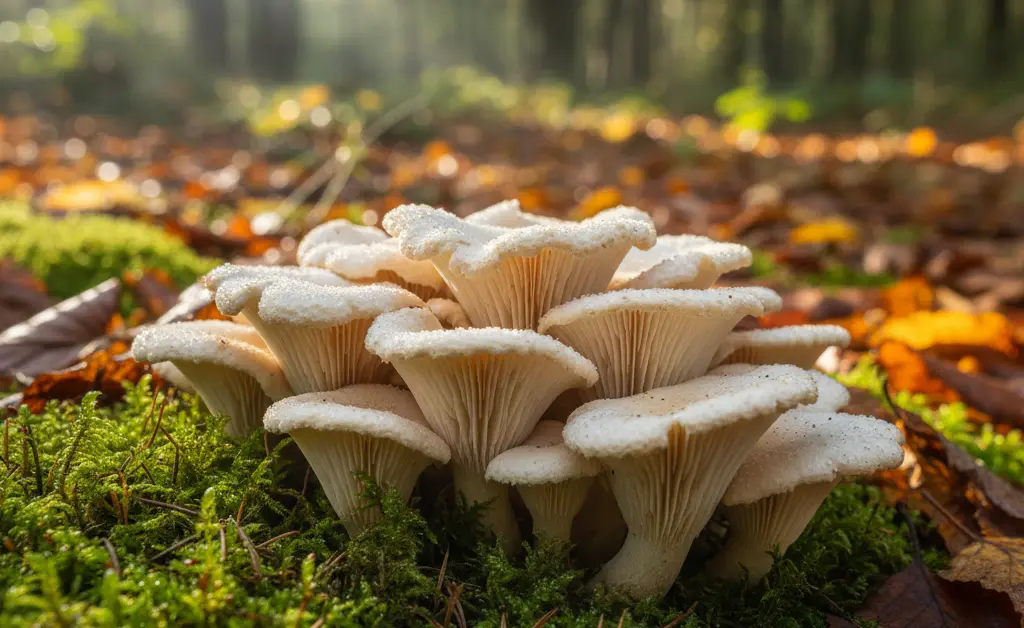
In recent years, there’s been a noticeable surge in appreciation for natural, wild-harvested ingredients among culinary enthusiasts and home cooks. This growing movement towards exploring the rich diversity of the forest floor for unique flavors has brought many fascinating fungi into popular discourse. Among these, the white hedgehog mushroom is rapidly gaining recognition as a prime example of an exceptional wild edible. Esteemed for its distinctive appearance and versatile culinary profile, it offers a gentle, nutty flavor and pleasant firm texture that elevates a wide range of dishes. This guide explores the characteristics, identification, and delicious potential of this sought-after forest treasure for those keen to enhance their gastronomic adventures.
Introduction to White Hedgehog Mushrooms
What is a Hedgehog Mushroom?
Hedgehog mushrooms, scientifically known as Hydnum repandum, are a genus of edible fungi easily recognized by their unique spore-bearing structures. Unlike most gilled mushrooms, hedgehog mushrooms feature soft, spine-like projections, often called “teeth,” on the underside of their caps. These teeth are detachable, brittle, and typically extend downwards from the cap, distinguishing them from other fungi. They are generally considered choice edibles due to their desirable texture and flavor, making them a favorite among foragers.
Why ‘White’ Hedgehog Mushrooms?
While the broader category of hedgehog mushrooms includes various colorations, the white hedgehog mushroom specifically refers to varieties that maintain a paler hue throughout their cap and stem. These lighter specimens, sometimes referred to as ‘Sweet Tooth’ mushrooms, are highly prized not only for their aesthetic appeal but also for their consistent mild flavor and firm flesh. Their gentle, almost creamy coloration can range from off-white to a pale tan, distinguishing them from their more orange or yellowish counterparts. The white hedgehog mushroom shares the same distinctive toothy underside as other hedgehog varieties, but its color helps foragers pinpoint this particular, often preferred, form. You can learn more about various hedgehog mushroom types.
Identifying White Hedgehog Mushrooms
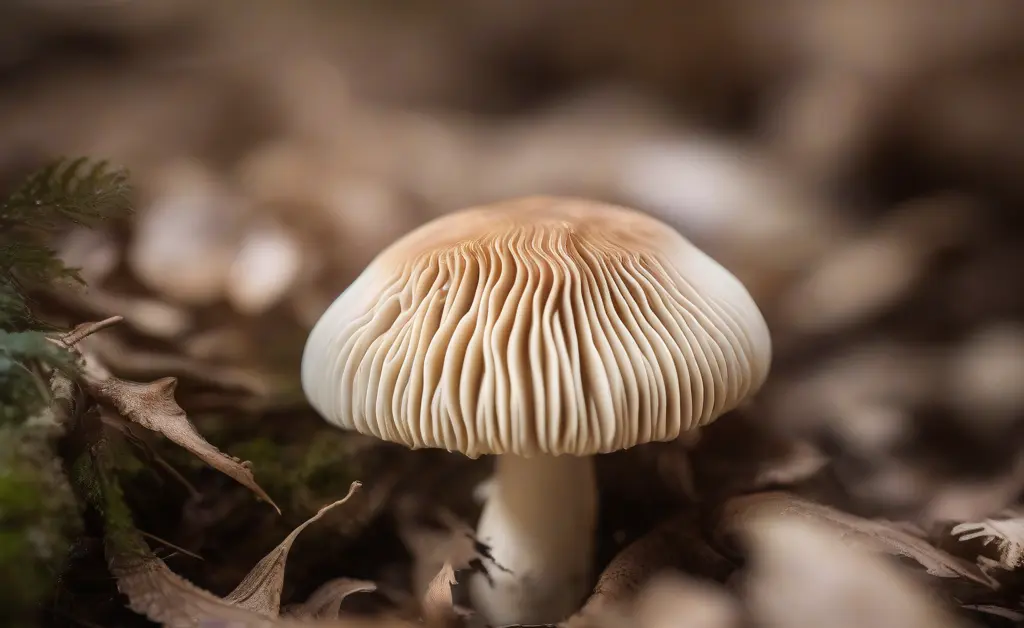
Distinctive ‘Teeth’ on the Underside
The most defining characteristic of the white hedgehog mushroom, and indeed all mushrooms in the Hydnum genus, is the presence of soft, brittle spines or “teeth” on the underside of the cap instead of traditional gills. These teeth are usually cream-colored to off-white, matching the mushroom’s overall pallor, and detach easily when rubbed. This feature is a crucial identifier, helping to differentiate it from many other fungi, some of which might be undesirable or even toxic.
Cap and Stem Characteristics
The cap of a white hedgehog mushroom is typically irregular in shape, often convex when young and flattening or becoming slightly depressed with age, sometimes developing wavy or lobed margins. Its surface is usually dry and can be smooth or slightly velvety. The color tends to be uniformly pale, ranging from creamy white to light tan or buff. The stem, or stipe, is usually sturdy, solid, and off-center or somewhat eccentric, merging seamlessly into the cap. It shares the same pale coloration as the cap and can be relatively short or medium in length, often thickening towards the base.
Color and Size Variations
While primarily recognized for its white to cream coloration, the specific shade of a white hedgehog mushroom can vary based on age, moisture levels, and local environmental conditions. Younger specimens tend to be whiter, while older ones might develop a more pronounced tan or buff tint. Size can also differ considerably, with caps generally ranging from about 2 to 15 centimeters (approximately 1 to 6 inches) in diameter. The overall size and robust nature often contribute to its appeal as a substantial edible mushroom.
Spore Print
A spore print can be a useful tool for mushroom identification, though it’s often not strictly necessary for easily recognizable species like the white hedgehog mushroom. To obtain one, place the cap, gills/teeth down, on a piece of paper (half white, half black is ideal for visibility) and cover it with a bowl for several hours. The spores of the white hedgehog mushroom typically produce a white or creamy white spore print, confirming its identity within its genus.
Where to Find Them
White hedgehog mushrooms are primarily found growing terrestrially in woodlands, often associated with deciduous and coniferous trees. They tend to prefer mossy, moist environments and can frequently be spotted on the forest floor, sometimes partially hidden under leaf litter or amongst fallen branches. Their presence often indicates a healthy, undisturbed forest ecosystem, and they can grow solitarily or in scattered groups.
Optimal Growing Conditions and Season
These mushrooms thrive in cooler, moist conditions, typically appearing from late summer through fall, and sometimes even into early winter in milder climates. They are particularly abundant after periods of consistent rain. Optimal growing conditions include temperate forests with rich, well-draining soil, where they form mycorrhizal relationships with tree roots. The distinct seasonal appearance and preferred habitat make them a rewarding find for patient foragers during their peak season. Information on foraging and mushroom safety is available from sources like the National Institutes of Health.
Culinary Appeal of White Hedgehog Mushrooms
Flavor Profile and Texture
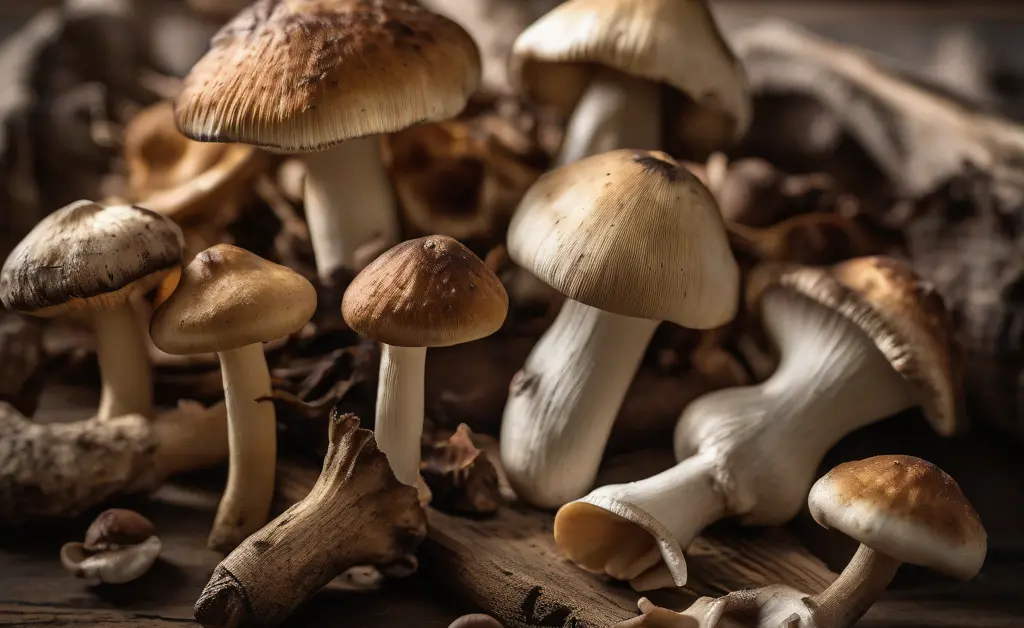
The culinary appeal of the white hedgehog mushroom lies in its distinctive yet versatile flavor. It offers a mild, slightly nutty, and often earthy taste with subtle peppery undertones, which generally becomes more pronounced when cooked. Unlike some other wild mushrooms, it is rarely bitter. Its texture is notably firm and somewhat crunchy when fresh, retaining a pleasant chewiness even after cooking. This robust texture allows it to hold up well in various preparations, preventing it from becoming slimy or disintegrating easily, making it a favorite for many culinary applications.
Preparation and Cooking Methods
Before cooking, it’s advisable to gently clean white hedgehog mushrooms. Their “teeth” can sometimes trap forest debris, so a soft brush or a damp cloth is useful. Avoid soaking them in water, as they can absorb too much moisture and lose flavor. The spines are edible and do not need to be removed, though some prefer to scrape off very long ones for aesthetic reasons. Due to their firm texture, these mushrooms are excellent for sautéing, stir-frying, roasting, or braising. They stand up well to heat and can develop a beautiful golden-brown color, enhancing their natural flavors.
Recipe Ideas
The versatility of the white hedgehog mushroom makes it suitable for a wide array of dishes. It can be a star ingredient in creamy risottos or pasta dishes, where its texture and flavor can truly shine. Sautéed with garlic and herbs, it makes a wonderful side dish or topping for steaks and other meats. These mushrooms are also excellent in omelets, quiches, or tarts, adding an earthy depth. For a simple yet delicious preparation, try them pan-fried with butter, a touch of salt, and a sprinkle of fresh parsley. Their firm texture also means they can be a satisfying addition to stews and soups, contributing richness without becoming mushy.
Distinguishing White Hedgehog Mushrooms from Look-Alikes
Common Misidentifications
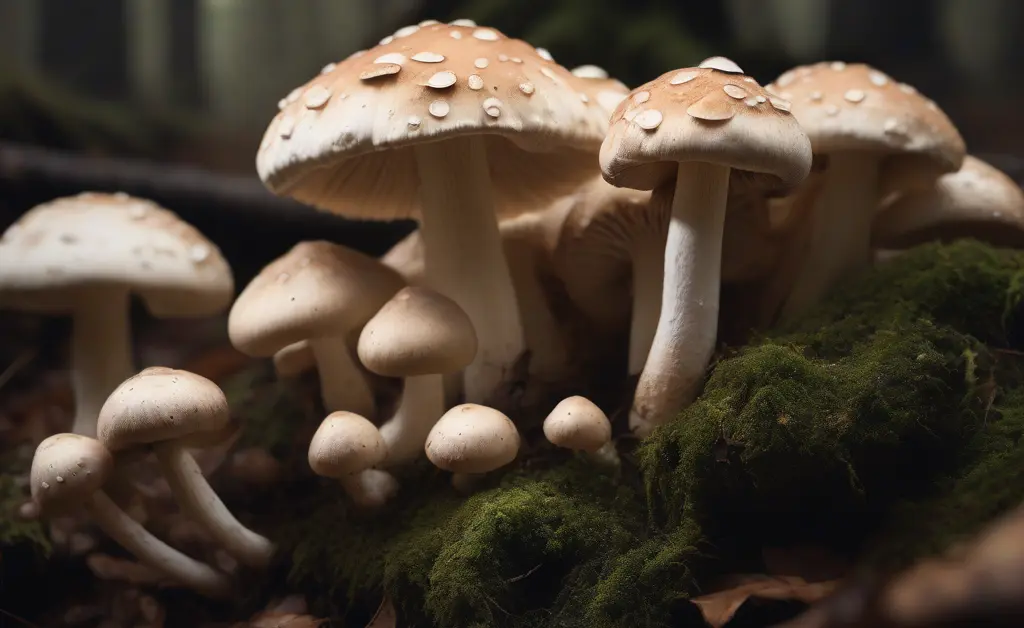
While the distinctive teeth of the white hedgehog mushroom make it relatively easy to identify compared to many other mushroom species, there are still potential look-alikes that foragers should be aware of. The most common confusion might arise with other species within the Hydnaceae family, such as the terracotta hedgehog (Hydnum rufescens), which has a more orange-brown cap but shares the toothy underside. Less commonly, some gilled mushrooms with very crowded, decurrent gills that appear somewhat tooth-like from a distance could be mistaken, but a close inspection quickly reveals the true structure. It is crucial to always be certain of identification to ensure edibility.
Key Differences to Observe
When foraging for white hedgehog mushrooms, pay close attention to several key features to ensure correct identification. Firstly, always check for the characteristic brittle, detachable spines on the underside of the cap, which should be easily rubbed off. The cap color should be predominantly white to creamy or pale tan, and the stem should be stout and often off-center. Unlike some toxic look-alikes, true hedgehog mushrooms have firm, solid flesh and do not exude any colored latex when cut. Additionally, the lack of gills, pores, or milky sap further helps distinguish them from other potentially confusing species. If any doubt remains, it is always safest to err on the side of caution and not consume the mushroom.
Sustainable Foraging Practices
Foraging for wild mushrooms, including the white hedgehog mushroom, should always be done responsibly and sustainably. This involves taking only what is needed and leaving plenty behind for wildlife and for the mushroom patch to regenerate. Use a knife to cut the stem above the ground rather than pulling the entire mushroom, which can damage the underground mycelial network. Carrying a mesh bag allows spores to disperse as you walk, aiding in the propagation of future generations. Always be respectful of the environment, avoid trespassing, and ensure you are permitted to forage in your chosen location. Responsible foraging ensures that these natural treasures can be enjoyed for years to come.
The white hedgehog mushroom stands out as a truly unique and delicious edible fungus, offering a delightful combination of distinctive appearance, firm texture, and a subtly earthy, nutty flavor. Its ease of identification, primarily due to its characteristic spines, makes it a favored find for both novice and experienced foragers. From its preferred woodland habitats to its versatile culinary applications, this mushroom enriches any meal with its presence. By understanding its key features, distinguishing it from potential look-alikes, and practicing sustainable foraging, enthusiasts can safely and responsibly enjoy the exceptional gastronomic experience that the white hedgehog mushroom provides.
This information is provided for educational purposes only. It is not intended to provide medical advice, diagnosis, or treatment. Always consult with a qualified professional for any health concerns or before making any decisions related to your health or well-being. Foraging for wild mushrooms carries inherent risks, and accurate identification is crucial; never consume a wild mushroom unless you are 100% certain of its identity and edibility.
FAQ
Are white hedgehog mushrooms edible?
Yes, white hedgehog mushrooms are widely considered edible and are sought after for their culinary qualities. They have a firm texture and a pleasant, mild flavor that complements many dishes.
How do you identify white hedgehog mushrooms?
White hedgehog mushrooms are characterized by their distinctive, tooth-like spines on the underside of the cap instead of gills. Their caps are typically irregular and funnel-shaped, and they are usually creamy white to pale tan in color. The spines are typically about 1/4 to 1/2 inch long and do not detach easily from the cap.
Where do white hedgehog mushrooms grow?
These mushrooms are often found growing in mossy areas on the ground, typically in coniferous and mixed forests. They can appear solitarily or in scattered groups under various types of trees.
What does white hedgehog mushroom taste like?
White hedgehog mushrooms have a delicate, earthy flavor that is often described as slightly nutty and peppery. Their taste is generally milder than some other wild mushrooms, making them versatile in the kitchen.
Are there any poisonous look-alikes to white hedgehog mushrooms?
While generally distinct, it is always crucial to be absolutely certain of identification when foraging any wild mushroom. The unique toothed underside of the white hedgehog mushroom significantly reduces the risk of confusion with common poisonous species.
What time of year can you find white hedgehog mushrooms?
You can typically find white hedgehog mushrooms during the late summer and fall months. Their fruiting season generally coincides with cooler, damp weather patterns.
How do you cook white hedgehog mushrooms?
White hedgehog mushrooms can be prepared in various ways, including sautéing, roasting, or adding them to soups and stews. They hold their shape well during cooking and absorb flavors beautifully.
What is the difference between a hedgehog mushroom and other fungi?
The primary distinguishing feature of hedgehog mushrooms, including the white variety, is the presence of tooth-like spines on the underside of the cap, rather than the typical gills or pores found in most other mushroom species. This unique morphology makes them easily identifiable to foragers.