
The Essential Guide to Foraging Wood Ear Mushrooms
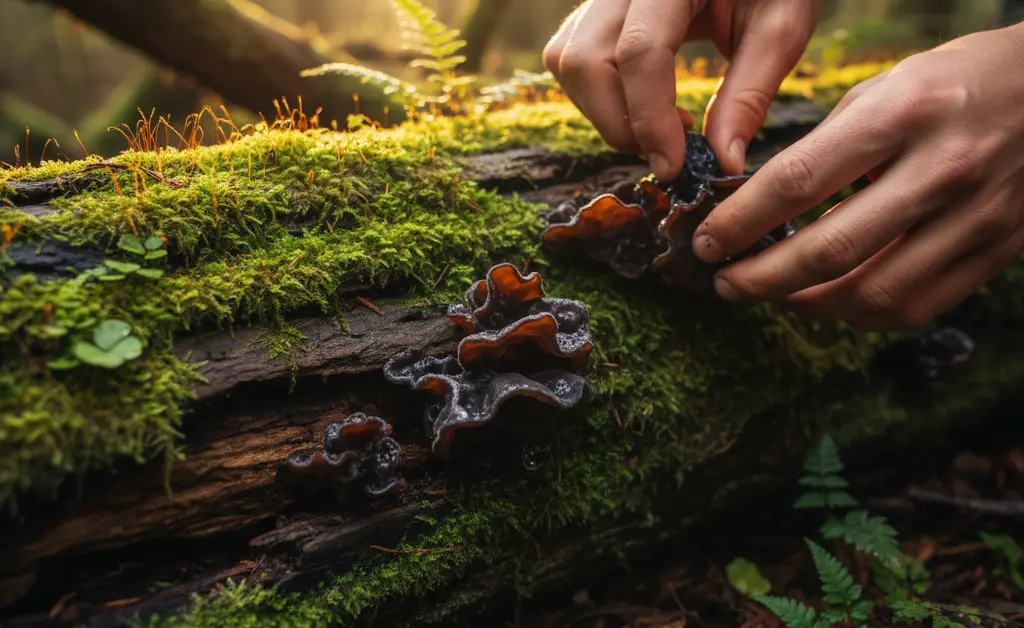
Have you ever stumbled upon a peculiar, ear-shaped fungus clinging to a fallen log and wondered if it was edible, or even valuable? Many outdoor enthusiasts and amateur chefs face this very dilemma. The desire to connect with nature and potentially harvest a unique ingredient for the kitchen is strong, but the fear of making a mistake—or worse, consuming something harmful—can be paralyzing. This guide is designed to demystify the process of wood ear mushroom foraging, providing you with the knowledge and confidence to identify, safely collect, and appreciate these fascinating fungi, often found in damp, wooded environments and prized for their unique texture in culinary dishes.
Wood Ear Mushroom Foraging: Identification
Positive identification is the most critical skill for any forager. Wood ear mushrooms have a distinctive appearance that makes them relatively easy to recognize once you know what to look for. Their unique shape, texture, and growth habits are key indicators that separate them from other fungi you might encounter in the woods. Learning these features is the first step toward a successful and safe harvest.
Foraging Wood Ear Mushrooms (Auricularia sp.)
Members of the Auricularia genus, commonly known as wood ear mushrooms or jelly ear, are notable for their unique physical characteristics. They typically have a brownish, reddish-brown, or sometimes almost black coloration. The shape is famously ear-like, often cupped or convoluted, resembling a human ear. The texture is one of its most telling features: it is gelatinous, rubbery, and somewhat flexible when fresh and damp. If you bend it, it should feel pliable. When dry, the fungus becomes hard and brittle, but it can be rehydrated to regain its original rubbery consistency. The surface can be smooth or finely fuzzy, and the underside is often smoother and may show faint veining.
Preferred Growing Environments and Substrates
Wood ear mushrooms are saprobic, meaning they are decomposers that feed on dead or dying organic matter. You will almost never find them growing directly from the soil. Instead, they thrive on wood. They prefer damp, shaded environments where moisture is retained, making them common finds in dense forests, along riverbanks, and in other humid areas. They fruit directly from their substrate, which is always wood, and play a vital role in the ecosystem by breaking down fallen trees and branches, returning nutrients to the soil.
Common Host Trees and Favorable Habitats
While wood ears can grow on a variety of hardwoods, they show a particular preference for certain types. In many regions, they are frequently found on dead or dying elder trees, which is why they are sometimes called “jelly ear.” However, they also commonly grow on other hardwoods such as beech, maple, and oak. When searching, focus your attention on fallen logs, decaying stumps, and dead branches still attached to living trees. Look in shaded, moist areas of the forest, especially after a period of rain, as the moisture encourages the fungi to fruit and swell to a noticeable size.
Wood Ear Mushroom Foraging: Safety and Look Alikes
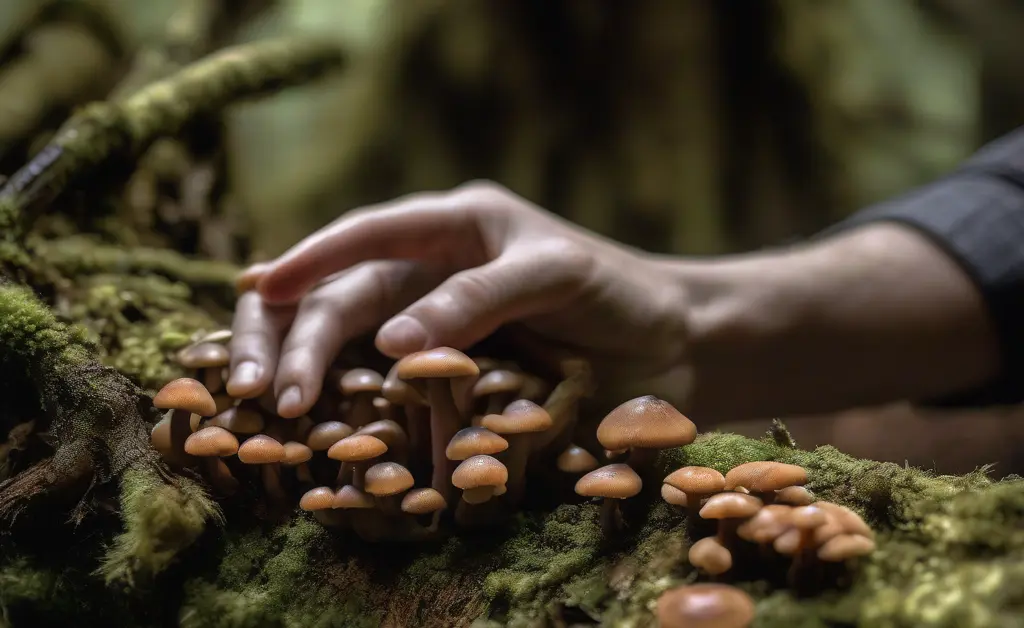
While wood ear mushrooms are considered relatively safe to identify, the practice of wild mushroom foraging always carries inherent risks. There are other fungi that grow on wood which may appear similar to the untrained eye. It is crucial to be absolutely certain of your identification before consuming any wild mushroom. Some lookalikes are harmless, while others could cause gastrointestinal distress. Understanding these potential lookalikes and adhering to strict safety protocols is non-negotiable for anyone engaging in this activity.
Safety Precautions for Wild Mushroom Collection
The cardinal rule of mushroom hunting is: when in absolute doubt, throw it out. Never consume a mushroom unless you are 100% certain of its identity. Cross-reference your find with multiple reliable sources, such as field guides, online forums, and local mycological societies. Further health information can often be found from reputable government health organizations like the NIH. A common lookalike is the Amber Jelly Roll (Exidia recisa), which has a similar gelatinous texture but typically forms more irregular, blob-like clusters rather than a distinct ear shape. Other brown cup fungi may also appear on wood, but they usually lack the rubbery, gelatinous feel of a true wood ear. The responsible practice of wood ear mushroom foraging demands careful observation and an unwavering commitment to safety above all else.
Essential Wood Ear Mushroom Foraging Tips
Beyond simple identification, successful foraging involves knowing when to look, what to bring, and how to harvest in a way that respects the environment. Following a few essential tips can greatly improve your chances of a fruitful outing while ensuring that mushroom populations remain healthy for years to come. Proper timing and technique are just as important as knowing what the mushroom looks like.
Optimal Seasons for Foraging Wood Ear
One of the great advantages of foraging for wood ear is its long fruiting season. In many temperate climates, these mushrooms can be found year-round. However, they are most prolific during the fall and spring months when rainfall is more consistent. They respond very well to moisture, often appearing within a day or two after a good rain. In winter, they can even be found during mild, damp spells, sometimes frozen solid on a log, ready to be thawed and used.
Recommended Foraging Equipment
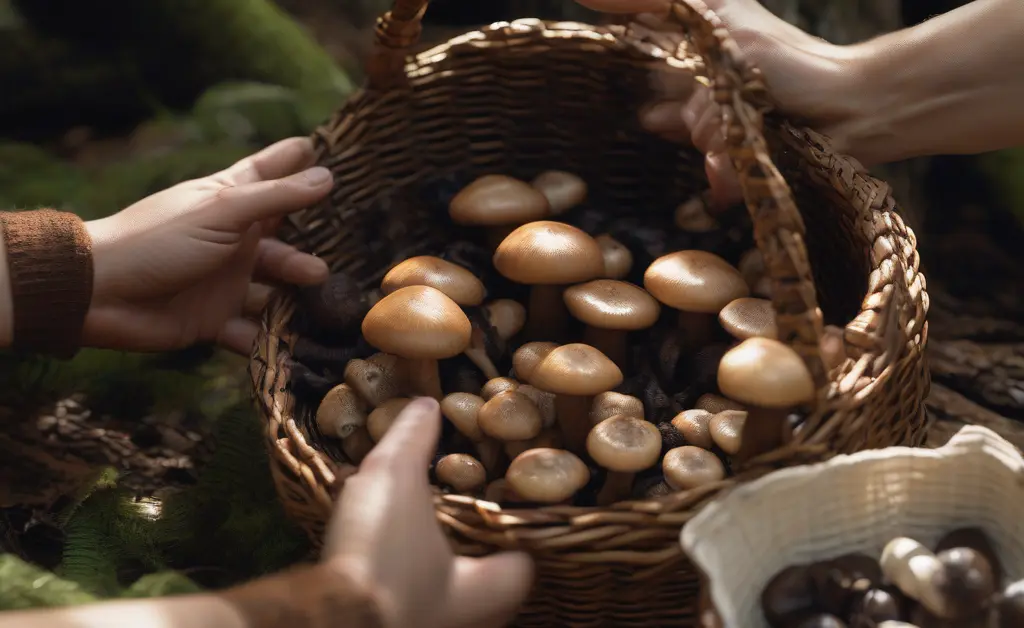
You don’t need much specialized equipment for a successful harvest. The most important items are a sharp knife or a pair of scissors for cleanly cutting the mushrooms from the wood. This method is preferred over pulling, as it avoids damaging the mycelium within the log. A breathable container, such as a mesh bag, a wicker basket, or a paper bag, is essential for carrying your haul. Plastic bags should be avoided as they trap moisture and can cause the mushrooms to become slimy and begin to decay prematurely.
Sustainable and Ethical Foraging Practices
Ethical harvesting ensures that you can return to the same spot for future finds and that the local ecosystem remains undisturbed. A core principle of sustainable wood ear mushroom foraging is to never take everything. Leave plenty of mushrooms behind, especially the very small or very old ones, to allow them to release spores and continue their life cycle. Be mindful of the habitat by treading lightly and avoiding damage to the decaying wood or surrounding vegetation. This mindful approach respects the forest and the vital role fungi play within it.
What to Do After Foraging Wood Ear Mushrooms

Your work isn’t done once you’ve brought your harvest home. Proper cleaning, storage, and preparation are key to enjoying the unique qualities of wood ear mushrooms. Because they grow on decaying wood, they often have bits of bark, dirt, or tiny insects on them that need to be removed. The post-forage process is an important part of the journey from forest to table. Once you master these final steps, you’ll be fully equipped to handle a successful day of wood ear mushroom foraging. These fungi are not typically eaten raw and should be cooked to improve their texture and ensure they are safe for consumption.
First, clean your freshly foraged wood ears by gently brushing off any loose debris with a soft brush or cloth. If necessary, give them a very quick rinse under cold water and pat them dry immediately; avoid soaking them as they will absorb excess water. For short-term storage, they can be kept in a paper bag in the refrigerator for several days. For long-term preservation, dehydration is the best method. You can slice them and use a food dehydrator or lay them out on a screen in a dry, well-ventilated area until they are hard and brittle. They rehydrate beautifully, regaining their signature gelatinous, slightly crunchy texture, making them a perfect addition to stir-fries, soups, and salads where their texture can truly shine.
This guide provides a foundation for identifying and collecting wood ear mushrooms. By combining this knowledge with a cautious and respectful approach, you can confidently explore the world of foraging. The satisfaction of finding, identifying, and preparing your own wild food is a rewarding experience that connects you more deeply with the natural world. Always prioritize safety, continue learning, and enjoy the unique culinary potential of these fascinating fungi.
The purpose of this content is to educate, not to diagnose or treat. The information provided in this article is for informational purposes only and should not be considered a substitute for professional guidance from a mycologist or foraging expert. Never consume any wild plant or fungus unless you are absolutely certain of its identification. Misidentification can lead to serious illness or other adverse health effects. Always consult with a qualified professional before foraging or consuming wild edibles.
FAQ
Where can I find wood ear mushrooms growing?
Wood ear mushrooms are saprophytic, meaning they derive nutrients from dead organic matter. You can often find them growing on decaying hardwood logs and stumps, particularly in damp and shaded environments. Their presence indicates a source of decaying wood that can support their growth cycle.
What time of year is best for foraging wood ear mushrooms?
The optimal time for foraging wood ear mushrooms generally falls during the cooler, wetter months. They tend to appear after periods of rain, especially throughout autumn and into winter, and can sometimes persist into early spring. Environmental conditions like consistent moisture are key indicators for finding them.
How do you clean wood ear mushrooms after foraging?
After collecting wood ear mushrooms, thorough cleaning is essential to remove any debris. Gently rinse them under cool running water, paying attention to any crevices. For stubborn dirt, a soft brush or a damp cloth can be used to carefully scrub the surface.
What trees do wood ear mushrooms grow on?
Wood ear mushrooms exhibit a preference for decaying hardwoods. They are commonly found on a variety of deciduous trees, including elm, oak, maple, and beech. Their ability to grow on these types of wood makes wood ear mushroom foraging a rewarding activity for those who know where to look.